×
×
Selecting the right laser engraving machine for metal fabrication requires careful consideration of multiple technical and operational factors. Modern manufacturing environments demand precision, efficiency, and reliability from their equipment investments. The choice of laser engraving machine directly impacts production quality, operational costs, and long-term business success. At LYBY Laser, understanding the fundamental principles behind Fiber and UV technology helps manufacturers make informed decisions that align with their specific metal marking requirements.
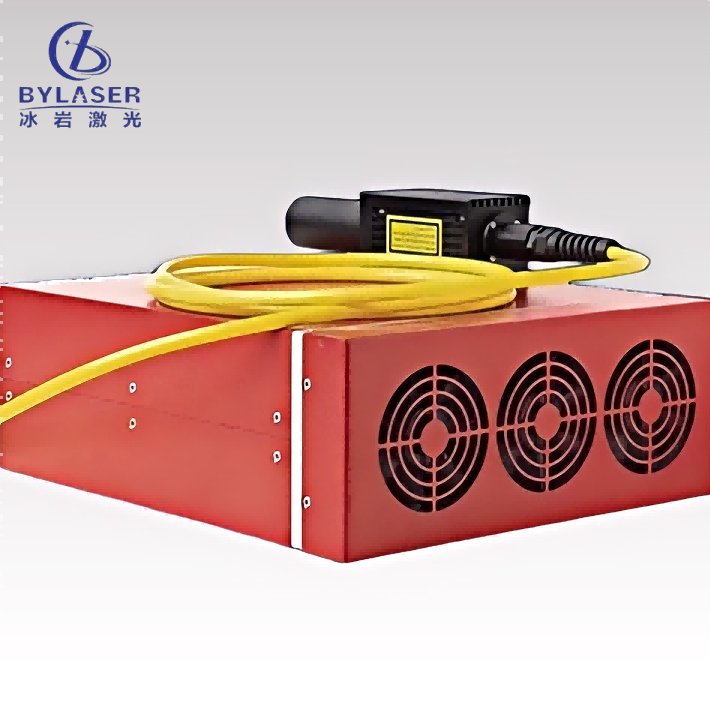
Fiber laser technology represents the most robust solution for metal engraving applications. These systems utilize high-performance laser sources to generate coherent beams with exceptional quality. The 1064nm wavelength provides optimal absorption for most metals, including stainless steel, brass, and carbon steel. With a maintenance-free lifespan exceeding 100,000 operating hours, fiber lasers are the backbone of high-volume industrial production.
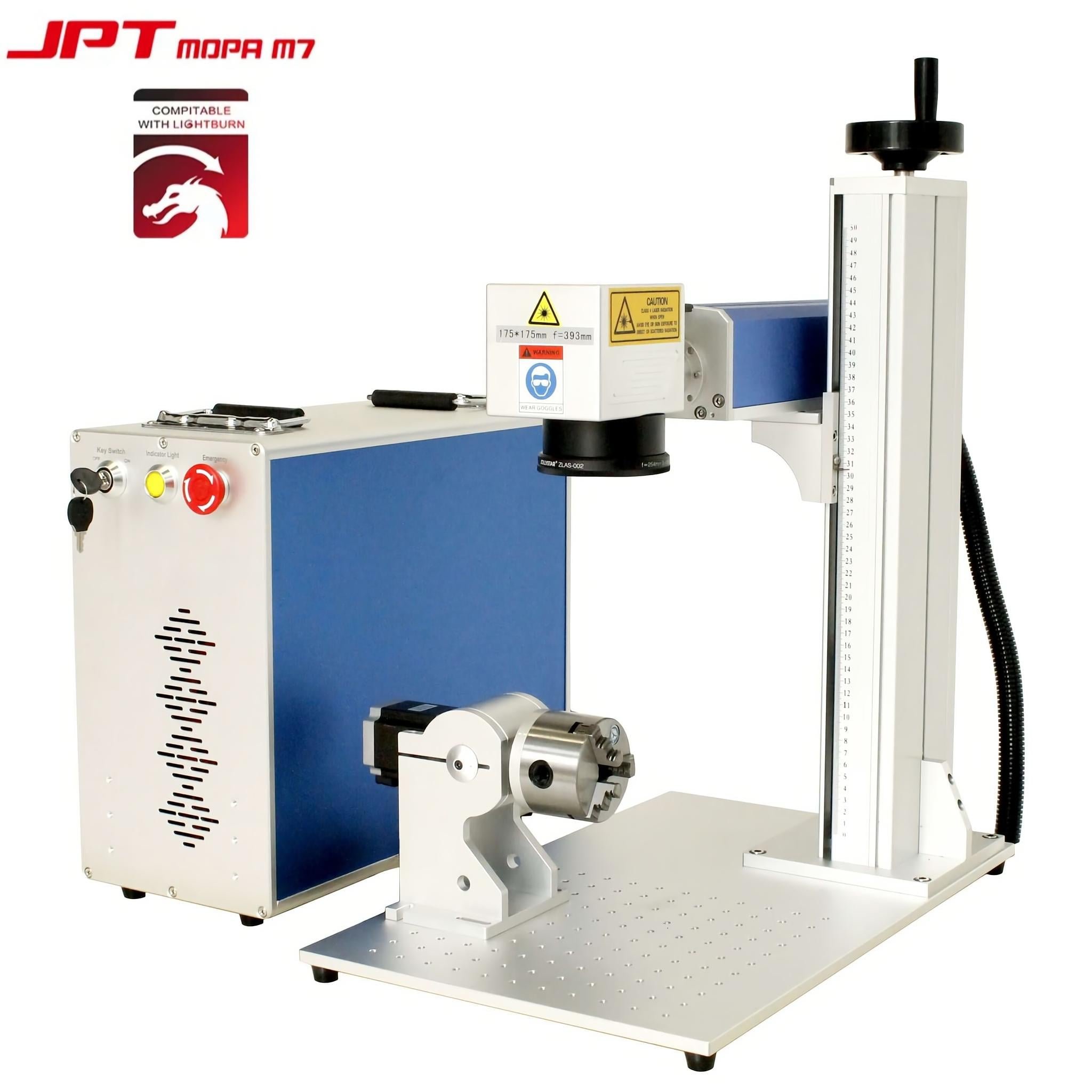
For advanced metal fabrication, LYBY MOPA (Master Oscillator Power Amplifier) fiber lasers offer a unique advantage. Unlike standard Q-switched lasers, MOPA allows for adjustable pulse durations. This precision enables color engraving on stainless steel and high-contrast black marking on anodized aluminum—features that are essential for premium branding and consumer electronics customization.
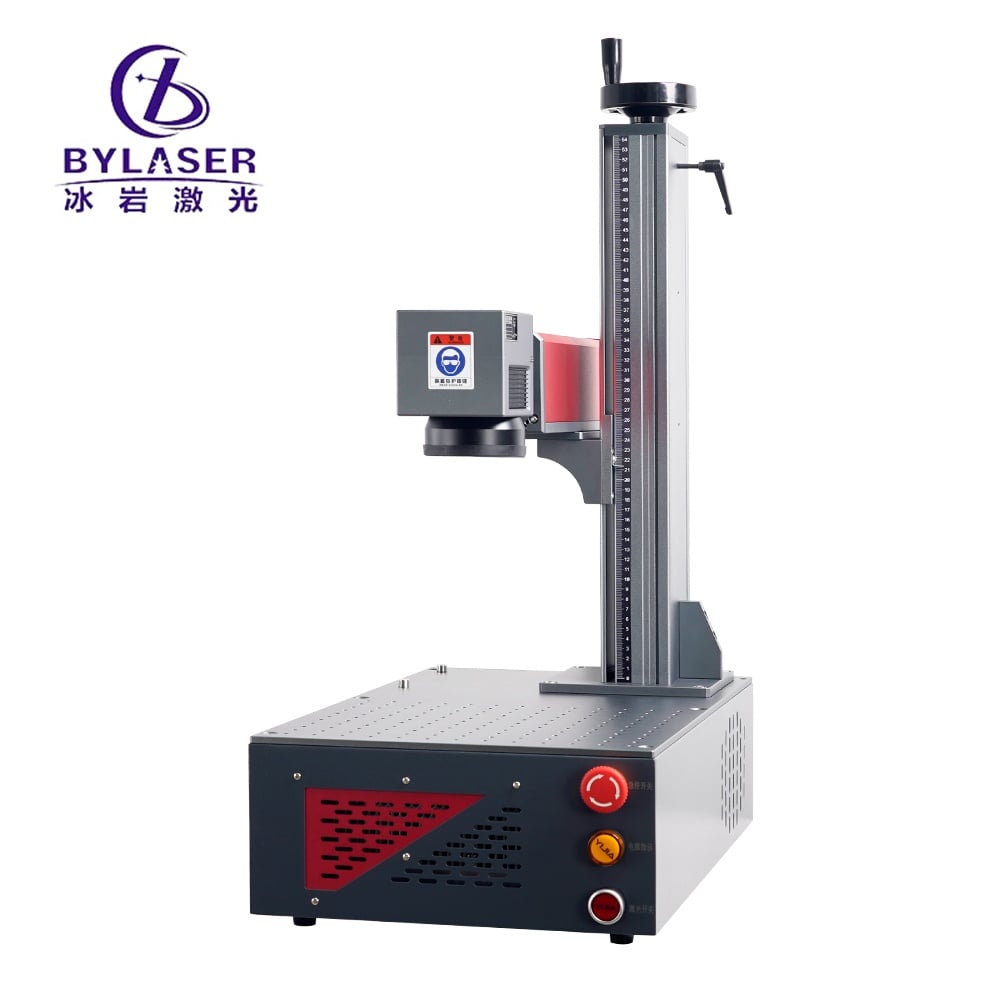
While fiber lasers excel in speed and depth, LYBY UV laser marking machines (3W/5W/10W) are the preferred choice for "cold processing." The 355nm wavelength has a much higher absorption rate, reducing thermal stress. This is critical for ultra-thin metal foils or high-precision components where heat-affected zones must be minimized to prevent material warping or metallurgical changes.
Power selection defines the boundary between marking and engraving. Typical metal applications utilize ranges from 20W to 100W:
Material reflectivity plays a huge role; for instance, highly reflective metals like copper and aluminum often require 50W+ sources to ensure stable processing.
Metal fabrication isn't limited to flat surfaces. Modern laser engraving machines from LYBY Laser are frequently equipped with rotary axis attachments. This allows for seamless 360-degree engraving on cylindrical parts such as industrial valves, pipes, rings, and custom tumblers, ensuring consistent focal depth across the curved surface.
One of the primary economic benefits of LYBY Laser systems is the elimination of consumables like inks, chemicals, or drill bits. The solid-state construction of our laser sources means there are no mirrors to align or gases to refill. This translates to lower operational costs and significantly reduced downtime compared to traditional mechanical or chemical etching methods.
Systems compatible with professional laser control software allow for rapid transition from CAD designs to finished products. Standardized file formats (PLT, DXF, AI, etc.) ensure that intricate logos and technical data can be uploaded and processed in seconds, reducing setup time and material waste during prototyping.
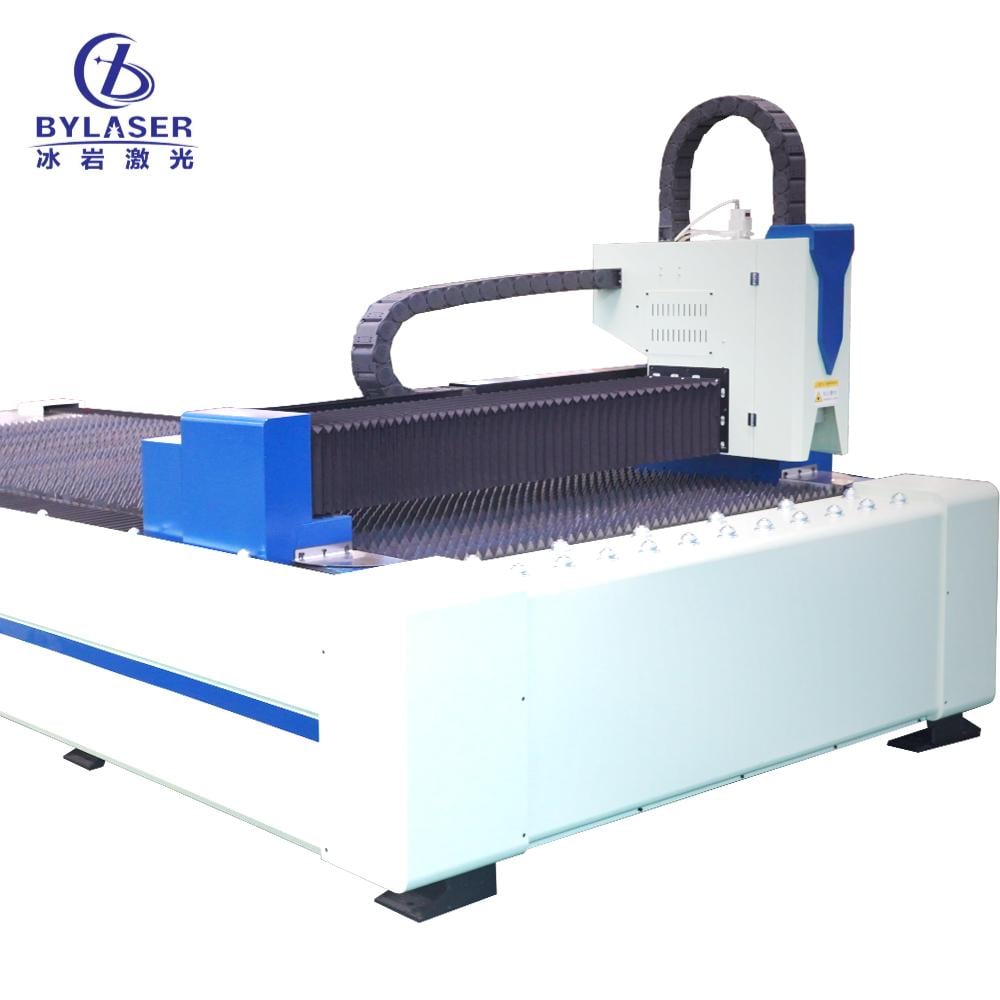
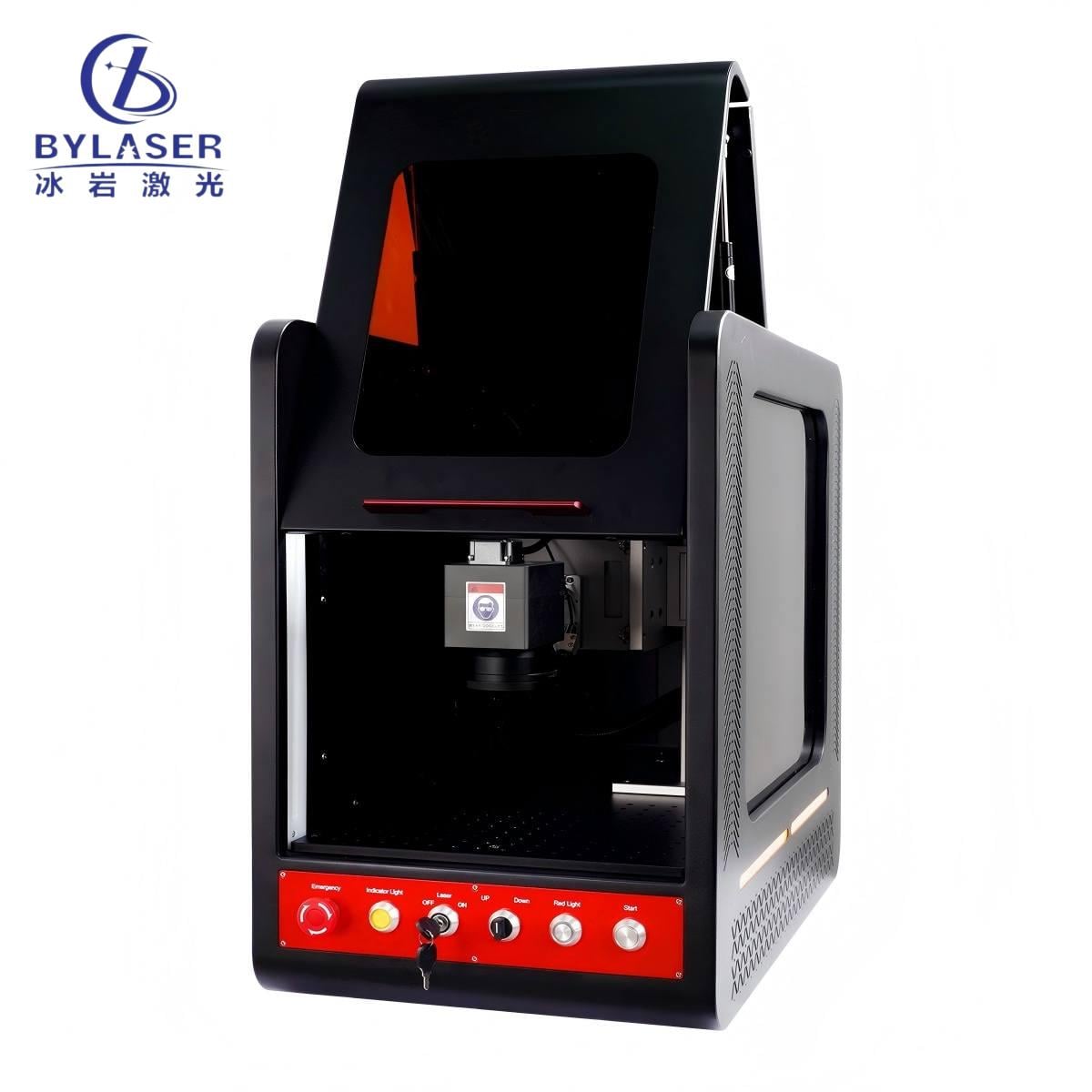
High-power laser systems require strict safety protocols. LYBY Laser provides both enclosed (Full-Cover) models for maximum operator protection and open-table designs for larger workpieces. Enclosed systems often incorporate laser-safe viewing windows and interlock sensors to prevent accidental beam exposure, complying with international safety standards.
Engraving metals can release fine particulates and ozone. It is essential to integrate a dedicated fume extractor with HEPA and activated carbon filtration. This not only protects the operator's health but also prevents dust from settling on the laser's field lens, which could otherwise lead to beam distortion or lens damage.
For true deep engraving (exceeding 0.5mm depth) in stainless steel, a fiber laser of at least 50W is recommended. While 20W or 30W can achieve depth through multiple passes, a 50W or 100W system is significantly faster and maintains a cleaner edge profile during deep carving operations.
Standard fiber lasers can create shades of grey or black. However, to achieve vibrant colors on stainless steel, you need a MOPA fiber laser. By adjusting the pulse width and frequency, MOPA lasers create different oxide layer thicknesses on the surface, which reflect light as different colors.
Maintenance is minimal. Operators should regularly clean the F-theta field lens with anhydrous alcohol to ensure beam clarity, check the cooling fans for dust buildup, and verify that any moving parts are properly lubricated. The laser sources themselves are generally maintenance-free for up to 100,000 hours.
Yes, laser engraving is highly effective on anodized, electroplated, or painted metals. For anodized aluminum, the laser can "bleach" the dye to create a white mark or use MOPA technology to create a high-contrast black mark without damaging the protective oxide layer of the aluminum.