×
×
Modern manufacturers face increasing pressure to deliver high-quality products while maintaining efficient production processes and meeting strict traceability requirements. Among the various technologies that have transformed manufacturing operations, the laser marking machine stands out as a critical tool that addresses multiple operational challenges simultaneously. These precision instruments offer manufacturers a comprehensive solution for permanent marking, coding, and identification needs across diverse materials and applications.
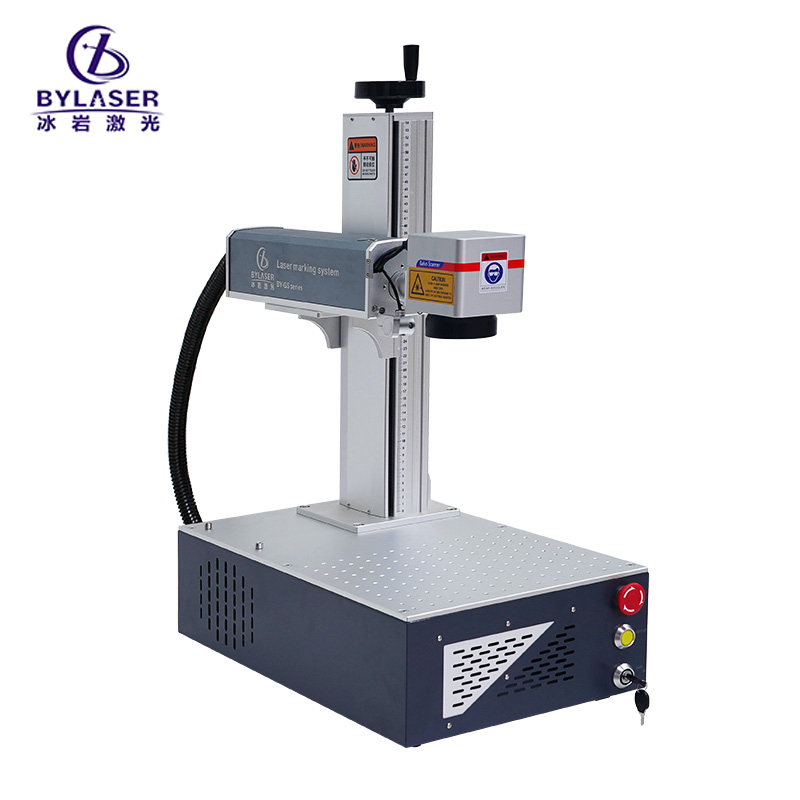
The strategic implementation of laser marking technology delivers substantial operational advantages that extend far beyond simple part identification. From enhancing product traceability and reducing operational costs to improving quality control processes and ensuring regulatory compliance, a laser marking machine provides manufacturers with measurable benefits that directly impact their bottom line and competitive positioning in the marketplace.
A laser marking machine creates permanent, tamper-resistant marks that remain legible throughout the entire product lifecycle. Unlike traditional marking methods such as ink printing or adhesive labels, laser markings cannot fade, peel, or wear off under normal operating conditions. This permanence ensures that critical identification information, including serial numbers, batch codes, and manufacturing dates, remains accessible for quality tracking and recall purposes.
The precision of laser marking technology enables manufacturers to create highly detailed markings on even the smallest components. Characters as small as 0.1mm can be clearly marked, allowing for comprehensive coding systems that include multiple data points without compromising component functionality or aesthetics. This capability proves particularly valuable in industries where space constraints limit marking options.
Manufacturers utilizing laser marking machines can implement sophisticated traceability systems that track products from raw materials through final assembly and distribution. Each component receives unique identifiers that link to comprehensive manufacturing records, enabling rapid identification of production parameters, quality test results, and supply chain information when issues arise.
Advanced laser marking systems integrate with quality control processes to provide immediate verification of marking accuracy and legibility. Integrated vision systems can inspect each mark immediately after creation, ensuring that all markings meet specified quality standards before products proceed to subsequent manufacturing stages.
This real-time verification capability significantly reduces the risk of unmarked or incorrectly marked products reaching customers. When marking errors are detected, the system can automatically trigger corrective actions, including rework procedures or quality alerts, maintaining consistent output quality across all production runs.
The data collected during the marking and verification process provides valuable insights into production trends and potential quality issues. Manufacturers can analyze marking consistency patterns to identify equipment maintenance needs or process optimization opportunities before they impact product quality or production efficiency.
Traditional marking methods require ongoing purchases of consumable materials including inks, solvents, ribbons, labels, and adhesives. A laser marking machine eliminates these recurring costs by using focused laser energy to create marks directly on material surfaces. This fundamental difference in marking methodology can result in substantial cost savings over time, particularly for high-volume production operations.
The elimination of consumables also removes associated inventory management costs and reduces the risk of production delays due to supply shortages. Manufacturers no longer need to maintain stockpiles of marking materials or coordinate delivery schedules with consumable suppliers, simplifying procurement processes and reducing working capital requirements.
Environmental benefits accompany these cost reductions, as laser marking generates no chemical waste or disposal requirements. This aspect becomes increasingly important as manufacturers face stricter environmental regulations and seek to improve their sustainability profiles for customers and stakeholders.
Modern laser marking machines feature solid-state laser sources with operational lifespans exceeding 100,000 hours under normal operating conditions. This exceptional reliability translates to minimal maintenance requirements and reduced unexpected downtime compared to traditional marking systems that rely on mechanical components or consumable materials.
The absence of physical contact between the laser marking machine and marked surfaces eliminates wear-related maintenance issues common with contact-based marking methods. No printheads require replacement, no mechanical adjustments are needed for wear compensation, and no cleaning cycles are required to remove accumulated ink or debris.
Predictive maintenance capabilities built into contemporary laser marking systems provide advance warning of potential issues, allowing maintenance activities to be scheduled during planned downtime periods. This proactive approach minimizes unexpected production interruptions and extends overall equipment effectiveness.
A laser marking machine demonstrates exceptional versatility by effectively marking a wide range of materials commonly used in manufacturing operations. Metals including stainless steel, aluminum, titanium, and various alloys respond well to laser marking, producing clear, contrasted marks suitable for industrial applications. The technology also works effectively on plastics, ceramics, glass, and composite materials, providing manufacturers with a single solution for diverse material marking needs.
Different laser wavelengths and power levels can be optimized for specific material types, ensuring optimal marking quality across varied production requirements. Fiber lasers excel at marking metals and many plastics, while CO2 lasers prove ideal for organic materials, glass, and certain ceramic applications. This flexibility allows manufacturers to standardize on laser technology across multiple product lines.
The ability to adjust marking parameters including power, speed, and frequency enables fine-tuning of mark appearance and depth for different applications. Surface etching creates subtle marks that maintain component aesthetics, while deeper engraving provides enhanced durability for harsh operating environments.
Contemporary laser marking systems offer programmable flexibility that adapts to changing production requirements without hardware modifications. Operators can quickly switch between different marking patterns, fonts, sizes, and layouts through software controls, accommodating product variations and customization requests within the same production run.
Variable data marking capabilities enable each product to receive unique information including sequential serial numbers, date and time stamps, or customer-specific codes. This functionality proves essential for industries requiring individual product identification or batch tracking compliance.
The integration of barcode and QR code marking capabilities expands traceability options, enabling manufacturers to embed substantial amounts of information in compact, machine-readable formats. These codes can link to comprehensive databases containing detailed manufacturing history, quality test results, and service information.
Medical device manufacturers face stringent traceability requirements that mandate permanent marking of critical components and finished products. A laser marking machine provides the reliability and permanence necessary to meet FDA regulations and international standards including ISO 13485. The non-contact nature of laser marking ensures that sterile packaging integrity remains intact during the marking process.
Unique Device Identification (UDI) requirements specify precise marking standards for medical devices, including specific character sizes, contrast ratios, and durability specifications. Laser marking technology consistently meets these demanding requirements while providing the flexibility to accommodate various UDI formats across different product categories.
The validation capabilities of laser marking systems support the documentation requirements essential for medical device manufacturing. Complete marking records, including images of each marked component, can be automatically generated and stored for regulatory audit purposes.
Automotive manufacturers implement laser marking to meet industry-specific traceability requirements and quality standards. The technology enables compliance with automotive quality systems including IATF 16949, which requires comprehensive component tracking throughout the supply chain. Permanent marking ensures that critical safety components can be identified and traced even after years of service.
The durability of laser marks enables them to withstand automotive operating environments including temperature extremes, chemical exposure, and mechanical wear. This resilience ensures that identification information remains legible throughout vehicle service life, supporting warranty tracking and recall procedures.
Advanced marking capabilities support the implementation of digital manufacturing initiatives in automotive production. Machine-readable codes enable real-time tracking of components through assembly processes, supporting lean manufacturing principles and quality control procedures.
Modern laser marking machines integrate seamlessly with Industry 4.0 manufacturing systems through standardized communication protocols including Ethernet/IP, OPC-UA, and MQTT. This connectivity enables real-time data exchange between marking systems and manufacturing execution systems (MES), enterprise resource planning (ERP) platforms, and quality management systems.
The integration capabilities support automated production workflows where marking parameters, content, and scheduling are controlled centrally through manufacturing systems. This approach eliminates manual data entry errors and ensures consistent marking across all production lines while providing comprehensive production visibility.
Data analytics capabilities built into connected laser marking systems provide insights into production efficiency, marking quality trends, and equipment utilization patterns. Manufacturers can use this information to optimize production schedules, predict maintenance needs, and identify process improvement opportunities.
Laser marking systems integrate with automated production equipment including robotic handling systems, conveyor lines, and automated assembly stations. This integration enables marking operations to proceed without manual intervention, supporting lights-out manufacturing operations and reducing labor requirements.
Vision-guided marking capabilities allow laser systems to automatically locate and mark components regardless of their precise positioning within fixtures or on conveyor systems. This flexibility reduces fixture complexity and accommodates normal variations in component placement during automated handling.
The speed and precision of laser marking technology complement high-speed automated production lines without creating bottlenecks. Marking cycles measured in seconds enable integration with rapid manufacturing processes while maintaining throughput requirements.
A quality laser marking machine typically operates for 100,000 hours or more under normal production conditions, which translates to approximately 10-15 years of continuous operation. The solid-state laser sources require minimal maintenance compared to traditional marking systems, and the absence of consumable materials further extends operational life. Regular preventive maintenance and proper operating conditions can extend service life even further.
Yes, laser marking machines excel in high-volume production environments due to their rapid marking speeds and automated operation capabilities. Typical marking cycles range from 1-10 seconds depending on marking complexity and material type. The systems can operate continuously without the downtime associated with consumable material replacement, making them ideal for demanding production schedules.
Laser marking machines can create virtually any type of text, numerical, or graphical information including serial numbers, batch codes, dates, logos, barcodes, QR codes, and data matrix codes. The technology supports multiple fonts, character sizes from 0.1mm upward, and can create both surface marks and deep engravings. Variable data marking allows each component to receive unique information during production.
While laser marking technology works with most manufacturing materials, some materials present challenges or require specific laser types. Highly reflective metals may require specialized laser wavelengths or surface treatments. Transparent materials like clear plastics often need additives to create visible marks. However, the wide variety of available laser types and wavelengths means that suitable solutions exist for nearly all manufacturing applications.