×
×
Selecting the right beginner laser marking machine requires understanding your specific needs, budget constraints, and future growth plans. For newcomers to laser marking technology, the ideal machine balances ease of use, reliability, and versatility without overwhelming complexity or excessive cost. A good beginner laser marking machine should offer intuitive software, consistent marking quality, and robust construction that can handle daily operation while providing room for skill development and business expansion.
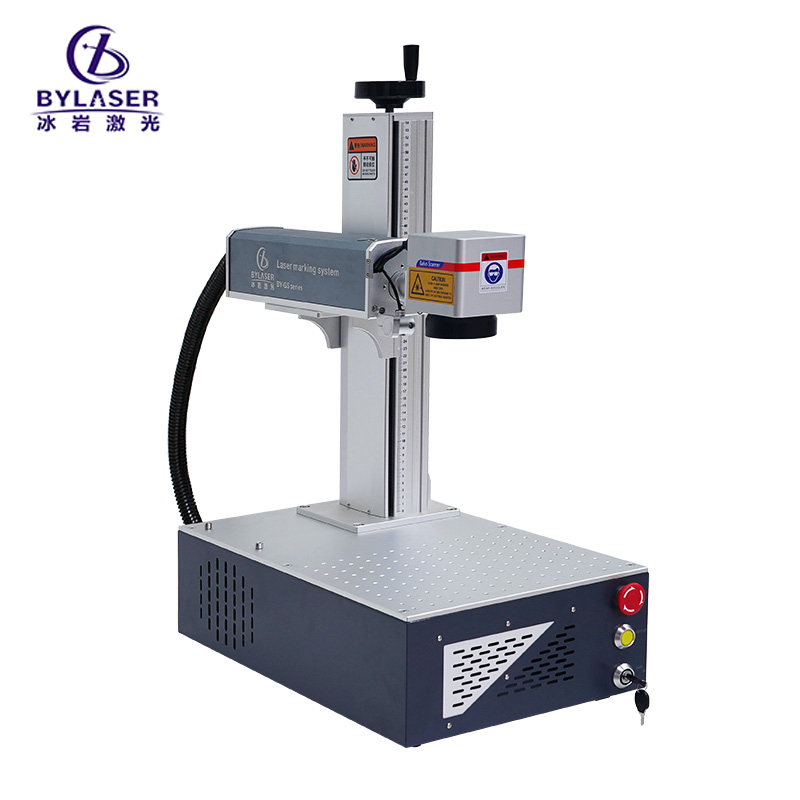
When evaluating options for your first laser marking system, several critical factors determine whether a machine will serve as an effective learning platform and profitable business tool. The best beginner laser marking machine combines straightforward operation with professional-grade results, allowing new users to master fundamental techniques while producing high-quality marks on various materials. Understanding these key characteristics helps ensure your investment supports both immediate productivity and long-term success in laser marking applications.
The software interface represents the most critical aspect of any beginner laser marking machine, as it directly impacts your learning curve and daily productivity. Quality beginner systems include intuitive design software with drag-and-drop functionality, pre-loaded templates, and clear parameter settings. The best interfaces allow users to import graphics, adjust marking parameters, and preview results without extensive technical knowledge. Modern beginner laser marking machine software often features guided workflows that walk new users through common marking tasks, reducing the time needed to achieve professional results.
Advanced beginner systems incorporate real-time preview capabilities, allowing operators to visualize marking results before processing begins. This feature proves invaluable for newcomers who need to understand how different settings affect marking depth, speed, and quality. The software should also provide clear parameter recommendations for common materials, eliminating guesswork and reducing material waste during the learning process.
A quality beginner laser marking machine features robust mechanical components designed to maintain accuracy and consistency throughout extended use. The laser source should provide stable output power with minimal degradation over time, ensuring consistent marking quality as users develop their skills. Precision motion systems with high-quality bearings and drive mechanisms contribute to accurate mark placement and repeatability, essential characteristics for professional applications.
The marking head assembly must offer precise focus control and beam delivery, allowing users to achieve sharp, clean marks across various material thicknesses. Quality beginner systems include automatic focus detection or easy manual focus adjustment, simplifying setup procedures and reducing the potential for operator error. Cooling systems should operate quietly and efficiently, maintaining optimal laser performance without requiring complex maintenance procedures.
An effective beginner laser marking machine handles a wide range of materials commonly encountered in industrial and commercial applications. The system should successfully mark metals including stainless steel, aluminum, brass, and tool steel, providing the versatility needed for diverse customer requirements. Plastic marking capabilities expand application opportunities, allowing users to work with materials like ABS, acrylic, nylon, and engineering plastics.
Material versatility extends beyond basic compatibility to include various marking effects and techniques. A good beginner laser marking machine produces different mark types including surface etching, deep engraving, annealing, and color change marking. This flexibility allows new users to explore different applications while building expertise with various marking approaches and customer requirements.
The ideal power range for a beginner laser marking machine typically falls between 20 watts and 50 watts, providing sufficient capability for most common applications without excessive complexity or cost. Lower power systems around 20-30 watts handle detailed marking on metals, plastics, and coated materials effectively while maintaining manageable operating costs and safety requirements. Higher power options in the 30-50 watt range offer increased marking speed and deeper engraving capabilities, supporting more demanding applications as users gain experience.
Power selection should align with intended applications and material requirements rather than simply choosing maximum available power. A well-designed 30-watt beginner laser marking machine often outperforms poorly constructed higher-power systems in terms of mark quality, consistency, and long-term reliability. The key lies in matching power specifications to actual marking needs while ensuring the system provides room for application expansion.
Marking speed significantly impacts productivity and profitability, making it a crucial consideration for beginner laser marking machine selection. Quality systems achieve marking speeds between 1000-7000mm/s depending on material type, marking depth, and desired quality level. Beginners benefit from machines offering variable speed control, allowing optimization for different applications and learning requirements.
Efficiency extends beyond raw marking speed to include setup time, material handling, and batch processing capabilities. A good beginner laser marking machine minimizes non-productive time through quick parameter adjustment, efficient material positioning systems, and reliable automatic functions. These features help new operators achieve acceptable productivity levels while developing operational expertise.
Beam quality directly affects marking precision, consistency, and overall results quality in any beginner laser marking machine. High-quality systems maintain beam characteristics that produce sharp, uniform marks with minimal heat-affected zones. The marking spot size should remain consistent across the entire working area, ensuring uniform quality regardless of mark position within the field.
Precision specifications typically include positioning accuracy within ±0.01mm and repeatability within similar tolerances. These specifications ensure that detailed work, small text, and intricate graphics reproduce accurately and consistently. For beginners, excellent precision specifications provide confidence that marking quality issues stem from parameter settings rather than machine limitations, simplifying the learning process.
Comprehensive safety features distinguish quality beginner laser marking machine options from basic systems lacking proper protection measures. Essential safety components include fully enclosed marking chambers with interlocked doors that prevent laser operation when opened. Emergency stop functionality should provide immediate laser shutdown in critical situations, while key-controlled operation prevents unauthorized system use.
Advanced safety systems incorporate laser emission indicators, exhaust ventilation controls, and electrical safety interlocks that meet relevant industrial standards. Class 1 laser safety classification represents the ideal for beginner applications, as it eliminates most safety training requirements and operational restrictions. These safety features allow new operators to focus on learning marking techniques rather than managing complex safety protocols.
Effective training resources accelerate the learning process and help users maximize their beginner laser marking machine investment. Quality manufacturers provide comprehensive documentation including operation manuals, parameter guides, and troubleshooting resources. Video training materials covering basic operation, material preparation, and common applications prove invaluable for visual learners developing practical skills.
Technical support availability ensures that new users receive assistance during the critical learning period when questions and challenges commonly arise. The best support programs include phone consultation, remote diagnostic capabilities, and on-site training options. Regular software updates and parameter database expansions keep systems current with evolving application requirements and industry standards.
Simple maintenance procedures make beginner laser marking machine ownership more manageable and cost-effective over time. Quality systems require minimal routine maintenance beyond periodic cleaning and basic inspection procedures that users can perform without specialized training. Quality systems are 100% consumable-free, offering maintenance-free operation for up to 100,000 hours. This ensures a straightforward installation and long-term reliability without the need for specialized technical training.
Preventive maintenance schedules should align with typical usage patterns while providing clear guidance on required procedures and intervals. Systems designed for beginner use minimize complex adjustments and calibration requirements that might discourage regular maintenance. Access to original maintenance parts and expert technical support ensures continued operation without extended downtime periods that could impact business operations.
Budget planning for a beginner laser marking machine must consider total system cost including the base unit, installation requirements, training, and initial consumables. Starting from $1,500 - $3,000 for factory-direct models, offering the best ROI for startups. This investment should align with projected application volumes and revenue expectations while providing capacity for business growth.
Total cost of ownership extends beyond initial purchase price to include ongoing operating costs, maintenance expenses, and potential upgrade requirements. A well-chosen beginner laser marking machine provides predictable operating costs and reasonable upgrade paths as application requirements evolve. Financing options can make higher-quality systems accessible while preserving working capital for business development.
Revenue potential depends on target markets, application types, and local competition levels rather than simply machine specifications. Common applications for beginner laser marking machine operations include part identification, serial numbering, logo marking, and decorative engraving across various industries. Service pricing typically ranges from $0.50 to $5.00 per mark depending on complexity, material, and local market conditions.
Market analysis should identify specific opportunities within reasonable geographic reach while considering application requirements and competition levels. Industrial customers often provide steady, high-volume work suitable for beginner operators developing their skills. Consumer markets offer higher margins but may require more diverse capabilities and faster turnaround times.
Long-term value considerations include system reliability, upgrade potential, and manufacturer support continuity over the expected equipment lifecycle. Quality beginner laser marking machine systems maintain their capabilities through regular software updates and hardware refresh options. Modular designs allow component upgrades without complete system replacement, protecting initial investments while enabling capability expansion.
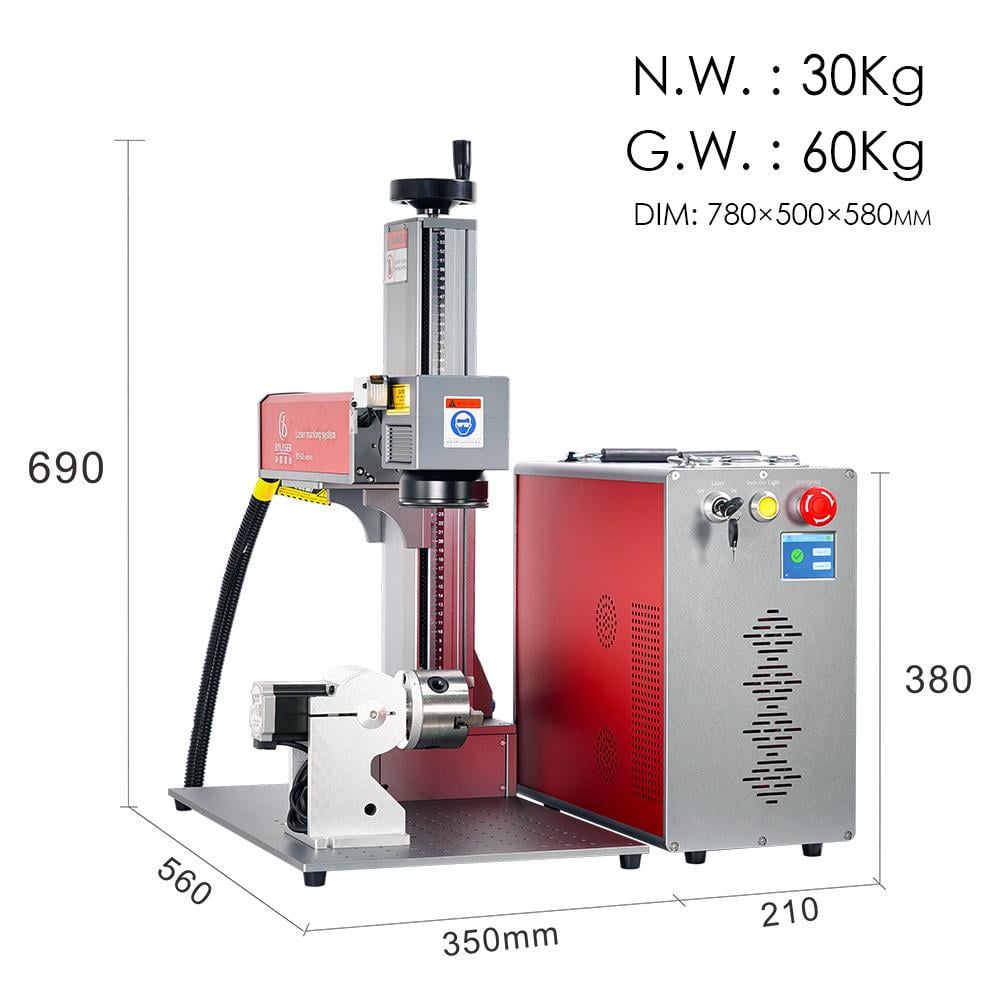
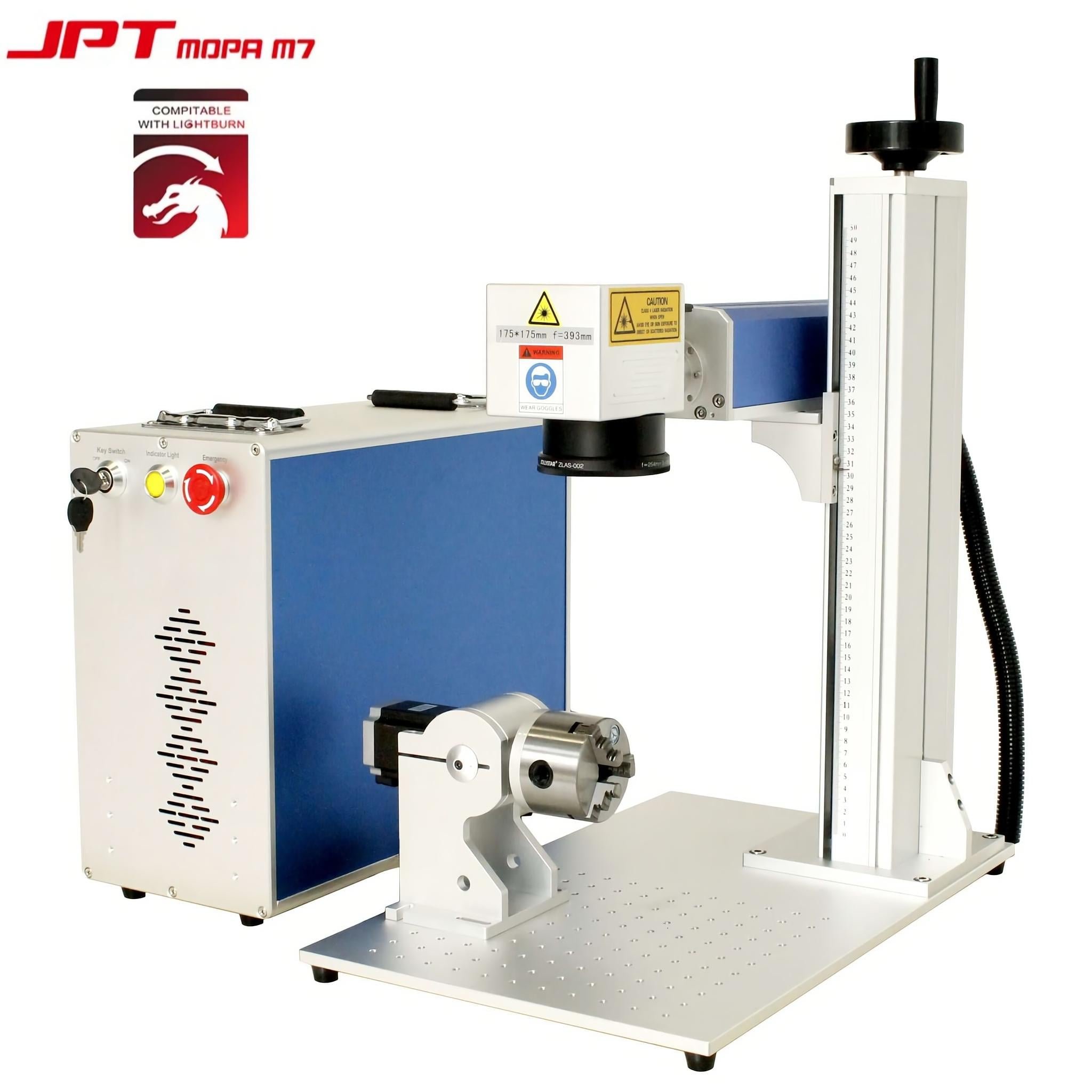
Expandability features might include additional marking heads, rotary attachment compatibility, or integration with automation systems as business volumes grow. The ability to add capabilities incrementally reduces financial risk while supporting business development. Manufacturer stability and continued product development ensure ongoing support and advancement opportunities throughout the system lifecycle.
For most beginner applications, a 20-30 watt fiber laser provides excellent versatility and performance without excessive complexity or cost. This power range handles common materials like stainless steel, aluminum, and plastics effectively while maintaining reasonable operating costs. Higher power options around 30-50 watts offer increased speed and deeper marking capabilities but require more careful parameter management and may have higher operating costs.
Basic operational competency typically requires 2-3 days of focused training, while developing expertise with various materials and applications may take several weeks of practice. Quality beginner systems include intuitive software and comprehensive documentation that accelerate the learning process. Most users achieve acceptable productivity within the first week while continuing to refine techniques and expand application knowledge over time.
Modern beginner laser marking machines with Class 1 safety ratings require minimal additional safety precautions beyond basic operational awareness. Fully enclosed systems with proper interlocks eliminate most laser exposure risks. Basic safety practices include ensuring proper ventilation for fume extraction, maintaining clean work areas, and following manufacturer guidelines for material handling and system maintenance.
Yes, quality beginner laser marking machines easily handle typical small business production volumes ranging from dozens to hundreds of parts per day. Modern systems achieve marking speeds of 1000-7000 mm/s depending on application requirements, providing sufficient throughput for most startup and small business operations. The key is matching system capabilities to actual production requirements rather than overbuying capacity that may never be utilized.