×
×
Modern industrial operations constantly seek cleaning technologies that deliver precision, efficiency, and environmental compliance. Traditional abrasive methods, chemical solvents, and manual cleaning processes often fall short when dealing with complex surface contamination, delicate substrates, or stringent environmental regulations. This reality has prompted manufacturing leaders across diverse sectors to evaluate advanced cleaning solutions that can meet evolving operational demands.
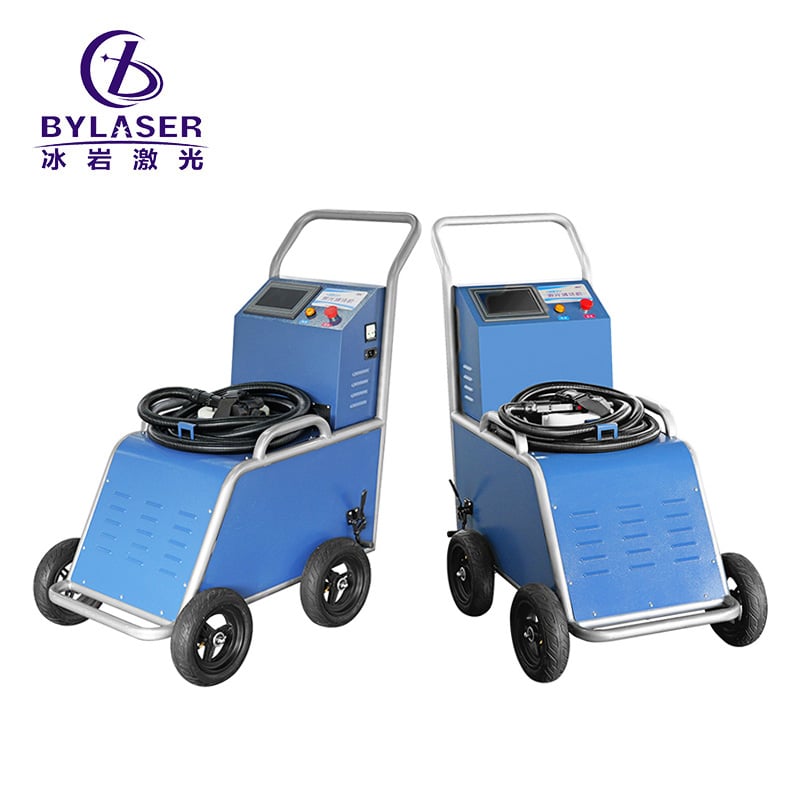
Laser cleaning machines represent a breakthrough technology that addresses these industrial cleaning challenges through precise photon energy delivery. These systems remove contaminants, coatings, and surface impurities without physical contact, chemical usage, or substrate damage. Understanding which industries derive maximum value from laser cleaning technology requires analyzing specific operational requirements, contamination types, and economic factors that drive adoption decisions across different manufacturing sectors.
Steel production facilities experience significant benefits from laser cleaning machines due to the constant battle against rust, oxidation, and scale formation on metal surfaces. Traditional blast cleaning methods generate substantial waste streams and require extensive containment systems, while laser cleaning machines eliminate these environmental burdens. The precision of laser systems allows steel manufacturers to remove specific contamination layers without affecting underlying metal integrity, preserving dimensional tolerances critical for high-quality steel products.
Metal fabrication operations particularly value the selective cleaning capabilities of laser cleaning machines when preparing surfaces for welding, coating, or assembly processes. These systems can clean complex geometries, tight corners, and intricate patterns that conventional methods struggle to reach effectively. The ability to program laser parameters for different contamination types enables fabrication facilities to standardize cleaning procedures across diverse product lines while maintaining consistent surface preparation quality.
Aerospace manufacturing demands exceptional surface cleanliness standards that laser cleaning machines readily satisfy through contamination-free processing. Critical aircraft components require removal of manufacturing residues, thermal barrier coatings, and service-induced contamination without introducing new contaminants or surface stress concentrations. Laser cleaning machines excel in these applications by providing precise energy control that removes target materials while preserving substrate microstructure and mechanical properties essential for flight safety.
The aerospace industry particularly benefits from the non-contact nature of laser cleaning machines when processing delicate components with tight dimensional tolerances. Engine parts, structural elements, and avionics housings require cleaning methods that avoid mechanical stress or chemical exposure that could compromise performance characteristics. Laser systems deliver this gentle yet effective cleaning action while meeting strict documentation and traceability requirements mandated by aerospace quality standards.
Automotive manufacturing facilities gain substantial operational advantages from laser cleaning machines during pre-paint surface preparation and assembly line cleaning operations. Vehicle body panels, engine components, and chassis elements require thorough contamination removal before coating application, and laser cleaning machines achieve this without generating hazardous waste or requiring ventilation systems needed for chemical cleaning methods. The speed and consistency of laser cleaning enable automotive manufacturers to maintain production line efficiency while improving coating adhesion and durability.
Quality control benefits emerge when automotive facilities use laser cleaning machines for removing welding spatter, grinding marks, and handling contamination from critical components. These systems provide repeatable cleaning results that support statistical process control initiatives and reduce defect rates in downstream operations. The precision of laser cleaning machines allows automotive manufacturers to clean specific areas without affecting nearby surfaces, enabling selective treatment of complex assemblies without disassembly requirements.
Automotive restoration businesses and fleet maintenance operations find laser cleaning machines particularly valuable for removing paint, rust, and corrosion from vintage vehicles and commercial equipment. Traditional chemical stripping methods pose health and environmental risks while often damaging underlying metal surfaces through aggressive chemical action. Laser cleaning machines eliminate these concerns by providing controlled material removal that preserves original surface textures and dimensional characteristics essential for authentic restoration work.
Fleet maintenance operations benefit from the portability and versatility of modern laser cleaning machines when addressing corrosion issues on trucks, buses, and heavy equipment. These systems enable in-field cleaning operations without requiring vehicle disassembly or transportation to specialized facilities. The ability to remove specific corrosion products while leaving protective coatings intact extends equipment service life and reduces maintenance costs across large vehicle fleets.
Nuclear power facilities represent one of the most demanding applications for laser cleaning machines due to radioactive contamination challenges and strict safety protocols. These systems enable decontamination of reactor components, piping systems, and containment structures without generating radioactive waste streams associated with abrasive cleaning methods. Laser cleaning machines reduce radiation exposure for maintenance personnel by enabling remote operation capabilities and minimizing cleanup time in contaminated areas.
The precision control offered by laser cleaning machines proves essential when removing radioactive contamination from valuable reactor components that require continued service. These systems can remove contaminated surface layers while preserving underlying material properties critical for nuclear safety systems. The ability to document cleaning parameters and results supports regulatory compliance requirements while providing traceable records for component lifecycle management in nuclear facilities.
Renewable energy installations benefit significantly from laser cleaning machines when addressing environmental contamination that reduces energy generation efficiency. Wind turbine blades accumulate ice, biological growth, and atmospheric deposits that affect aerodynamic performance, while solar panels suffer efficiency losses from dust, bird droppings, and industrial pollution. Laser cleaning machines provide effective contamination removal without water usage or chemical application that could harm sensitive photovoltaic materials or turbine blade coatings.
Offshore wind installations particularly value the corrosion removal capabilities of laser cleaning machines when addressing saltwater-induced deterioration of support structures and mechanical components. These systems enable targeted corrosion treatment without requiring complete component removal or replacement, extending service life and reducing maintenance costs for installations in harsh marine environments. The portability of modern laser cleaning machines supports field maintenance operations in remote locations where traditional cleaning infrastructure is unavailable.
Cultural heritage preservation organizations gain unique advantages from laser cleaning machines when restoring historic buildings, monuments, and archaeological artifacts. Traditional cleaning methods often damage delicate stone surfaces, metal decorations, or painted elements through excessive mechanical force or chemical reactions. Laser cleaning machines provide gentle material removal that preserves original surface textures, tool marks, and artistic details essential for maintaining historical authenticity and cultural value.
The selective cleaning capabilities of laser cleaning machines prove particularly valuable when removing specific contamination types from complex heritage materials. These systems can remove soot, biological growth, and atmospheric pollution while preserving original patinas, paint layers, or surface treatments that contribute to historical significance. Professional conservators appreciate the precise control offered by laser cleaning machines when working with irreplaceable cultural artifacts that demand gentle yet effective cleaning approaches.
Museum conservation departments utilize laser cleaning machines for treating metal artifacts, sculpture elements, and archaeological finds that require contamination removal without substrate alteration. These systems enable conservators to remove corrosion products, handling residues, and environmental deposits while maintaining the integrity of original materials and surface characteristics. The non-contact nature of laser cleaning eliminates mechanical stress that could damage fragile or aged materials in museum collections.
Research applications benefit from the precision documentation capabilities possible with laser cleaning machines when conducting conservation treatments for scientific study. These systems provide repeatable cleaning parameters that support research reproducibility while enabling controlled material removal for analytical sampling or surface characterization studies. The ability to archive cleaning protocols ensures that future conservation treatments can build upon previous work while maintaining consistent quality standards across museum collections.
Industries with high-value components, strict cleanliness requirements, environmental restrictions, or complex geometries typically gain the most from laser cleaning machines. Facilities that previously relied on hazardous chemicals, generated significant waste streams, or struggled with access limitations find laser technology particularly beneficial. The economic justification becomes stronger when traditional cleaning methods require extensive safety equipment, waste disposal costs, or frequent component replacement due to cleaning damage.
Laser cleaning machines eliminate consumable costs associated with abrasive media, chemical solvents, or replacement brushes while providing superior precision and consistency. These systems reduce labor requirements through automated operation capabilities and eliminate waste disposal expenses common with conventional cleaning methods. The ability to clean without substrate damage extends component service life and reduces replacement costs, particularly important for expensive industrial equipment and precision components.
Key evaluation factors include contamination types and thickness, substrate materials and geometries, production volume requirements, and existing facility infrastructure. Industries should assess current cleaning costs including labor, consumables, waste disposal, and downtime expenses to establish baseline economics for laser cleaning machine comparison. Environmental compliance costs, safety equipment requirements, and operator training needs also influence the total cost of ownership calculations for different cleaning technologies.
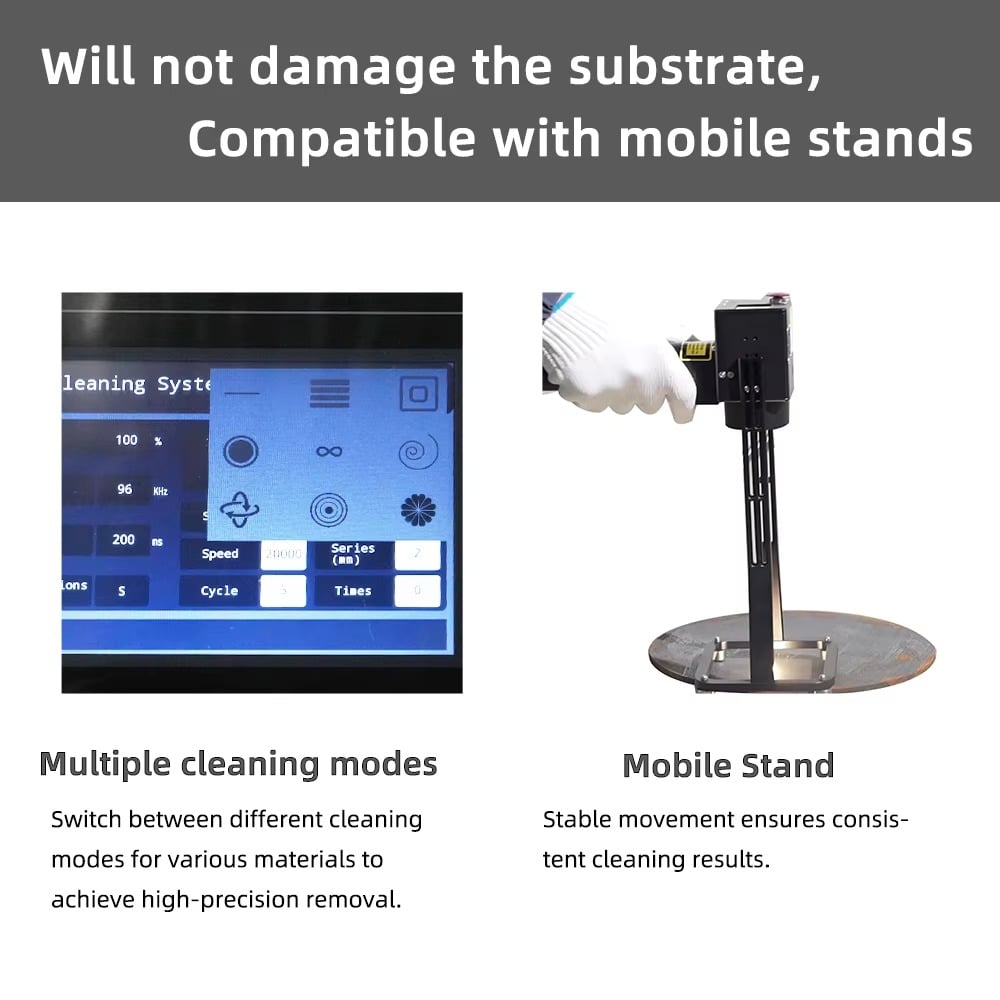
Modern laser cleaning machines offer programmable parameter control that enables effective treatment of various contamination types including rust, paint, oils, oxides, and biological deposits. These systems can store cleaning protocols for different applications and automatically adjust laser power, pulse duration, and scanning patterns based on contamination characteristics. This versatility allows facilities to consolidate cleaning operations around a single technology platform while maintaining optimal results across diverse cleaning requirements.