×
×
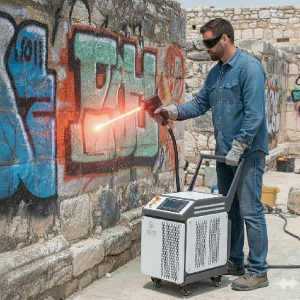
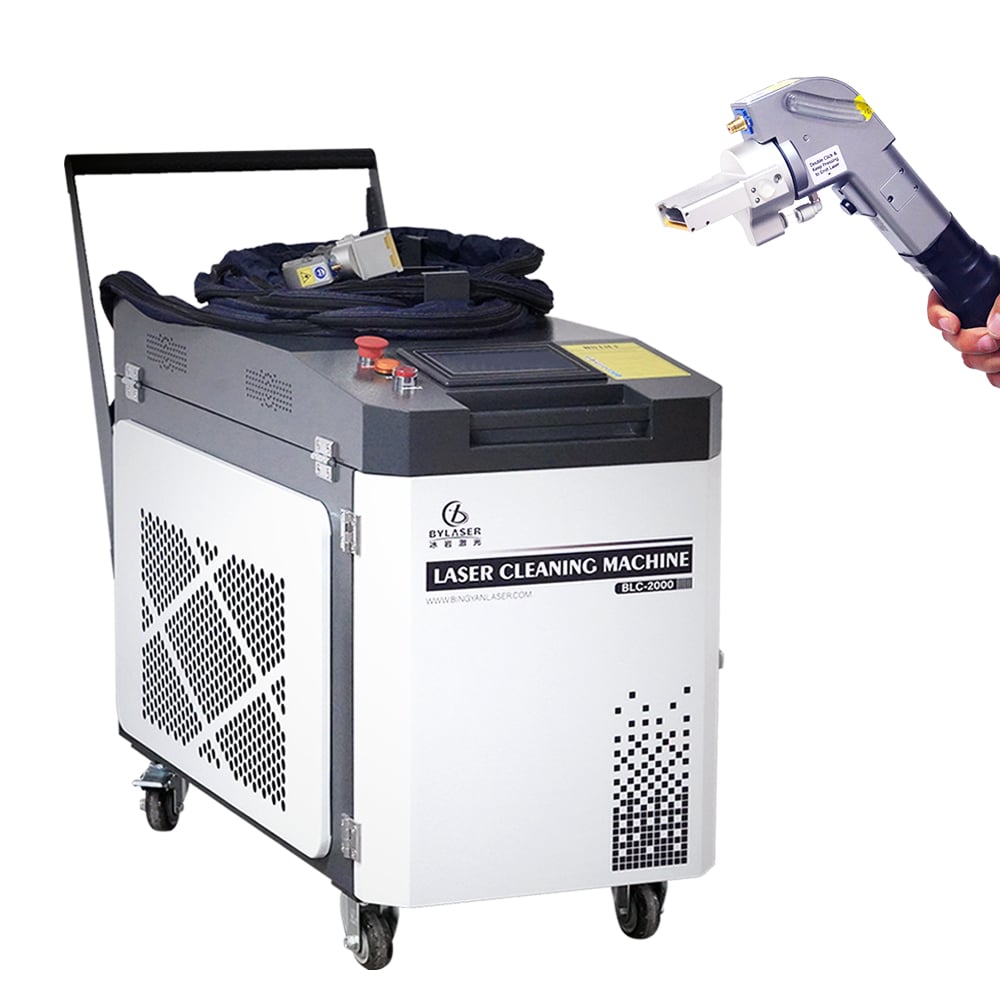
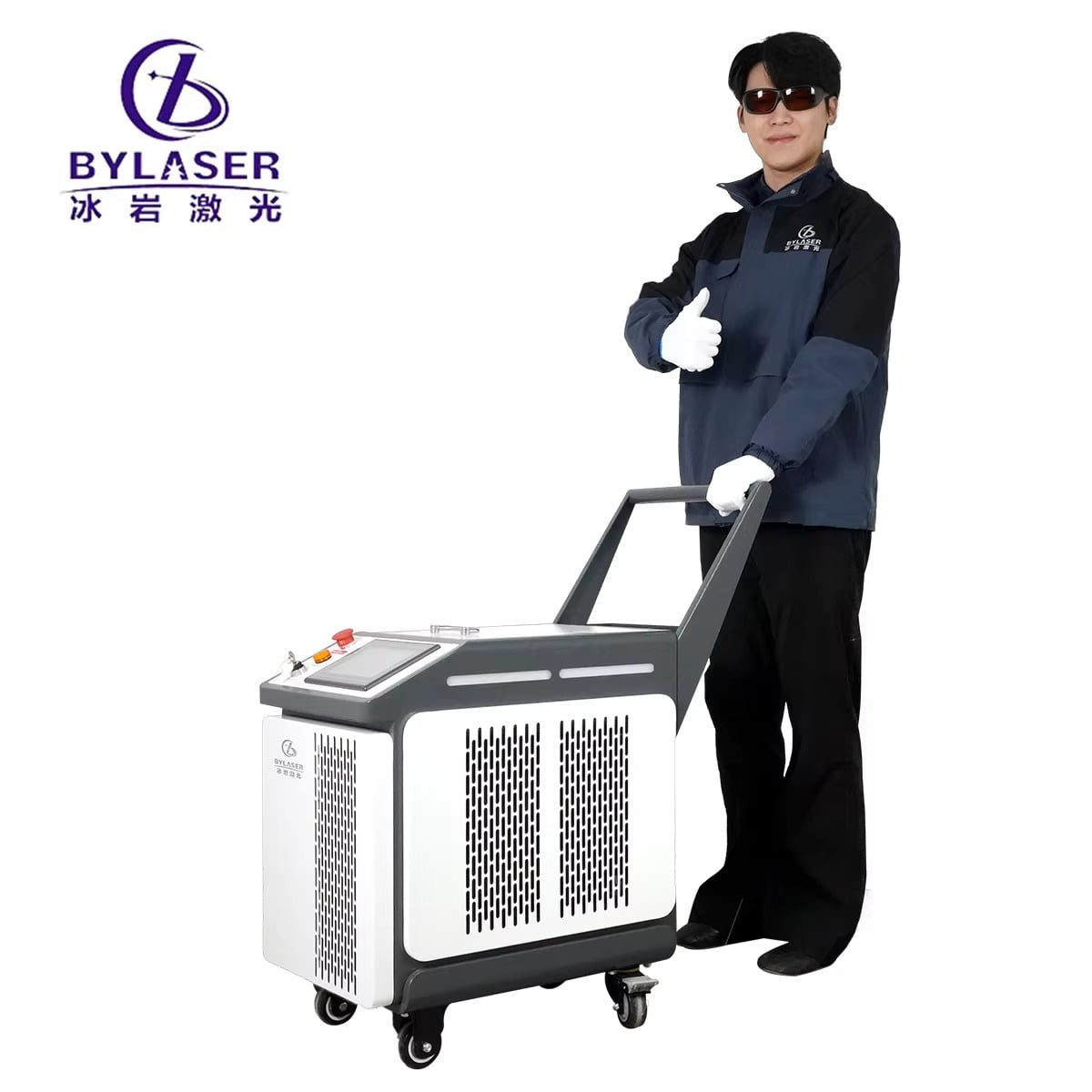
Manufacturing operations constantly seek innovative solutions to enhance productivity while reducing costs and environmental impact. Traditional cleaning methods in manufacturing often involve chemical solvents, abrasive techniques, or manual labor that can be time-consuming, expensive, and potentially harmful to both workers and the environment. A laser cleaning machine represents a revolutionary approach to surface preparation and maintenance that addresses these challenges through precision technology.
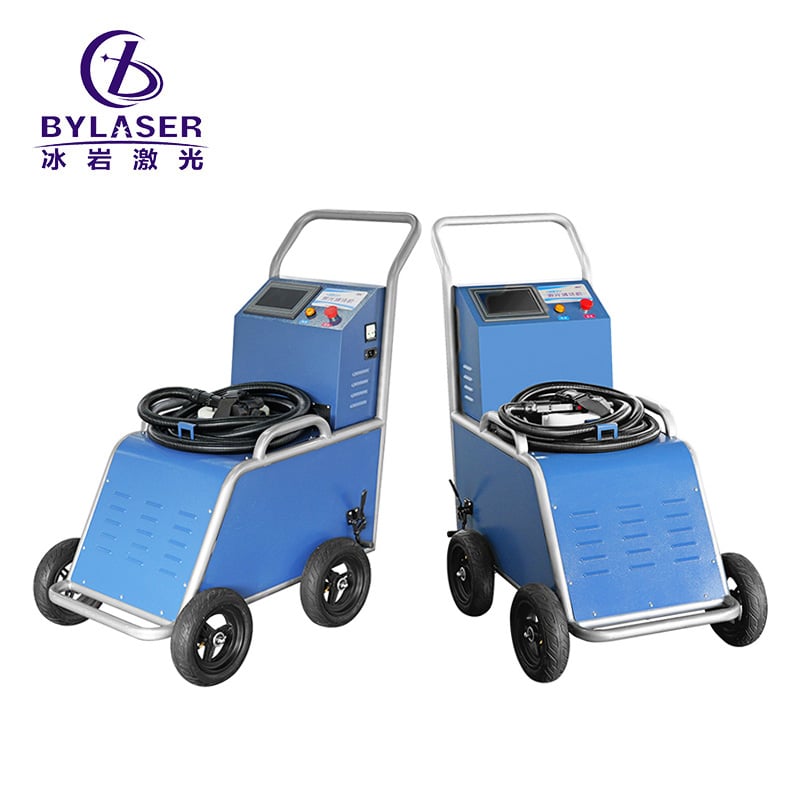
The integration of laser cleaning technology in manufacturing environments transforms how companies approach surface cleaning, rust removal, paint stripping, and contamination elimination. By harnessing focused laser energy, these systems deliver unmatched precision and efficiency improvements across diverse manufacturing applications. Understanding how a laser cleaning machine enhances operational efficiency requires examining its impact on speed, quality, cost-effectiveness, and workplace safety throughout the manufacturing process.
A laser cleaning machine dramatically accelerates surface preparation tasks that traditionally require extensive manual labor or multi-step chemical processes. The laser system removes contaminants, rust, paint, and oxidation layers at speeds significantly faster than conventional methods. Manufacturing facilities report cleaning rates that are often three to five times faster than traditional approaches, depending on the application and material type.
The speed advantage becomes particularly pronounced when dealing with complex geometries or intricate components where traditional cleaning methods struggle to reach all surfaces effectively. A laser cleaning machine can process irregular shapes, internal surfaces, and detailed features without requiring disassembly or extensive handling time. This capability reduces bottlenecks in production lines and enables manufacturers to maintain higher throughput rates.
Production scheduling benefits substantially from the predictable processing times that laser cleaning technology provides. Unlike chemical cleaning processes that may require variable exposure times based on contamination levels, a laser cleaning machine delivers consistent results with precise time requirements. This predictability allows manufacturing planners to optimize workflow scheduling and reduce idle time between operations.
Traditional cleaning methods often require significant drying time after chemical treatment or extensive curing periods for protective coatings applied post-cleaning. A laser cleaning machine eliminates these delays by providing an instantly ready surface that requires no additional preparation time. Components can move directly from laser cleaning to subsequent manufacturing processes without waiting periods.
The immediate processing capability of laser cleaning technology particularly benefits just-in-time manufacturing environments where inventory holding costs must be minimized. Parts can be cleaned on-demand as they progress through the production line, eliminating the need for pre-cleaning inventory storage or rush processing to accommodate drying schedules.
Manufacturing quality standards demand precise control over surface preparation processes to ensure consistent final product characteristics. A laser cleaning machine provides unmatched selectivity in removing unwanted materials while preserving the underlying substrate integrity. This precision prevents over-processing that can occur with abrasive methods or chemical treatments that may affect base material properties.
The controlled energy delivery of laser cleaning technology allows operators to adjust parameters for different contamination types and substrate materials within the same production run. This flexibility ensures optimal cleaning results across diverse component types without requiring equipment changes or setup modifications. Manufacturing facilities can process various materials and contamination levels using a single laser cleaning machine with appropriate parameter adjustments.
Quality consistency improves dramatically when laser cleaning replaces manual preparation methods that depend on operator skill and experience. The automated nature of laser cleaning eliminates human variability in cleaning pressure, coverage patterns, and processing time. This consistency translates directly into more reliable downstream processes such as welding, coating application, or adhesive bonding.
The non-contact nature of laser cleaning technology prevents mechanical stress or deformation that can occur with abrasive cleaning methods. Delicate components, precision machined surfaces, and thin-walled parts can be cleaned without risk of dimensional changes or surface damage. This capability expands the range of components that can undergo thorough cleaning within manufacturing tolerance specifications.
Heat-affected zones remain minimal with properly configured laser cleaning systems, preserving the metallurgical properties of treated components. Manufacturing operations that require strict material property control benefit from the precise thermal management capabilities of modern laser cleaning machines. The ability to maintain substrate characteristics while achieving superior surface cleanliness supports demanding quality requirements in aerospace, medical device, and automotive manufacturing sectors.
Traditional manufacturing cleaning processes typically require ongoing purchases of chemical solvents, abrasive media, cleaning agents, and disposal services for contaminated materials. A laser cleaning machine operates without consumable materials, using only electrical power to generate the cleaning laser beam. This fundamental difference eliminates recurring material costs and reduces overall operational expenses over the equipment lifecycle.
The cost savings from eliminated consumables become particularly significant in high-volume manufacturing environments where cleaning operations run continuously. Manufacturing facilities often recover their laser cleaning machine investment within 12 to 24 months through reduced consumable expenses alone. Additional savings from improved efficiency and reduced labor requirements accelerate the return on investment timeline.
Waste disposal costs decrease substantially when laser cleaning technology replaces chemical-based processes. Manufacturing operations no longer need specialized disposal services for contaminated solvents, used abrasive media, or chemical waste products. Environmental compliance costs also reduce as facilities eliminate or minimize hazardous material handling and storage requirements.
Labor efficiency improves significantly when a laser cleaning machine replaces manual cleaning processes or labor-intensive preparation methods. Automated laser systems can operate with minimal supervision, freeing skilled workers for higher-value manufacturing tasks. The technology reduces the physical demands on workers while eliminating exposure to potentially harmful chemicals or dust-generating abrasive processes.
Training requirements for laser cleaning operation are typically less extensive than those needed for complex chemical processes or specialized abrasive techniques. Operators can achieve proficiency more quickly, reducing training costs and improving workforce flexibility. The intuitive control systems of modern laser cleaning machines enable efficient operation without extensive technical backgrounds.
Manufacturing safety improvements represent one of the most significant advantages of implementing laser cleaning technology. A laser cleaning machine eliminates worker exposure to toxic solvents, corrosive chemicals, and hazardous vapor emissions commonly associated with traditional cleaning processes. This reduction in chemical hazards decreases insurance costs, regulatory compliance burdens, and potential liability exposure for manufacturing operations.
Respiratory protection requirements diminish substantially when laser cleaning replaces processes that generate harmful dust or chemical vapors. Workers can operate in more comfortable conditions without extensive personal protective equipment, improving productivity and job satisfaction. The enclosed nature of many laser cleaning systems further reduces environmental exposure risks within manufacturing facilities.
Emergency response procedures simplify when hazardous chemical storage and handling requirements are eliminated. Manufacturing facilities reduce their classification as hazardous material users, potentially lowering regulatory oversight requirements and associated compliance costs. The improved safety profile of laser cleaning technology supports corporate sustainability goals while reducing operational risk exposure.
Environmental regulations increasingly restrict the use of volatile organic compounds and hazardous chemicals in manufacturing processes. A laser cleaning machine provides a compliant alternative that eliminates many regulated substances while maintaining or improving cleaning effectiveness. This regulatory advantage positions manufacturing facilities ahead of potential future restrictions on traditional cleaning methods.
Air quality management becomes simpler when laser cleaning technology replaces processes that generate airborne contaminants. Manufacturing facilities can reduce or eliminate expensive air filtration systems required for chemical vapor control. The minimal atmospheric emissions from laser cleaning operations support improved indoor air quality and reduced environmental impact.
Modern manufacturing environments increasingly rely on automated production systems and integrated workflow management. A laser cleaning machine integrates seamlessly with robotic handling systems, conveyor lines, and automated quality control equipment. This integration capability enables lights-out operation and reduces the need for manual intervention in cleaning processes.
Communication protocols in contemporary laser cleaning systems support integration with manufacturing execution systems and enterprise resource planning platforms. Real-time monitoring capabilities provide production managers with detailed process data, quality metrics, and maintenance scheduling information. This data integration supports advanced manufacturing analytics and continuous improvement initiatives.
Flexible mounting options and compact system designs enable laser cleaning machine installation in existing production lines without extensive facility modifications. The technology adapts to various manufacturing layouts and can be repositioned as production requirements change. This flexibility supports lean manufacturing principles and enables rapid response to changing product specifications.
Advanced laser cleaning systems incorporate real-time monitoring capabilities that track cleaning effectiveness, process parameters, and quality metrics throughout operation. These monitoring systems can detect variations in contamination levels, adjust processing parameters automatically, and alert operators to potential quality issues before they affect downstream processes.
Documentation and traceability requirements in regulated manufacturing environments benefit from the detailed process records that laser cleaning technology can provide. Every component processed through a laser cleaning machine can have associated cleaning parameters, quality measurements, and process verification data stored for compliance audits and quality investigations.
A laser cleaning machine effectively removes rust, oxidation, paint, oil residues, adhesive remnants, carbon deposits, and various organic and inorganic contaminants from metal surfaces. The technology works on steel, aluminum, stainless steel, and many other manufacturing materials without damaging the underlying substrate.
Laser cleaning typically processes surfaces 3-5 times faster than traditional chemical or abrasive methods, depending on the application. The technology eliminates drying times and preparation steps required by conventional methods, further improving overall throughput in manufacturing operations.
Laser cleaning machines require minimal maintenance compared to traditional cleaning equipment. Regular maintenance includes lens cleaning, filter replacement, and periodic calibration checks. Most systems operate thousands of hours between major maintenance intervals, reducing downtime and maintenance costs.
Yes, laser cleaning machines are designed for easy integration into existing manufacturing systems. They can be mounted on robotic arms, integrated with conveyor systems, and connected to manufacturing control networks. The compact design and flexible configuration options support installation in most production environments without significant modifications.