×
×
Manufacturing industries worldwide are experiencing a revolutionary transformation in metal marking and engraving processes. Traditional engraving methods, while effective for many applications, often fall short when precision, speed, and cost-effectiveness become paramount concerns. The emergence of advanced fiber laser technology has fundamentally changed how manufacturers approach metal part identification, branding, and decorative engraving. This technological advancement represents more than just an upgrade from conventional methods; it signifies a complete paradigm shift toward automation, precision, and sustainable manufacturing practices that modern industries demand.
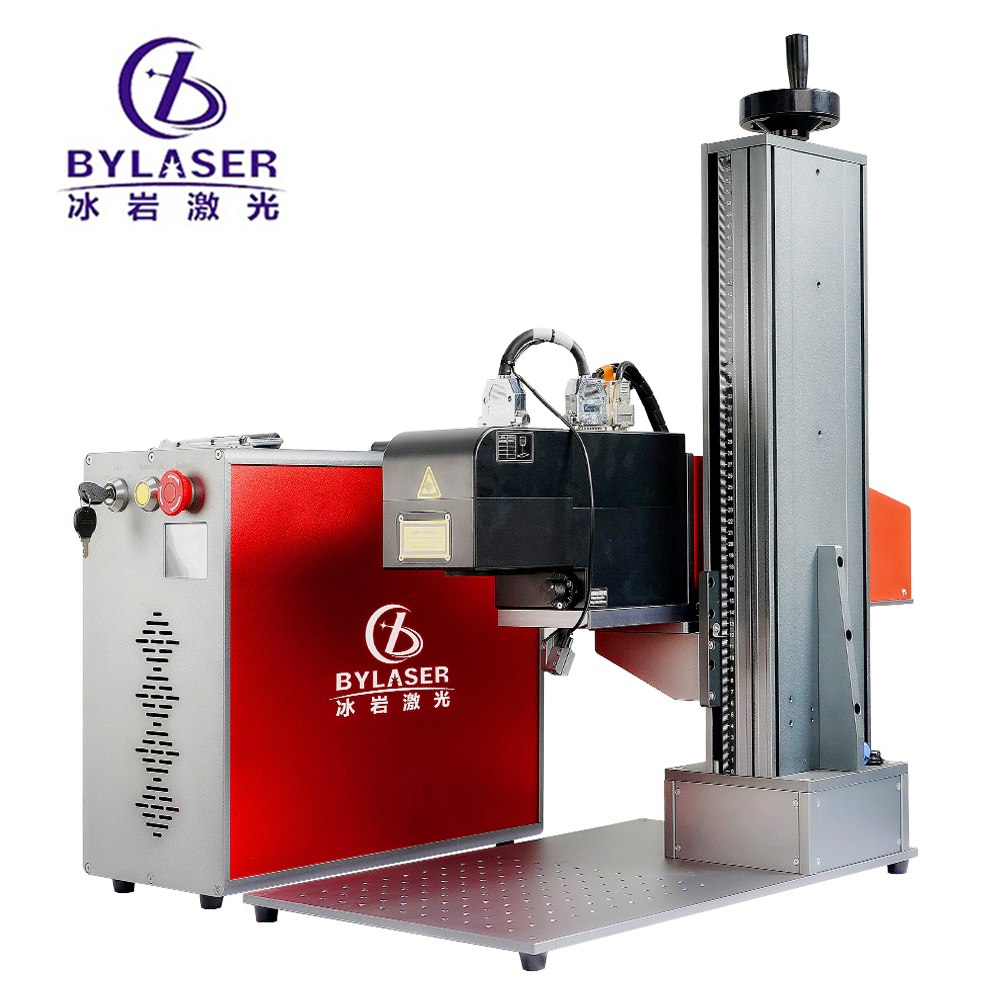
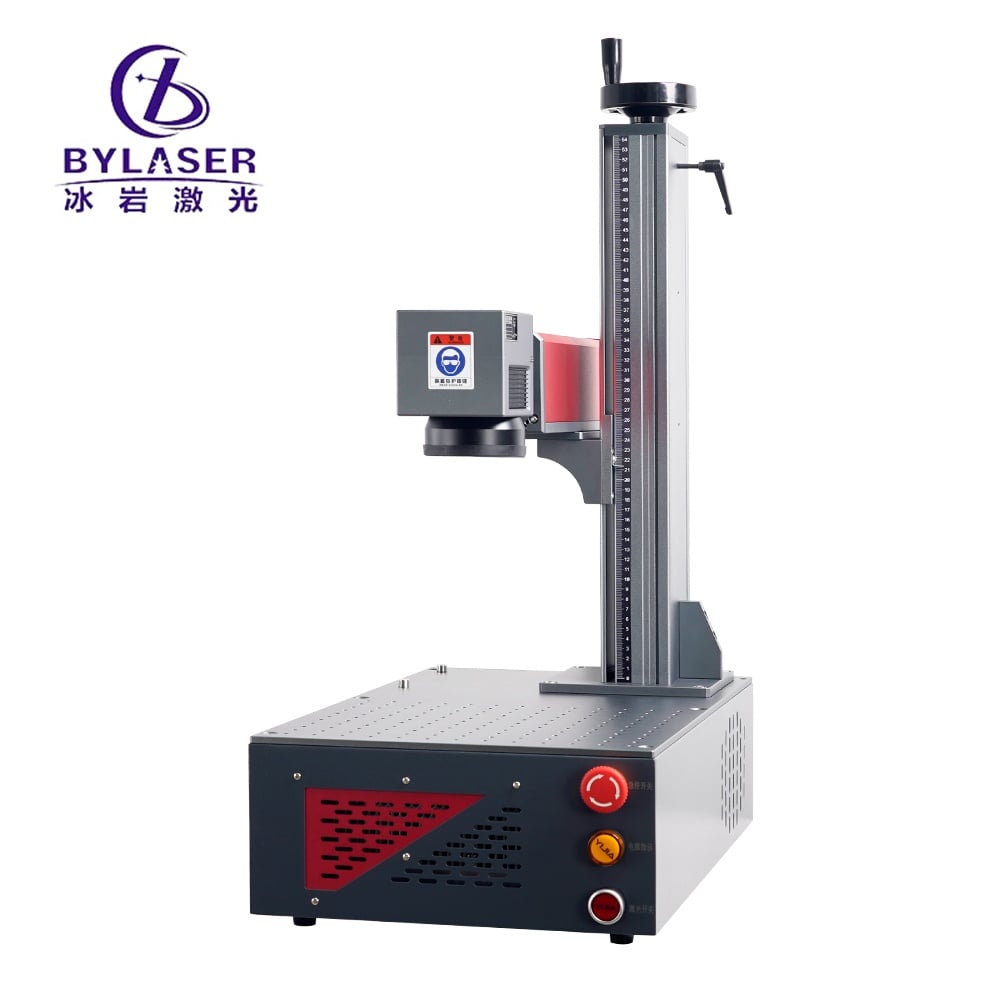
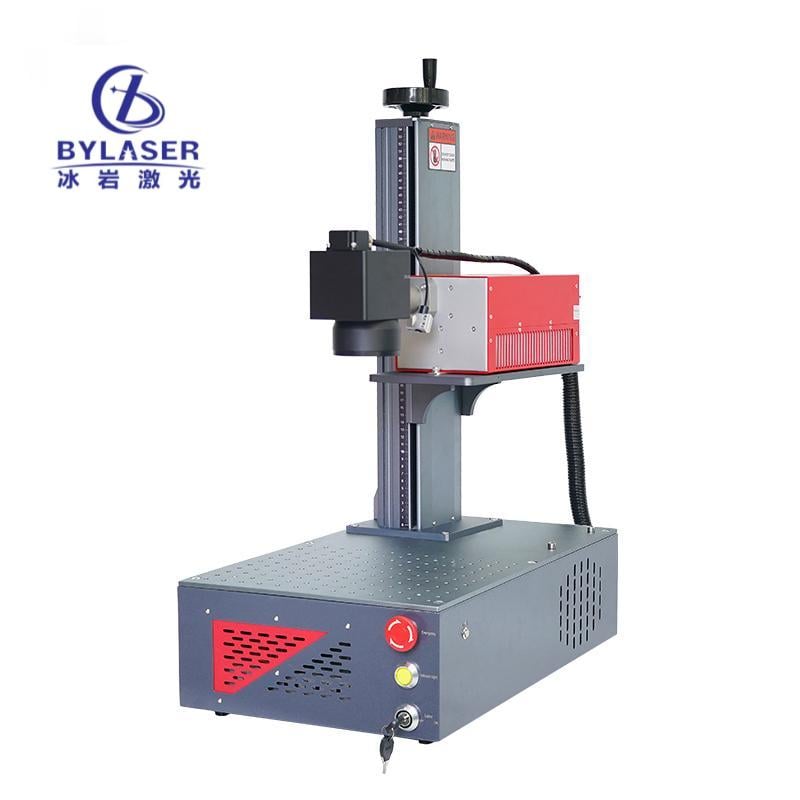
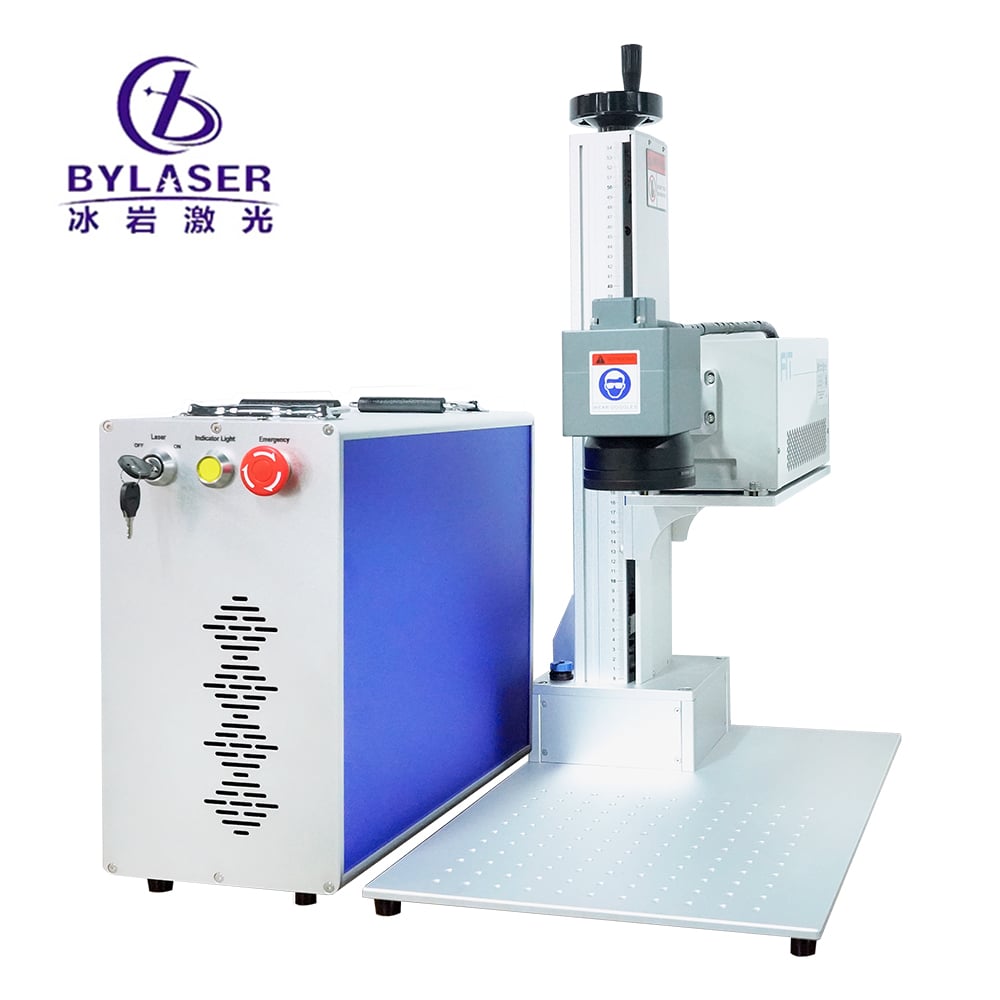
The precision capabilities of a fiber laser engraving machine surpass traditional mechanical engraving methods by significant margins. These systems can achieve marking resolutions down to micrometers, enabling the creation of intricate patterns, detailed logos, and complex text that would be impossible with conventional tools. The laser beam diameter can be controlled with exceptional accuracy, allowing manufacturers to create marks as fine as human hair while maintaining consistent depth and clarity across the entire engraved surface.
This level of precision becomes particularly valuable in industries requiring detailed part identification, such as aerospace, medical devices, and electronics manufacturing. The ability to engrave serial numbers, barcodes, QR codes, and regulatory information with crystal-clear definition ensures compliance with strict industry standards while maintaining the aesthetic appeal of the finished product.
Manufacturing consistency represents a critical factor in modern production environments, and fiber laser engraving machine technology delivers unparalleled repeatability. Once programmed, these systems can reproduce identical engravings thousands of times without variation in depth, width, or clarity. This consistency eliminates the human error factor inherent in manual engraving processes and ensures that every part meets exact specifications regardless of production volume.
The digital nature of laser engraving allows for precise control over every aspect of the marking process, from power levels to scanning speeds. This control translates into predictable results that manufacturers can rely upon for quality assurance purposes. Whether producing ten units or ten thousand, each engraved mark will maintain identical characteristics, supporting lean manufacturing principles and reducing waste from rejected parts.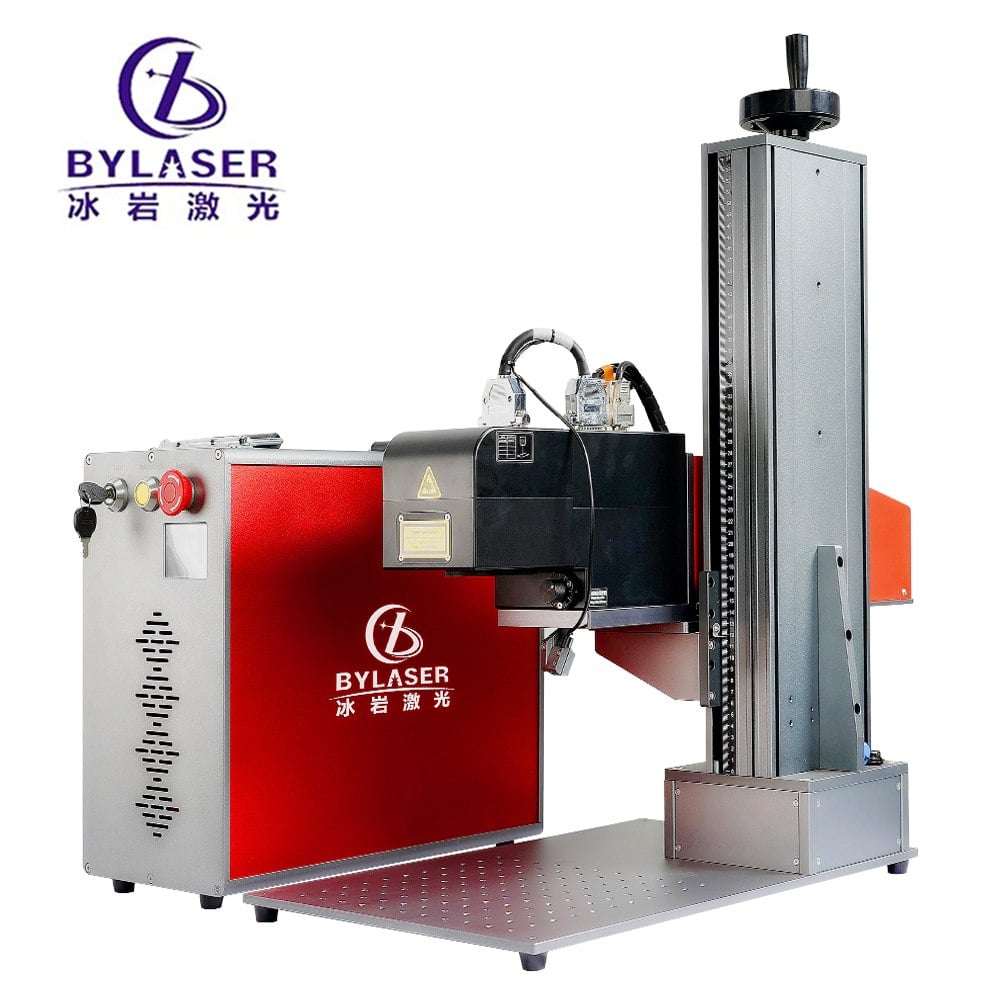
Modern fiber laser engraving machine systems operate at remarkable speeds that significantly outpace traditional engraving methods. These systems can complete complex engraving patterns in seconds rather than minutes, dramatically increasing throughput capacity for high-volume production environments. The non-contact nature of laser engraving eliminates the need for time-consuming setup procedures typically required with mechanical engraving tools.
The speed advantages become particularly pronounced when engraving multiple parts simultaneously. Advanced systems can process several components in parallel, further multiplying productivity gains. This capability proves invaluable for manufacturers facing tight delivery schedules or seasonal demand fluctuations that require rapid scaling of production output.
Integration with automated production lines represents another significant efficiency advantage of fiber laser engraving technology. These systems can be seamlessly incorporated into robotic manufacturing cells, conveyor systems, and other automated equipment to create fully integrated marking solutions. The digital control interface allows for real-time communication with manufacturing execution systems, enabling dynamic engraving content based on production requirements.
Automated fiber laser engraving machine installations can operate continuously with minimal human intervention, supporting lights-out manufacturing operations. This automation capability reduces labor costs while increasing overall equipment effectiveness, making it an attractive investment for manufacturers seeking to optimize their production processes and remain competitive in global markets.
The versatility of a fiber laser engraving machine extends across virtually all metal types commonly used in manufacturing applications. From stainless steel and aluminum to titanium, brass, copper, and specialized alloys, these systems can effectively engrave without requiring material-specific tooling changes. This universal compatibility eliminates the need for multiple engraving systems dedicated to different materials, reducing equipment costs and simplifying production workflows.
Each metal type responds differently to laser energy, and modern systems include sophisticated parameter databases that automatically adjust power, speed, and pulse settings based on material specifications. This intelligent adaptation ensures optimal engraving results regardless of the substrate material, maintaining consistent quality across diverse product lines and applications.
Beyond basic engraving capabilities, fiber laser systems offer multiple marking techniques to suit different application requirements. Surface etching creates shallow marks suitable for decorative applications or light identification needs, while deep engraving produces permanent marks that withstand harsh environmental conditions. Annealing techniques can create color changes in certain metals without removing material, providing aesthetic marking options for consumer products.
The ability to switch between marking techniques within the same production run adds tremendous flexibility to manufacturing operations. A single fiber laser engraving machine can handle diverse product requirements that would typically necessitate multiple specialized systems, maximizing return on investment while minimizing floor space requirements and equipment maintenance overhead.
The operational cost advantages of fiber laser engraving technology become apparent through multiple factors that contribute to overall economic benefits. Unlike traditional engraving methods that require consumable cutting tools, replacement bits, and regular maintenance of mechanical components, laser systems operate without physical contact between the tool and workpiece. This eliminates ongoing costs associated with tool replacement, resharpening, and mechanical wear compensation.
Energy consumption represents another area where fiber laser engraving machine technology demonstrates superior efficiency. These systems convert electrical energy to laser light with remarkable efficiency, typically achieving conversion rates exceeding 25 percent compared to older laser technologies operating below 10 percent efficiency. Lower energy consumption translates directly into reduced operational costs, particularly significant for high-volume production environments operating multiple shifts.
Maintenance requirements for fiber laser systems remain minimal compared to mechanical engraving equipment that requires regular calibration, lubrication, and component replacement. The solid-state nature of fiber laser technology eliminates many failure points common in traditional systems, resulting in higher uptime percentages and reduced maintenance costs. Routine maintenance typically involves simple cleaning procedures and periodic software updates rather than complex mechanical adjustments.
The reliability advantages extend beyond maintenance cost savings to include reduced downtime impacts on production schedules. Unexpected equipment failures can disrupt manufacturing operations and result in costly delays, but fiber laser engraving machine systems demonstrate exceptional reliability that manufacturers can depend upon for critical production deadlines and just-in-time manufacturing requirements.
Environmental sustainability has become increasingly important in modern manufacturing, and fiber laser engraving technology aligns with green manufacturing initiatives through its clean processing characteristics. Unlike chemical etching processes that generate hazardous waste streams requiring special handling and disposal, laser engraving produces minimal waste and does not require chemical consumables or generate toxic byproducts.
The precision of laser engraving also contributes to material conservation by eliminating the need for oversized safety margins typically required with less precise marking methods. This precision reduces raw material waste and supports sustainable manufacturing practices that minimize environmental impact while maintaining production efficiency and quality standards.
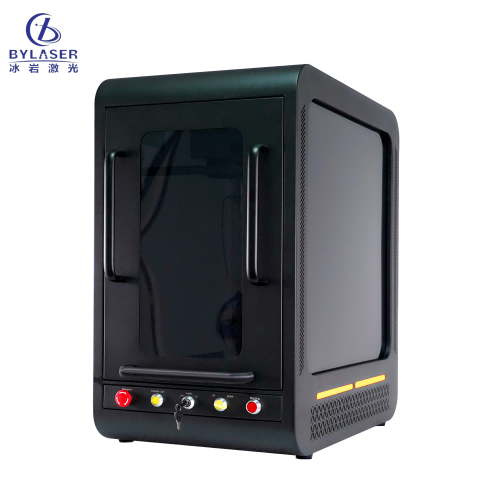
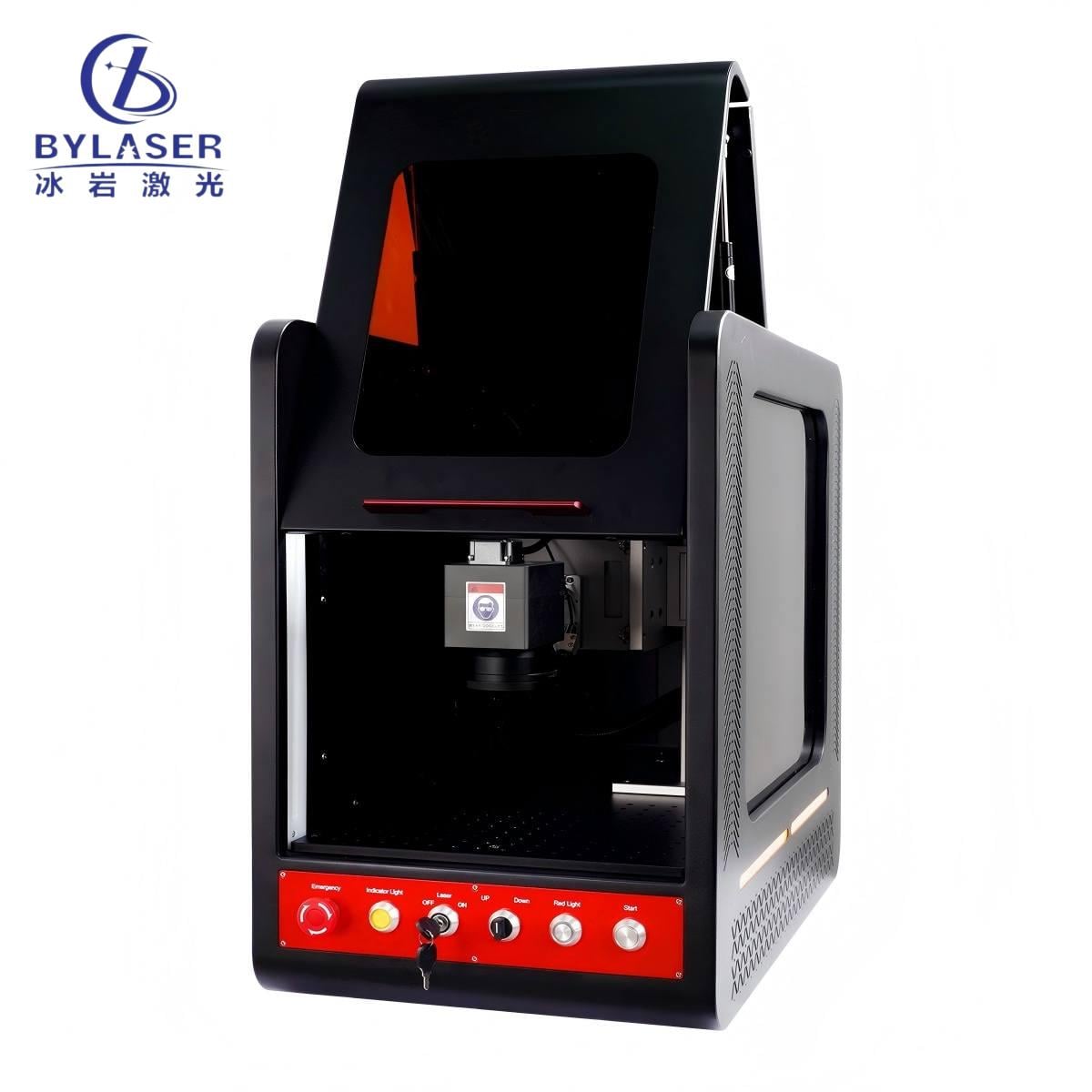
Safety advantages of fiber laser engraving machine technology include elimination of many hazards associated with traditional engraving methods. The enclosed nature of laser systems prevents operator exposure to moving mechanical components, flying debris, and sharp cutting tools. Additionally, the absence of chemical etchants eliminates risks associated with hazardous material handling, storage, and disposal procedures.
Modern laser systems incorporate comprehensive safety features including emergency stops, interlock systems, and protective enclosures that prevent accidental exposure to laser radiation. These safety measures create safer working environments while reducing liability concerns and workers' compensation costs associated with workplace injuries common in traditional manufacturing operations.
Industry 4.0 initiatives emphasize connected manufacturing systems, and fiber laser engraving machine technology readily supports these advanced connectivity requirements. Modern systems include Ethernet connectivity, industrial communication protocols, and cloud-based monitoring capabilities that enable real-time production tracking and remote diagnostics. This connectivity facilitates predictive maintenance scheduling and performance optimization based on actual usage data.
Integration with enterprise resource planning systems allows for dynamic engraving content management based on production orders, inventory levels, and customer specifications. This integration eliminates manual data entry errors while ensuring that engraved information remains current and accurate throughout the production process, supporting traceability requirements and quality management systems.
Investing in fiber laser engraving technology represents a future-proof approach to manufacturing capability development. The software-driven nature of these systems allows for ongoing capability enhancements through updates and upgrades without requiring hardware replacement. New engraving patterns, improved algorithms, and enhanced features can be deployed remotely, extending equipment lifespan and protecting initial investment values.
The scalability of fiber laser systems accommodates business growth and changing production requirements through modular expansion capabilities and flexible configuration options. Manufacturers can start with basic systems and add advanced features as business needs evolve, ensuring that their fiber laser engraving machine investment continues providing value throughout changing market conditions and technological developments.
Fiber laser systems demonstrate superior performance for metal engraving applications compared to CO2 laser technology. The wavelength characteristics of fiber lasers provide better absorption rates in metallic materials, resulting in more efficient energy transfer and deeper, cleaner engravings. Additionally, fiber laser engraving machine systems require less maintenance and consume significantly less energy than equivalent CO2 systems, making them more cost-effective for dedicated metal marking applications.
Routine maintenance for fiber laser systems primarily involves weekly cleaning of protective windows and monthly inspection of cooling systems and electrical connections. Unlike mechanical engraving equipment, fiber laser engraving machine technology requires minimal intervention, with most systems operating reliably for thousands of hours between major service intervals. Annual professional service inspections help ensure continued optimal performance and extend equipment lifespan.
Advanced fiber laser engraving machine systems equipped with dynamic focusing capabilities can effectively mark complex three-dimensional geometries without requiring fixture repositioning. These systems automatically adjust focus distance and beam angle to maintain consistent mark quality across curved surfaces, cylindrical parts, and other non-planar geometries. This capability eliminates the need for specialized fixtures while maintaining engraving quality standards across diverse part configurations.
Engraving speed in fiber laser engraving machine applications depends on several factors including material type, desired mark depth, complexity of the pattern, and required quality level. Stainless steel typically processes faster than harder alloys, while deeper engravings require slower speeds for optimal results. Modern systems optimize these parameters automatically based on material specifications and quality requirements, ensuring efficient processing while maintaining consistent results across production runs.