×
×
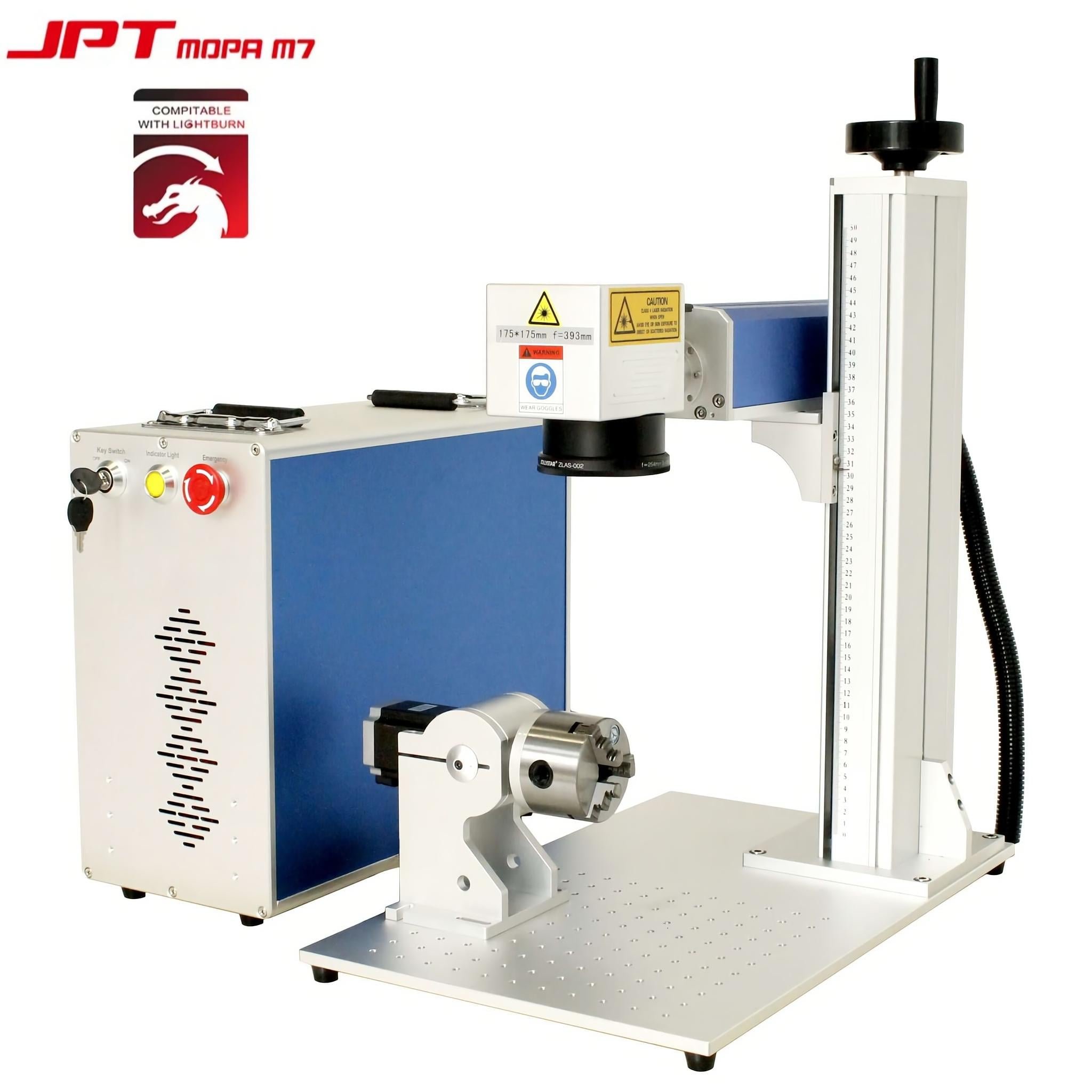
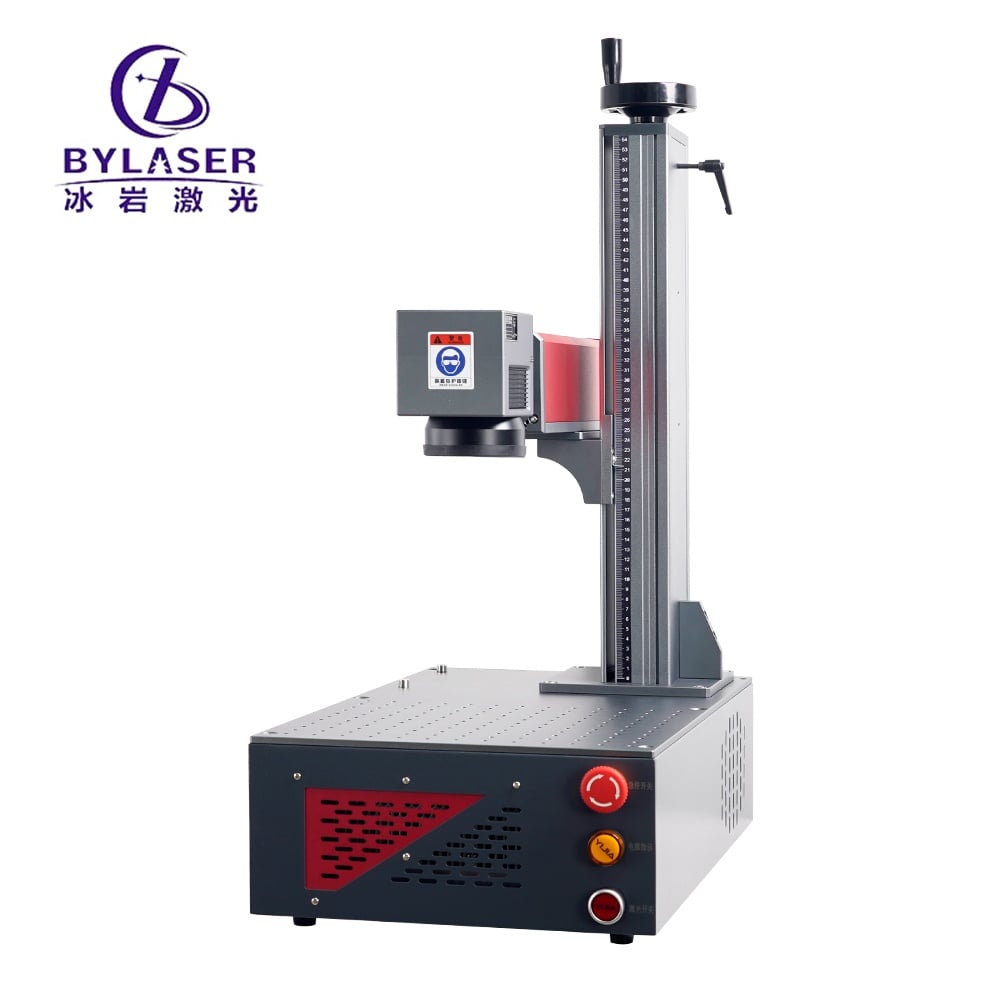
A fiber laser engraving machine represents a significant investment for any manufacturing operation, and proper maintenance is essential to ensure optimal performance throughout its operational lifespan. These sophisticated systems require systematic care to maintain precision, reliability, and cost-effectiveness in industrial applications. Understanding the fundamental maintenance requirements can help operators maximize their equipment's productivity while minimizing unexpected downtime and repair costs.
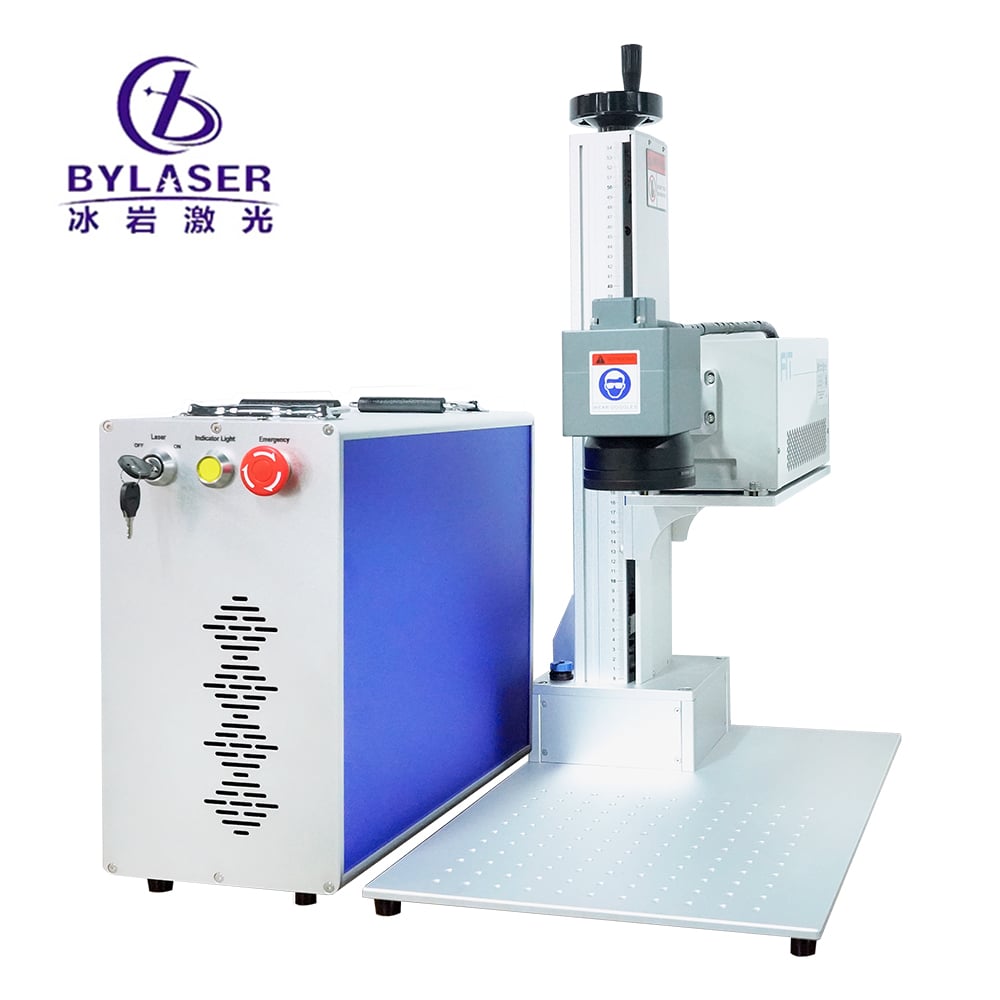
Regular maintenance extends far beyond simple cleaning procedures and encompasses comprehensive system diagnostics, component inspection, and preventive replacement schedules. Modern fiber laser systems incorporate advanced monitoring capabilities that provide valuable insights into operational parameters and potential maintenance needs. By implementing a structured maintenance approach, operators can achieve consistent engraving quality while extending equipment lifespan significantly.
The optical components of a fiber laser engraving machine require daily attention to maintain beam quality and engraving precision. Dust, debris, and processing residues can accumulate on protective windows, mirrors, and lenses, potentially degrading laser performance or causing permanent damage to expensive optical elements. Proper cleaning techniques involve using lint-free cloths, appropriate solvents, and gentle circular motions to avoid scratching delicate surfaces.
Operators should inspect the beam delivery system for any signs of contamination or physical damage before each production shift. Protective windows serve as the first line of defense against processing debris and should be replaced immediately if scratches or coating damage becomes apparent. Regular cleaning of these components ensures consistent beam transmission and prevents costly optical repairs.
The engraving workspace requires thorough cleaning to remove processing debris, which can interfere with material positioning and create fire hazards during laser operation. Effective ventilation systems are crucial for maintaining air quality and preventing the accumulation of harmful fumes generated during engraving processes. Daily inspection of exhaust systems ensures proper airflow and filter effectiveness.
Material handling surfaces should be cleaned and inspected for wear or damage that could affect workpiece positioning accuracy. Any debris or residue in the work area can potentially become airborne during laser processing, contaminating optical components or creating safety hazards. Maintaining a clean workspace also improves overall system reliability and operator safety.
The cooling system plays a critical role in maintaining stable laser output and preventing thermal damage to sensitive components. Weekly coolant level checks, temperature monitoring, and flow rate verification help identify potential issues before they cause system failures. Proper coolant quality is essential for heat transfer efficiency and corrosion prevention within the cooling circuit.
Coolant filters should be inspected and replaced according to manufacturer recommendations to prevent contamination that could reduce cooling efficiency or damage internal components. Temperature sensors and flow switches require periodic calibration to ensure accurate monitoring of cooling system performance. Any unusual temperature fluctuations or flow irregularities should be investigated immediately to prevent laser damage.
Weekly electrical system inspections help identify loose connections, worn cables, and potential safety hazards before they cause equipment failures or safety incidents. Power supply voltage stability, current consumption patterns, and ground integrity should be verified to ensure optimal fiber laser engraving machine performance. Thermal imaging can reveal hot spots that indicate developing electrical problems.
Control system diagnostics provide valuable information about system health and can identify software issues or hardware malfunctions that require attention. Regular backup of control parameters and engraving programs protects against data loss and ensures quick recovery from system failures. Emergency stop systems and safety interlocks should be tested weekly to verify proper operation.
Monthly mechanical inspections focus on moving components that experience wear during normal operation. Linear guides, ball screws, and bearing systems require lubrication and alignment checks to maintain positioning accuracy and prevent premature wear. Proper lubrication schedules are essential for smooth operation and extended component life.
Drive system components, including motors, encoders, and transmission elements, should be inspected for signs of wear or misalignment that could affect engraving quality. Vibration analysis can detect bearing problems or mechanical imbalances before they cause catastrophic failures. Regular tension adjustments and belt replacements help maintain consistent motion control performance.
The laser source represents the heart of any fiber laser engraving machine and requires careful monitoring to ensure optimal performance throughout its operational life. Monthly power output measurements, beam quality assessments, and efficiency calculations help track laser degradation and predict maintenance needs. Proper documentation of performance trends enables proactive maintenance scheduling.
Laser diode current and temperature monitoring provide insights into source health and can indicate developing problems before they cause failures. Fiber connector inspections help identify contamination or physical damage that could affect beam delivery efficiency. Regular cleaning and inspection of fiber connections ensure reliable power transmission and prevent costly laser damage.
Quarterly calibration procedures ensure that all fiber laser engraving machine systems maintain their specified accuracy and performance levels. Positioning system calibration, laser power verification, and beam alignment checks help maintain engraving quality and consistency. Professional calibration equipment may be required for precise measurements and adjustments.
Software parameters and control algorithms may require updates or adjustments based on accumulated usage patterns and component wear. Backup and restoration procedures should be tested to ensure system recovery capabilities. Documentation of calibration results provides valuable historical data for predictive maintenance planning.
Environmental control systems, including air conditioning, humidity control, and air filtration, require quarterly inspection and maintenance to ensure optimal operating conditions. Temperature and humidity fluctuations can affect laser performance and material processing quality. Filter replacements and system cleaning help maintain air quality and equipment reliability.
Facility electrical systems, including uninterruptible power supplies and surge protection devices, should be tested quarterly to ensure reliable power delivery. Ground fault protection and electrical safety systems require periodic testing to maintain operator safety and equipment protection. Emergency lighting and safety systems should also be verified during quarterly maintenance cycles.
Annual maintenance schedules typically include replacement of wear items and major system components that have reached their recommended service intervals. Optical components, cooling system elements, and mechanical drive components may require replacement based on usage hours and performance degradation. Professional service support may be necessary for complex component replacements.
Laser source refurbishment or replacement decisions should be based on power output trends, efficiency measurements, and overall system performance. Proper planning for major component replacements helps minimize production downtime and ensures availability of necessary parts and service resources. Annual maintenance planning should coordinate with production schedules to minimize operational impact.
Annual assessments provide opportunities to evaluate system upgrade options that could improve fiber laser engraving machine performance, capabilities, or efficiency. Software updates, hardware upgrades, and accessory additions can extend system life and enhance productivity. Cost-benefit analysis helps determine the most effective upgrade strategies.
Technology advances in laser systems, control software, and peripheral equipment may offer significant performance improvements or new capabilities. Regular evaluation of available upgrades ensures that equipment remains competitive and capable of meeting evolving production requirements. Professional consultation may be valuable for complex upgrade decisions.
Systematic troubleshooting approaches help identify the root causes of performance problems and guide effective repair strategies. Power output reduction, beam quality degradation, and positioning accuracy problems often have specific causes that can be identified through methodical testing. Proper diagnostic procedures minimize repair time and prevent unnecessary component replacements.
Documentation of problem symptoms, operating conditions, and corrective actions provides valuable information for future troubleshooting and preventive maintenance planning. Regular performance monitoring helps establish baseline parameters that facilitate problem detection and diagnosis. Professional technical support may be necessary for complex diagnostic procedures.
Safety system functionality is critical for operator protection and regulatory compliance. Regular testing of emergency stops, interlock systems, and warning devices ensures proper operation when needed. Laser safety features, including beam containment and access controls, require periodic verification to maintain safe operation standards.
Training programs for operators and maintenance personnel help ensure proper safety procedures and emergency response capabilities. Safety documentation and compliance records should be maintained according to applicable regulations and industry standards. Regular safety audits help identify potential hazards and improvement opportunities.
Optical components should be cleaned daily or whenever contamination is visible. The frequency may need to increase in dusty environments or when processing materials that generate significant debris. Use only recommended cleaning materials and techniques to avoid damaging expensive optical elements.
Key warning signs include significant power output reduction, poor engraving quality, unusual noises, excessive vibration, cooling system problems, or frequent error messages. Any safety system malfunctions or laser safety concerns require immediate professional attention to prevent equipment damage or safety hazards.
Consistent preventive maintenance, proper operating procedures, environmental controls, and prompt attention to problems significantly extend equipment life. Following manufacturer recommendations, using quality consumables, and maintaining detailed service records help optimize system performance and longevity.
Maintain detailed records of all maintenance activities, performance measurements, component replacements, and repair work. Include dates, personnel involved, parts used, and system performance data. This documentation supports warranty claims, helps predict future maintenance needs, and provides valuable troubleshooting information.