


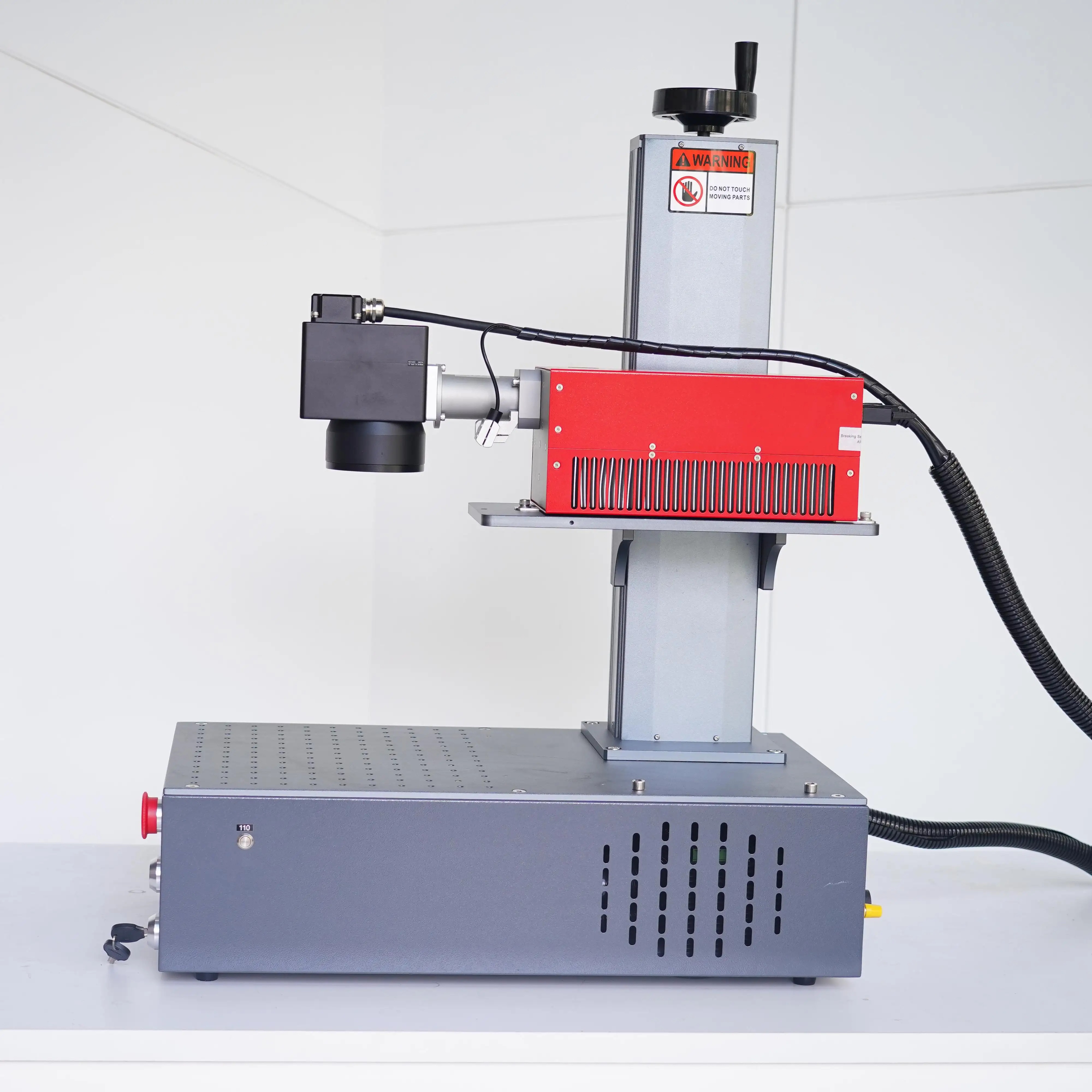
The adoption of advanced marking technologies continues to reshape industrial production across multiple sectors. A uv laser marking machine represents one of the most versatile solutions available today, offering precision, speed, and flexibility that traditional marking methods cannot match. Industries worldwide are recognizing the competitive advantages that ultraviolet laser engraving provides, from enhanced product quality to improved operational efficiency and regulatory compliance.
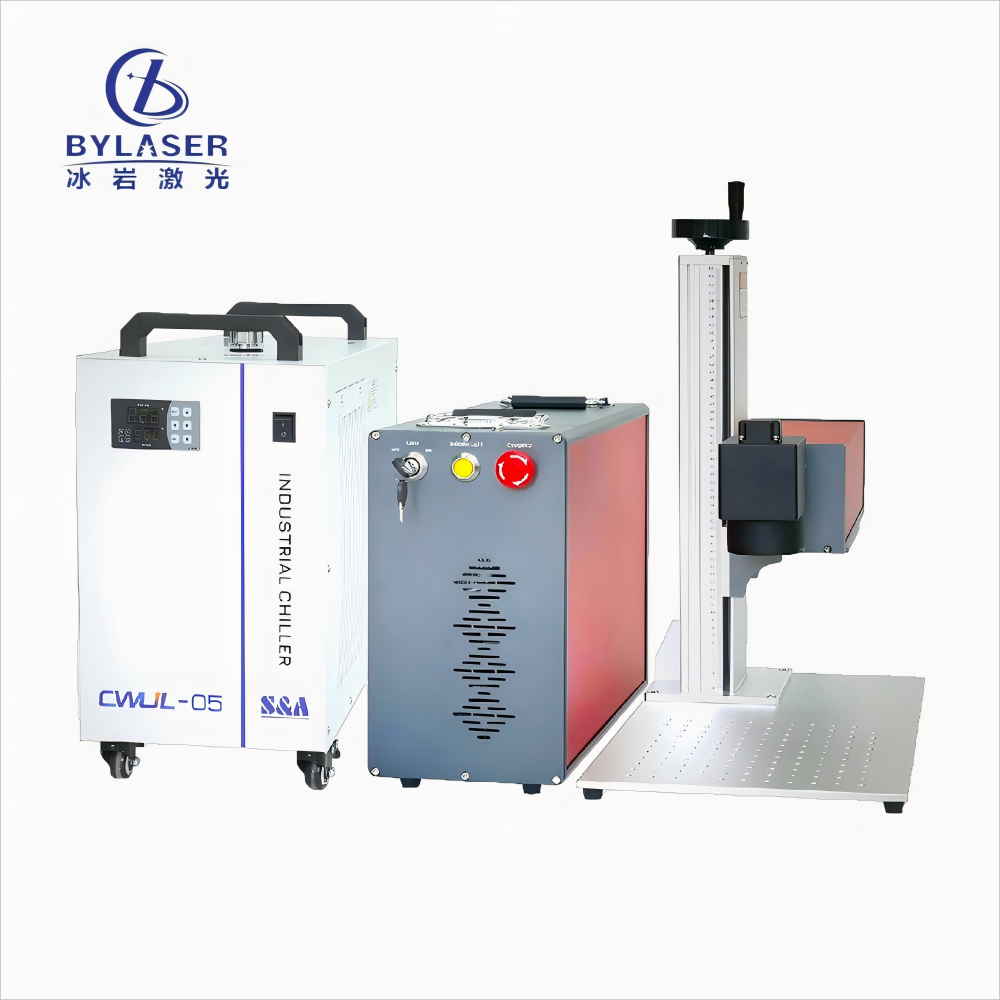
UV marking technology has fundamentally changed how manufacturers approach product identification, traceability, and branding. Unlike conventional marking techniques that rely on contact or chemical processes, ultraviolet laser engraving uses focused light energy to create permanent marks on a wide variety of materials. This non-contact approach eliminates material waste, reduces secondary processing, and delivers consistent results across production runs. Understanding which industries benefit most from this technology helps manufacturers make informed decisions about their marking infrastructure and long-term production strategies.
Electronics and Semiconductor Manufacturing
Circuit Board and Component Marking
The electronics industry represents one of the largest adopters of UV laser marking technology. Circuit board manufacturers use ultraviolet laser engraving to mark component identifiers, date codes, batch numbers, and QR codes directly onto printed circuit boards without damaging sensitive circuitry. The precision of a uv laser marking machine allows operators to mark traces, pads, and micro-components with minimal thermal impact. This capability is critical because conventional marking methods can generate heat that damages delicate electronic components or affects board functionality. Electronics manufacturers depend on laser marking for metal traces and for creating readable, durable marks that withstand manufacturing stress and environmental exposure throughout the product lifecycle.
Semiconductor and Wafer Processing
Semiconductor facilities employ UV marking technology for wafer identification, defect tracking, and process control. The ability to mark wafers with high-resolution identification codes supports yield management and traceability across manufacturing stages. Ultraviolet laser engraving provides the speed and accuracy required for high-volume semiconductor production, where marking must be completed within strict timing windows. Each wafer marked with UV technology carries permanent identification that remains legible through multiple processing steps, cleaning stages, and environmental testing.
Medical Device and Pharmaceutical Applications
Device Sterilization and Traceability
Medical device manufacturers extensively rely on UV laser marking technology to ensure regulatory compliance and patient safety. Sterile devices require marking methods that withstand repeated sterilization cycles, including autoclaving, ethylene oxide treatment, and radiation exposure. UV marking technology creates marks that endure these harsh processes without degradation or color change. The laser marking for metal components in surgical instruments ensures that identification codes, lot numbers, and expiration dates remain visible after sterilization. This permanent marking capability directly supports hospital inventory management, recalls, and adverse event investigations.
Pharmaceutical Packaging and Authentication
Pharmaceutical companies employ ultraviolet laser engraving on blister packs, vials, and injection devices to mark batch codes, expiration dates, and serialization information. Regulatory agencies worldwide mandate track-and-trace capabilities for pharmaceutical products to combat counterfeiting and ensure supply chain integrity. A uv laser marking machine provides the speed and reliability required for pharmaceutical production environments while maintaining the sterility and integrity of packaging materials. The non-contact nature of UV marking prevents contamination risks associated with contact-based marking methods, a critical requirement in pharmaceutical facilities.
Aerospace, Automotive, and Industrial Manufacturing
Precision Components and Aerospace Parts
Aerospace manufacturers implement UV laser marking technology on precision components, fasteners, and assemblies to meet strict traceability and material certification requirements. Aircraft components must carry permanent identification codes that link parts to their manufacturing batches, material certifications, and inspection records. The ability to mark aluminum, titanium, and composite materials with high contrast and precision makes ultraviolet laser engraving indispensable in aerospace production. UV marking technology supports compliance with regulatory frameworks such as FAA requirements and AS9100 aerospace quality standards, where mark durability and legibility are non-negotiable.
Automotive and Engine Components
Automotive manufacturers use UV laser marking technology to mark engine blocks, transmission components, and safety-critical parts. The harsh automotive environment demands marking solutions that resist heat, oil exposure, and mechanical stress. Laser marking for metal components in automotive applications ensures that identification codes remain legible throughout the vehicle lifecycle. Modern automotive supply chains require real-time traceability, and UV marking machines enable manufacturers to quickly apply unique serial numbers and batch identifiers to high-volume production runs. This capability supports warranty management, recalls, and aftermarket parts identification across the global automotive industry.
Other Growing Industries and Emerging Applications
Consumer Electronics and Personal Devices
Consumer electronics manufacturers increasingly adopt UV laser marking technology for marking smartphones, tablets, laptops, and wearable devices. The technology allows manufacturers to apply brand logos, model numbers, certification marks, and unique device identifiers with minimal visual impact. Ultraviolet laser engraving preserves the aesthetic quality of consumer devices while providing durable, tamper-evident marks. This dual benefit drives rapid adoption across consumer electronics markets where both durability and design integrity matter.
Jewelry, Watches, and Luxury Goods
Luxury goods manufacturers rely on UV laser marking technology for hallmark stamps, authenticity codes, and artisan signatures on jewelry and watches. The precision of a uv laser marking machine allows craftspeople to create fine, detailed marks without affecting the appearance or structural integrity of precious materials. Ultraviolet laser engraving provides a permanent authentication method that helps combat counterfeiting while maintaining the aesthetic value of luxury items.
FAQ
Which specific materials work best with UV laser marking technology?
UV laser marking technology works exceptionally well on metals including stainless steel, aluminum, brass, and copper. It also marks plastics, ceramics, glass, and composite materials effectively. The ultraviolet laser engraving process creates high-contrast marks on most materials without requiring special surface preparation. Different materials respond differently to UV wavelengths, so manufacturers should verify compatibility for specific applications before large-scale production deployment.
How does UV laser marking compare to traditional marking methods in terms of cost?
While initial equipment investment for a uv laser marking machine is higher than some traditional methods, operational costs often decrease significantly over time. UV marking technology eliminates consumable inks, labels, and dies required by conventional approaches. The speed of laser marking for metal and other materials reduces labor costs and increases throughput. For high-volume production environments, the total cost of ownership typically favors UV laser marking over methods like screen printing, etching, or mechanical engraving.
What maintenance and operational requirements does UV laser marking technology demand?
UV laser marking machines require regular lens cleaning, cooling system maintenance, and periodic optical alignment to maintain performance. Compared to many industrial technologies, maintenance demands are moderate and manageable with standard industrial procedures. Manufacturers typically schedule preventive maintenance quarterly or semi-annually depending on usage intensity. Proper training ensures operators understand safety protocols and can troubleshoot common issues, minimizing downtime and maintaining consistent mark quality throughout production runs.
