


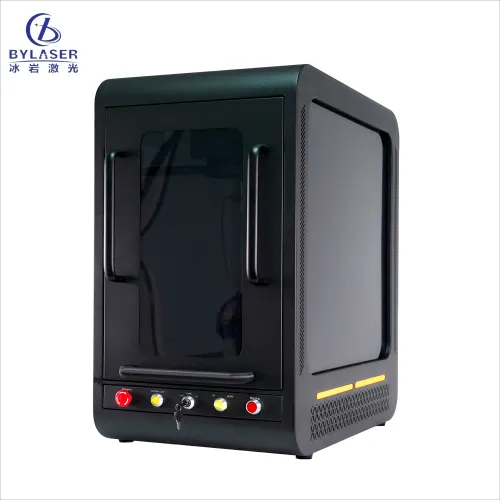
Metal thickness is one of the most critical factors influencing engraving depth when using a laser engraving machine for metal. Understanding this relationship helps manufacturers, businesses, and industrial operators optimize their marking processes, reduce material waste, and achieve consistent, high-quality results. The interaction between material thickness and laser penetration depth determines whether an engraving will be shallow and aesthetic or deep and permanent.
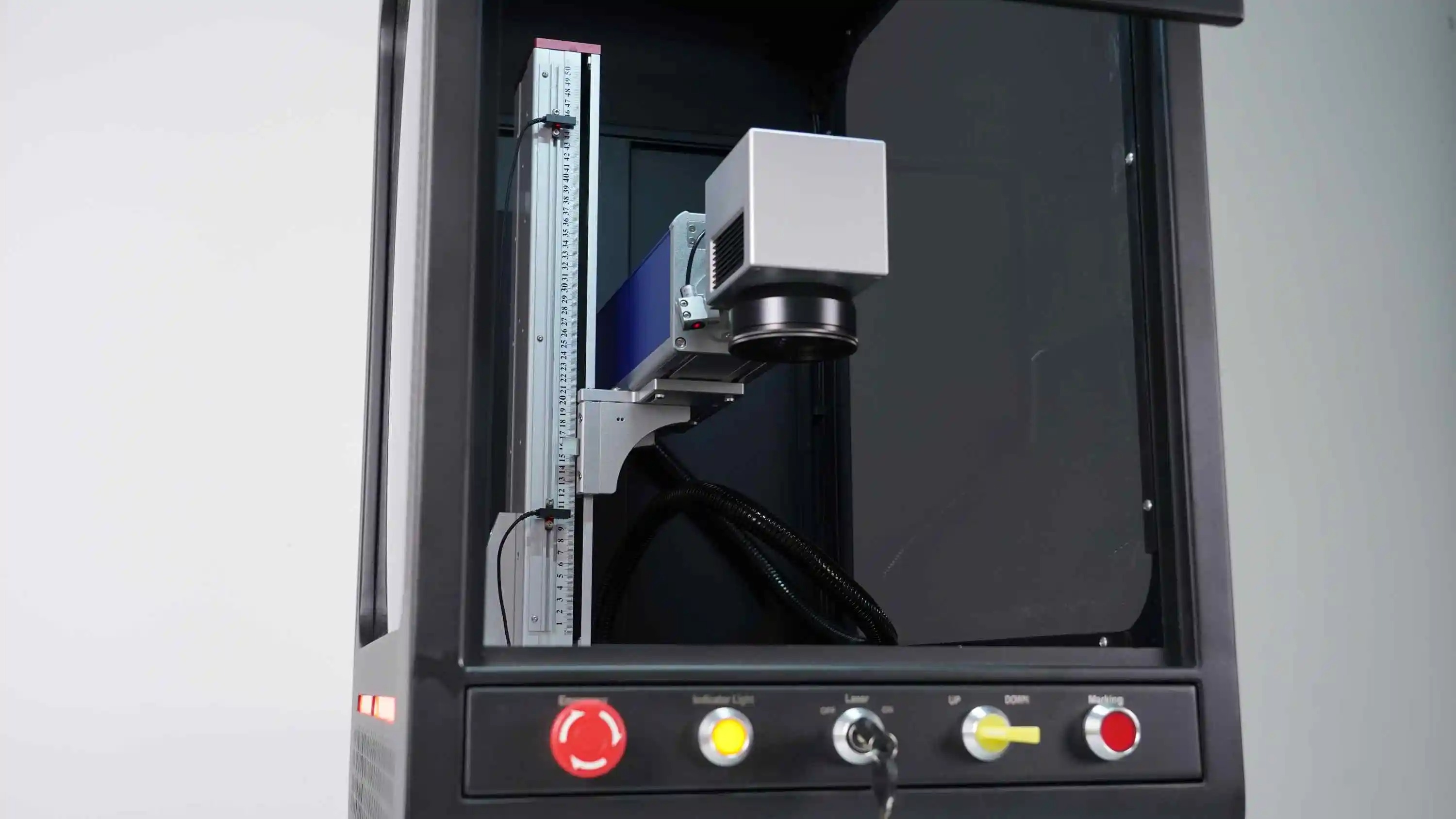
When working with metal marking technology, engineers must account for how laser energy interacts with material composition and thickness. Thicker metals absorb and distribute laser energy differently than thin materials, affecting mark intensity, consistency, and durability. Precision metal engraving equipment incorporates advanced controls and calibration systems to compensate for these variables, ensuring that engraving depth remains predictable and repeatable across different metal thicknesses and surface conditions.
How Metal Thickness Influences Laser Energy Absorption
Energy Distribution Across Material Depth
Laser energy concentration depends heavily on material thickness. When a fiber laser metal processing beam strikes a thin metal surface, the energy remains concentrated in a small volume, creating deep, sharp engravings. As material thickness increases, the same laser power spreads over a larger thermal zone, reducing peak energy density at any single depth. This means thicker metals naturally resist deeper engraving unless laser power or dwell time increases proportionally.
The relationship is not linear. A 2mm metal sheet does not require twice the energy as a 1mm sheet to achieve the same engraving depth; it requires significantly more due to thermal diffusion. Metal marking technology uses real-time feedback systems to monitor and adjust laser parameters dynamically, compensating for thickness variations and maintaining consistent engraving depth across different material gauges.
Thermal Conductivity and Heat Dissipation
Different metals conduct heat at vastly different rates. Aluminum and copper, for example, dissipate laser heat much faster than stainless steel or titanium. Thicker materials of highly conductive metals create larger heat sinks, pulling thermal energy away from the engraving zone before the laser can achieve desired depth. Precision metal engraving equipment accounts for these material-specific thermal properties by allowing operators to adjust laser frequency, power output, and scanning speed based on metal type and thickness combinations.
Optimal Metal Thickness Ranges for Precision Engraving
Shallow Engraving Applications
Thin metals between 0.5mm and 2mm are ideal for aesthetic surface marking and shallow engravings where depth of 0.1mm to 0.5mm is sufficient. This range offers maximum flexibility for fiber laser metal processing because the laser beam penetrates consistently with moderate power settings. Thin materials are common in decorative applications, branding on jewelry, and identification marking on electronic components. Metal marking technology performs most reliably in this thickness range, delivering sharp, precise marks with minimal thermal distortion or material damage.
Medium-Depth and Heavy-Duty Applications
Materials ranging from 2mm to 6mm support medium-depth engravings suitable for part identification, serial numbers, and functional marking that must withstand mechanical wear or harsh environments. Precision metal engraving equipment requires higher laser power and longer dwell times to achieve meaningful depth in this range. Many manufacturers use multi-pass engraving techniques, where the laser traces the same pattern multiple times, building engraving depth incrementally. This approach works particularly well for fiber laser metal processing because multiple passes allow thermal equilibrium and reduce the risk of material warping or cracking from single-pass high-energy exposure.
Critical Parameters for Controlling Engraving Depth
Laser Power and Frequency Calibration
A laser engraving machine for metal must balance power output with material thickness to prevent surface cracking or incomplete penetration. Standard fiber laser metal processing systems deliver power ranging from 20W to 100W, with higher-wattage machines capable of deep engraving on thick materials. Frequency control, measured in kHz, affects mark quality and depth. Lower frequencies (20–50 kHz) produce deeper, more aggressive marks but with visible ripple patterns. Higher frequencies (100–150 kHz) create finer, more aesthetic marks with shallower engraving depth. Precision metal engraving equipment allows operators to select frequency based on application requirements and metal thickness.
Scan Speed and Dwell Time Optimization
Scan speed determines how quickly the laser beam moves across the material surface. Slower scan speeds allow more laser energy to concentrate on each point, increasing engraving depth. Metal marking technology systems typically offer scan speeds from 500 mm/s to 7000 mm/s. For thin metals, faster speeds work effectively because the material absorbs energy quickly. Thicker materials demand slower scan speeds to allow sufficient laser-material interaction time. Dwell time—the duration the laser pauses on specific features—directly correlates with engraving depth. Operators adjust dwell time in microseconds to fine-tune depth on thick or thermally conductive metals.
Pulsing and Multi-Pass Strategies
Modern precision metal engraving equipment supports pulsed laser delivery, where energy is applied in controlled bursts rather than continuous output. Pulsing reduces overall thermal load on thicker materials, minimizing distortion while achieving desired engraving depth. For metals thicker than 4mm, multi-pass engraving becomes the standard approach. The laser executes the pattern once at reduced power, allowing the material to cool between passes. Subsequent passes increase engraving depth gradually. This method works exceptionally well with fiber laser metal processing because the accumulated material removal across multiple passes reaches target depth without single-pass thermal stress.
FAQ
What is the maximum engraving depth achievable on thick metals?
Maximum engraving depth depends on laser power, material properties, and equipment specifications. A high-power laser engraving machine for metal (50W or greater) can achieve engraving depths of 0.5mm to 1.5mm on stainless steel up to 5mm thick. Fiber laser metal processing on aluminum may reach 1mm depth on similar thickness due to faster thermal conductivity. Precision metal engraving equipment with multi-pass capabilities can theoretically achieve deeper cuts, but practical limits exist to prevent material damage or equipment strain.
How does metal composition affect engraving depth relative to thickness?
Metal type significantly influences engraving depth independent of thickness. Stainless steel requires moderate laser energy and responds predictably across multiple thicknesses. Aluminum and copper absorb laser energy efficiently but dissipate heat rapidly, requiring higher power or longer dwell times. Titanium and brass respond similarly to stainless steel. Metal marking technology systems include material-specific presets that automatically adjust laser parameters. Operators should test samples of each alloy and thickness combination to establish baseline settings before production runs.
Can precision metal engraving equipment maintain consistent depth on variable thickness materials?
Yes, modern precision metal engraving equipment includes autofocus and thickness-detection features. Advanced fiber laser metal processing systems use optical sensors to measure material surface height and automatically adjust focus distance and laser power mid-operation. This ensures that engraving depth remains consistent even when material thickness varies across the part. Achieving this consistency requires proper machine calibration and quality material preparation, but it eliminates manual intervention for different thickness ranges.
