


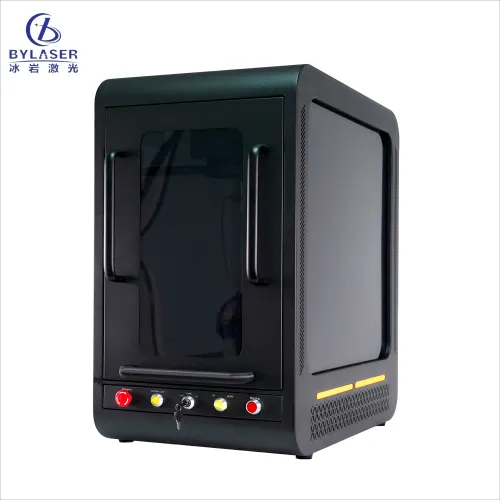
Understanding resolution in metal laser engraving is essential for manufacturers seeking to achieve high-quality surface marking and precise detail reproduction. Resolution defines the minimum feature size and line width that a laser engraving machine for metal can produce on a workpiece. This specification directly impacts the clarity of logos, serial numbers, barcodes, and intricate designs applied to metal components. Industrial buyers must understand resolution parameters because they determine whether their precision metal engraving equipment meets production tolerances and visual quality standards.
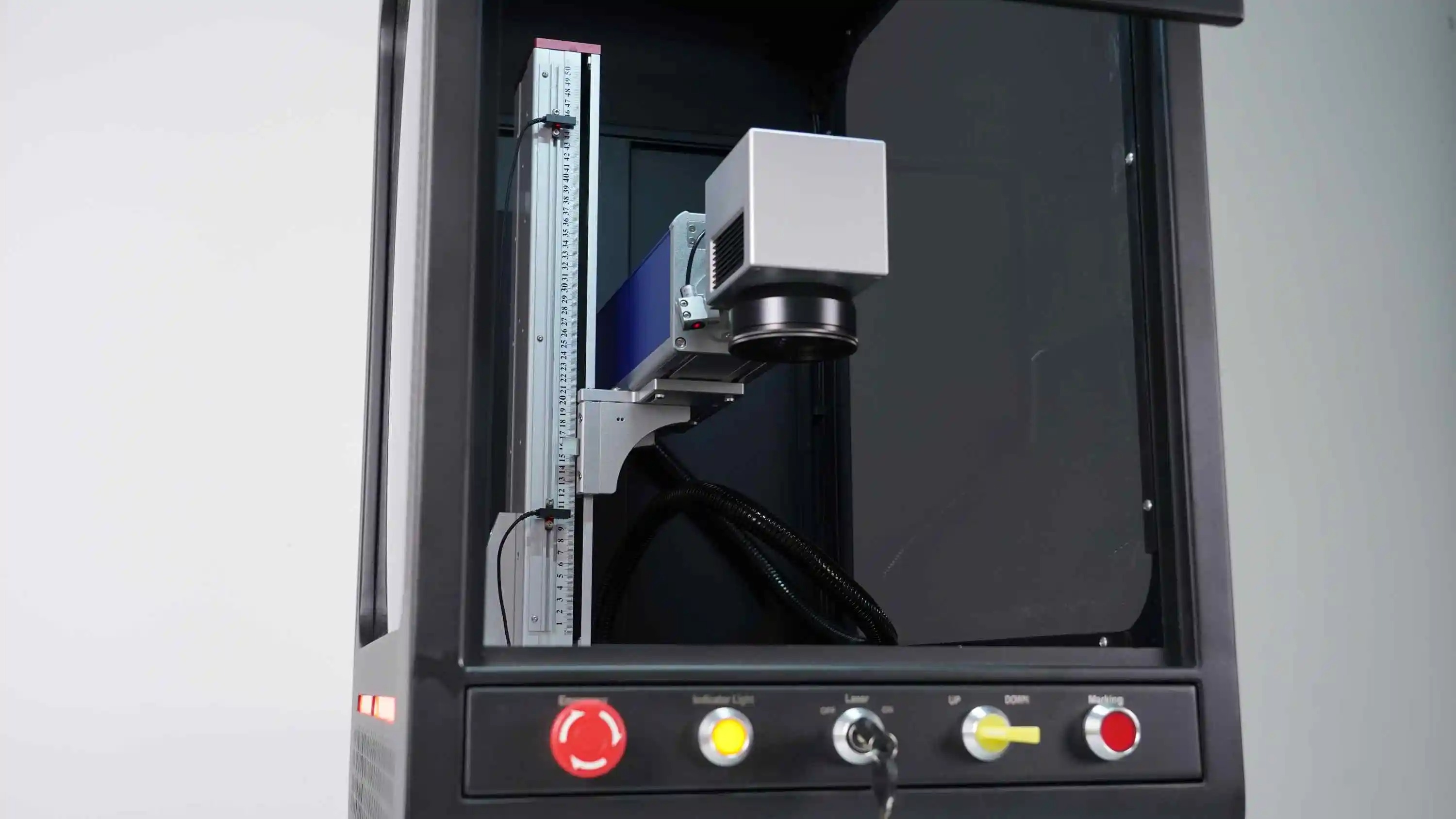
Metal marking technology has evolved significantly over the past decade, and fiber laser metal processing now dominates industrial marking applications due to its ability to deliver consistent, high-resolution output on ferrous and non-ferrous metals. Resolution in metal marking is measured in dots per inch (DPI) or microns, and modern precision metal engraving equipment typically achieves resolutions between 1200 and 8000 DPI, depending on the laser source power, optical system design, and material composition. Knowing these specifications helps manufacturers optimize production workflows and ensure that marked parts meet regulatory and customer expectations.
Understanding Resolution Standards in Metal Marking
What Resolution Means for Metal Marking Technology
Resolution in metal marking technology refers to the smallest unit of mark that a system can produce without creating visible defects or incomplete lines. When using fiber laser metal processing systems, resolution is determined by several interdependent factors: laser wavelength, scanning speed, beam focus diameter, and material absorption characteristics. For most industrial applications, a resolution of 1200 DPI is considered standard, while 3000 to 5000 DPI qualifies as high-resolution output. This range allows manufacturers to produce sharp, legible marks that withstand inspection and traceability requirements in aerospace, automotive, and medical device sectors.
Measuring Resolution Performance
Precision metal engraving equipment manufacturers specify resolution in different ways, which can create confusion during equipment selection. Micron-level specifications indicate the smallest detail size achievable; for example, 50-micron resolution means individual marking elements can be as small as 50 micrometers. Converting to dots per inch, this translates to approximately 5000 DPI. When evaluating fiber laser metal processing systems, always request sample engravings or specification sheets that demonstrate mark quality at your intended application resolution to ensure the system meets production requirements.
Factors Affecting Resolution in Laser Engraving
Optical System and Beam Quality
The optical system within precision metal engraving equipment directly controls achievable resolution. High-quality focusing lenses with short focal lengths concentrate the laser beam to smaller spot sizes, enabling finer detail reproduction. Fiber laser metal processing systems typically use F-theta or galvo scanning heads that position the laser beam across the work surface with microsecond precision. Beam quality, measured by the M-squared value, indicates how tightly the laser can be focused; lower M-squared values enable smaller focus spots and consequently higher resolution marks on metal surfaces.
Material Properties and Surface Preparation
Metal marking technology performance depends significantly on the material being engraved. Reflective metals like aluminum and copper scatter laser energy differently than absorptive metals like stainless steel or titanium, requiring adjusted laser parameters to maintain resolution consistency. Surface oxidation, cleanliness, and prior treatment affect how the laser beam interacts with the metal, directly impacting mark sharpness and definition. Manufacturers using a laser engraving machine for metal often achieve superior resolution on prepared or chemically cleaned surfaces compared to untreated stock, making pre-processing an important consideration for critical applications.
Laser Power and Pulse Frequency Settings
Resolution in fiber laser metal processing is not solely determined by hardware; operational parameters play an equally important role. Lower laser power settings and higher pulse frequencies generally produce finer, more precise marks, though at the cost of processing speed. Conversely, higher power and lower frequency settings process faster but may sacrifice resolution and mark edge quality. Precision metal engraving equipment operators must balance production throughput against the resolution requirements of each specific job, adjusting parameters based on mark detail complexity and material type.
Practical Resolution Applications in Industry
High-Resolution Requirements in Regulated Industries
Aerospace, automotive, and medical device manufacturers rely on metal marking technology to apply permanent identification codes, traceability information, and technical specifications to critical components. These industries demand resolution levels of 3000 DPI or higher to ensure barcode readability, QR code legibility, and detailed technical drawing reproduction on parts as small as fasteners or implant devices. Fiber laser metal processing systems designed for these sectors typically feature enhanced optical assemblies and software-controlled parameter management to guarantee consistent, high-resolution output across production runs numbering in the thousands or millions of units.
General Industrial Marking and Production Efficiency
Standard industrial applications such as part identification, logo marking, and basic text engraving often require resolution in the 1200 to 2000 DPI range. At these specifications, a laser engraving machine for metal can operate at higher speeds while still producing legible, professional-appearing marks acceptable to customers and regulatory bodies. Manufacturers balancing production volume with quality requirements typically select precision metal engraving equipment capable of flexible resolution adjustment, allowing them to process high-volume commodity marking at lower resolution while reserving higher-resolution settings for specialized or premium-tier components.
FAQ
What DPI resolution do I need for readable barcodes on metal parts?
Most barcode scanners reliably read marks produced at 1200 DPI or higher resolution. For mission-critical applications or harsh-environment scenarios where scanner performance may be compromised, 2400 to 3000 DPI is recommended. When selecting a fiber laser metal processing system for barcode marking, request sample scans to verify compatibility with your barcode reading equipment before committing to purchase.
How does resolution affect processing speed on a laser engraving machine for metal?
Higher resolution settings require slower scanning speeds and tighter laser beam focus, which extend processing time compared to lower-resolution marks. A laser engraving machine for metal marking at 8000 DPI may require 3 to 5 times longer per part than the same design at 1200 DPI. Manufacturers must evaluate whether resolution improvements justify the reduction in throughput, particularly in high-volume production environments where cycle time directly impacts labor costs and delivery schedules.
Can fiber laser metal processing achieve different resolutions on the same equipment?
Yes, precision metal engraving equipment using fiber laser metal processing technology allows operators to adjust resolution by modifying laser power, pulse frequency, and scanning speed parameters. Most modern systems enable dynamic resolution switching without mechanical reconfiguration, allowing manufacturers to optimize settings for each job. However, higher resolutions consistently require increased processing time and more precise alignment of optical components, so resolution flexibility comes with operational trade-offs that must be planned into production scheduling.
