


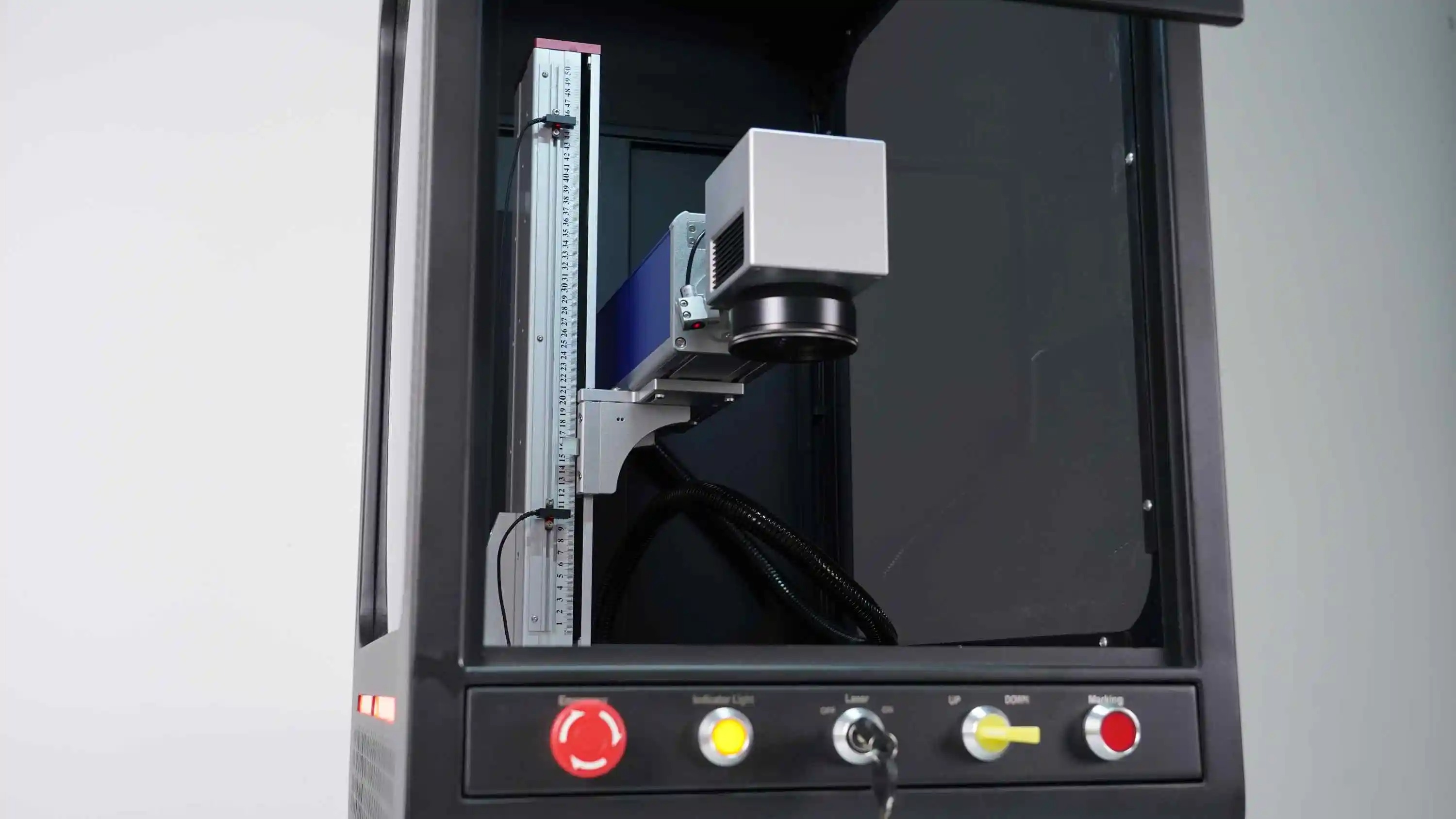
Achieving deep engraving on metal surfaces requires precision, the right equipment, and proper technique. Metal marking technology has evolved significantly, making it possible to create permanent, detailed engravings that withstand harsh industrial environments. Whether you work in manufacturing, aerospace, medical device production, or jewelry design, understanding how to execute deep metal engraving is essential for product identification, customization, and quality control. The process combines advanced technology with operator expertise to produce results that meet stringent industry standards.
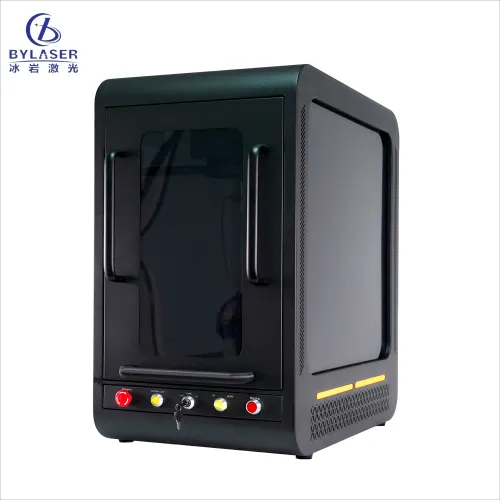
Deep engraving differs from surface marking because it creates material removal that reaches significant depths, often multiple millimeters, rather than just discoloring the surface. This capability makes deep engraving ideal for applications where durability and readability are critical over the product's entire lifespan. Fiber laser metal processing technology enables operators to achieve consistent, repeatable depth with exceptional precision. Understanding the mechanics, material behavior, and equipment settings will help you master this valuable industrial capability.
Fundamentals of Deep Metal Engraving
Understanding Material Interaction
When a laser engraving machine for metal operates, it emits a concentrated beam that heats the metal to vaporization point. The laser energy causes material to ablate, or vaporize, layer by layer. Each pass of the laser removes a thin layer, and multiple passes create cumulative depth. The depth achieved depends on laser power, pulse duration, wavelength, and the metal's thermal properties. Metals with lower melting points, such as aluminum and copper, engrave more easily than hardened steel or stainless steel. Understanding your material's behavior ensures you set realistic depth expectations and optimize processing parameters.
Metal Marking Technology Requirements
Precision metal engraving equipment must deliver consistent beam quality and precise beam positioning across the entire work surface. Metal marking technology relies on computer numerical control (CNC) systems that guide the laser beam in exact patterns. For deep engraving, the system must maintain focus and power stability throughout multiple passes without degradation. Fiber laser metal processing systems excel at this because fiber lasers produce a stable, high-quality beam with excellent beam mode, enabling tight focus and deep penetration. The wavelength of fiber lasers, typically 1.064 micrometers, is well-suited for absorption by most metals, making them the industry standard for deep engraving applications.
Techniques and Parameters for Deep Metal Engraving
Optimizing Laser Settings
Achieving deep engraving requires careful adjustment of laser power, frequency, and scanning speed. Higher power settings increase energy delivery to the metal, promoting deeper material removal with each pass. Frequency settings control how many pulses hit the surface per unit time; higher frequencies create finer surfaces but may require more passes for equivalent depth. Scanning speed determines dwell time at each point; slower speeds allow more energy accumulation at each location, supporting deeper cuts. Most precision metal engraving equipment operators adjust these parameters through software interfaces, allowing quick optimization for different metals and target depths. Testing on sample pieces before running production batches prevents wasted material and ensures consistent results.
Multiple Pass Strategy
Deep engraving typically requires multiple passes rather than attempting to achieve full depth in a single pass. Each pass removes a controlled layer of material, typically 0.1 to 0.3 millimeters depending on settings and material. Progressive passes allow heat to dissipate between iterations, reducing thermal stress and preventing warping or cracking in heat-sensitive alloys. Metal marking technology systems enable operators to program repeat patterns automatically, ensuring identical depth progression across all passes. Strategic pass planning prevents overheating while maintaining focus quality and surface finish. For stainless steel or hardened materials, six to ten passes might be necessary to reach depths of two millimeters or more.
Industrial Applications and Best Practices
Real-World Implementation
Manufacturing industries rely on deep engraving for permanent part identification, serialization, and traceability. Aerospace components require deep engravings that survive extreme temperatures and vibration throughout the aircraft's operational life. Medical device manufacturers use precision metal engraving equipment to mark lot codes and regulatory compliance information directly onto surgical instruments and implants. Jewelry artisans employ fiber laser metal processing to create intricate designs with impressive depth and detail that showcase craftsmanship. Each industry demands slightly different parameter optimization, but the underlying principles remain consistent. Operator experience and material knowledge drive success across all applications.
Quality Control and Maintenance
Consistent deep engraving results require regular maintenance of the laser system and periodic quality verification. Lens and window optics must remain clean and damage-free because contamination or scratches reduce beam quality and limit maximum depth capability. Calibration checks ensure the laser remains properly focused and the positioning system maintains accuracy over extended production runs. Metal marking technology systems benefit from scheduled maintenance protocols that include beam alignment verification, power output testing, and software updates. Monitoring engraved samples throughout production runs catches parameter drift early, preventing large batches of substandard parts. Operators should document successful parameter sets and material combinations to accelerate future job setup and troubleshooting.
FAQ
What metal engraving depths are realistically achievable?
Depth capability depends on metal type, laser power, and processing time. Soft metals like aluminum can reach depths of three to five millimeters with modern fiber laser metal processing systems. Stainless steel typically allows depths of one to three millimeters, while hardened steel may require significant time investment for depths beyond one millimeter. High-power systems dedicated to deep engraving can exceed these ranges, but time and cost considerations usually limit practical applications to the ranges mentioned. Your equipment supplier and material specifications will define realistic maximums for your specific setup.
How does deep engraving differ from surface marking?
Surface marking creates color changes or minimal material removal visible from the top but does not create substantial depth. Deep engraving removes measurable material thickness, creating tactile surface features and ensuring marking survival through cleaning, grinding, or wear. Metal marking technology for deep engraving requires higher power settings and multiple passes, while surface marking typically completes in single passes with lower power. Deep engraving produces marks visible in cross-section, making it ideal for permanent traceability and identification applications where durability matters.
Can precision metal engraving equipment handle all metal types equally?
Different metals respond differently to laser engraving. Reflective metals like copper and aluminum require careful parameter adjustment and sometimes special techniques to achieve efficient engraving. Fiber laser metal processing works exceptionally well on steel, stainless steel, and titanium. Precious metals engrave readily but demand precision to avoid excessive heat damage. Some metals, like polished stainless steel, may require surface preparation to enhance laser absorption. Consulting material data sheets and conducting test engravings on actual material batches ensures your laser engraving machine for metal can meet specific depth and finish requirements.
