


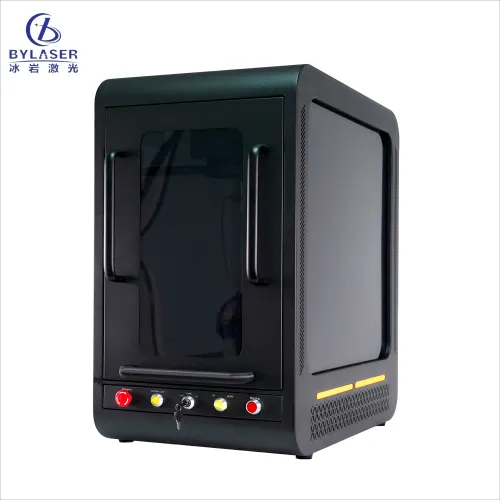
Understanding the power requirements for metal engraving lasers is essential for businesses and manufacturers considering investment in precision metal engraving equipment. The power level directly determines the speed, depth, and quality of marks on various metal surfaces, making it a critical specification when selecting the right system for your production needs. Whether you're marking stainless steel, aluminum, titanium, or brass, the wattage of your laser will influence both operational efficiency and final output quality.
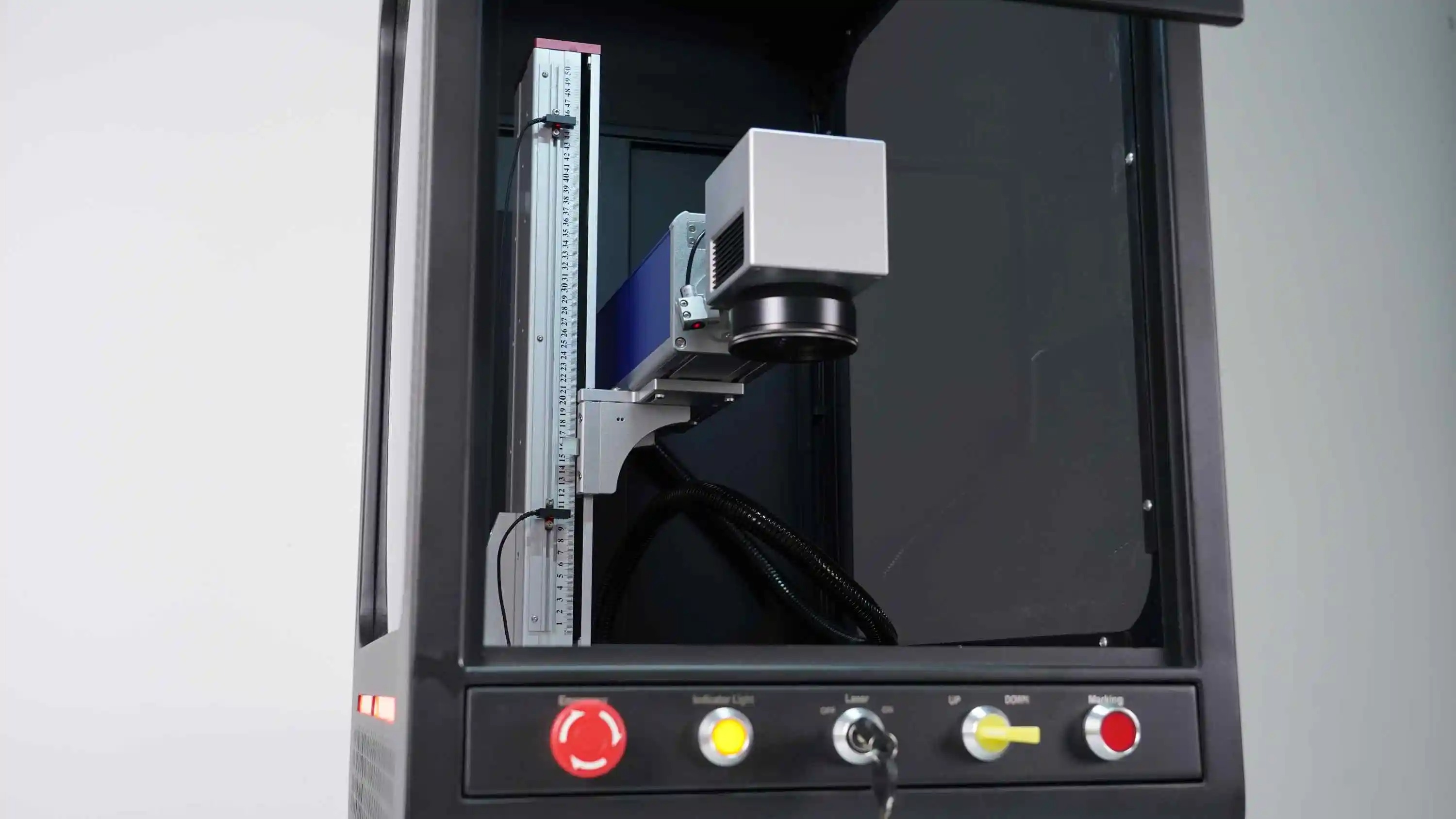
Metal marking technology has evolved significantly, with fiber laser metal processing becoming the industry standard for high-precision applications. Modern systems deliver consistent results across production runs, reducing material waste and improving profitability. Understanding power specifications helps you avoid over-investing in equipment you don't need or under-purchasing systems that can't meet your production demands.
Power Levels for Different Metal Marking Applications
Standard Metal Marking Requirements
Most industrial metal marking applications require between 20 and 100 watts of laser power. A 20-30 watt laser engraving machine for metal handles basic marking tasks such as serial numbers, barcodes, and batch codes on steel and aluminum parts. These systems work efficiently for light-duty production environments where marking depth and speed are moderate priorities. The lower power investment makes these systems accessible for small manufacturers and service bureaus entering the metal marking technology market.
Fifty-watt systems represent the mid-range solution, offering better speed and deeper marking capability while maintaining reasonable operational costs. At this power level, fiber laser metal processing accelerates production cycles significantly, making it ideal for automotive suppliers, electronics manufacturers, and metalworking shops handling consistent marking volume. The balance between speed, marking depth, and energy consumption makes 50-watt units a popular choice across diverse industrial sectors.
High-Power Industrial Applications
Industrial operations demanding rapid marking, deep engraving, or complex designs typically invest in 100-watt or higher-power systems. Precision metal engraving equipment at this level produces sharp, durable marks even on hardened surfaces, textured materials, and thick metal components. High-power systems enable manufacturers to meet aggressive production schedules while maintaining mark quality and consistency across thousands of parts.
Beyond 100 watts, laser power becomes increasingly specialized for heavy-duty applications such as deep engraving, three-dimensional surface marking, and specialized materials processing. At these power levels, fiber laser metal processing delivers industrial-grade reliability and performance. However, the investment in power capacity must align with actual production requirements to ensure return on investment and operational efficiency.
Fiber Laser Metal Processing Power and Material Interactions
How Power Affects Marking Speed and Depth
The relationship between laser power and marking performance is not linear. Higher wattage reduces the time needed to achieve consistent marks on metal surfaces, improving throughput significantly. For metal marking technology applications, the power level directly influences how quickly the laser can vaporize or melt a thin surface layer, creating permanent marks. A 30-watt system might require two or three passes to achieve the same marking depth as a 100-watt system in a single pass, affecting overall production velocity and material handling efficiency.
Power also determines mark durability and aesthetic quality. Insufficient power produces shallow, faint marks vulnerable to wear, inspection failures, and regulatory non-compliance. Excessive power can introduce heat distortion, discoloration, or material damage around marked areas. Fiber laser metal processing at the optimal power level for your specific metal and marking application ensures marks that pass durability testing, maintain readability throughout the product lifecycle, and meet quality standards consistently.
Metal-Specific Power Considerations
Different metals require different power levels to achieve equivalent marking results. Copper and brass, being highly reflective, generally demand higher laser power than stainless steel or aluminum. Precision metal engraving equipment specifications should account for your primary substrate materials when determining required wattage. Steel substrates typically respond well to 20-50 watt systems, while copper applications often benefit from 50-100 watt systems to achieve reliable results.
Hardened or coated metals present additional challenges requiring adequate power reserves. Titanium alloys, tool steel, and anodized aluminum surfaces may require higher power levels than base material counterparts. Understanding your material mix ensures you select metal marking technology equipment with sufficient power capacity to handle current and future production requirements without performance compromise.
Selecting the Right Power Level for Your Operations
Evaluating Production Volume and Speed Requirements
Production volume directly influences optimal power selection for fiber laser metal processing systems. High-volume operations justify investment in higher-power equipment because faster marking cycles dramatically reduce per-unit processing time and labor costs. Conversely, low-volume or intermittent marking needs may find adequate performance in 20-30 watt systems, avoiding unnecessary capital expenditure and operational complexity.
Speed requirements extend beyond marking velocity; they include material handling cycles, part positioning, and integration with existing production lines. Precision metal engraving equipment that marks quickly reduces overall production cycle time, enabling manufacturers to meet customer delivery commitments while managing inventory efficiently. Analyzing your current bottlenecks and projected growth helps identify the power level that optimizes your specific workflow without unnecessary overhead.
Capital Investment and Operating Costs
Power level directly affects both initial equipment cost and ongoing operational expenses. Higher-wattage laser engraving machine for metal systems command premium purchase prices, consuming more electrical power during operation. However, the productivity gains often justify the investment through reduced labor hours, faster turnaround times, and increased throughput per shift. A detailed cost-benefit analysis comparing equipment options against your actual production requirements ensures sound investment decision-making.
Operating costs include electricity consumption, maintenance intervals, and component replacement frequency. Metal marking technology systems vary in efficiency across power ranges, so consulting detailed specifications helps identify systems delivering optimal performance per watt. Long-term profitability depends on matching laser power capacity to realistic production demands rather than purchasing maximum available power.
FAQ
What is the minimum laser power needed for effective metal engraving?
Minimum effective power for metal marking technology typically starts around 20 watts for light marking applications on common metals like aluminum and stainless steel. Below this threshold, marking requires multiple passes and extended processing time, reducing productivity and increasing operational costs. The actual minimum depends on your specific metals, required mark depth, and production volume targets.
Can a lower-power fiber laser metal processing system handle all metal types?
Lower-power systems work well for common, non-reflective metals but struggle with highly reflective materials like copper, brass, and anodized surfaces. Precision metal engraving equipment rated at 20-30 watts may require multiple passes or produce inconsistent results on challenging substrates. Investing in adequate power capacity ensures consistent performance across your full material range and reduces rework rates.
How does laser power affect the cost-per-mark in metal engraving?
Higher laser power reduces marking time per part, lowering cost-per-mark through increased throughput and faster production cycles. However, this benefit only materializes if production volume justifies the higher equipment investment. For low-volume operations, the economics favor moderate-power systems that balance acquisition cost against operational efficiency specific to your production requirements.
