


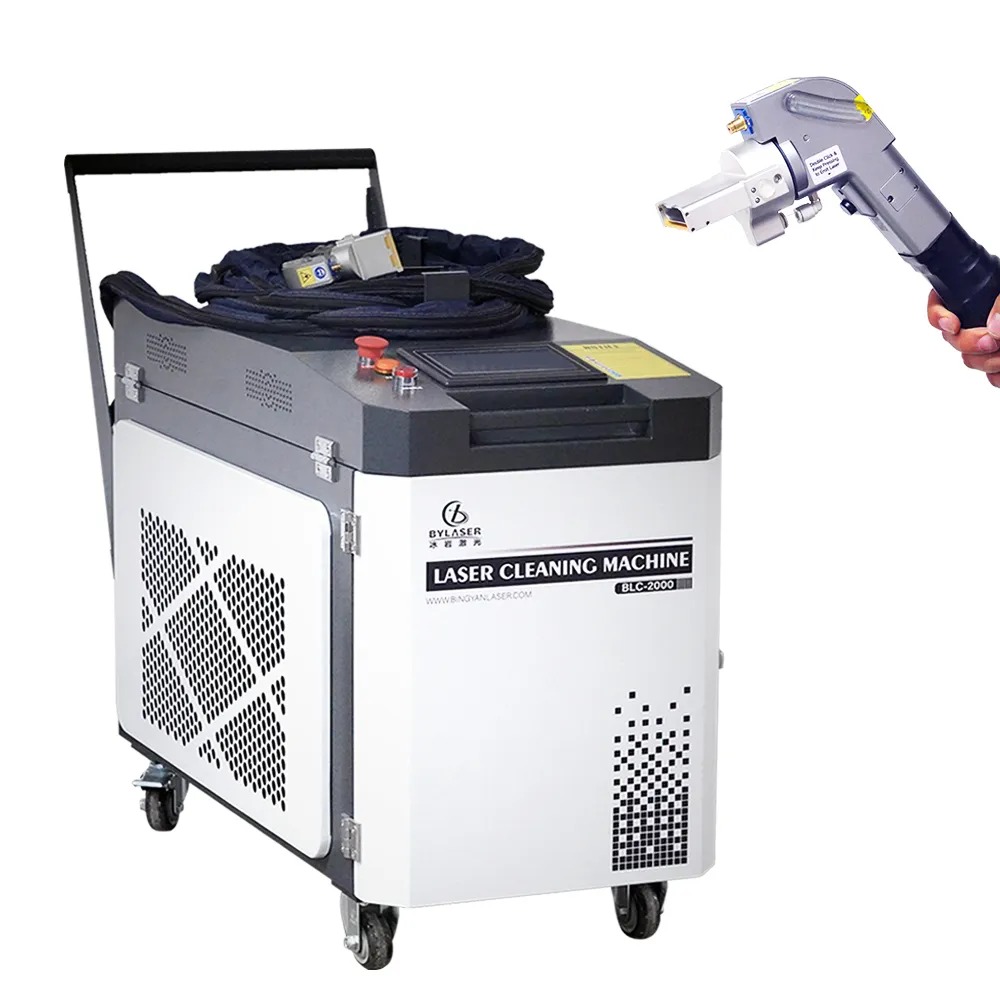
Safety is paramount when operating a laser paint remover, as these powerful tools generate intense light energy that demands careful handling and comprehensive protective measures. Industrial paint removal technologies have evolved significantly, and laser paint stripping systems represent some of the most advanced solutions available today. However, their efficiency and effectiveness come with specific safety responsibilities that operators and facility managers must understand and implement rigorously. Understanding these precautions protects both personnel and equipment while ensuring optimal performance of your coating removal laser system.
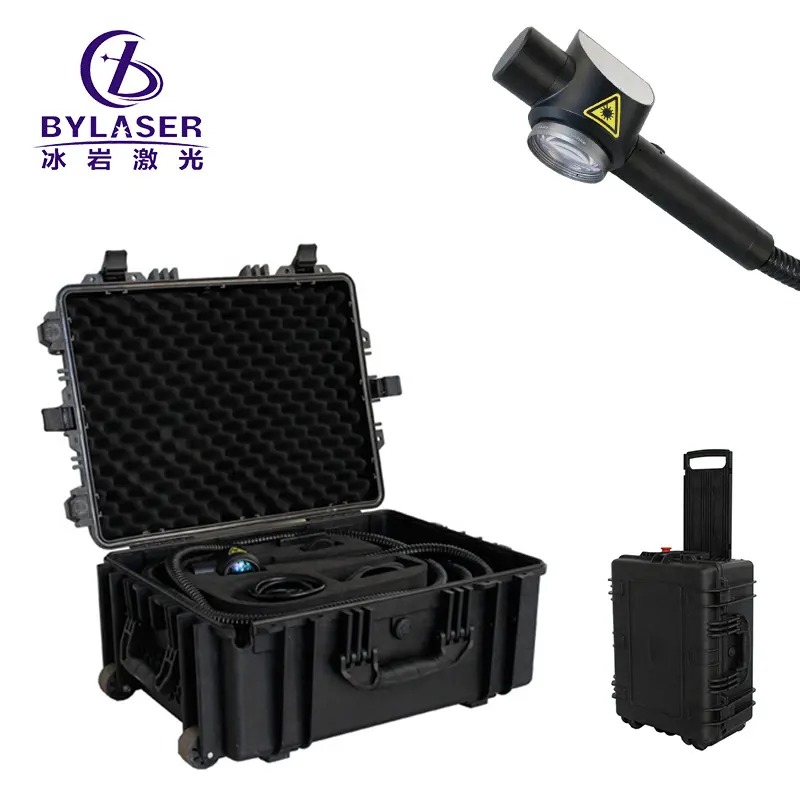
Laser paint stripping systems operate by emitting focused photon beams that break the molecular bonds between paint coatings and substrate surfaces. The technology behind industrial paint removal using lasers has transformed manufacturing, maintenance, and restoration operations across aerospace, automotive, marine, and industrial sectors. When properly controlled, coating removal laser equipment delivers precision results without chemical solvents or abrasive media. Yet the concentrated energy output requires strict adherence to safety protocols to prevent serious injury, property damage, and regulatory non-compliance.
Eye Protection and Optical Safety
Understanding Laser Hazard Classifications
The laser paint remover classification determines the specific eye protection requirements your facility must enforce. Most industrial paint removal systems fall into Class 3B or Class 4 categories, which present significant risk of eye damage from direct beam exposure, specular reflections, and diffuse scatter. The laser paint stripping beam wavelength, typically in the infrared range for many coating removal laser units, poses particular danger because the human eye cannot see infrared light, creating an insidious hazard. Operators cannot instinctively react to invisible radiation, making engineered controls and passive protection essential.
Selecting and Fitting Safety Eyewear
Proper eyewear is non-negotiable for laser paint stripping operations. Safety glasses must be specifically rated for the wavelength and power output of your industrial paint removal equipment. Generic welding helmets or sunglasses provide insufficient protection against laser paint remover radiation. ANSI Z136.1 standards specify that optical density values must be high enough to reduce beam intensity to safe levels at the operator's eye. Eyewear should fit securely to prevent gaps where stray light might enter, and anti-reflective coatings help minimize internal reflections that could bounce hazardous light toward unprotected areas. All personnel within the operational zone, including supervisors and maintenance staff, must wear approved protection during laser paint stripping activities.
Physical Hazard Control and Workspace Management
Beam Confinement and Interlocking Systems
Effective laser paint remover safety relies on engineering controls that confine the beam within protected zones. Industrial paint removal systems should feature enclosed processing areas or automated interlocking guards that prevent beam emission when access doors open. The laser paint stripping system must include audible and visual warning signals that activate before operation begins, alerting personnel that the coating removal laser is about to activate. Emergency stop buttons positioned at multiple locations allow rapid system shutdown if hazardous conditions develop. Beam path barriers and reflective surfaces must be inspected regularly for deterioration, as a compromised enclosure can redirect hazardous light toward unprotected personnel.
Workspace Layout and Traffic Control
The facility layout supporting laser paint stripping operations must designate clear controlled areas where only trained personnel may enter during industrial paint removal cycles. Signage clearly identifying the laser paint remover work zone prevents unauthorized access and establishes responsibility for protective equipment compliance. Traffic routes around the operational area should minimize proximity to potential beam paths. During coating removal laser maintenance or troubleshooting, secondary hazards can emerge from unexpected beam emission or residual reflections. Establishing restricted entry protocols ensures that only authorized individuals with proper safety training approach laser paint stripping equipment during operation or standby modes.
Environmental and Operational Safety
Ventilation and Airborne Hazard Management
Industrial paint removal by laser generates aerosols and particulates that demand effective ventilation systems. While laser paint stripping produces fewer volatile organic compounds than chemical coating removal laser alternatives, the process still releases vaporized paint particles and potentially hazardous material dust into the air. The facility must implement local exhaust ventilation at the point of emission to capture these contaminants before they disperse into the operator's breathing zone. Laser paint remover systems should be positioned near extraction points, and flexible ducting should direct emissions away from personnel. Proper ventilation also prevents accumulation of fumes that could trigger respiratory irritation or create explosive atmospheres in sensitive industrial environments using laser paint stripping technology.
Electrical Safety and Equipment Maintenance
Laser paint stripping equipment operates at high electrical voltages, creating shock hazards during installation, maintenance, and troubleshooting. Industrial paint removal systems must have properly grounded power supplies and functional emergency disconnect switches positioned for quick access. Regular maintenance of the coating removal laser includes inspections of electrical connectors, cooling systems, and optical components that deteriorate under operational stress. Personnel performing laser paint remover maintenance must receive formal electrical safety training and lockout-tagout procedures to prevent accidental energization during service work. Manufacturer documentation should specify maintenance intervals and approved service protocols that protect technicians while preserving equipment functionality and safety system integrity.
Personnel Training and Regulatory Compliance
Competency-Based Training Programs
Operating a laser paint remover safely requires comprehensive training that covers equipment-specific hazards, emergency procedures, and regulatory requirements. Operators of industrial paint removal systems must understand the basic physics of how laser paint stripping works, the specific hazards of their facility's coating removal laser model, and proper use of all protective equipment. Training programs should include hands-on demonstrations with approved safety eyewear, practice activating emergency controls, and scenario-based exercises addressing common incidents. Documentation proving worker competency protects both personnel and employers, demonstrating due diligence in safety management. Refresher training on laser paint stripping safety should occur annually or whenever equipment is modified, maintenance procedures change, or incident investigations reveal gaps in operator knowledge.
Incident Response and Regulatory Reporting
Despite rigorous precautions, incidents involving laser paint remover equipment can occur, requiring documented response procedures. Industrial paint removal facilities must establish clear protocols for reporting eye exposure, chemical burns from aerosols, or electrical incidents associated with coating removal laser equipment. OSHA regulations and industry standards like ANSI Z136.1 require incident investigation and corrective action implementation. Laser paint stripping safety records must be maintained and available for regulatory inspection. Post-incident analysis often reveals opportunities to improve laser paint remover engineering controls, training programs, or operational procedures that prevent recurrence.
FAQ
What are the most common laser paint remover injuries in industrial settings?
The most frequent injuries involve eye damage from direct or scattered beam exposure, skin burns from concentrated radiation, and respiratory issues from inadequate ventilation during laser paint stripping operations. Industrial paint removal incidents often result from bypassed interlocks, improper eyewear, or insufficient training on coating removal laser hazards. Minor eye irritation can progress to permanent vision loss if exposure continues unchecked, making prevention far preferable to treatment of laser paint remover injuries.
How often should laser paint remover equipment undergo safety inspections?
Most safety standards recommend formal safety inspections of laser paint stripping systems at least annually, with informal visual checks before each operational shift. Industrial paint removal equipment should be inspected after any collision, modification, or unusual performance during laser paint remover use. Optical components, interlocking mechanisms, and warning systems require particular attention because deterioration directly impacts safety. Documentation of all inspections creates an audit trail demonstrating commitment to laser paint stripping safety and helps identify emerging problems before they cause incidents involving coating removal laser systems.
Can laser paint remover be used outdoors safely?
Yes, outdoor laser paint stripping is possible when proper precautions account for environmental factors unique to external industrial paint removal operations. Outdoor coating removal laser work requires additional controls for ambient light that might mask warning indicators, weather protection for optical components, and expanded buffer zones because outdoor areas may have less controlled access. Laser paint remover outdoor operations demand heightened operator awareness and robust communication protocols to ensure no unauthorized personnel enter the active beam zone. Proper perimeter establishment and weather monitoring help maintain safety during outdoor laser paint stripping activities.
