


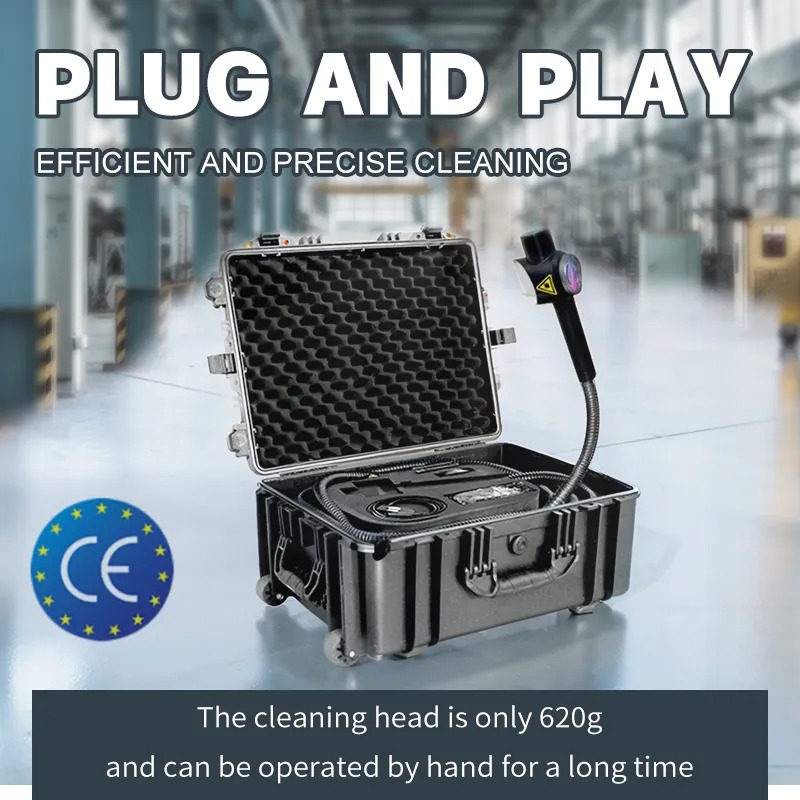
A laser rust remover represents a breakthrough in modern rust removal technology, offering precision cleaning without harsh chemicals or abrasive methods. Understanding which materials this laser cleaning machine can safely handle is essential for anyone considering adoption in industrial, automotive, or restoration work. The capability of rust removal technology extends across numerous material types, each with distinct characteristics that influence treatment outcomes and safety protocols.
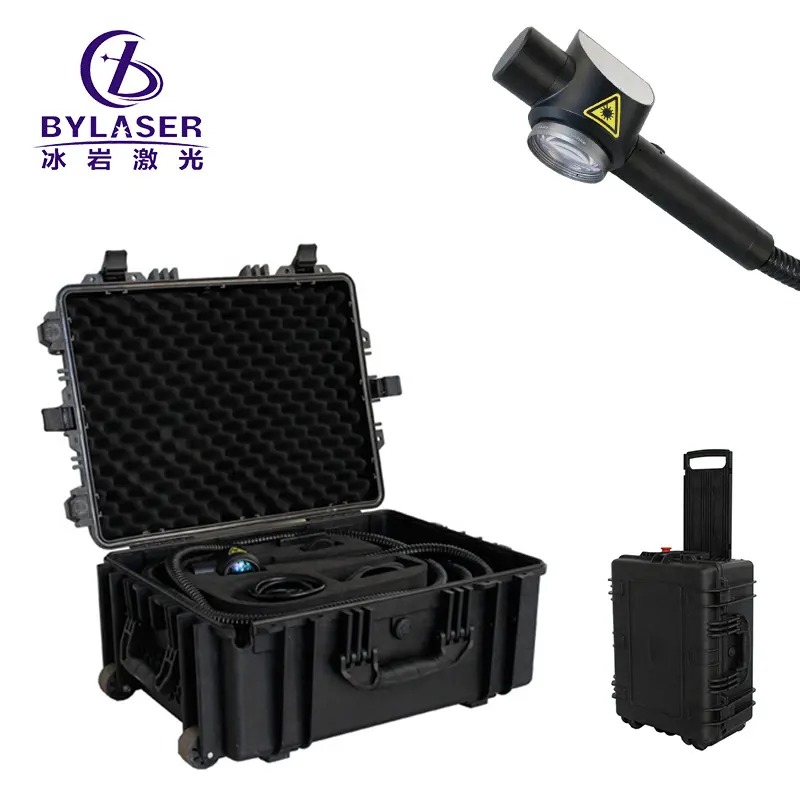
The versatility of laser cleaning machine technology makes it suitable for diverse applications across metal surface treatment scenarios. Whether working with ferrous metals, stainless steel, aluminum, or copper-based alloys, this technology delivers controlled rust removal without substrate damage. Success depends on understanding material properties, laser parameters, and application context to maximize effectiveness and maintain surface integrity.
Steel and Iron Material Compatibility
Carbon Steel and Cast Iron Processing
Carbon steel and cast iron represent the primary materials for laser rust remover applications due to their susceptibility to rust formation. A laser cleaning machine effectively targets rust layers while preserving the base metal, making it ideal for automotive components, industrial machinery, and structural elements. The rust removal technology works by vaporizing oxide layers through focused laser pulses, leaving steel surfaces clean and ready for coating or further treatment. Cast iron requires careful parameter adjustment since its crystalline structure can be sensitive to rapid heating cycles, but modern systems handle this challenge effectively.
Stainless Steel Surface Treatment
Stainless steel presents interesting opportunities for metal surface treatment using laser cleaning machine technology. While stainless steel naturally resists corrosion, it can accumulate surface discoloration, welding residue, and oxidation marks. A laser rust remover can address these aesthetic and functional concerns without compromising the protective chromium oxide layer that gives stainless steel its corrosion resistance. This rust removal technology proves particularly valuable for medical instruments, food processing equipment, and architectural applications where surface appearance and hygiene standards matter significantly.
Non-Ferrous Metal Applications
Aluminum and Lightweight Alloys
Aluminum and its alloys respond well to laser cleaning machine treatment, though they require different parameter settings than ferrous materials. The rust removal technology must account for aluminum's lower melting point and thermal conductivity to prevent surface damage or warping. A laser rust remover excels at removing aluminum oxide, paint overspray, and corrosion products from aerospace components, marine equipment, and consumer electronics. The precision of laser-based metal surface treatment allows operators to work on delicate surfaces without risk of mechanical deformation that traditional abrasive methods might cause.
Copper and Brass Processing
Copper and brass materials respond exceptionally well to rust removal technology delivered through a laser cleaning machine. These materials form distinctive oxide patinas and green corrosion layers that laser systems can cleanly remove without altering the base metal composition. Electrical contacts, decorative items, and plumbing fixtures benefit significantly from this precision metal surface treatment approach. The laser rust remover preserves the natural aesthetic qualities of these materials while eliminating corrosion that might interfere with conductivity or functional performance.
Material Limitations and Special Considerations
Coated and Composite Surfaces
While laser rust remover technology excels on bare metal surfaces, painted or powder-coated materials require cautious application. A laser cleaning machine can selectively remove rust from underneath compromised coatings, but intentionally removing intact protective coatings demands precise laser parameter control to avoid substrate damage. Composite materials containing resin matrices or fiber reinforcement generally fall outside the optimal range for this rust removal technology since focused laser energy might degrade the matrix. Operators must evaluate specific composite formulations before attempting rust removal technology treatment on these materials.
Thin Sheet Metal and Delicate Components
Extremely thin sheet metals and delicate precision components require special consideration when using a laser rust remover for metal surface treatment. A laser cleaning machine concentrates substantial energy in small focal areas, which can potentially perforate or warp excessively thin materials if parameters are set too aggressively. However, modern rust removal technology systems offer precise power modulation and pulse frequency adjustment that allows safe treatment of thin sheet stock when configured properly. Testing procedures on sample materials should always precede production-scale rust removal technology applications on delicate workpieces.
FAQ
Can a laser rust remover handle titanium and exotic alloys?
Yes, a laser cleaning machine effectively treats titanium and most exotic alloys, though specialized parameter adjustment is necessary. These high-performance materials' unique thermal and optical properties require calibrated rust removal technology settings, but the precision control that a laser rust remover provides makes it suitable for aerospace and medical applications where surface integrity is critical. Always verify specific alloy specifications with equipment manufacturers before treatment.
Does rust removal technology work on rusted fasteners and small components?
A laser rust remover performs exceptionally well on fasteners, bolts, and small components because the focused laser beam reaches tight spaces and recesses that traditional methods cannot access easily. The rust removal technology's non-contact approach prevents clogging or mechanical damage to delicate threads or precision surfaces. A laser cleaning machine can restore rusted fasteners to functional condition rapidly, making it valuable for maintenance and restoration operations across industrial sectors.
Are there any materials that a laser rust remover cannot handle safely?
Materials containing hazardous coatings like lead-based paint, asbestos, or chromium compounds require special handling protocols when using rust removal technology, as laser vaporization might release toxic substances. Organic materials, plastics, and glass cannot be safely treated with a laser cleaning machine for rust removal purposes. Additionally, some specialty coatings designed for extreme environments might be damaged by a laser rust remover unless specific rust removal technology parameters are established through testing first.
