


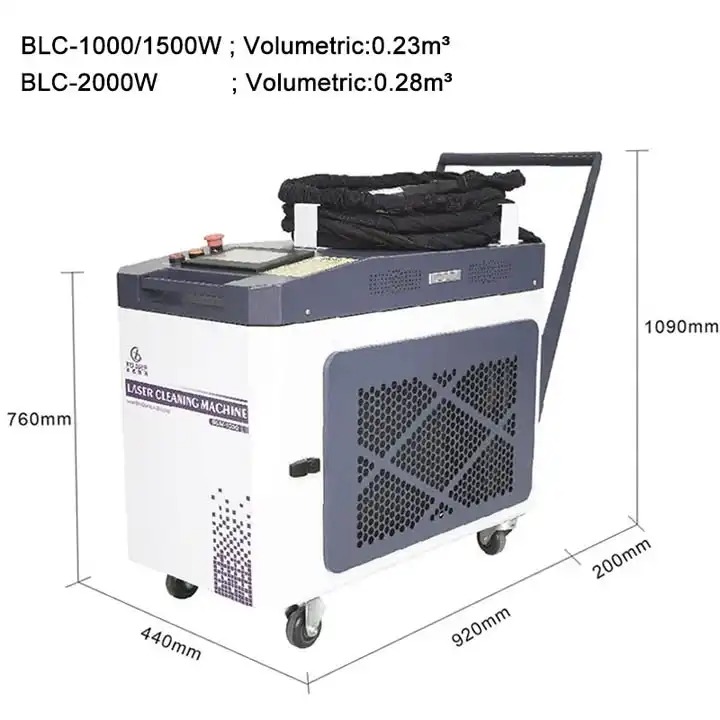
A laser paint stripper is an advanced industrial technology that uses focused laser energy to remove paint, coatings, rust, and contaminants from surfaces without chemicals or abrasive methods. This innovative paint removal laser system operates by targeting the molecular bonds in paint layers, causing them to ablate or vaporize when exposed to precise laser pulses. Unlike traditional methods such as grinding, sanding, or chemical stripping, laser surface cleaning offers non-contact operation that preserves the underlying substrate integrity while delivering exceptional precision and speed.
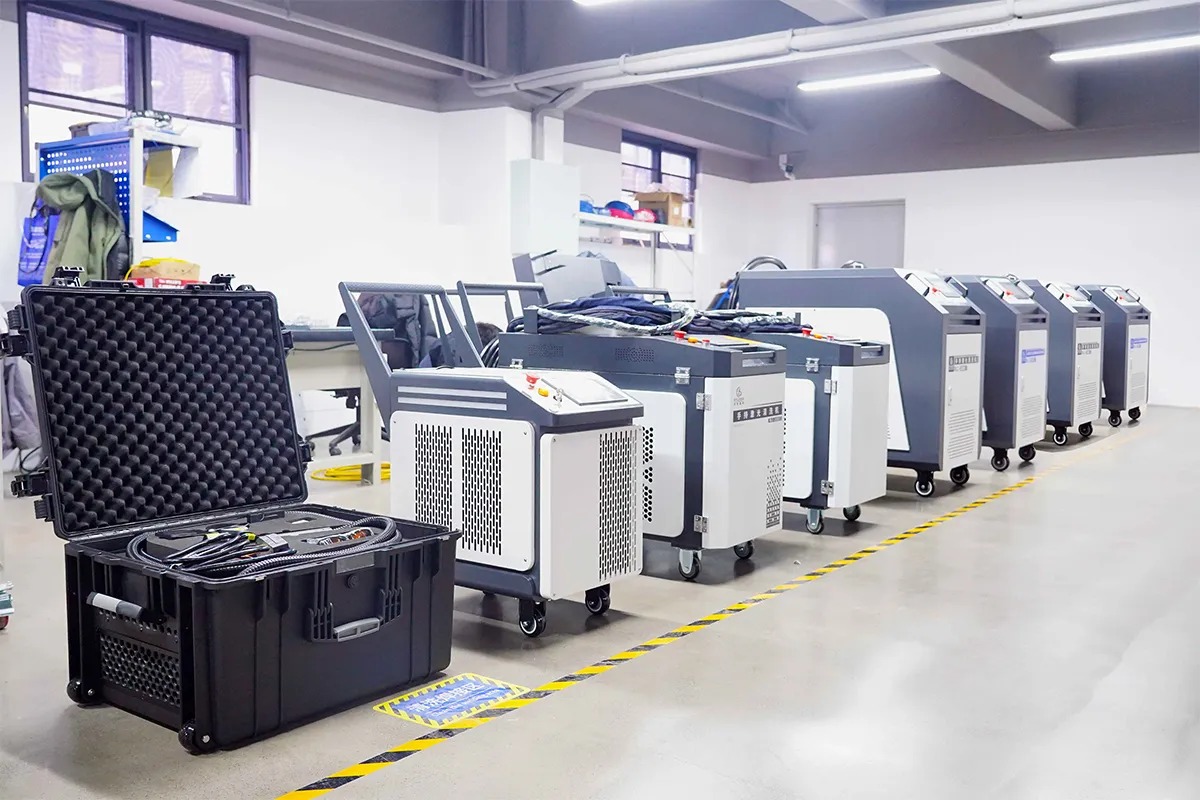
The technology behind a laser coating remover combines wavelength specificity, pulse frequency control, and power density optimization to achieve selective material removal. Industrial facilities, automotive manufacturers, aerospace companies, and restoration specialists increasingly choose laser paint stripper systems because they reduce labor costs, eliminate hazardous waste disposal, and achieve superior surface preparation quality. Understanding how this technology works and why it outperforms conventional paint removal methods is essential for decision-makers evaluating coating removal solutions.
Core Technology Behind Laser Paint Stripping
Laser Wavelength and Energy Interaction
A laser coating remover operates by emitting concentrated photon energy at specific wavelengths that interact selectively with paint molecules. The laser beam focuses energy into a small spot diameter, creating extremely high irradiance levels that exceed the ablation threshold of coating materials. When paint absorbs this energy, molecular bonds break down rapidly, and the coating material vaporizes or transforms into loose particles that are easily removed by a vacuum collection system or blown away by compressed air.
Different paint types and substrates respond to different laser wavelengths. Near-infrared wavelengths, typically between 800 and 1100 nanometers, work effectively for most organic coatings and rust removal. Shorter ultraviolet wavelengths may be used for precision applications on sensitive materials. The paint removal laser technician adjusts pulse duration, repetition frequency, and power output to match the specific coating composition and substrate material, ensuring maximum removal efficiency without substrate damage.
Pulse Mode and Thermal Control
Pulsed laser systems deliver energy in rapid bursts rather than continuous beams, which is critical for controlling heat distribution during paint removal. Each laser pulse lasts microseconds or nanoseconds, allowing the substrate surface to cool between pulses and preventing thermal distortion or warping. This pulse-mode operation distinguishes advanced laser surface cleaning equipment from older continuous-wave systems and enables safe operation on temperature-sensitive materials like composite panels, thin sheets, and heat-treated alloys.
The repetition rate determines how many pulses per second the laser fires, typically ranging from 20 to 100 kilohertz in modern industrial units. Higher repetition rates accelerate the paint removal laser process and improve surface uniformity, while lower rates provide more controlled material removal for delicate applications. Skilled operators adjust these parameters dynamically during work to balance stripping speed with surface quality.
Operational Workflow and Equipment Setup
Pre-Stripping Assessment and Planning
Before activating a laser paint stripper system, technicians evaluate the surface condition, paint layer thickness, substrate material composition, and contamination severity. This assessment determines the optimal laser parameters, expected stripping time, and whether preliminary cleaning or surface preparation is necessary. A paint removal laser operator reviews safety considerations, including confined space protocols, fume extraction requirements, and personnel protection equipment needs specific to the facility and job scope.
Effective laser surface cleaning requires clean optics, proper coolant circulation in the laser head, and calibrated vacuum or air removal systems to capture ablated material. Equipment setup includes positioning the laser unit at the correct standoff distance (typically 5 to 50 millimeters from the surface) and establishing safe work perimeters to prevent accidental exposure to the beam or reflections.
Active Stripping Process and Real-Time Monitoring
During the paint removal laser stripping phase, the operator or automated scanning system moves the laser beam across the surface in controlled patterns, typically in parallel lines or spiraling motions that ensure uniform coverage. The laser coating remover removes paint layer by layer, with each pass progressively exposing the substrate. Real-time feedback from surface sensors or visual inspection guides adjustments to speed, power, and pulse frequency to maintain consistent removal rates and surface finish.
A laser paint stripper operates silently with minimal vibration compared to mechanical grinding methods, reducing operator fatigue and improving precision control. Skilled technicians monitor the visual cues of the ablation process, watching for color changes in the substrate surface that indicate paint removal is complete. Once the substrate is fully exposed, the laser surface cleaning system can be switched off, and the cleaned surface may receive immediate application of primer or protective coating.
Advantages and Industrial Applications
Safety and Environmental Benefits
A laser paint stripper eliminates the hazardous chemical solvents and toxic fumes associated with traditional paint removal laser methods, creating safer working conditions and reducing environmental liability. No chemical waste requires disposal, no respiratory protection against fumes is needed beyond standard laser safety protocols, and no soil or water contamination results from runoff. This laser coating remover approach aligns with strict environmental regulations in aerospace, medical device, and food processing industries where chemical residues are strictly prohibited.
The non-contact nature of laser surface cleaning means operators maintain safe working distances from the work surface, reducing injury risk from sharp edges, caustic chemicals, or aggressive abrasive particles. Fire risk is minimized because no open flames or reactive chemical processes are involved, and cleanups are faster because debris remains localized and easily collected through vacuum systems.
Precision and Substrate Protection
Unlike grinding or sanding methods that remove base material along with the coating, a paint removal laser selectively targets only the paint layers when properly calibrated. This substrate preservation is critical for aerospace components, precision engineering parts, and restoration work where material thickness tolerances are tight and component integrity is essential. A laser coating remover achieves this selectivity because paint and substrate materials absorb laser energy at different rates, enabling selective ablation without substrate damage.
Industrial applications for laser surface cleaning include aerospace component refurbishment, automotive body restoration, railroad rail cleaning, historical artifact restoration, and precision manufacturing surface preparation. Electronics manufacturers use laser paint stripper technology for removing conformal coatings before circuit board rework. Shipbuilding and marine industries employ laser coating remover systems to prepare hulls and structures for repainting while preserving the underlying steel or aluminum thickness.
FAQ
Can a laser paint stripper remove all types of paint and coatings?
A laser paint stripper effectively removes most organic coatings, including polyurethane, epoxy, acrylic, and enamel paints. However, certain specialty coatings or multi-layer systems may require parameter adjustments or multiple passes. Laser surface cleaning works well on metals, composites, ceramics, and some plastics, but the operator must verify substrate compatibility before beginning work. Some materials with low melting points or heat sensitivity may require lower power settings or shorter pulse durations to prevent substrate damage.
What safety precautions are necessary when operating a laser paint stripper?
Operating a laser coating remover requires proper laser safety eyewear rated for the specific wavelength, clear safety signage around the work area, and compliance with facility laser safety protocols. Proper ventilation or fume extraction systems must capture ablated particles and any gases released during paint removal laser operation. Personnel should receive training in the specific equipment model, emergency stop procedures, and proper handling of reflective or fragile surfaces. Regular inspection of laser optics and maintenance schedules ensures safe, consistent operation of the paint removal laser system.
How does laser surface cleaning compare in cost and speed versus traditional paint removal methods?
A laser paint stripper typically achieves faster stripping rates than hand grinding or chemical soaking, though initial equipment investment is higher than basic mechanical tools. However, when accounting for labor hours, chemical waste disposal costs, environmental compliance, and substrate protection value, a laser coating remover system often delivers better overall cost performance on large industrial jobs. For small-scale or one-time projects, traditional methods may remain cost-effective, but for repetitive, high-precision, or environmentally regulated applications, laser surface cleaning represents superior long-term value.
