


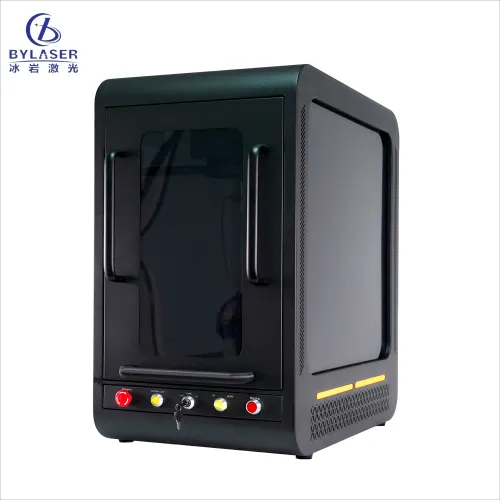
Achieving precision with a fiber laser engraver requires more than equipment ownership—it demands mastery of critical settings that directly control mark quality, depth, and consistency. Whether you work in jewelry production, metal marking, or industrial component identification, optimizing your laser engraving machine settings determines the difference between acceptable results and exceptional precision. This guide walks you through the essential parameters and practical techniques that transform your fiber laser marking capabilities.
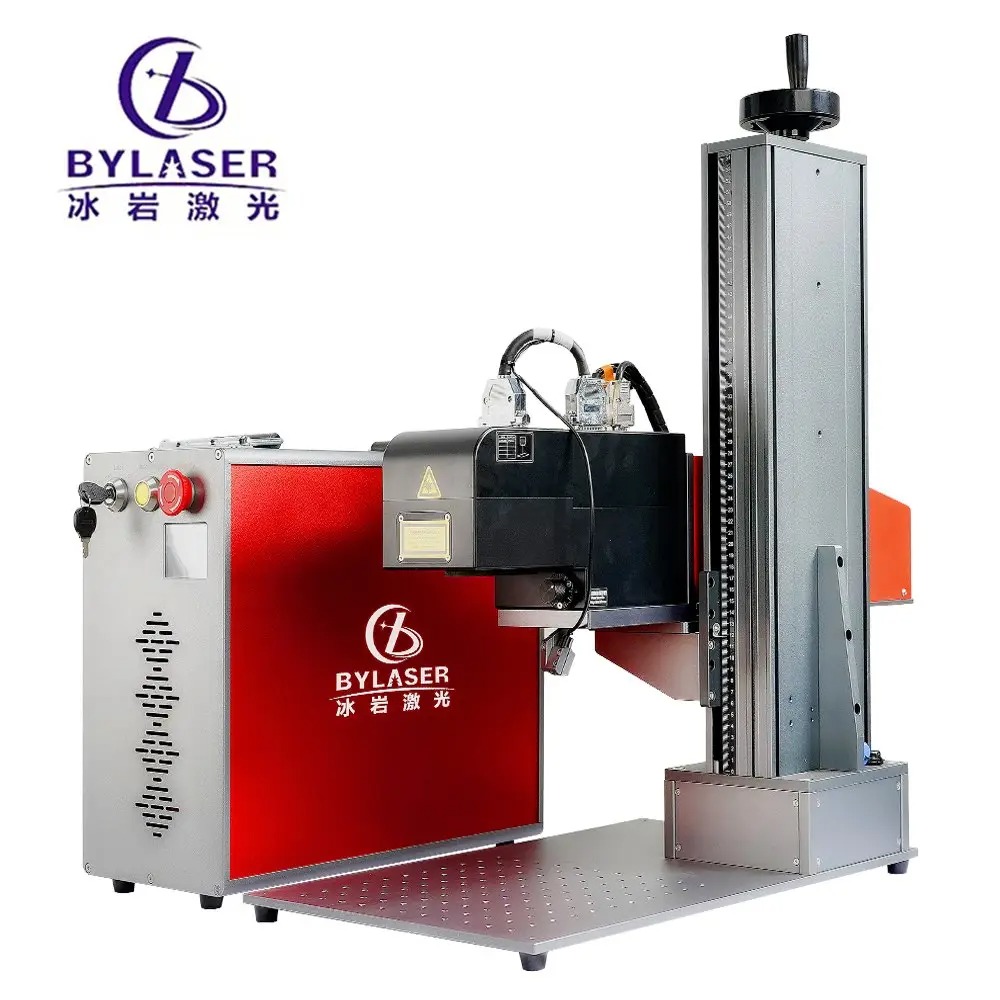
The foundation of precision lies in understanding how your industrial laser engraving system translates electronic commands into physical marks on material surfaces. Power output, beam focus, travel speed, and frequency settings work together in a complex relationship where small adjustments create measurable differences in engraving depth and quality. Learning to balance these variables ensures consistent results across production runs and maintains your laser engraving machine investment for years of reliable operation.
Power and Speed Balance for Optimal Mark Quality
Understanding Laser Power Settings
Laser power directly controls how much energy the fiber laser marking system delivers to your material surface. Higher power settings vaporize material faster, creating deeper marks, but excessive power causes unwanted spreading of heat and rough edge quality. Most industrial laser engraving applications operate between 20 and 80 percent power, depending on material type and desired depth. Soft metals like aluminum and copper require moderate power levels, typically 40 to 60 percent, while harder materials such as stainless steel benefit from higher settings. Starting at lower power and incrementally increasing until you achieve your target mark depth prevents material damage and allows you to find the sweet spot for your specific application.
Optimizing Travel Speed
Travel speed determines how quickly your fiber laser engraver moves across the material surface during marking. Slower speeds allow more energy per unit distance, creating deeper and darker marks; faster speeds produce lighter marks and reduce processing time. The relationship between power and speed is inverse—high power with high speed may exceed material ablation thresholds, while low power with low speed wastes time without improving mark quality. For the laser engraving machine, typical speeds range from 50 to 500 millimeters per second, with precision work favoring slower speeds between 100 and 200 millimeters per second. Testing different speed combinations with your chosen power level reveals the optimal balance for your production environment and material specifications.
Focus and Frequency Mastery
Achieving Sharp Focal Point Precision
The focal point of your fiber laser marking system determines beam concentration and mark sharpness. Proper focus is critical because the beam diameter at the focal point directly affects minimum line width and detail resolution. Most industrial laser engraving machines include autofocus capabilities or manual focus adjustment mechanisms; some advanced systems offer dynamic focus that adjusts height automatically across uneven surfaces. Before beginning production runs, conduct focus tests using test materials identical to your production substrates. A perfectly focused beam appears as a fine, bright spot approximately 0.1 millimeters in diameter, producing the sharpest possible marks. Misalignment of just 0.5 millimeters degrades mark quality noticeably, so periodic focus verification prevents quality drift during extended production sessions.
Frequency and Pulse Optimization
Frequency controls how many laser pulses occur per second and significantly influences mark appearance and material interaction. Higher frequencies typically between 100 and 300 kilohertz create smoother, darker marks by preventing thermal spillover between pulses, while lower frequencies produce more pronounced texture. For fiber laser marking applications requiring fine detail and aesthetic appearance, frequencies in the 200 to 300 kilohertz range deliver superior results. The laser engraving machine's frequency settings work synergistically with power and speed—higher frequencies often allow slightly reduced power while maintaining mark depth. Adjusting frequency is particularly important when transitioning between different material types or when precision detail becomes critical for product identification or branding purposes.
Material-Specific Settings and Environmental Control
Configuring Settings for Different Materials
Different materials respond uniquely to fiber laser marking, requiring specific setting adjustments. Metals like stainless steel and titanium typically demand higher power and moderate speeds to achieve clear, contrasting marks without excessive heat distortion. Anodized aluminum surfaces, common in aerospace and automotive applications, require careful power calibration to mark through the anodize layer without affecting the underlying base metal. Plastics and composites necessitate lower power settings and faster speeds to prevent melting or discoloration beyond the intended mark area. Creating material-specific presets within your laser engraving machine software accelerates your workflow and ensures consistency when switching between substrates. Maintaining a documented settings library including material type, power, speed, frequency, and focal distance helps your team reproduce successful results and reduce setup time for repeat orders.
Environmental Factors and Performance
Environmental conditions influence fiber laser engraver performance and mark consistency. Ambient temperature fluctuations affect laser tube cooling efficiency and beam alignment stability, so maintaining a controlled workshop environment between 18 and 24 degrees Celsius optimizes performance. Dust accumulation on optical components reduces beam intensity and focus precision; regular cleaning of lenses and mirrors ensures your industrial laser engraving system operates at peak efficiency. Air assist systems, which direct compressed air across the marking surface, improve mark quality by removing vaporized material and reducing thermal redeposition. These environmental controls and maintenance practices compound the benefits of optimized electronic settings, creating the conditions necessary for sustained precision in your production environment.
FAQ
What power level should I start with for a new material on my fiber laser engraver?
Begin at 30 percent power with moderate speed around 150 millimeters per second. Create a test grid varying power in 10 percent increments while maintaining constant speed, allowing you to observe how material responds and identify the minimum power necessary for visible marking. This systematic approach prevents material damage while establishing baseline settings for your laser engraving machine with each new substrate.
How does fiber laser marking compare to other laser engraving techniques for precision?
Fiber laser marking excels in marking metals and anodized surfaces with minimal heat input, producing sharper, finer details compared to CO2 systems. The shorter wavelength of fiber laser technology creates smaller focal spots, enabling industrial laser engraving capabilities on small components and detailed patterns where precision is critical. This advantage makes fiber systems preferred for aerospace, medical device, and high-end jewelry marking applications.
How often should I calibrate my industrial laser engraving system?
Perform focus calibration before each production shift or whenever you change materials significantly. Complete system calibration including power output verification should occur quarterly or after 500 hours of operation. Regular maintenance prevents drift in settings that would otherwise compromise the precision your laser engraving machine delivers, ensuring consistent mark quality throughout extended production periods.
