


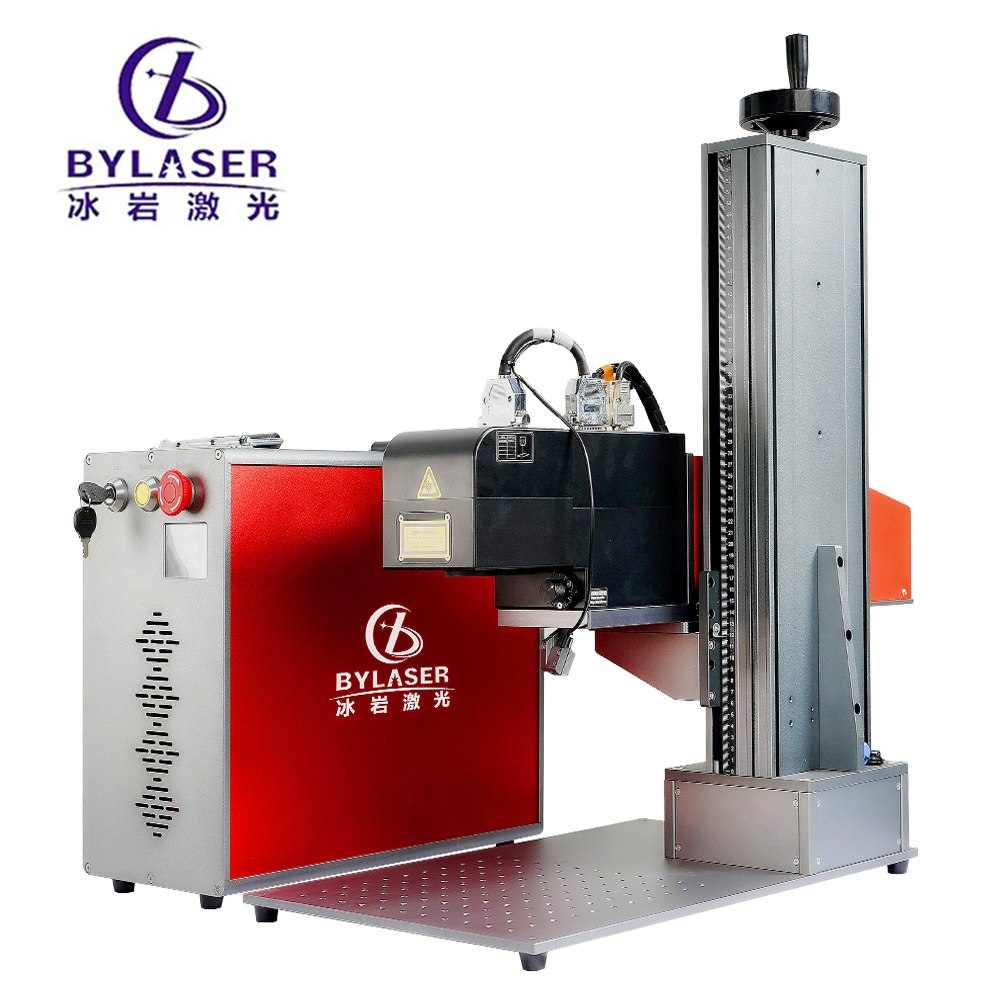
A fiber laser engraver represents a significant investment in industrial laser engraving capabilities, but its true value depends entirely on the safety features built into the system. Unlike older CO2 laser technologies, fiber laser marking systems operate with compressed laser radiation that demands rigorous protective measures. Safety features are not optional upgrades or marketing checkboxes—they directly protect operators, preserve equipment longevity, and ensure regulatory compliance across manufacturing environments.
When evaluating a laser engraving machine, operators and procurement teams should prioritize safety systems that address the unique hazards of fiber laser technology. The most critical protective mechanisms include beam containment, interlocking access controls, fume extraction, and emergency shutdown systems. An industrial laser engraving system equipped with these features transforms a potentially hazardous tool into a controlled manufacturing asset that protects personnel while maintaining consistent output quality.
Enclosure and Beam Containment Systems
Full Protective Enclosure Design
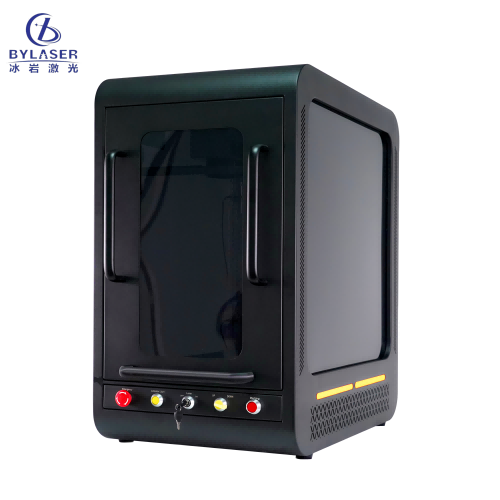
The enclosure is the first line of defense in any fiber laser engraving machine. A fully enclosed cabinet prevents accidental exposure to the laser beam during operation, reducing eye and skin injury risk to near zero during normal use. Industrial laser engraving systems should feature reinforced metal or polycarbonate walls that absorb or reflect the beam safely. The enclosure also contains airborne particles and fumes generated during the laser marking process, which improves workplace air quality significantly.
High-quality fiber laser marking systems include windows rated for the specific wavelength output of the laser source. These windows use optical-grade materials designed to withstand repeated exposure without degradation. The enclosure design should allow adequate ventilation for cooling systems while maintaining beam containment, and all seams should be sealed to prevent laser scatter from escaping through gaps or joints.
Interlock Safety Gates and Emergency Stop Mechanisms
Access interlocks are mandatory safety components in modern laser engraving machines. When an operator opens an access door during laser operation, interlocks immediately halt beam emission and shut down the marking process. This prevents accidental laser exposure if someone reaches into the work area while the system is active. Emergency stop buttons provide manual override capability, allowing operators to cease all laser activity instantly if unexpected situations develop.
Industrial laser engraving systems should feature redundant interlocking on all access points. Fiber laser marking equipment with dual-circuit safety gates provides higher assurance that the laser will not fire when guards are open. Regular testing of these interlocks is essential to verify they remain functional and responsive over the system's operational lifetime.
Optical Safety and Radiation Management
Protective Eyewear and Beam Monitoring
Although a properly enclosed fiber laser engraver minimizes direct beam exposure, backup eye protection remains critical for maintenance, setup, and troubleshooting tasks. Operators handling laser engraving machines must wear wavelength-specific safety glasses rated for the 1060-nanometer infrared output typical of fiber laser marking systems. Standard sunglasses offer no protection against this invisible radiation and should never be relied upon as primary safeguards.
Modern laser engraving machine designs often incorporate beam monitoring sensors that detect aberrant laser scatter or reflections from the work surface. These sensors alert operators when stray radiation levels exceed safe thresholds, triggering automatic power reduction or system shutdown. Real-time beam monitoring transforms fiber laser marking equipment into a more proactive safety system rather than a purely reactive one.
Material-Specific Hazard Controls
Different materials respond differently when processed by a laser engraving machine. Some materials release hazardous fumes or particles that pose respiratory risks during industrial laser engraving operations. An industrial laser engraving system should include material recognition software or pre-processing guidelines that warn operators about potentially dangerous materials before marking begins. Certain substances like PVC or polycarbonate produce corrosive or toxic byproducts when engraved, requiring specialized ventilation upgrades.
The fiber laser marking process also generates heat and potential ignition sources. Advanced laser engraving machines include temperature monitoring and automated fire suppression that activates if localized heating exceeds safe limits. These systems are especially important when processing combustible materials or working in environments where open flames or sparks could create hazards.
Environmental and Operational Safety Features
Fume Extraction and Air Quality Management
Fume extraction is essential to any industrial laser engraving operation. Fiber laser marking systems generate smoke, dust, and gaseous byproducts during the ablation process. A quality laser engraving machine includes integrated or compatible external extraction systems that remove these contaminants before they reach operator breathing zones. Extraction efficiency directly impacts both worker health and equipment lifespan, as accumulated residue can degrade optical components in the laser marking setup.
The extraction system should include multilevel filtration—first capturing large particulates, then fine dust, then odorous gases if applicable. Laser engraving machines with real-time filter pressure monitoring alert operators when filters require replacement, ensuring extraction performance never degrades below safe standards. Proper ventilation also reduces ambient temperature buildup in the work area, keeping the operating environment comfortable during extended industrial laser engraving sessions.
Thermal Management and Power Stability
A fiber laser engraver relies on precise electrical input and stable cooling systems to maintain safe operation. Overheating damages laser tubes and optical components while also increasing fire risk in the work envelope. Advanced laser engraving machines include temperature sensors throughout the optical path, work chamber, and power supply, with automated throttling that reduces laser output if any component approaches thermal limits. This passive safety approach prevents damage and maintains consistent beam quality simultaneously.
Industrial laser engraving systems should also include surge protection and regulated power supplies that isolate the equipment from electrical fluctuations. A laser engraving machine powered by unfiltered utility power is vulnerable to component failure and erratic performance. Integrated or recommended uninterruptible power supplies ensure that safety interlocks and monitoring systems remain operational even during brief power disruptions.
FAQ
What laser safety certifications should a fiber laser engraver meet?
A fiber laser engraver should comply with international laser safety standards including IEC 60825-1, which establishes laser classification and safety requirements. In North America, laser engraving machines must meet ANSI Z136.1 standards for laser safety. In Europe, industrial laser engraving systems should conform to CE marking requirements and directive 2006/42/EC on machinery safety. Certification confirms that the laser engraving machine has undergone independent testing and meets recognized protection benchmarks for operator and environmental safety.
How often should safety interlocks on a laser engraving machine be tested?
Safety interlocks on a laser engraving machine should be tested at minimum monthly as part of routine maintenance protocols. Industrial laser engraving operations with high usage or multiple shifts may benefit from weekly testing. Documentation of all interlock tests creates an audit trail proving that the laser engraving machine's protective systems remained functional throughout its operational life. Testing involves opening each access door and confirming that laser emission ceases immediately and consistently.
Can a fiber laser engraver operate safely without an external fume extraction system?
Most industrial laser engraving systems cannot operate safely without fume extraction for extended periods. While a fiber laser engraver with good enclosure design contains some fumes internally, airborne contaminants will gradually accumulate in the work chamber, reducing visibility and contaminating optics. Long-term operation without extraction degrades image quality, increases maintenance frequency, and poses respiratory risks to operators. Even enclosed laser engraving machines benefit from external extraction, which removes hazards at the source rather than allowing them to linger in the work area.
