


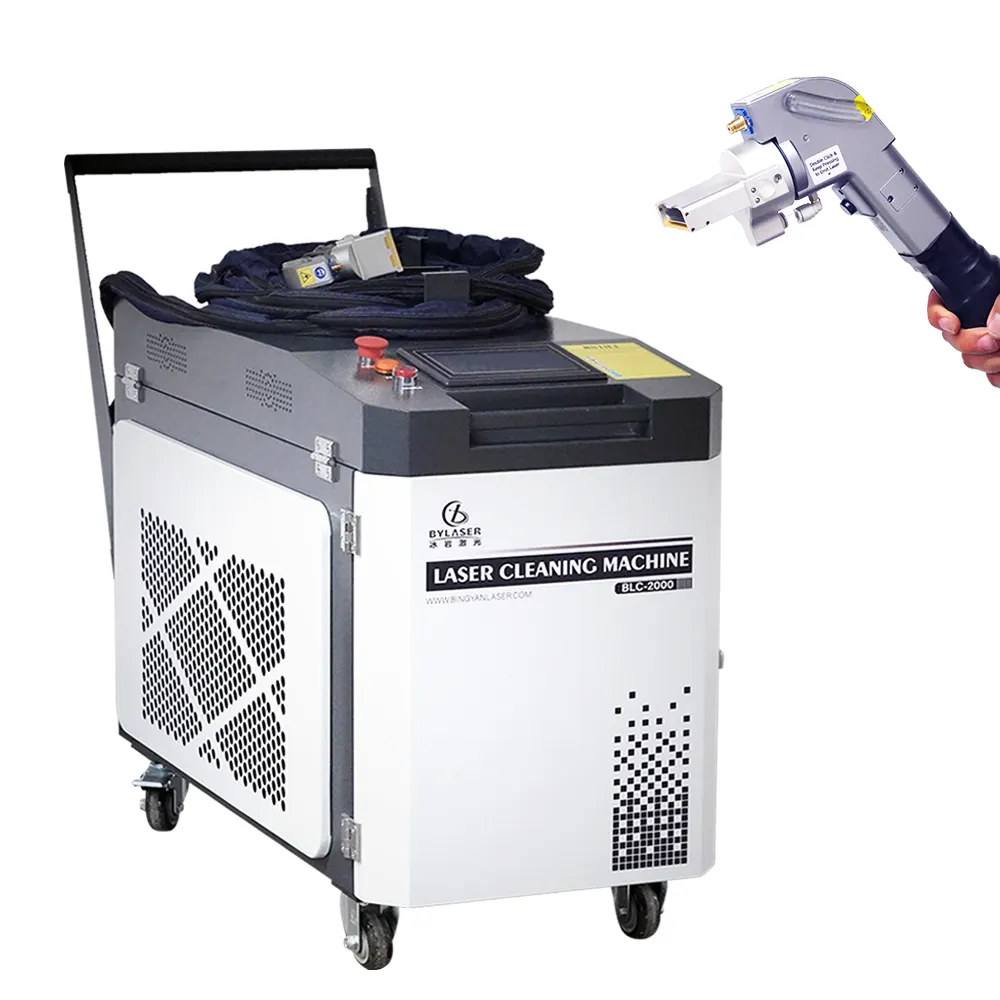
Preparing metal surfaces before engraving is one of the most critical steps in achieving high-quality results with any precision metal engraving equipment. Many operators overlook this foundational process, leading to poor mark quality, inconsistent depth, and wasted material. Whether you're working with stainless steel, aluminum, copper, or titanium, the condition of your metal surface directly impacts the performance of your laser engraving machine for metal and the final appearance of your finished product.
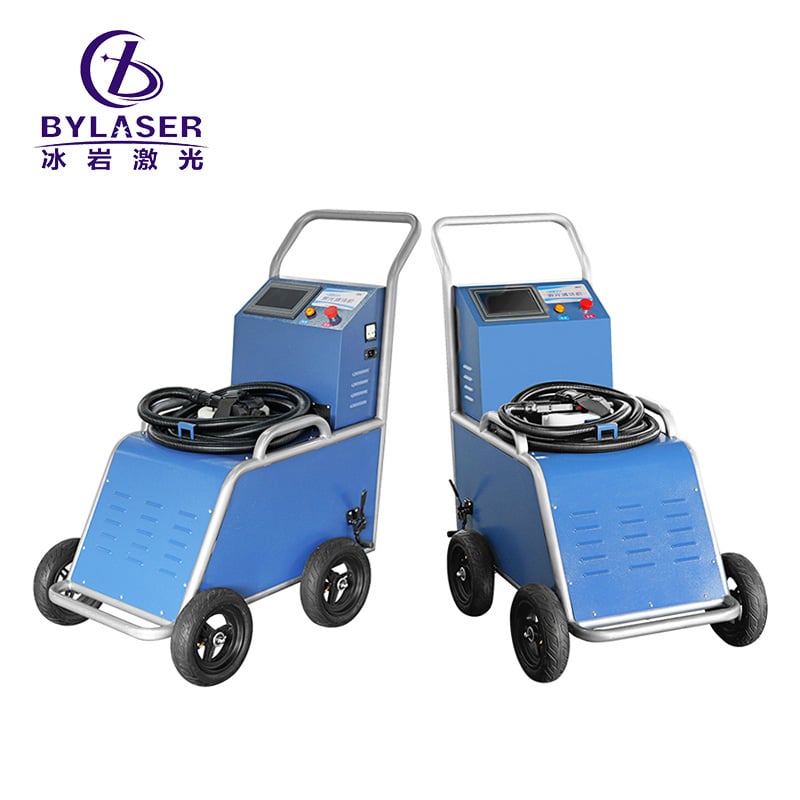
Proper surface preparation removes oxidation, contaminants, oils, and residue that interfere with laser beam interaction. Metal marking technology has advanced significantly, but even the most sophisticated systems cannot compensate for a poorly prepared substrate. This comprehensive guide walks you through each preparation stage, from cleaning and decontamination through final surface conditioning, ensuring your metal surfaces are ready for precision engraving.
Understanding Surface Contamination and Its Impact
Types of Surface Contaminants
Metal surfaces accumulate various contaminants during manufacturing, storage, and handling. Oxide layers form naturally on most metals when exposed to air and moisture, creating a barrier that dulls laser interaction and reduces mark contrast. Oils and greases from machining or handling processes interfere with consistent laser absorption. Dust, dirt, and metallic particles settle on surfaces and scatter the laser beam. Moisture creates inconsistent surface conditions that affect engraving depth and uniformity. When these contaminants remain, fiber laser metal processing becomes less efficient, requiring higher power settings and longer exposure times.
How Contamination Affects Engraving Quality
Dirty metal surfaces cause several quality issues that directly impact your work. Inconsistent laser absorption leads to variable mark depths across a single part, creating aesthetic problems and functional concerns if the engraving serves identification or traceability purposes. Surface contaminants can cause splashing or micro-explosions when the laser heats them, damaging surrounding areas and affecting precision. Poor surface conditions also reduce the contrast of your engraving, making marks harder to read or less visually appealing. Using precision metal engraving equipment on unclean surfaces is inefficient and often produces results that require rework or scrap material entirely.
Core Surface Preparation Steps
Initial Cleaning and Degreasing
Begin preparation by removing loose dirt and debris using soft brushes or compressed air. Avoid steel brushes on softer metals like copper or aluminum, as they leave microscopic scratches that interfere with consistency. Next, degrease the surface using appropriate solvents for your metal type. Isopropyl alcohol removes light oils and residues effectively for most applications. For heavily soiled parts, alkaline cleaning solutions or industrial degreasers may be necessary, followed by thorough rinsing. Ensure complete drying after cleaning, as residual moisture prevents proper oxidation removal and interferes with laser engraving machine for metal performance.
Oxide and Scale Removal
Removing oxide layers is essential for consistent metal marking technology results. Wire brushing, grinding, or light sanding removes surface oxides mechanically. For stainless steel and high-carbon materials, chemical pickling using dilute acid solutions dissolves oxides effectively. Alternatively, specialized oxide removal products designed for your specific metal type can simplify this step. Fiber laser metal processing performs best on freshly cleaned surfaces where oxides have been completely eliminated. Incomplete oxide removal leaves dull or inconsistent marks, so invest time in this step to ensure uniform laser absorption across the entire engraving area.
Surface Smoothing and Finishing
After removing contaminants and oxides, condition the surface finish to match your desired engraving quality. Light sanding with fine-grit sandpaper creates a uniform, slightly textured surface that enhances mark contrast and reduces reflectivity. For mirror-polished finishes, use progressive grits up to 2000 or higher, followed by a final polish with rouge or specialized metal polish. The surface finish you choose affects how your engraving appears visually. Smoother surfaces produce sharper, more defined marks, while slightly textured surfaces may distribute the laser energy differently. Consider your application requirements and aesthetic preferences when selecting your final surface condition.
Advanced Preparation Techniques for Precision Work
Electropolishing and Chemical Treatment
For applications requiring maximum precision metal engraving equipment performance, electropolishing removes microscopic irregularities and creates an ultra-smooth surface. This electrochemical process dissolves surface layers uniformly, leaving a clean, passive metal surface that resists oxidation and contamination. Electropolished surfaces produce superior engraving contrast and allow finer detail reproduction. Chemical passivation, commonly used on stainless steel, creates a protective oxide layer that prevents future corrosion and maintains surface quality during storage. Both techniques require specialized equipment or professional services but deliver exceptional results for demanding applications where laser engraving machine for metal quality is non-negotiable.
Pre-Engraving Surface Protection
After preparing metal surfaces, protect them from re-contamination before engraving. Store prepared parts in clean, dry environments away from dust and humidity. Using protective coatings like thin lacquer or specialized surface protection films prevents oxide reformation and dust accumulation. Remove protective coatings immediately before engraving to ensure optimal fiber laser metal processing results. Some operators apply masking tape or adhesive films to areas surrounding the engraving zone, protecting nearby surfaces while keeping the engraving area exposed. Proper storage and handling between preparation and engraving maintains your preparation quality and ensures consistent results throughout your production run.
FAQ
What happens if I engrave on unprepared metal surfaces?
Engraving unprepared metal produces inconsistent results with variable depth, poor contrast, and unprofessional appearance. Contaminants interfere with laser absorption, requiring higher power and longer processing times that waste energy and reduce equipment efficiency. Your laser engraving machine for metal may also accumulate residue and contaminant particles over time, requiring more frequent maintenance and calibration.
How often should I prepare metal surfaces during high-volume production?
For production runs of similar parts, prepare surfaces once before beginning, then maintain consistency through proper storage and handling between engraving cycles. If parts sit exposed for extended periods, brief touch-up cleaning may be necessary to remove accumulated dust or moisture. Metal marking technology maintains quality best when preparation timing and conditions remain consistent throughout your production schedule.
Can fiber laser metal processing compensate for poor surface preparation?
While modern fiber laser metal processing is sophisticated, it cannot fully compensate for contaminated or poorly prepared surfaces. Higher power settings and longer exposure times might achieve readable marks, but this approach wastes energy, increases processing time, and produces lower-quality results compared to properly prepared surfaces. Precision metal engraving equipment performs at its best when surfaces are clean and properly conditioned.
