


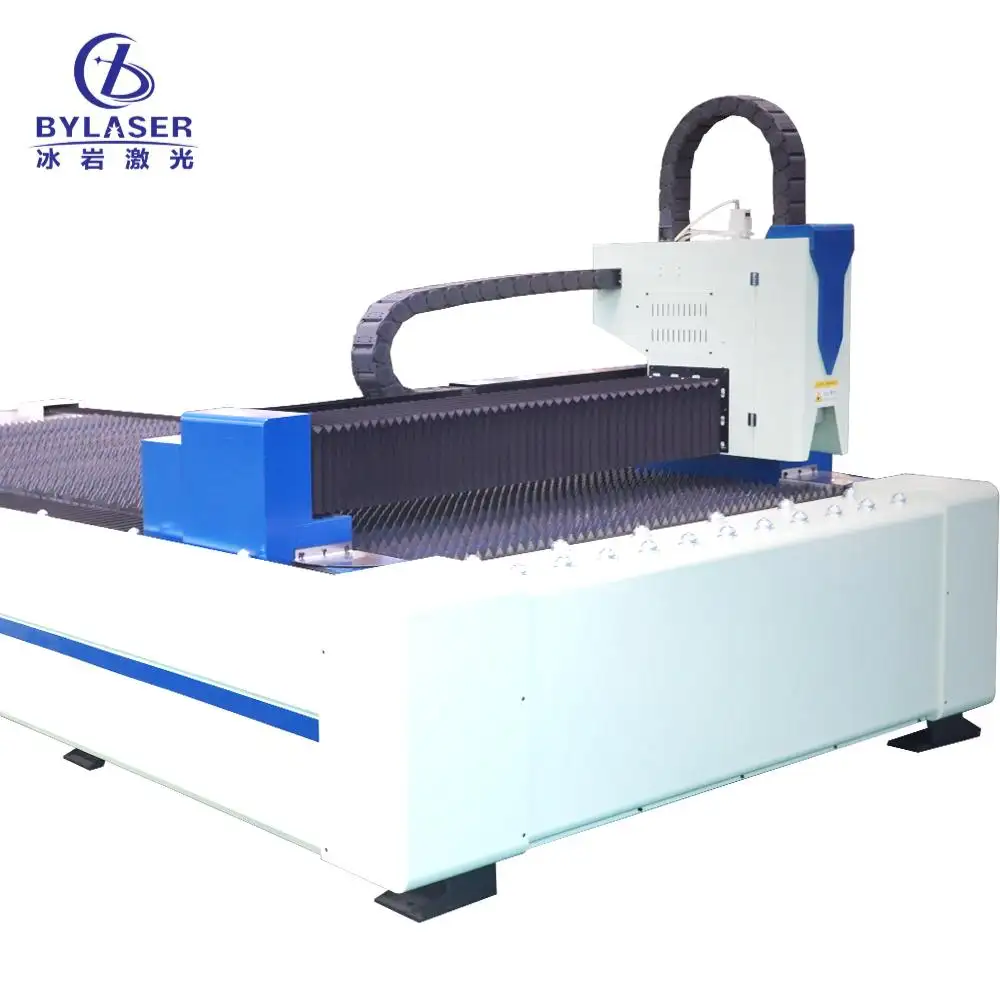
A laser rust remover uses focused light energy to vaporize rust, oxide, and contaminants from metal surfaces without chemicals or abrasive methods. This innovative rust removal technology has transformed how industries maintain and restore metal equipment, machinery, and infrastructure. The process works by directing concentrated laser pulses at corroded areas, where the thermal energy breaks rust bonds and lifts contamination away, leaving clean metal beneath.
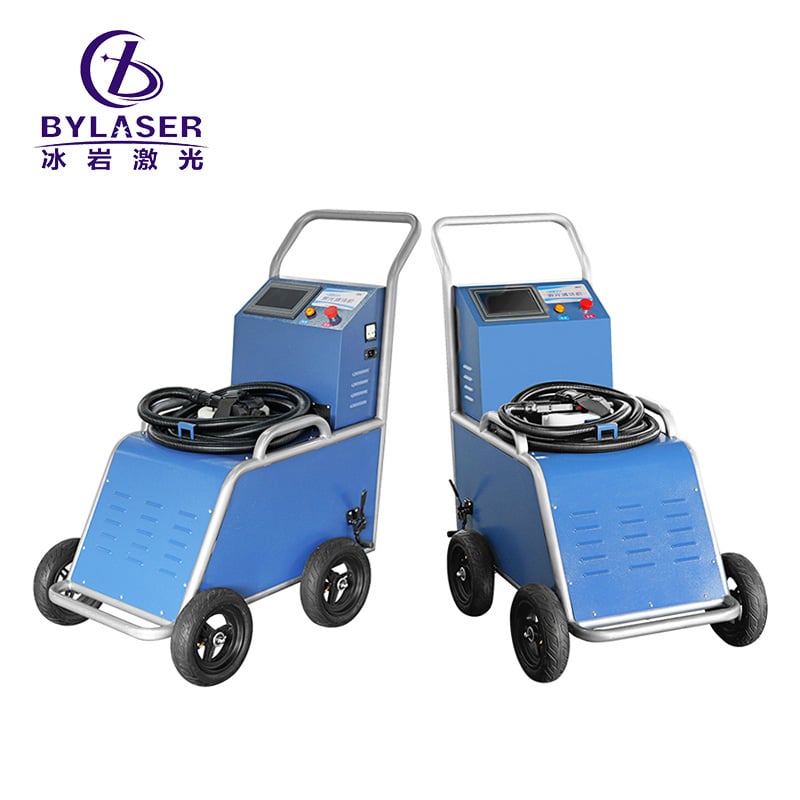
Understanding how a laser cleaning machine operates requires knowledge of pulse laser technology and material physics. The laser emits short, high-intensity pulses that interact with rust at a microscopic level, creating controlled ablation without damaging the underlying metal substrate. This metal surface treatment method offers precision, safety, and environmental benefits compared to traditional grinding, sandblasting, or chemical stripping approaches.
The Physics Behind Laser Rust Removal
Laser Energy and Material Interaction
When a laser cleaning machine delivers energy to rust surfaces, the photon wavelength interacts with oxide molecular bonds. Rust contains iron oxide compounds with weak structural integrity relative to pure metal. The focused laser beam concentrates enormous energy density into a tiny spot, heating the rust layer to temperatures exceeding the sublimation point of iron oxide, forcing it to convert directly from solid to vapor and escape the metal surface.
This rust removal technology operates through selective absorption, meaning the rust layer absorbs laser energy more efficiently than clean metal beneath. This selectivity is crucial because it prevents deep damage to the substrate. A properly calibrated laser rust remover removes only the unwanted oxidation layer while preserving structural integrity, making metal surface treatment safer and more controlled than mechanical methods.
Pulse Duration and Thermal Management
The pulse duration of a laser cleaning machine determines how quickly energy reaches the rust surface and how thermal energy distributes. Short pulses, typically measured in nanoseconds, deliver force before heat can conduct into the metal substrate, creating an acoustic shock wave that helps lift debris away. This pulse-based approach minimizes thermal stress to the base metal, reducing warping, oxidation, and material degradation that occur with slower heat application methods.
Temperature control is essential for effective rust removal technology. If pulses are too weak, rust remains partially bonded. If pulses are too strong, clean metal can be damaged. Modern laser rust remover systems use real-time monitoring and adjustable parameters to balance cleaning efficiency with substrate protection, ensuring consistent metal surface treatment across varied rust thicknesses and surface conditions.
Rust Removal Technology Process and Application
Step-by-Step Cleaning Mechanism
Operating a laser cleaning machine involves positioning the beam perpendicular to the rusted surface and triggering controlled laser pulses. The operator moves the laser rust remover across the affected area, and each pulse removes a thin layer of rust. The vaporized rust and oxide particles are expelled from the surface, leaving exposed clean metal. Multiple passes may be needed for heavy corrosion, but the process is repeatable and adjustable based on rust depth.
The rust removal technology requires minimal preparation compared to other metal surface treatment methods. There is no need to apply chemical strippers, mask surrounding areas intensively, or contain abrasive particles. The laser rust remover operates with a focused beam that only affects the target surface, meaning nearby paint, rubber, or sensitive components remain unharmed. This precision makes laser cleaning machines ideal for restoring detailed machinery and equipment in tight spaces.
Industrial and Practical Applications
Industries utilize laser rust remover systems for maintenance, restoration, and preparation work across manufacturing, automotive, maritime, and infrastructure sectors. Metal surface treatment with rust removal technology accelerates downtime reduction because the cleaning process is faster than grinding or sanding for large surface areas. Equipment restored with a laser cleaning machine regains functionality and visual appeal without losing material or compromising structural properties.
Off-road and outdoor equipment particularly benefits from rust removal technology because exposure to moisture and salt creates persistent corrosion. Using a laser rust remover on mining equipment, construction machinery, and maritime vessels removes years of accumulated rust quickly. The metal surface treatment method preserves equipment value, extends service life, and improves worker safety by eliminating sharp rust edges and preventing structural weakening.
Advantages Over Traditional Rust Removal Methods
Environmental and Safety Benefits
Unlike chemical rust removal, a laser cleaning machine produces no toxic fumes or hazardous waste requiring disposal. The rust removal technology eliminates the need for respiratory protection and chemical handling training. No water runoff contamination occurs, and the vaporized rust particles are minimal and easily contained with simple air filtration. This makes rust removal technology particularly attractive for indoor facilities and environmentally sensitive locations.
The laser rust remover also improves worker safety compared to grinding or sandblasting methods. There are no high-speed projectiles, no noise-induced hearing damage, and no dust inhalation hazards. Metal surface treatment with a laser cleaning machine reduces personal protective equipment needs and workplace compliance complexity, lowering operational costs while improving safety metrics.
Precision and Material Preservation
A laser rust remover removes only rust and oxidation without altering underlying metal. Mechanical abrasion removes material indiscriminately, creating surface irregularities and material loss. Rust removal technology maintains original dimensions and surface finish, which is critical for components requiring tight tolerances or specific mechanical properties. The precision of a laser cleaning machine makes metal surface treatment suitable for delicate restoration, aerospace parts, and high-value equipment.
Traditional grinding and sanding also require post-cleaning preparation, masking, and protection application. A laser rust remover completes the job in one stage, then the cleaned metal is immediately ready for inspection, painting, or reassembly. This efficiency reduces total processing time and labor costs, making rust removal technology economically competitive even for single-project use.
FAQ
Can a laser rust remover damage the underlying metal?
When properly calibrated, a laser cleaning machine removes only rust and oxidation without harming clean metal. The rust removal technology selectively absorbs laser energy more than the substrate, and short pulse duration prevents deep heat conduction. However, misaligned settings or excessive dwell time on one spot can damage metal, so operator training and equipment calibration are essential for safe metal surface treatment.
What types of rust and corrosion can rust removal technology address?
A laser rust remover effectively removes surface rust, heavy oxidation, mill scale, paint, and light corrosion. The rust removal technology works on steel, stainless steel, aluminum, and other metals. Heavy pitting or deep structural corrosion may require multiple passes or combination methods. Rust removal technology performs best on regular oxidation layers; severe metal loss from pitting requires evaluation to determine if the metal structure is salvageable.
How portable is a laser cleaning machine for field use?
Modern laser rust remover systems range from portable handheld units to larger stationary installations. Portable rust removal technology models are designed for off-road and outdoor maintenance, with power requirements that adapt to field conditions. The laser cleaning machine beam delivery via fiber optic cables provides flexibility in positioning. Some rust removal technology setups are mounted on equipment for on-site metal surface treatment, making them practical for remote locations and emergency restoration scenarios.
