


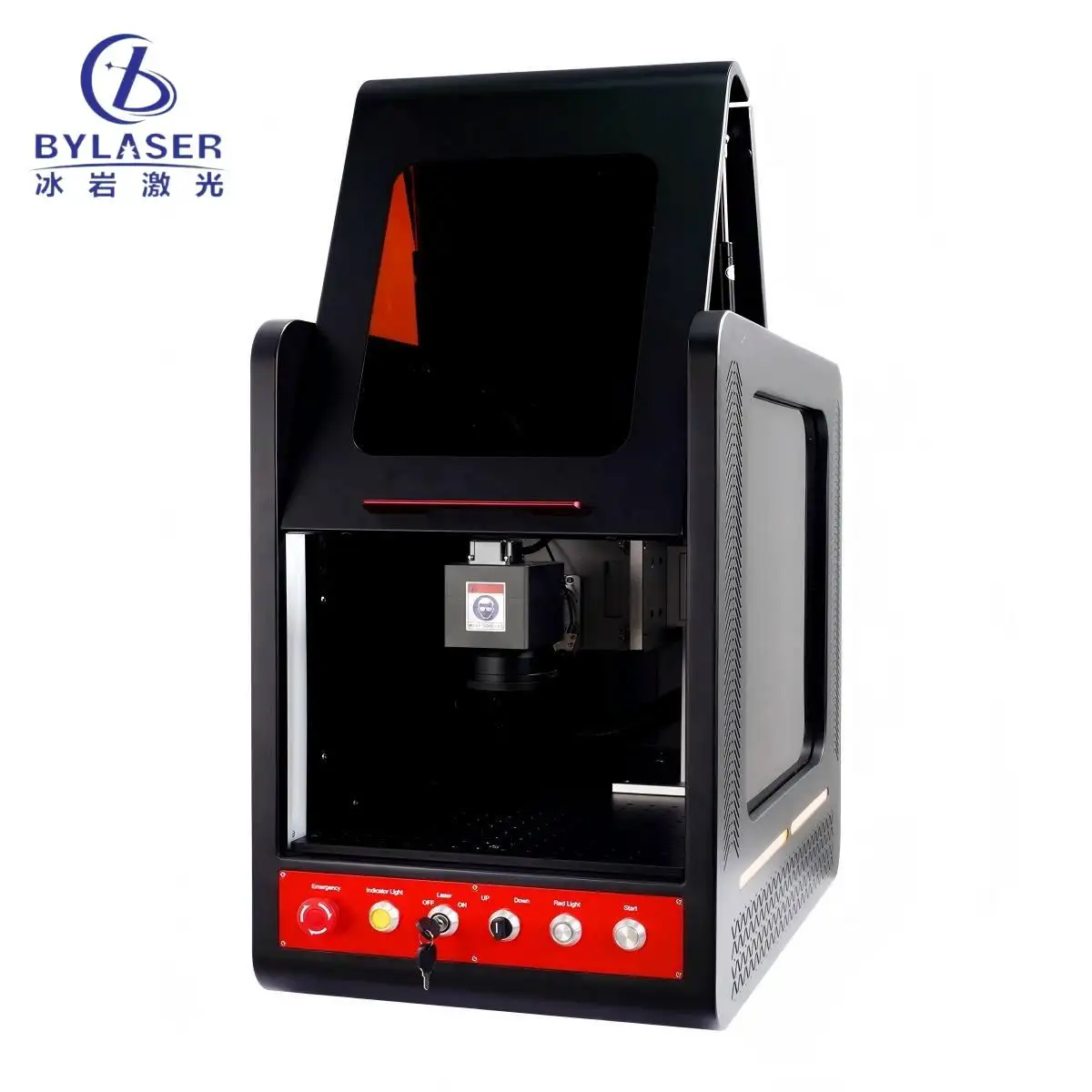
The laser engraver machine has become indispensable across numerous industries, transforming how businesses create, customize, and mark products. From small artisan shops to large-scale manufacturers, organizations now recognize that precision marking and engraving capabilities drive competitive advantage, reduce waste, and enable rapid customization. Understanding which businesses benefit most from laser technology helps decision-makers identify whether this investment aligns with their operational needs and growth strategy.
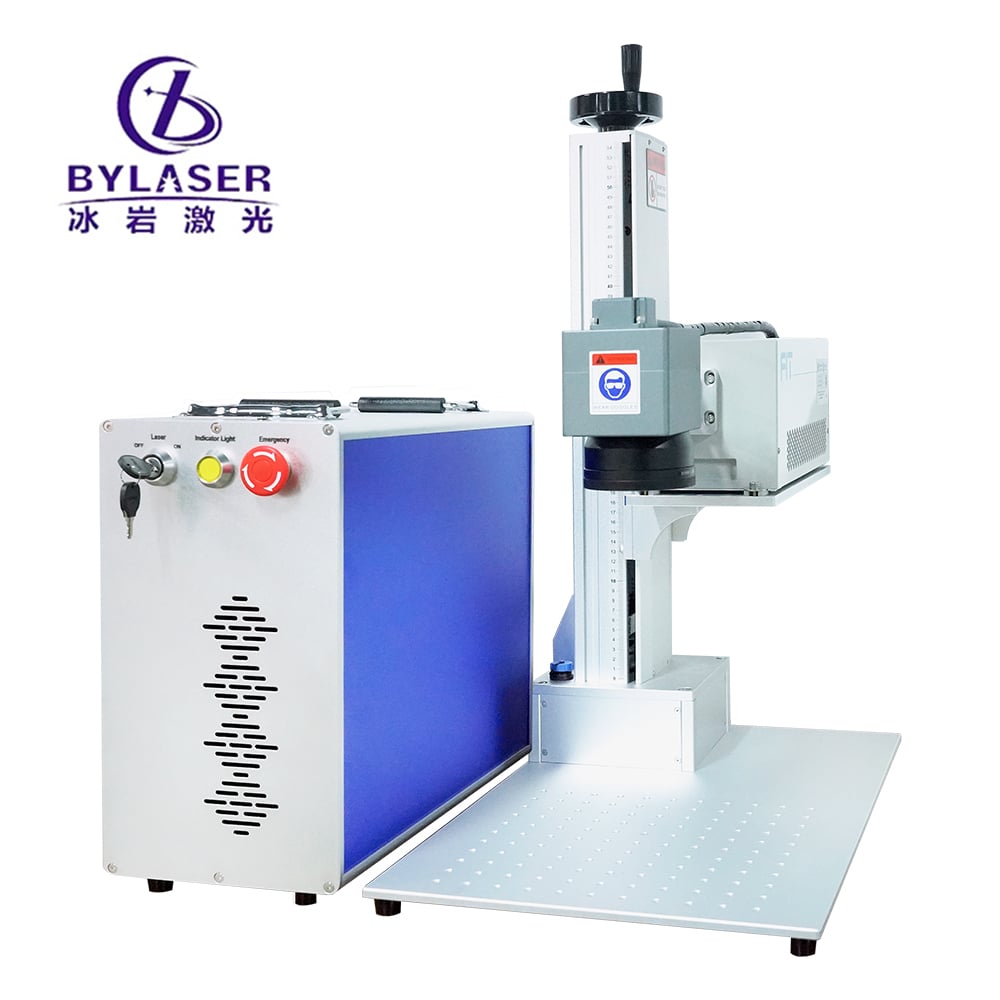
Today's business landscape spans diverse sectors that leverage laser technology for distinct operational advantages. Jewelry manufacturers, award trophy producers, electronics firms, signage companies, and architectural firms all rely on advanced marking and engraving solutions. Each industry employs specific laser technologies—CO2 laser engraving for organic materials, fiber laser marking for metals and hard surfaces, and industrial laser cutting for precision component fabrication—to achieve their quality, speed, and customization goals.
Manufacturing and Industrial Sectors
Precision Component Production
Manufacturing enterprises use industrial laser cutting to produce complex metal and composite components with extreme precision. Automotive suppliers, aerospace firms, and machinery manufacturers depend on CO2 laser engraving and fiber laser marking to meet tight tolerances while reducing secondary finishing operations. The consistency and speed of laser-based processes enable these businesses to fulfill high-volume orders without compromising quality, making laser technology central to their competitive positioning in global markets.
Electronics and Appliance Manufacturing
Electronics manufacturers apply fiber laser marking to engrave serial numbers, logos, and regulatory compliance data directly onto circuit boards, casings, and components. This industrial laser cutting capability ensures permanent identification that resists environmental wear, corrosion, and high-temperature exposure. Computer manufacturers, telecommunications equipment producers, and appliance makers rely on laser marking systems to streamline traceability, reduce counterfeit risks, and accelerate product lineups without costly die changes or manual labor.
Creative and Customization Industries
Jewelry, Awards, and Personalization
Jewelry artisans, trophy manufacturers, and gift customization businesses leverage CO2 laser engraving to personalize products with names, dates, and intricate designs at minimal cost. A single laser engraver machine enables these small and medium-sized enterprises to offer bespoke services that command premium pricing while maintaining production efficiency. Fiber laser marking on precious metals and stones provides durability and aesthetic appeal that hand engraving cannot match, transforming a labor-intensive craft into a scalable operation that serves corporate clients, event organizers, and individual consumers simultaneously.
Signage, Branding, and Retail Display
Signage fabricators and retail display specialists use industrial laser cutting to produce acrylic signage, wooden dimensional letters, and branded displays with clean edges and professional finish. CO2 laser engraving creates texture and depth on materials like wood, acrylic, and leather, enabling unique visual effects that distinguish customer branding in competitive retail environments. Businesses offering custom signage solutions find that laser technology reduces production time, minimizes material waste, and expands their creative capabilities to serve hospitality, corporate, and retail sectors effectively.
Specialized Services and Professional Applications
Architectural and Design Services
Architectural firms and interior design studios use fiber laser marking and industrial laser cutting to produce detailed scale models, material samples, and presentation boards. CO2 laser engraving adds surface detail to wood, acrylic, and composite materials, enabling designers to communicate complex spatial concepts and material finishes to clients before full-scale construction. This capability accelerates the design review process, reduces prototype costs, and showcases professionalism that strengthens client relationships and project approval timelines.
Textiles, Leather, and Fashion
Fashion and leather goods manufacturers apply CO2 laser engraving to create intricate patterns, logos, and surface textures on leather, suede, and specialty fabrics. Textile companies use laser technology to mark synthetic materials, cut precise patterns for apparel and accessories, and apply decorative elements that reflect current design trends. The precision and speed of a laser engraver machine enable fashion businesses to move quickly from concept to finished product while maintaining consistent quality across custom orders and seasonal collections.
Gifting, Art, and Educational Sectors
Artists and educators leverage fiber laser marking and CO2 laser engraving to explore creative expression while teaching technical skills. Museums and cultural institutions use laser technology to create educational displays and interpretive exhibits with precision detailing. Nonprofit organizations and community makers use shared laser engraver machines to support local artisans, craft enthusiasts, and startup founders who lack the capital for individual equipment investment, democratizing access to professional-grade production capabilities.
Determining Your Laser Solution Fit
Evaluating Material Types and Production Volume
Businesses must assess whether their primary materials align with available laser technologies. CO2 laser engraving excels on organic materials like wood, acrylic, paper, and leather, making it ideal for creative and customization industries. Fiber laser marking suits metal work, electronics, and jewelry applications where permanent surface marking is essential. Industrial laser cutting serves manufacturing environments where precision edge quality and production volume justify capital investment. Understanding your material mix directly influences which laser engraver machine configuration delivers maximum return on investment and operational efficiency.
Scalability and Revenue Models
Startups and small businesses often begin with service-based laser operations—offering personalization and custom marking to external clients—before integrating the technology into their manufacturing processes. As order volumes grow and customer demand stabilizes, companies transition to in-house production, reducing outsourcing costs and delivery timelines. Whether your business model emphasizes high-margin, low-volume custom work or high-volume, lower-margin commodity marking significantly influences technology selection, space requirements, and staffing decisions within your operation.
FAQ
Which industries most commonly use CO2 laser engraving technology?
CO2 laser engraving is most prevalent in jewelry, trophy, signage, wood crafting, and personalization industries. These sectors benefit from the technology's ability to mark organic materials like wood, acrylic, leather, and paper with intricate detail and high-speed production. The versatility of CO2 laser engraving makes it particularly valuable for small business operations and creative enterprises that serve custom, made-to-order markets where flexibility and design differentiation drive customer value.
Can fiber laser marking support both small startups and large manufacturing operations?
Yes, fiber laser marking systems scale across business sizes and production volumes. Startups may use entry-level fiber laser marking equipment to offer premium metal engraving and jewelry customization services, while large manufacturers integrate industrial-grade systems into automated production lines for high-volume component traceability. The technology's consistent quality, low maintenance, and energy efficiency make it economically viable for both startup service providers and established manufacturers seeking to reduce operational costs and improve product identification reliability.
What role does industrial laser cutting play in modern manufacturing competitiveness?
Industrial laser cutting enables manufacturers to produce complex components with precision, speed, and minimal material waste compared to traditional mechanical cutting. Aerospace, automotive, and electronics sectors rely on laser technology to meet strict quality standards while reducing production lead times and secondary finishing operations. The ability to iterate designs rapidly and cut materials consistently without tool wear makes industrial laser cutting essential for businesses competing on innovation speed, product customization, and cost efficiency in global markets.
