


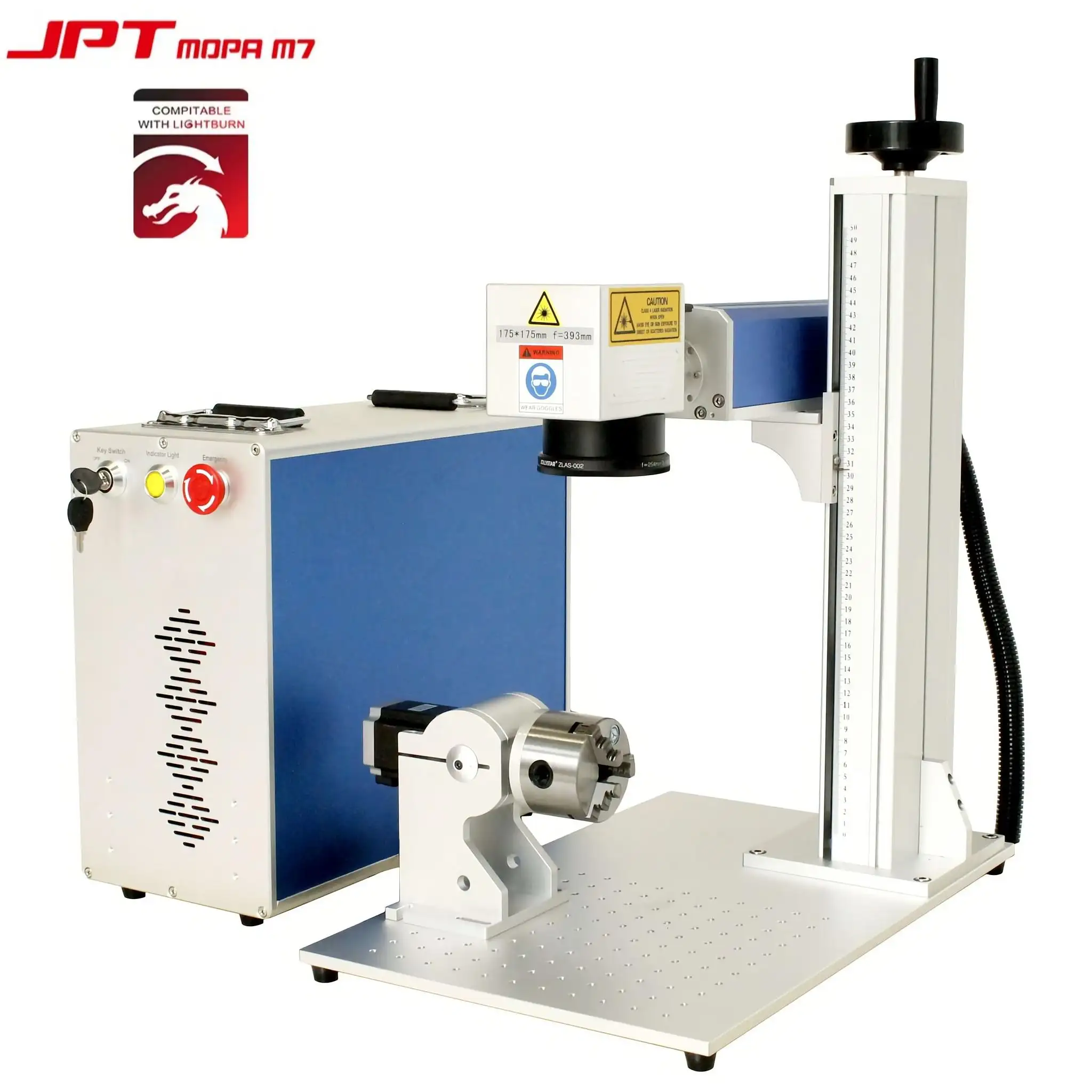
A laser paint remover is an advanced technological tool that uses focused light energy to strip coatings, paints, and surface contaminants from various materials without chemical solvents or abrasive contact. Unlike traditional industrial paint removal methods, laser paint stripping operates through a non-contact process that vaporizes paint layers selectively while preserving the underlying substrate. This innovative approach has transformed how manufacturers, restoration specialists, and maintenance teams handle coating removal laser applications across aerospace, automotive, manufacturing, and heritage preservation sectors.
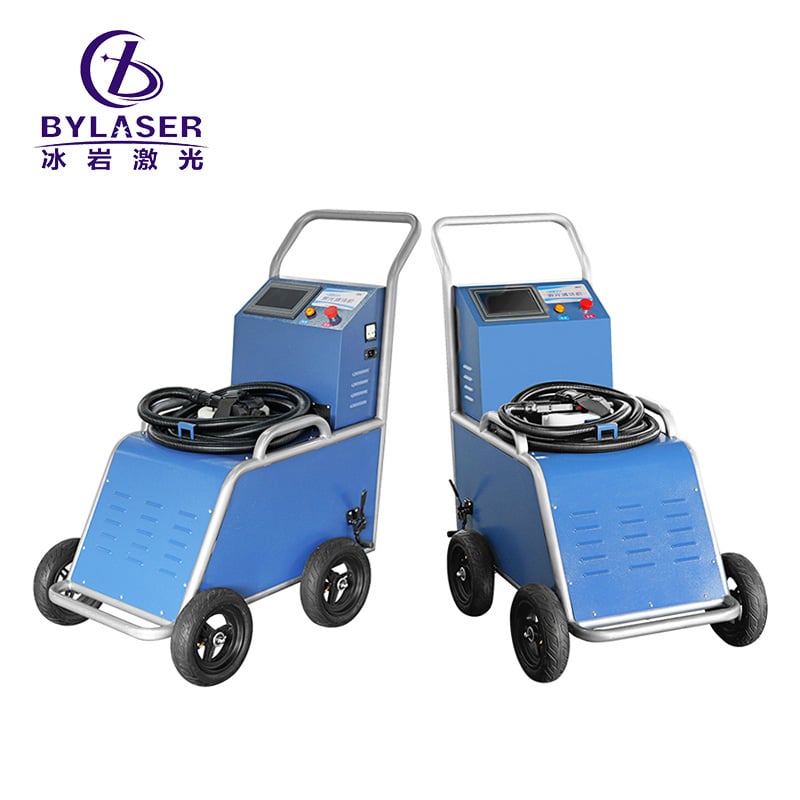
The technology behind industrial paint removal has evolved significantly over recent decades. Traditional methods involving chemical stripping, grinding, or sandblasting often damage substrate surfaces, create hazardous waste, and require extensive safety protocols. Laser paint stripping delivers a cleaner, faster, and more controlled alternative by harnessing the power of concentrated photon energy to ablate unwanted coatings precisely, making it ideal for sensitive materials and complex geometries that demand accuracy and surface integrity.
How Laser Paint Stripping Technology Works
The Physics of Laser Ablation and Coating Removal Laser Systems
Laser paint removal operates through a principle called thermal ablation, where high-intensity light pulses strike the coating surface and instantly vaporize the paint layer. Industrial paint removal using laser technology relies on pulsed fiber lasers or solid-state lasers that emit light at wavelengths specifically absorbed by paint pigments and binders. The laser beam focuses to a small spot size, delivering enormous energy density in microsecond intervals, causing the coating to sublimate—transform directly from solid to vapor—without melting or scorching the substrate beneath. This precision is what distinguishes coating removal laser solutions from abrasive or chemical alternatives, enabling operators to remove multiple paint layers or rust without compromising base material properties.
Control Parameters in Laser Paint Stripping Applications
Successful industrial paint removal depends on calibrating several critical parameters. Pulse frequency, laser power output, beam spot size, scanning speed, and wavelength all influence how effectively a coating removal laser system removes paint from target surfaces. Operators adjust these settings based on substrate material, paint type, layer thickness, and desired surface finish. Modern laser paint stripping systems feature real-time monitoring and automated controls to maintain consistent results across large or complex parts. The flexibility of these systems means a single laser paint remover can handle steel, aluminum, composite, stone, and wood substrates without requiring multiple specialized tools, reducing equipment overhead and training complexity in industrial paint removal workflows.
Key Advantages of Laser Paint Stripping for Industrial Applications
Environmental Safety and Substrate Preservation
One of the primary benefits of laser paint stripping is the elimination of chemical solvents, hazardous waste streams, and toxic fumes associated with traditional industrial paint removal methods. Coating removal laser systems generate minimal waste—only the vaporized paint molecules escape, and airborne particles are easily captured through standard dust collection. Because the laser paint remover operates without contact, there is no mechanical stress or thermal shock to sensitive substrates, making this technology ideal for aerospace components, vintage vehicles, delicate artwork, and precision-engineered parts where surface integrity is non-negotiable. Workers avoid exposure to corrosive chemicals and respiratory hazards, reducing occupational health risks and regulatory compliance burdens that accompany conventional paint stripping approaches.
Speed, Precision, and Operational Efficiency
Industrial paint removal using laser technology achieves faster processing times compared to chemical soaking, grinding, or hand-scraping methods. A skilled operator using a laser paint stripping system can remove multiple paint layers in minutes, not hours, accelerating production schedules and reducing labor costs per part. The precision of coating removal laser systems allows operators to target specific areas—such as logos, stickers, or localized corrosion—without affecting surrounding surfaces, a capability that manual methods cannot match. Additionally, modern laser paint remover equipment integrates with robotic arms or automated scanning systems, enabling unmanned operation on repetitive tasks or hazardous environments where human access is restricted or dangerous.
Industrial Paint Removal Applications and Real-World Use Cases
Aerospace, Automotive, and Manufacturing Sectors
Aerospace manufacturers rely on laser paint stripping to prepare aircraft surfaces for inspection, repair, and recoating without damaging underlying composite materials or aluminum structures. In the automotive industry, restoration shops use coating removal laser technology to strip old paint from classic cars while preserving original metal finishes and trim details. Heavy equipment manufacturers deploy industrial paint removal systems to refurbish hydraulic cylinders, turbine components, and structural assemblies that require precise coating removal without contamination or rework. Rail, marine, and infrastructure maintenance teams increasingly adopt laser paint remover equipment to address corrosion, remove old protective coatings, and prepare assets for repainting or deeper inspection in rapid timeframes with minimal downtime.
Surface Preparation and Maintenance Workflows
Beyond complete paint removal, laser paint stripping serves critical surface preparation roles in manufacturing workflows. Industrial paint removal using laser technology cleans oxide layers, rust films, and contaminants from metal surfaces before welding, bonding, or coating application, improving final product quality and durability. Maintenance teams employ coating removal laser systems to extend asset lifecycles by removing degraded coatings and surface deposits without introducing material loss or dimensional changes. This capability is especially valuable in industries where substrate thickness specifications are tight and traditional abrasive or chemical methods risk non-compliance or rework expenses, making a laser paint remover a strategic investment in quality assurance and operational reliability.
FAQ
Is laser paint removal safe for all materials?
Laser paint stripping is generally safe for most industrial substrates including steel, aluminum, titanium, and many composites when parameters are correctly configured. However, certain materials like thin plastics, delicate coatings, or specialized alloys require careful testing and adjusted settings. Always consult equipment specifications and material compatibility data before deploying industrial paint removal systems on unfamiliar substrates. Safety training and proper laser protection equipment are essential for operators working with laser paint remover technology.
How does coating removal laser technology compare to sandblasting or chemical stripping?
Laser paint stripping offers superior precision, no chemical waste, faster processing, and no substrate damage compared to sandblasting and chemical methods. Sandblasting generates large waste volumes and causes surface roughness; chemical stripping produces hazardous waste and fumes. A laser paint remover eliminates these downsides through non-contact, non-toxic operation, though initial equipment cost is higher. For high-volume or sensitive applications, laser paint stripping provides the lowest total cost of ownership and environmental impact.
What maintenance does a laser paint remover system require?
Laser paint removal equipment requires regular cleaning of optical components, periodic laser power calibration, and dust collector maintenance. Industrial paint removal systems typically have lower ongoing consumable costs than traditional methods since no grinding wheels, sandpaper, or chemical replacements are needed. Manufacturer guidelines specify inspection intervals and service procedures to maintain optimal coating removal laser performance and safety compliance over the equipment's operational lifespan.
