


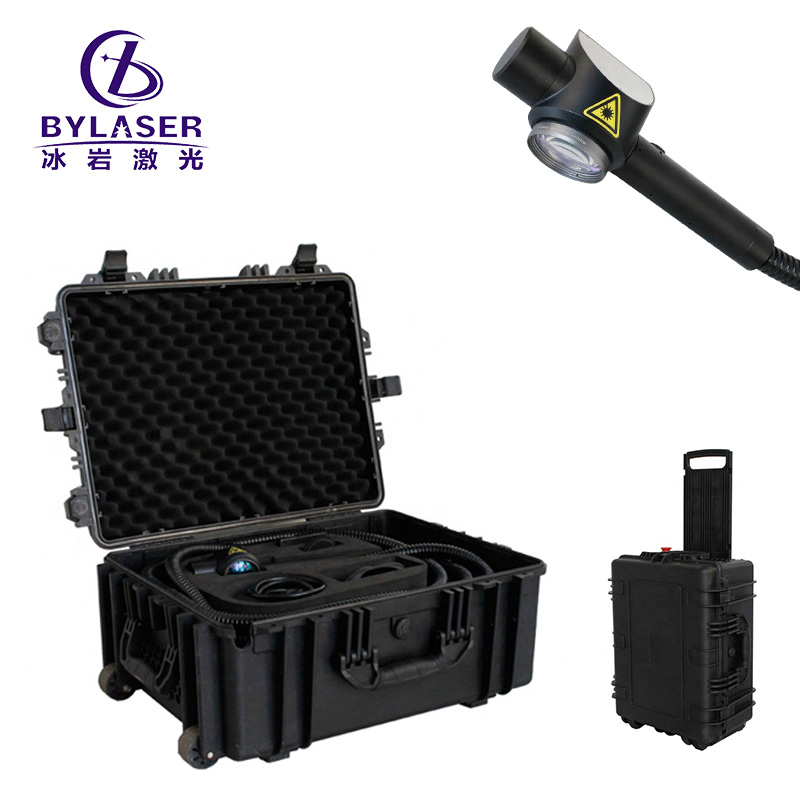
A pulse laser cleaning machine represents a breakthrough in industrial surface preparation and contamination removal. Understanding which materials this technology can process is essential for manufacturers, maintenance teams, and operators seeking efficient cleaning solutions. Unlike traditional methods that rely on chemical solvents, abrasive blasting, or mechanical grinding, pulse laser cleaning machines use focused light energy to selectively remove contaminants while preserving substrate integrity. The versatility of this approach makes it suitable across diverse industrial sectors, from aerospace manufacturing to automotive restoration.
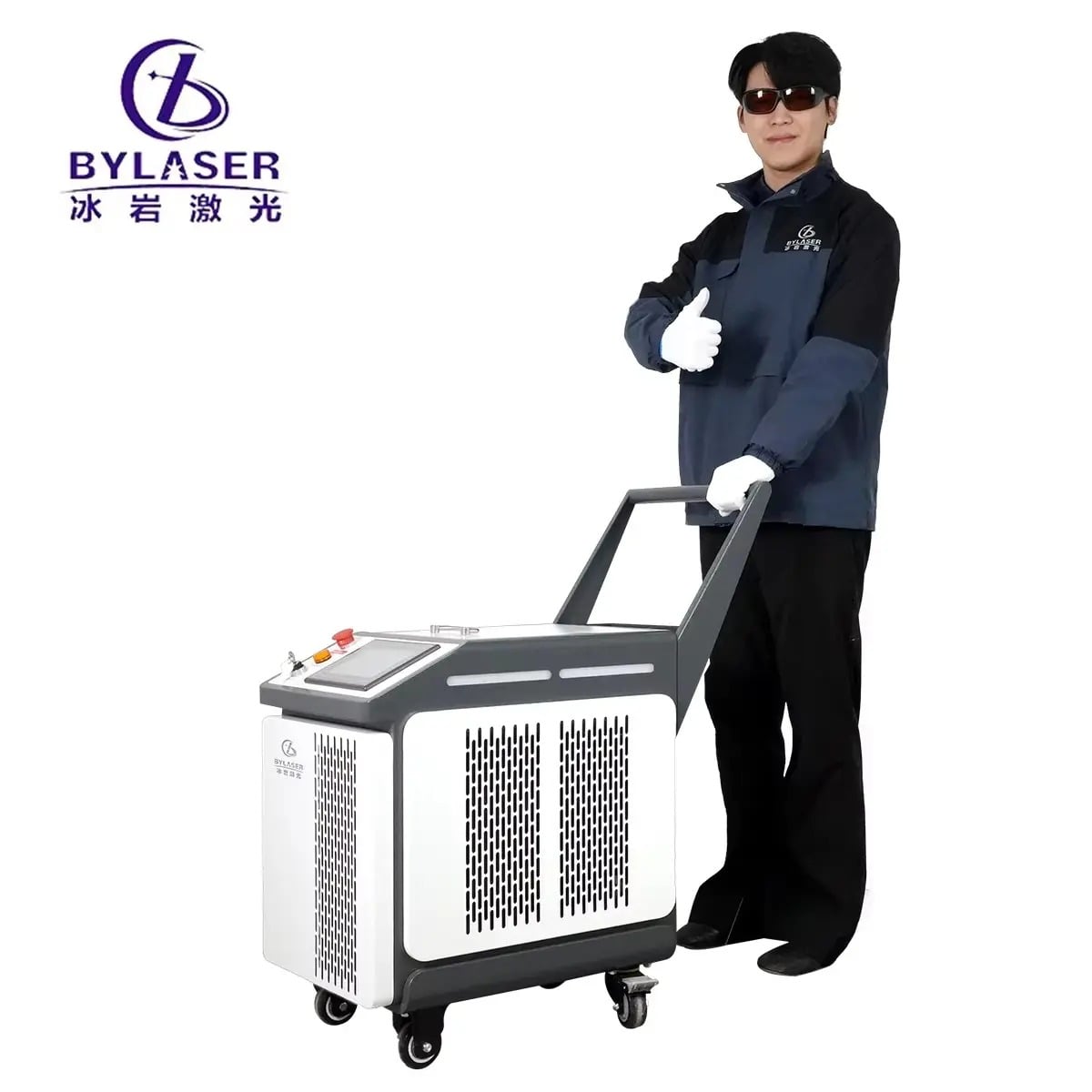
The capability of fiber laser surface cleaning extends across a broad range of substrate materials, each with specific advantages and application scenarios. Operators must recognize material properties, surface condition, and contamination type to optimize results and prevent damage. This guide explores the primary material categories compatible with pulse laser rust removal systems and provides practical guidance for industrial deployment. By understanding material compatibility, maintenance professionals can confidently specify equipment and plan cleaning workflows.
Metals and Alloys Suitable for Laser Cleaning
Steel and Iron Substrates
Steel is the most common material processed by industrial laser contamination removal systems. Carbon steel, stainless steel, and cast iron all respond well to pulsed laser rust removal because the laser energy selectively vaporizes oxide layers, mill scale, and surface contaminants without affecting the underlying metal. The pulse laser cleaning machine operates at wavelengths that interact strongly with rust, paint, and oxide coatings while the base steel remains largely unaffected. This precision makes it ideal for aerospace components, ship hulls, and heavy machinery that require rust removal without dimensional loss.
Stainless steel benefits particularly from fiber laser surface cleaning because the process avoids the corrosion-inducing chemicals and salt residues left by traditional blasting methods. The non-contact nature of laser cleaning means no micro-scratching or stress-induced surface damage. For critical applications like food processing equipment or medical device components, this capability ensures material integrity and regulatory compliance.
Aluminum and Copper Alloys
Aluminum and its alloys respond effectively to pulsed laser rust removal, though operators must carefully calibrate pulse intensity and frequency. The pulse laser cleaning machine can remove oxidation, anodize coatings, and bonded contaminants from aluminum surfaces without causing thermal distortion or substrate melting. Copper and brass components also clean effectively, with the laser removing tarnish, oxidation, and manufacturing residues while maintaining dimensional tolerance and surface finish quality.
These non-ferrous metals are particularly valuable in electrical and thermal applications where surface cleanliness directly impacts performance. Industrial laser contamination removal on aluminum components ensures optimal solderability, electrical conductivity, and heat transfer efficiency without chemical surface preparation.
Non-Metal and Composite Materials
Ceramics and Glass Surfaces
Ceramic and glass substrates can be processed using fiber laser surface cleaning technology, though the parameters differ significantly from metallic applications. The pulse laser cleaning machine operates at different pulse widths and frequencies to safely remove contaminants from brittle substrates. Ceramic components in automotive ignition systems, industrial pumps, and scientific instrumentation benefit from laser cleaning because traditional methods risk material fracture or contamination introduction.
Glass surfaces—particularly precision optical components and industrial windows—can be cleaned using pulsed laser rust removal principles adapted for transparency and fragility. The laser selectively removes dust, residue, and bonded contaminants while maintaining optical clarity and substrate integrity. This capability extends the service life of expensive optical systems and reduces costly component replacement.
Stone and Concrete Applications
Marble, granite, limestone, and concrete are increasingly cleaned using industrial laser contamination removal technology. The pulse laser cleaning machine can remove graffiti, biological growth, surface stains, and weathering deposits from historic monuments, building facades, and industrial floors without the chemical exposure or substrate damage associated with pressure washing or harsh solvents. This application preserves material character while improving aesthetic and functional outcomes.
Contractors and preservation specialists employ pulsed laser rust removal principles on mineral substrates where traditional cleaning risks permanent surface modification or salt efflorescence. The non-contact process eliminates water consumption concerns relevant in water-scarce regions and reduces environmental contamination from chemical runoff.
Material Limitations and Safety Considerations
Polymers and Organic Coatings
Plastics, rubbers, and organic polymers require extreme caution when processed by a pulse laser cleaning machine. Most polymeric materials absorb laser energy readily, leading to melting, charring, or decomposition rather than selective contamination removal. However, fiber laser surface cleaning can remove surface contaminants from hardened polymer coatings, paint layers, and epoxy resins if power and pulse parameters remain strictly controlled. Operators must validate compatibility through controlled testing before processing valuable components.
Composite materials containing resin matrices demand similar restraint. Carbon fiber reinforced polymers and glass fiber composites can experience thermal degradation if industrial laser contamination removal parameters exceed material tolerances. The pulse laser cleaning machine performs best on composite surface contamination removal rather than deep substrate cleaning.
Material-Specific Best Practices
Successful pulsed laser rust removal depends on matching machine parameters to substrate properties. Material thickness, surface finish, contamination type, and thermal properties all influence cleaning strategy. Operators should begin with lower energy settings and gradually increase intensity until desired contamination removal occurs. Testing on sample pieces before processing critical components prevents costly damage.
The pulse laser cleaning machine's versatility increases when operators understand material-specific responses. Thermal conductivity affects surface temperature rise; hardness influences contamination adhesion; and reflectivity determines energy absorption. Thermally sensitive materials like aluminum and composite structures benefit from shorter pulse durations that limit heat penetration. Dense materials like cast iron tolerate higher energy densities because thermal mass absorbs and dissipates energy without surface damage.
FAQ
Can a pulse laser cleaning machine process painted or coated metal surfaces?
Yes, pulsed laser rust removal effectively removes paint, powder coatings, and protective films from metal substrates. Fiber laser surface cleaning parameters can be adjusted to strip coatings while preserving the base material. Industrial laser contamination removal is particularly valuable for removing multiple coating layers without generating hazardous waste or requiring chemical disposal, making it compliant with environmental regulations and workplace safety standards.
What materials should absolutely not be processed with laser cleaning technology?
Most thermoplastic polymers, thin-walled structures without thermal mass, and materials with low melting points should not undergo laser cleaning without extensive preliminary testing. A pulse laser cleaning machine can damage reactive metals, explosive residues, and certain explosive compounds through thermal or chemical reactions. Additionally, materials with low thermal conductivity may experience localized overheating. Always consult material datasheets and conduct controlled tests before committing to production cleaning workflows with pulsed laser rust removal systems.
How does fiber laser surface cleaning compare to traditional abrasive blasting on different materials?
Fiber laser surface cleaning preserves surface dimensions and eliminates micro-scratching that abrasive blasting creates on softer metals and delicate substrates. Industrial laser contamination removal introduces no secondary contamination, requires no chemical disposal, and produces no hazardous dust. While traditional blasting costs less per unit for high-volume applications, the pulse laser cleaning machine offers superior precision, environmental compliance, and material preservation—particularly valuable for aerospace-grade components, restoration work, and food contact surfaces where surface integrity directly impacts product performance or regulatory compliance.
