


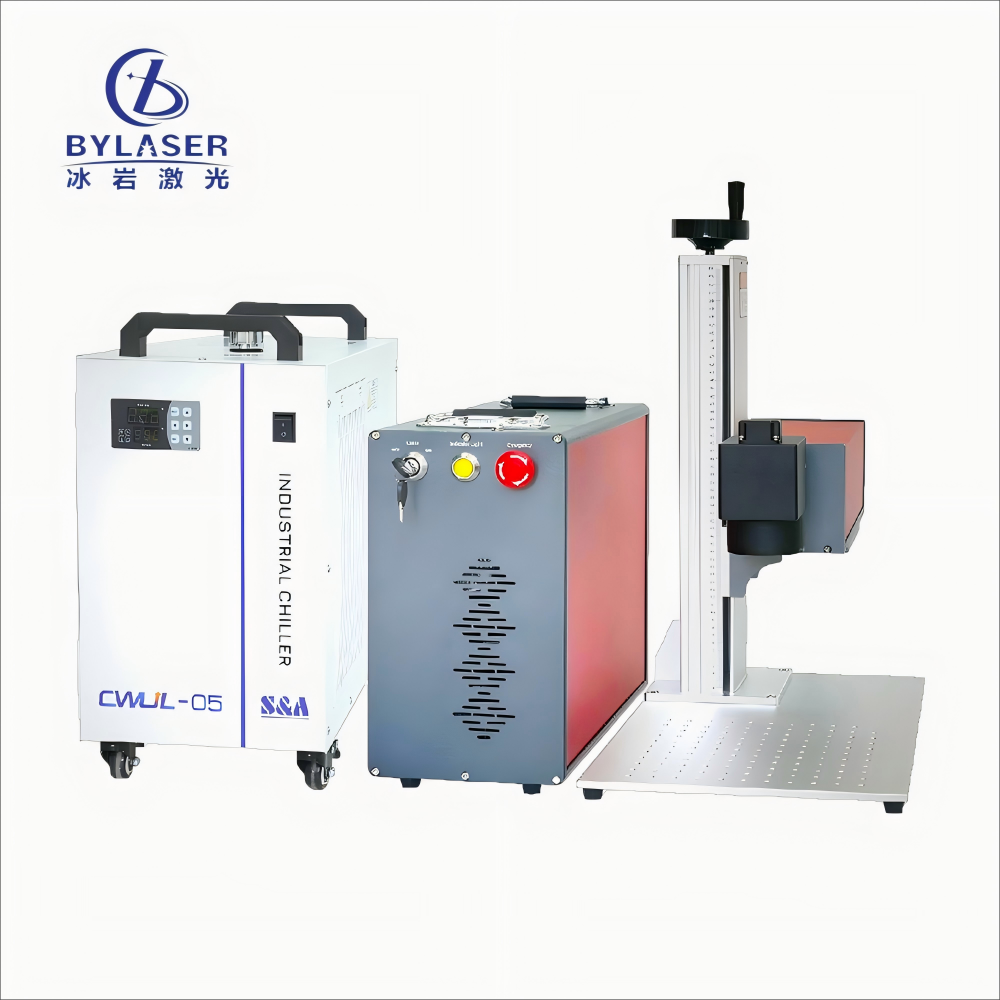
Proper maintenance of a laser engraver machine is critical for sustaining operational performance, maximizing equipment lifespan, and protecting your investment in industrial laser technology. Whether you operate a CO2 laser engraving system or a fiber laser marking unit, establishing a consistent maintenance routine prevents costly downtime and ensures consistent output quality. Many facility operators underestimate how maintenance directly impacts both productivity and the reliability of their laser engraver machine across demanding production schedules.
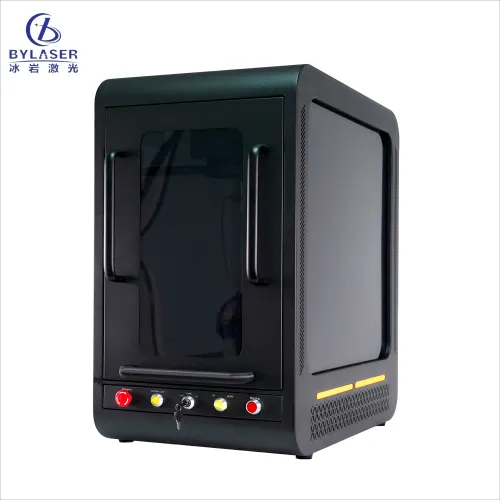
Long-term success with industrial laser cutting and laser engraver machine systems requires understanding the specific maintenance demands of your equipment type. Each laser technology—whether CO2 laser engraving, fiber laser marking, or industrial laser cutting—operates under different thermal and mechanical stresses. This guide covers actionable maintenance strategies that extend equipment life, maintain precision, and reduce unplanned repair costs.
Daily and Weekly Maintenance Practices
Optical Cleaning and Inspection
CO2 laser engraving systems and fiber laser marking equipment both depend heavily on clean optical components to function at peak efficiency. Dust, material residue, and airborne particles accumulate on lenses and mirrors, reducing beam quality and cutting depth. Daily visual inspection of the optical path and lens surfaces identifies contamination early before it degrades performance. Use lint-free cloths and approved optical cleaning solutions specifically formulated for laser optics—never use paper towels or general-purpose cleaners that scratch delicate surfaces.
For industrial laser cutting applications, weekly deep cleaning of mirrors and lenses using proper procedures ensures consistent cut quality and prevents beam divergence. A well-maintained optical system in your laser engraver machine maintains focus precision and output power, directly extending the service life of the equipment. Store cleaning supplies in a dedicated kit to ensure consistency and prevent cross-contamination with shop materials.
Air Assist and Cooling System Checks
The air assist system in CO2 laser engraving and fiber laser marking equipment removes debris from the cut area and prevents redeposition. Check air supply lines and nozzles weekly for blockages, leaks, or disconnections that reduce assist effectiveness. A compromised air system forces the laser engraver machine to work harder, increasing thermal load and accelerating component wear. Inspect pressure gauges and clean or replace air filters according to manufacturer specifications to maintain proper system function.
Cooling systems in industrial laser cutting equipment operate continuously during production. Weekly coolant level checks and visual inspection of hoses for cracks, swelling, or leaks prevent thermal damage to the laser tube or solid-state components. Replace coolant at the intervals specified for your particular laser engraver machine model to ensure thermal stability and corrosion prevention inside cooling jackets.
Monthly and Seasonal Maintenance Procedures
Mechanical Alignment and Belt Tension
Monthly alignment verification keeps the beam path true and maintains cut quality for CO2 laser engraving, fiber laser marking, and industrial laser cutting operations. Use precision alignment tools to check mirror and lens positions according to your equipment manual—misalignment gradually develops through vibration and thermal cycling. Proper alignment ensures that every laser engraver machine delivers consistent results without compensating through increased power settings that accelerate aging.
Drive belts and pulleys experience continuous stress in X-Y gantry systems. Monthly inspection identifies fraying, tension loss, or wear patterns that compromise positioning accuracy. Adjust belt tension to manufacturer specifications and replace belts showing visible wear before they fail during a production run. A well-tensioned mechanical system reduces strain on stepper motors and extends the operational life of your laser engraver machine.
Electrical Connections and Cooling Fluid Analysis
Monthly inspection of all electrical connectors, terminal blocks, and cable strain reliefs prevents intermittent failures and safety hazards in your laser engraver machine systems. Corrosion, loose connections, or oxidation can cause voltage drops that reduce laser power output and destabilize fiber laser marking precision. Clean connections with appropriate electrical-grade contact cleaner and verify secure seating before reassembly.
Seasonal coolant analysis for industrial laser cutting and CO2 laser engraving systems identifies pH drift, bacterial growth, or contamination that degrades cooling performance. Many facilities test coolant every three to six months and replace it completely annually, depending on usage intensity and environmental conditions. Fresh coolant ensures your laser engraver machine maintains stable operating temperatures and prevents internal corrosion that shortens component lifespan.
Preventive Replacement and System Upgrades
Laser Tube and Source Longevity
CO2 laser engraving tubes typically operate effectively for 2,000 to 5,000 hours before output power begins declining noticeably. Fiber laser marking sources generally last 25,000 to 50,000 hours with proper maintenance and cooling. Tracking cumulative operating hours on your laser engraver machine enables predictive maintenance planning—replacing tubes before they fail prevents mid-project downtime and quality degradation. Industrial laser cutting systems benefit from establishing replacement schedules based on actual usage rather than calendar intervals.
Power supply modules, stepper drivers, and chiller units also have defined service lives and replacement intervals. Monitoring output power trends through regular test cuts on your laser engraver machine reveals when components approach end-of-life performance. Proactive replacement of aging electronics prevents catastrophic failures and maintains consistent fiber laser marking results and industrial laser cutting depth throughout the product lifecycle.
Filter and Fluid Replacement Cycles
Air filters, coolant filters, and inline strainers accumulate contaminants that compromise system cleanliness and cooling efficiency in CO2 laser engraving and fiber laser marking equipment. Establish quarterly filter inspection and replacement cycles for your laser engraver machine based on shop environment and filtration recommendations in the operator manual. Clogged filters force components to work harder, generating excessive heat and accelerating wear on electrical and optical systems.
Preventive fluid replacement extends cooling system life and maintains thermal stability in industrial laser cutting applications. Many operators replace 25 to 50 percent of coolant every six months and perform complete fluid changes annually. This rotating replacement strategy balances contamination management with cost efficiency while keeping your laser engraver machine operating at peak performance throughout the year.
FAQ
How often should I clean optics on a CO2 laser engraving system?
Daily visual inspection combined with weekly detailed cleaning of optics ensures consistent beam quality and cutting performance in CO2 laser engraving equipment. High-dust environments may require more frequent cleaning to prevent power loss and beam divergence that degrades cut precision on your laser engraver machine.
What signs indicate my fiber laser marking source needs replacement?
Declining output power despite stable electrical input, inability to achieve previous mark depth or contrast, or recommended operating hour limits all signal that your fiber laser marking source approaches end-of-life. Monitoring these indicators through regular test marks on your laser engraver machine enables timely replacement before complete failure interrupts production schedules.
Can industrial laser cutting system maintenance prevent quality degradation?
Yes, consistent maintenance of optical alignment, coolant quality, air assist function, and electrical connections directly maintains cut edge quality and material through-cut consistency in industrial laser cutting systems. Preventive maintenance on your laser engraver machine preserves precision and extends the interval between full system recalibration, maximizing production uptime.
