


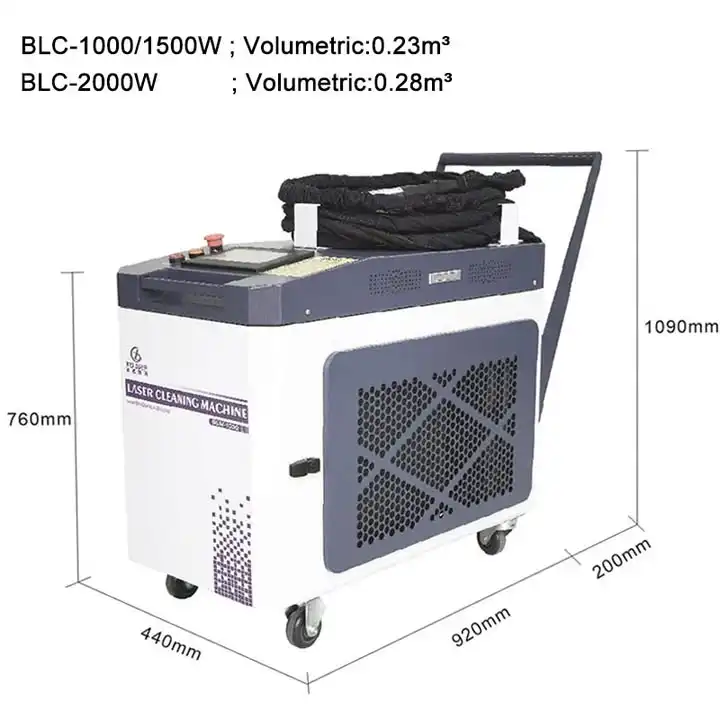
Rust removal has long been a critical challenge in industrial maintenance, manufacturing, and restoration work. Traditional chemical methods have dominated the field for decades, but modern rust removal technology now offers compelling alternatives. Understanding how a laser rust remover compares to chemical approaches helps facility managers, manufacturers, and maintenance professionals make informed decisions about which method best suits their operational needs, safety requirements, and budget constraints.
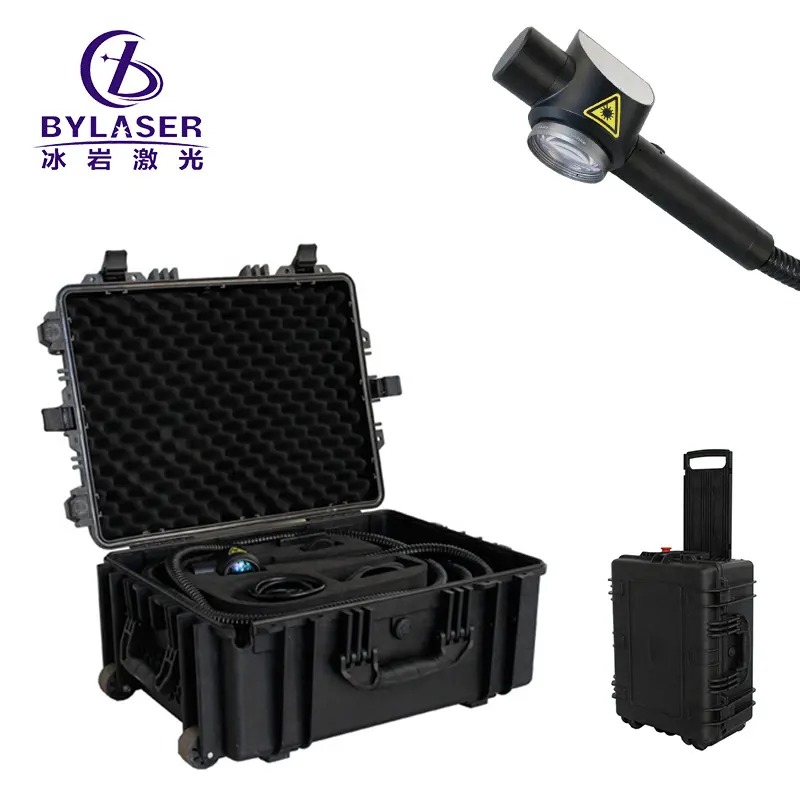
The comparison between laser cleaning machine technology and chemical rust removal methods reveals significant differences in effectiveness, safety, environmental impact, and long-term cost structure. Each approach carries distinct advantages and limitations depending on the specific application, material composition, production volume, and workplace safety protocols. This analysis explores both rust removal technology approaches in depth, enabling readers to evaluate which solution aligns with their operational priorities and resource allocation strategies.
How Chemical Rust Removal Methods Work
Traditional Chemical Process and Applications
Chemical rust removal relies on acid-based or alkaline solutions that dissolve oxidized iron compounds from metal surfaces. Common chemical approaches include phosphoric acid treatments, which convert rust into a stable compound that can be washed away, and alkaline electrolytic cleaning, which uses electrical current to facilitate chemical reactions. These methods have proven reliable for bulk processing of contaminated parts and continue to dominate industrial metal surface treatment operations across heavy manufacturing, automotive, and infrastructure maintenance sectors.
The chemical rust removal process typically requires multiple stages: initial soaking, agitation or circulation, rinsing with fresh water, and final drying. Processing times vary from several hours to overnight depending on rust severity, material type, and solution concentration. Industrial facilities often batch-process large quantities of parts simultaneously, making chemical methods economically efficient for high-volume operations with consistent workload patterns.
Safety, Environmental, and Cost Considerations
Chemical rust removal introduces significant occupational health and environmental compliance burdens. Operators must wear protective equipment including gloves, respirators, and eye protection due to caustic vapors and skin contact hazards. Disposal of spent chemical solutions requires specialized handling, licensed waste management services, and adherence to environmental regulations governing hazardous material discharge. Chemical method costs include solution replenishment, waste disposal fees, protective equipment, and ventilation system maintenance.
Long-term operational expenses accumulate rapidly due to recurring chemical purchases, regulatory compliance documentation, worker training certification, and periodic equipment replacement. Additionally, chemical treatments may affect substrate properties, require post-treatment corrosion inhibitors, and can leave surface residues that compromise subsequent coating adhesion. Environmental concerns center on groundwater contamination risk, air quality degradation in work areas, and the carbon footprint associated with chemical manufacturing and transport.
Laser Cleaning Machine Technology and Advantages
How Laser Rust Removal Technology Operates
A laser cleaning machine uses high-intensity, pulsed laser beams to ablate rust and contaminants from metal surfaces through rapid thermal and mechanical processes. The laser energy vaporizes rust layers without generating toxic fumes or requiring chemical solvents. Metal surface treatment using laser cleaning machines achieves exceptional precision, removing only the targeted oxidation layer while preserving underlying substrate integrity. Modern laser systems operate at wavelengths optimized for rust absorption, typically in the 1000 nanometer range, enabling selective material removal with minimal collateral damage.
The laser rust remover process involves scanning the laser beam across affected areas, with operator control over scanning speed, beam intensity, and pulse frequency to accommodate different rust severity levels and substrate materials. Processing times depend on surface area and contamination depth, but most applications complete within minutes compared to hours required by chemical methods. The technology generates minimal waste beyond vaporized rust particles, which dissipate naturally or are captured by integrated extraction systems.
Performance, Safety, and Operational Benefits
Laser rust removal technology delivers superior precision and control compared to chemical approaches. The laser beam removes only rust deposits while preserving base metal dimensions, making it ideal for precision components, heritage restoration, and applications where material loss must be minimized. Environmental safety improves dramatically since laser cleaning eliminates chemical exposure hazards, toxic vapor generation, and hazardous waste disposal requirements. Operators require minimal protective equipment beyond standard laser safety eyewear, and no ventilation system upgrades become necessary.
From an economic perspective, laser cleaning machines eliminate recurring chemical purchases, waste disposal costs, and chemical handler certification requirements. Initial equipment investment exceeds typical chemical system costs, but operational expenses decrease substantially over time. The rust removal technology requires only electrical power and occasional maintenance. Surfaces cleaned by laser rust removers typically require no additional corrosion inhibitor treatment, improving downstream processing efficiency and reducing overall project timelines.
Comparative Analysis and Suitability Factors
Speed, Accuracy, and Application Scope
Chemical rust removal processes require extended soaking times measured in hours, while a laser cleaning machine completes equivalent rust removal in minutes. The speed advantage becomes critical in time-sensitive operations where production schedules demand rapid turnaround. Laser rust remover technology excels at precision applications including detailed rust removal from intricate geometries, delicate components, and surfaces where material loss must remain minimal. Chemical methods struggle with selective rust removal from complex shapes since solutions contact entire submerged surface areas indiscriminately.
Metal surface treatment applications range from heavy industrial derusting to precision restoration work. Chemical methods suit high-volume batch processing where precision matters less than throughput efficiency. Laser cleaning machines address specialized applications including aerospace component restoration, medical device manufacturing, semiconductor equipment maintenance, and heritage artifact preservation where precision and material preservation take priority. Many operations benefit from hybrid approaches, using chemical processes for bulk preliminary cleaning followed by laser rust removal for final precision finishing.
Long-Term Cost Structure and Return on Investment
Total cost of ownership calculations reveal that laser rust remover systems recover initial investment through operational savings within 18 to 36 months for facilities processing significant rust-affected parts volume. Eliminated chemical expenses, waste disposal fees, safety training costs, and regulatory compliance burdens accumulate rapidly. Chemical methods appear cheaper during initial equipment acquisition but generate hidden costs through ongoing chemical purchases, waste management fees, and occupational health compliance expenses that compound across years of operation.
Facility managers must evaluate their specific rust removal technology requirements, processing volume, precision demands, and safety priorities before selecting between laser and chemical approaches. High-volume industrial operations with relaxed precision requirements may optimize costs through chemical methods, while specialized manufacturers and precision-focused industries typically achieve better economics through laser rust removal investment. The decision ultimately reflects organizational priorities regarding production speed, worker safety, environmental stewardship, and long-term capital allocation strategy.
FAQ
Does laser rust remover work on all metal types?
Laser cleaning machines effectively remove rust from ferrous metals including steel and cast iron, which are primary rust-prone materials. The laser rust remover technology adapts to various metal surface treatment requirements by adjusting beam intensity and pulse frequency. However, some delicate or reflective metals require careful parameter selection to prevent substrate damage. Chemical methods similarly work across most metal types but may require solution adjustments based on specific alloy compositions and rust characteristics.
What environmental advantages does laser rust removal technology provide?
Laser cleaning machine technology eliminates hazardous chemical waste generation, toxic vapor emissions, and water contamination risks associated with chemical rust removal processes. The laser rust remover produces only vaporized rust particles that dissipate naturally or are captured by extraction systems. Chemical methods require hazardous waste disposal involving licensed contractors, environmental monitoring, and regulatory documentation. From a metal surface treatment sustainability perspective, laser technology represents the environmentally superior choice, supporting corporate environmental responsibility initiatives and reducing regulatory compliance burden.
Which rust removal technology method offers better long-term cost savings?
Laser rust remover systems typically achieve lower total cost of ownership over five to ten year periods despite higher initial equipment investment. Chemical rust removal appears cheaper initially but generates recurring expenses through chemical replenishment, waste disposal services, worker safety training, and regulatory compliance documentation. For facilities processing significant rust-affected parts annually, laser cleaning machines usually deliver superior financial returns. Organizations with minimal rust removal needs might optimize costs through chemical approaches, while regular users typically benefit from laser rust removal technology investment through cumulative operational savings and efficiency gains.
