


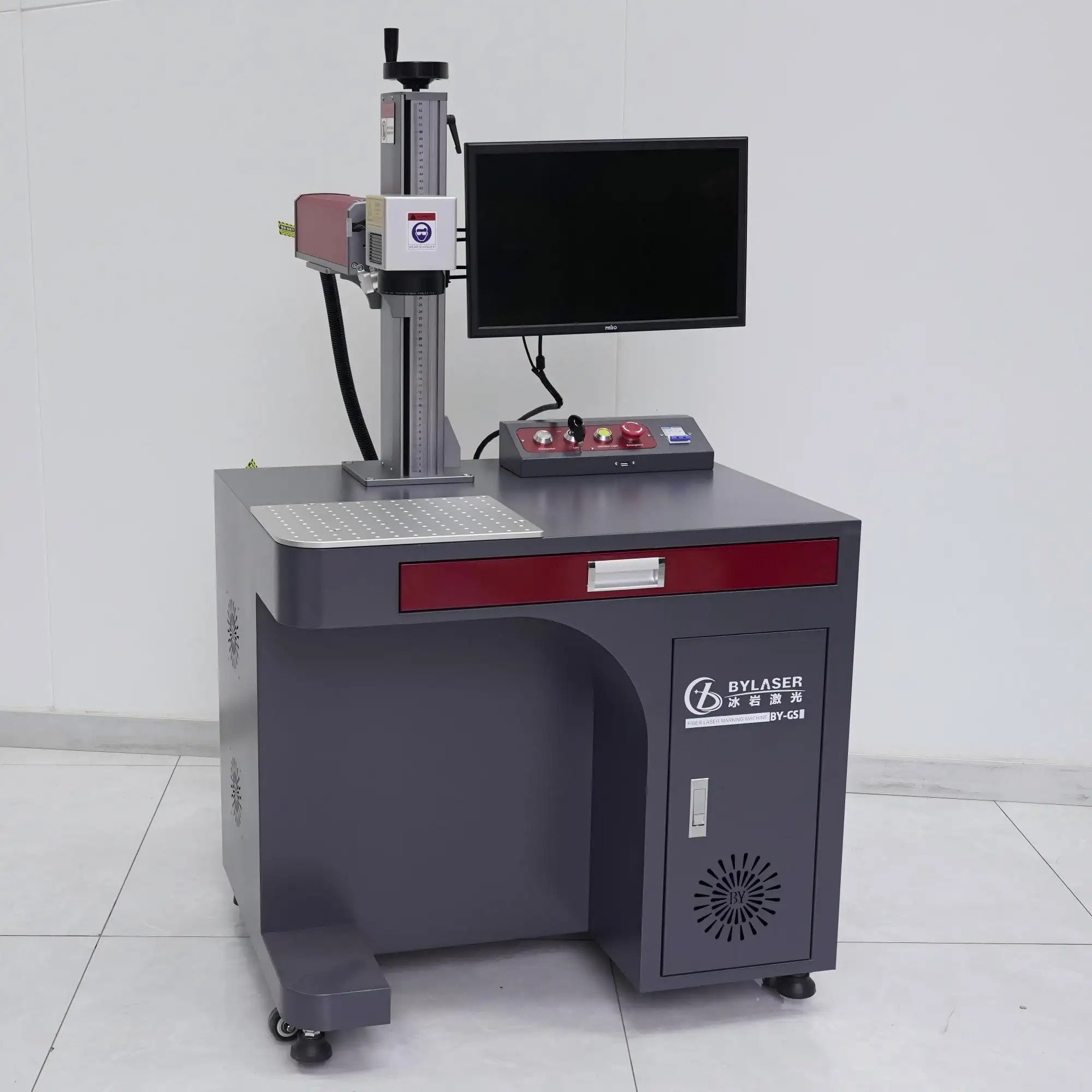
Energy efficiency has become a critical consideration for manufacturers investing in metal marking and engraving technology. Understanding what makes a laser engraving machine for metal energy efficient can directly impact operational costs, production throughput, and environmental responsibility. Modern precision metal engraving equipment incorporates several key design elements and technological advances that reduce power consumption while maintaining superior marking quality on steel, aluminum, titanium, and other industrial metals.
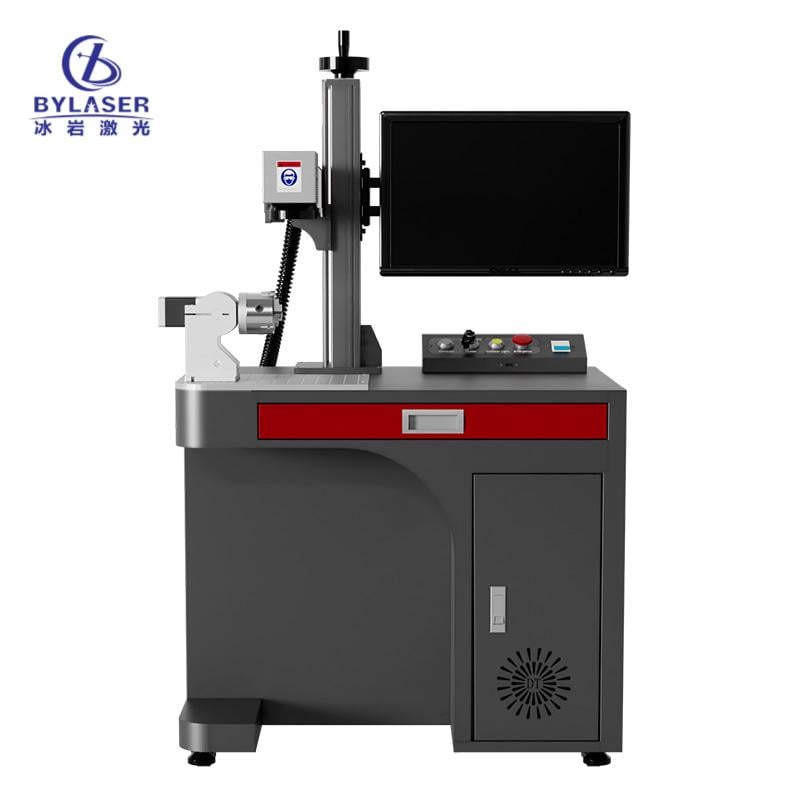
The efficiency of metal marking technology depends on several interconnected factors including laser source design, optical system optimization, power management electronics, and operational parameters. Advanced fiber laser metal processing systems minimize energy waste through intelligent pulse modulation, shortened cycle times, and reduced thermal losses. By selecting equipment with these efficiency features, manufacturers can lower electricity expenses, increase production capacity per watt consumed, and achieve faster return on investment while improving their carbon footprint.
Fiber Laser Technology and Power Optimization
How Fiber Laser Sources Reduce Energy Consumption
Fiber laser metal processing represents a fundamental shift toward efficiency in precision metal engraving equipment. Unlike CO2 or other older laser technologies, fiber lasers convert electrical energy directly into usable photons with conversion efficiency rates exceeding 25 percent, compared to 5 to 10 percent for traditional systems. This higher wall-plug efficiency means less electrical input is wasted as heat, reducing cooling system demands and operational overhead. The compact design of fiber laser sources also eliminates the need for large external cooling systems, further decreasing energy consumption and maintenance complexity in industrial environments.
Pulse Modulation and Smart Power Delivery
Modern precision metal engraving equipment incorporates adaptive pulse modulation that adjusts laser power output based on material type, marking depth, and surface finish requirements. This intelligent power management ensures the laser delivers only the energy necessary for each marking task, avoiding wasteful over-power scenarios common in older fixed-power systems. Fiber laser metal processing engines can ramp power up and down in microsecond intervals, allowing manufacturers to complete complex multi-depth engravings on steel, aluminum, and copper with minimal excess energy input. The result is faster cycle times combined with lower cumulative electricity usage per completed workpiece.
Optical System Efficiency and Design Integration
Beam Path Optimization and Minimal Loss
The quality of optical components within a laser engraving machine for metal directly influences energy efficiency and marking precision. High-grade mirrors, lenses, and beam steering optics in advanced metal marking technology maintain beam focus and intensity across the entire marking area, preventing power dissipation due to beam divergence or misalignment. Precision metal engraving equipment featuring precision-engineered optical paths experiences less beam scattering, meaning manufacturers achieve crisp, permanent marks without requiring additional laser passes or increased power settings. Clean optical surfaces and sealed pathways also reduce maintenance frequency, lowering operational disruptions and energy waste from idle machine time.
Integrated Cooling and Thermal Management
Energy-efficient fiber laser metal processing systems incorporate closed-loop cooling networks that maintain optimal laser source temperatures while consuming minimal cooling capacity. Advanced thermal management in precision metal engraving equipment prevents heat buildup that would otherwise trigger automatic power throttling or require external chiller units. Air-cooled and compact water-cooled designs eliminate the need for expensive industrial cooling infrastructure, reducing both capital investment and ongoing electricity expenses. When a laser engraving machine for metal maintains proper thermal conditions, the laser source operates consistently at peak efficiency, delivering stable marking quality while consuming predictable, minimal energy over extended production shifts.
Operational Features and Production Efficiency Impact
Automation and Reduced Cycle Times
Modern metal marking technology incorporates automated positioning, batch processing, and integrated material handling that maximize productivity per unit energy consumed. Precision metal engraving equipment equipped with high-speed galvanometer scanners completes marks in milliseconds rather than seconds, reducing total laser-on time for each job. Fiber laser metal processing systems with programmable automation eliminate manual handling delays, inconsistent mark quality, and repeated marking attempts that waste energy and materials. When production throughput increases while laser operation time decreases, the energy cost per completed mark drops significantly, making the machinery economically attractive for high-volume manufacturing and contract engraving services.
Material-Specific Programming and Smart Marking Parameters
Energy-efficient laser engraving machines for metal include software that automatically adjusts marking parameters based on material type, thickness, and desired marking permanence. This intelligence prevents over-marking on soft metals like aluminum while ensuring adequate depth on hardened steel or titanium, eliminating wasted laser cycles and redundant processing. Precision metal engraving equipment with integrated material libraries optimizes fiber laser metal processing settings for each application, reducing trial-and-error experimentation that consumes energy without generating sellable output. Operators benefit from faster job setup, fewer scrap pieces due to incorrect parameters, and consistent quality that builds customer confidence and repeat business.
Real-World Energy Savings and Business Impact
Manufacturers transitioning from older laser engraving machine for metal technologies to modern fiber laser metal processing systems typically observe 40 to 60 percent reductions in electrical consumption per marked unit. This energy savings translates directly into lower monthly utility bills, reduced need for facility-scale infrastructure upgrades, and improved operating margins on each job. Precision metal engraving equipment purchased today includes efficiency features that align with environmental regulations and corporate sustainability commitments, strengthening competitive positioning and potentially qualifying for equipment depreciation incentives. The combination of lower operating costs, faster throughput, and superior mark quality creates a compelling business case that justifies capital investment in advanced metal marking technology.
FAQ
What specific features should manufacturers look for in an energy-efficient laser engraving machine for metal?
Look for fiber laser sources with conversion efficiency above 20 percent, integrated cooling systems that avoid external chillers, high-quality optics that minimize beam loss, and programmable power modulation that adjusts settings by material type. Precision metal engraving equipment should also feature fast galvanometer scanners that minimize laser-on time and automated workflows that reduce manual handling delays. Software for metal marking technology that includes material libraries and adaptive parameter optimization ensures every mark uses only necessary energy without over-processing or quality loss.
How does fiber laser metal processing compare to older CO2 laser systems in terms of energy consumption?
Fiber laser metal processing achieves wall-plug efficiency of 25 percent or higher compared to 5 to 10 percent for CO2 lasers, meaning significantly less electrical input is wasted as heat. A laser engraving machine for metal using fiber technology requires smaller cooling systems, occupies less floor space, and produces consistent marking quality with fewer repeat passes. Precision metal engraving equipment based on fiber lasers typically reduces energy costs by 40 to 60 percent per completed mark while simultaneously improving production speed and mark durability on industrial metals.
Can energy-efficient laser engraving machines for metal still deliver high-quality, permanent marks on hard materials?
Absolutely. Modern fiber laser metal processing systems deliver marking quality that equals or exceeds older, less efficient technologies because optimization focuses on precise power delivery rather than brute-force energy levels. Precision metal engraving equipment with intelligent pulse modulation creates permanent, high-contrast marks on steel, titanium, aluminum, and copper while using only the minimum energy required for material ablation. Metal marking technology embedded with material-specific programming and high-resolution optical systems ensures quality consistency across varying part geometries and surface finishes, even when operating at lower overall power consumption levels.
Table of Contents
- Fiber Laser Technology and Power Optimization
- Optical System Efficiency and Design Integration
- Operational Features and Production Efficiency Impact
- Real-World Energy Savings and Business Impact
-
FAQ
- What specific features should manufacturers look for in an energy-efficient laser engraving machine for metal?
- How does fiber laser metal processing compare to older CO2 laser systems in terms of energy consumption?
- Can energy-efficient laser engraving machines for metal still deliver high-quality, permanent marks on hard materials?
