


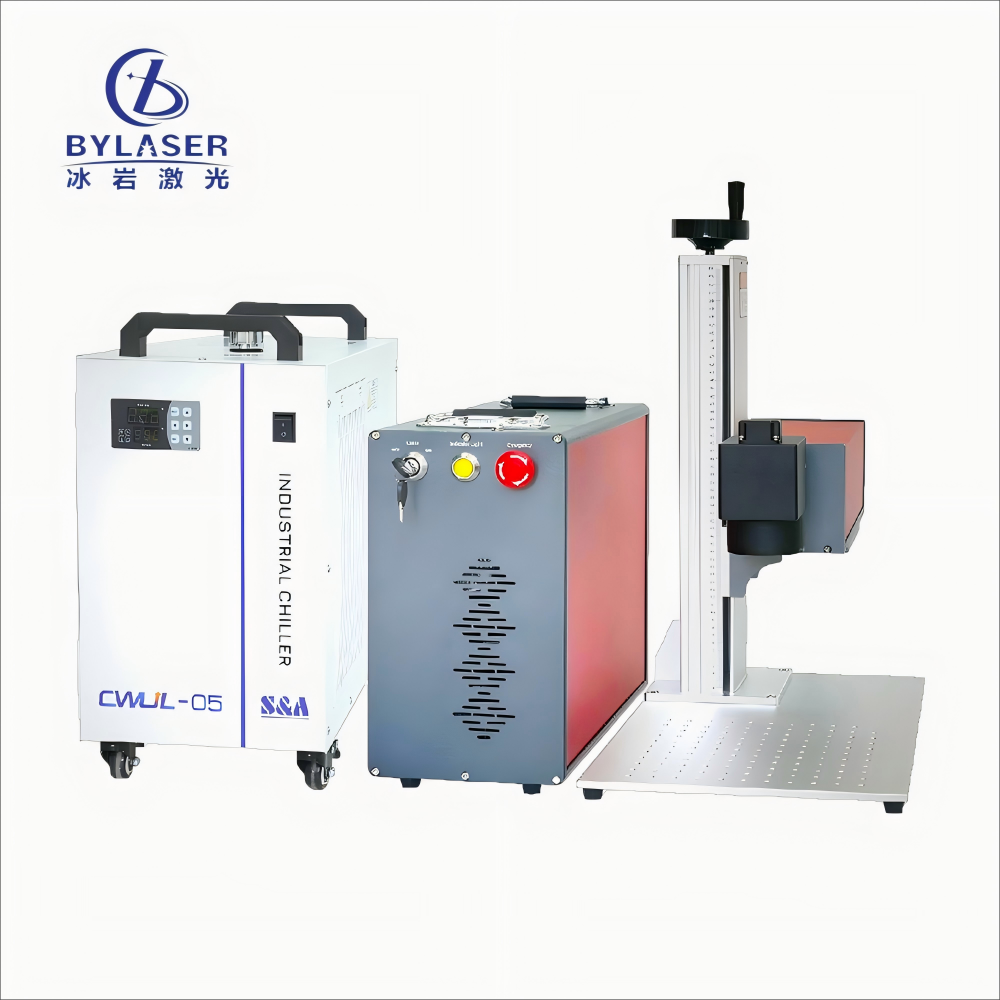
The uv laser marking machine has become an essential tool across numerous industrial sectors, transforming how manufacturers mark, engrave, and identify products with precision. Unlike traditional marking methods, UV laser marking technology offers superior accuracy, speed, and versatility that industrial operations demand. Understanding which industries benefit most from this technology helps decision-makers identify whether UV marking technology aligns with their production requirements and quality standards.
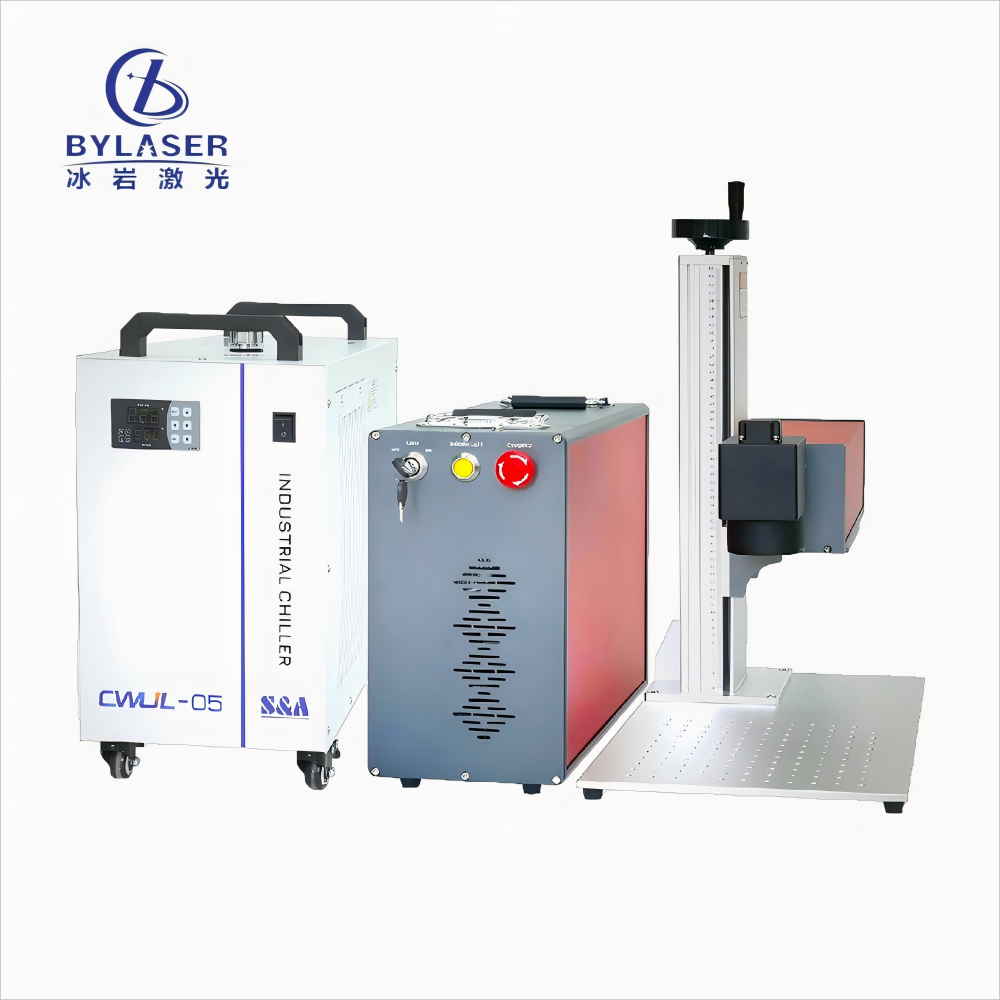
Organizations across electronics, medical device manufacturing, aerospace, and consumer goods sectors have adopted ultraviolet laser engraving systems to meet regulatory requirements, enhance traceability, and maintain competitive advantages. The ability to create permanent, high-contrast marks on sensitive materials without causing thermal damage makes UV marking technology particularly valuable for industries handling delicate or heat-sensitive components.
Electronics and Semiconductor Manufacturing
Precision Marking for Circuit Boards and Components
The electronics industry stands as one of the primary sectors leveraging laser marking for metal and plastic components. PCB manufacturers use UV laser marking machines to permanently mark serial numbers, batch codes, date stamps, and QR codes on circuit boards without affecting electrical conductivity. The precision of ultraviolet laser engraving ensures that fine details remain sharp and readable, critical for quality control and traceability throughout the supply chain.
Semiconductor manufacturers particularly benefit from UV marking technology because it avoids the heat generation associated with traditional marking methods. Heat-sensitive silicon wafers, microchips, and integrated circuits require marking solutions that preserve component integrity. UV laser marking machines deliver the precision needed while maintaining the thermal stability essential for preserving material properties and device performance.
Consumer Electronics Branding and Serialization
Smartphone manufacturers, tablet producers, and laptop assemblers depend on ultraviolet laser engraving to create indelible serial numbers and regulatory compliance marks on chassis and internal components. The speed and accuracy of UV marking technology enable high-volume production environments to maintain consistent quality while achieving rapid marking cycles. This capability directly supports manufacturing operations processing thousands of units daily.
Medical Device and Pharmaceutical Industries
Regulatory Compliance and Traceability Solutions
Medical device manufacturers face stringent regulatory requirements mandating permanent identification marks on instruments, implants, and equipment components. A uv laser marking machine delivers the permanent marking solution needed to satisfy FDA, ISO, and CE marking requirements. Surgical instruments, orthopedic implants, and diagnostic devices require marks that withstand sterilization processes, chemical exposure, and prolonged storage without degradation.
Pharmaceutical companies utilize UV marking technology to mark vials, syringes, and packaging with expiration dates, batch numbers, and traceability codes. The non-contact marking process eliminates contamination risks associated with physical contact marking methods, maintaining sterility standards essential in pharmaceutical environments. Ultraviolet laser engraving enables pharmaceutical manufacturers to achieve reliable identification without introducing foreign materials or compromising product safety.
Biomedical Component Manufacturing
Dental implant producers, ophthalmic lens manufacturers, and cardiac device makers depend on laser marking for metal and precision polymer components. These sectors require marking solutions that preserve material integrity while delivering permanent identification. UV marking technology accomplishes both objectives, enabling manufacturers to mark heat-sensitive materials without introducing thermal stress or material degradation.
Aerospace, Automotive, and Industrial Manufacturing
High-Precision Metal Component Identification
Aerospace manufacturers use UV laser marking machines to mark critical components including engine parts, landing gear assemblies, and structural elements with serialization data and compliance markings. The aerospace industry demands marking solutions that create permanent, high-contrast identifications on aluminum, titanium, and composite materials. Ultraviolet laser engraving meets these requirements while maintaining material strength and structural integrity essential for flight-critical components.
Automotive suppliers apply UV marking technology to engine blocks, transmission components, brake systems, and electrical assemblies. Traceability becomes increasingly important as manufacturers track parts through complex supply chains and support warranty management. A uv laser marking machine enables suppliers to create permanent marks that survive manufacturing processes, assembly operations, and the lifetime of vehicle operation without fading or degradation.
Industrial Equipment and Heavy Machinery
Manufacturers of industrial equipment, power tools, and machinery use ultraviolet laser engraving to mark serial numbers, safety warnings, and maintenance information on metal surfaces and housings. The durability of UV marking technology ensures identification marks remain legible throughout product lifespan, supporting equipment maintenance, repair operations, and liability management. UV marking technology delivers the permanent identification needed for harsh industrial environments.
Specialty Materials and Advanced Applications
Ceramics, Glass, and Composite Materials
Industries processing ceramics, glass, and advanced composite materials benefit significantly from UV marking technology because traditional marking methods often cause material damage or cracking. Laser marking for metal and ceramics enables manufacturers to create detailed marks on fragile materials without mechanical stress. This capability opens applications in decorative ceramics, laboratory glassware, and high-performance composite structures previously difficult to mark reliably.
Fiber reinforced polymer manufacturers use ultraviolet laser engraving to mark aircraft fuselage components, wind turbine blades, and sporting equipment. The non-contact nature of UV laser marking machines prevents introducing stress concentrations that compromise material strength. This advantage makes UV marking technology increasingly valuable across industries developing advanced materials for demanding applications.
Packaging and Brand Protection
Premium packaging manufacturers, luxury goods producers, and anti-counterfeiting specialists employ UV marking machines to create authentic marks, security features, and personalization elements on high-value products. Ultraviolet laser engraving delivers the precision and permanence needed to prevent tampering while enabling consumers to verify product authenticity. The technology supports brand protection strategies across luxury, pharmaceutical, and high-security industries.
FAQ
What materials can uv laser marking machines process effectively?
UV laser marking machines excel at marking metals including aluminum, copper, titanium, and stainless steel, as well as ceramics, glass, and various plastics. The non-thermal nature of ultraviolet laser engraving makes it particularly suitable for heat-sensitive materials where traditional laser marking would cause damage. Medical-grade polymers, optical materials, and specialized composites also mark cleanly using UV marking technology without material degradation or discoloration.
How does UV marking technology ensure permanent identification marks?
UV laser marking machines create permanent marks through direct material removal or color change at the molecular level, producing marks resistant to fading, chemical exposure, and mechanical wear. Unlike traditional printing or labeling methods, marks created by ultraviolet laser engraving become integral to the material surface, surviving sterilization processes, temperature variations, and harsh environmental conditions. This permanence makes UV marking technology essential for industries requiring lifelong traceability and compliance documentation.
Which industries face the highest regulatory pressure for product marking and identification?
Medical device, pharmaceutical, aerospace, and automotive industries face stringent regulatory requirements for permanent product identification, traceability, and compliance marking. These sectors must demonstrate chain of custody, material sourcing, and manufacturing dates to satisfy government agencies and industry standards organizations. UV laser marking machines enable these industries to achieve regulatory compliance efficiently while maintaining production speed and marking quality that traditional marking methods cannot match.
