


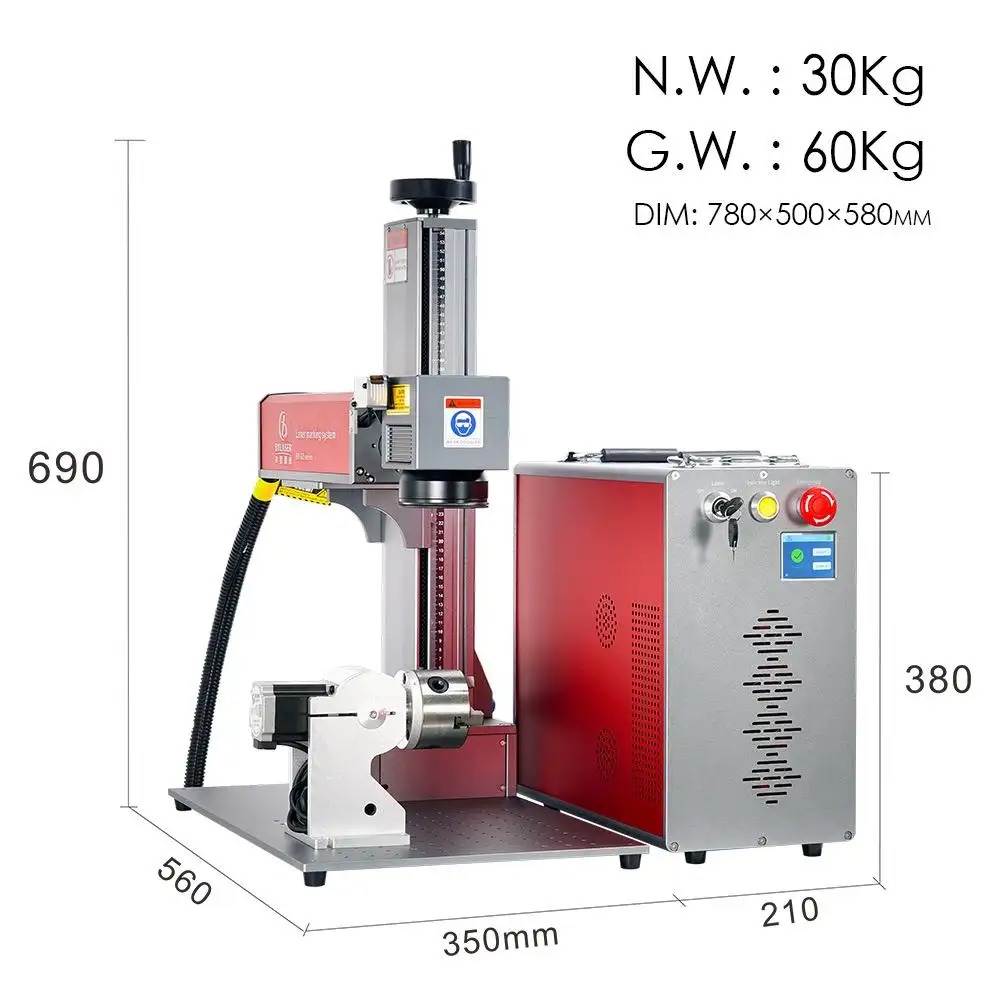
Small production runs demand equipment that balances precision, efficiency, and cost-effectiveness. A laser engraving machine for metal designed for limited-volume operations delivers exactly this combination, enabling manufacturers to mark, engrave, and process metal components without investing in oversized industrial systems.
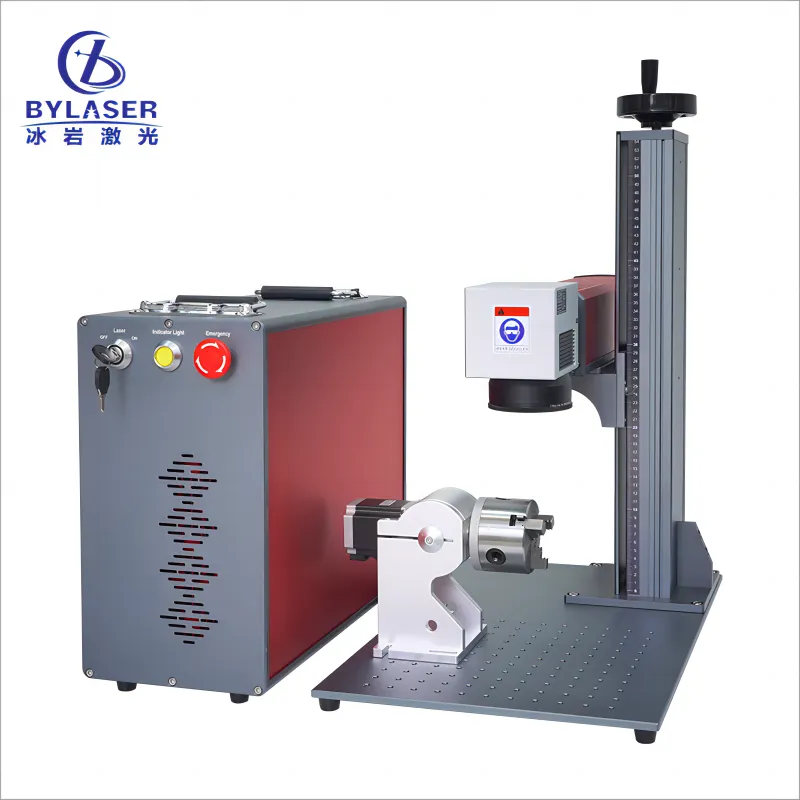
For small-batch metalwork, fiber laser metal processing technology offers superior advantages over traditional marking methods. These compact systems achieve high-resolution results on steel, aluminum, titanium, and copper while maintaining operational simplicity and minimal maintenance requirements. Understanding which specifications and capabilities matter most helps manufacturers select equipment that grows with their production needs.
Understanding Metal Marking Technology Requirements
Core Capabilities for Small Production
Metal marking technology has evolved significantly, making precision metal engraving equipment accessible to operations with modest production volumes. Modern fiber laser systems deliver consistent results across repeated cycles, eliminating quality variability that manual or mechanical engraving methods often produce. Small production runs benefit from this consistency because each component meets identical specifications, reducing scrap rates and customer returns.
The speed of fiber laser metal processing matters especially for small batches. Systems designed for compact workspaces can complete engravings in seconds, meaning a run of 50 or 500 parts finishes within realistic timeframes. Unlike large-format industrial equipment that requires lengthy setup and optimization, precision metal engraving equipment scaled for smaller operations minimizes downtime between production cycles.
Key Performance Indicators
When evaluating a laser engraving machine for metal, focus on three primary metrics: mark quality, processing speed, and thermal management. Mark quality determines whether your engravings meet customer specifications and remain legible after service life exposure. Processing speed directly impacts throughput for small production runs, while thermal management ensures the equipment operates reliably during continuous use without degradation in performance.
Metal marking technology specifications should include wavelength compatibility with target materials. Fiber laser systems operating at 1064 nanometers penetrate metal surfaces effectively, creating permanent marks that resist fading or wear. Precision metal engraving equipment in the mid-power range delivers adequate depth and contrast for serial numbers, logos, batch codes, and decorative patterns without requiring expensive high-wattage configurations.
Fiber Laser Metal Processing for Compact Operations
Why Fiber Technology Suits Small Batches
Fiber laser metal processing represents the most cost-efficient solution for manufacturers handling limited production volumes. Unlike CO2 lasers that require substantial cooling systems and maintenance, fiber lasers operate with minimal auxiliary equipment, reducing total installation space and operational complexity. This efficiency directly reduces the cost-per-part calculation, making profitability achievable even with smaller order quantities.
The precision metal engraving equipment built around fiber technology delivers clean, debris-free results without secondary processing. Marks achieve proper contrast and definition in a single pass, eliminating the need for additional surface preparation or finishing steps. For small production runs where labor efficiency matters, this single-step processing significantly reduces overall production time and human resource allocation.
Material Compatibility and Versatility
Fiber laser metal processing excels across the range of materials small manufacturers typically encounter. Stainless steel, carbon steel, aluminum, brass, copper, and titanium all respond predictably to fiber laser marking, enabling manufacturers to handle diverse customer requests without equipment changes. Metal marking technology at the fiber wavelength creates thermal effects that darken or discolor surfaces, producing high-contrast marks suitable for identification and aesthetic applications.
The versatility of a laser engraving machine for metal extends beyond metals into anodized aluminum, painted surfaces, and powder-coated components. Small production runs often include mixed material orders, and fiber-based precision metal engraving equipment handles this variety seamlessly. Manufacturers can accept orders from clients without worrying about material limitations, expanding their addressable market and improving capacity utilization.
Selecting Equipment for Your Production Scale
Right-Sizing Power and Features
Small production operations should prioritize fiber laser metal processing systems delivering adequate power without unnecessary expense or operational burden. Typical compact laser engraving machines for metal range from 20 to 50 watts, sufficient for most marking, engraving, and shallow cutting applications on metal components. Higher wattages increase equipment cost and complexity without proportional benefits for batch quantities under 1000 parts per month.
Metal marking technology specifications should match your actual requirements rather than theoretical maximum capacity. A 30-watt system marks most metals at sufficient depth in one to three seconds, completing small production runs efficiently. Consider whether your applications require cutting capability or primarily focus on marking and identification; this distinction significantly influences equipment selection and pricing within the precision metal engraving equipment category.
Integration into Existing Workflows
Successful implementation of laser engraving equipment depends on proper workflow integration and operator training. Small production facilities benefit from systems featuring intuitive software interfaces, straightforward material loading mechanisms, and minimal calibration requirements. Metal marking technology should support industry-standard file formats, allowing seamless handoffs from design and CAD departments to production floors.
The total cost of ownership for a laser engraving machine for metal extends beyond equipment purchase to include installation, training, maintenance, and consumables. Compact fiber laser metal processing systems typically require minimal consumable replacement beyond occasional lens cleaning and adjustment. Precision metal engraving equipment scaled for small operations amortizes more quickly than large industrial systems because smaller upfront investment reaches profitability threshold faster with modest production volumes.
FAQ
What production volume threshold makes a compact laser engraving machine for metal worthwhile?
Small production runs starting at 50 parts monthly can justify compact equipment investment. A laser engraving machine for metal typically pays for itself within 6 to 12 months when marking operations replace manual labor or outsourced services. Metal marking technology at this scale becomes economically rational because per-part costs drop dramatically compared to contract engraving services. Operations processing 300 to 500 parts monthly see rapid return on investment through elimination of external processing fees and labor expense reduction.
How does fiber laser metal processing compare to alternative marking methods for small operations?
Fiber laser metal processing outperforms mechanical engraving, chemical etching, and manual marking across nearly all dimensions. Unlike mechanical methods that wear tools and create inconsistent depths, precision metal engraving equipment using fiber lasers delivers uniform results indefinitely. Metal marking technology through laser means no consumable tooling, no chemical waste requiring disposal, and no need for multiple setup steps. Compared to outsourcing, fiber-based systems eliminate lead times, shipping costs, and dependency on external service provider schedules.
What ongoing maintenance does a compact laser engraving machine for metal require?
Routine maintenance for metal marking technology remains minimal compared to traditional industrial equipment. Fiber laser metal processing systems require occasional lens cleaning, periodic software updates, and calibration verification quarterly or semi-annually. Precision metal engraving equipment components exhibit excellent longevity, with fiber tubes typically rated for 25,000 to 40,000 operating hours. Most failures are preventable through basic maintenance, dust control in the work environment, and adherence to manufacturer guidelines regarding power cycling and thermal management.
