


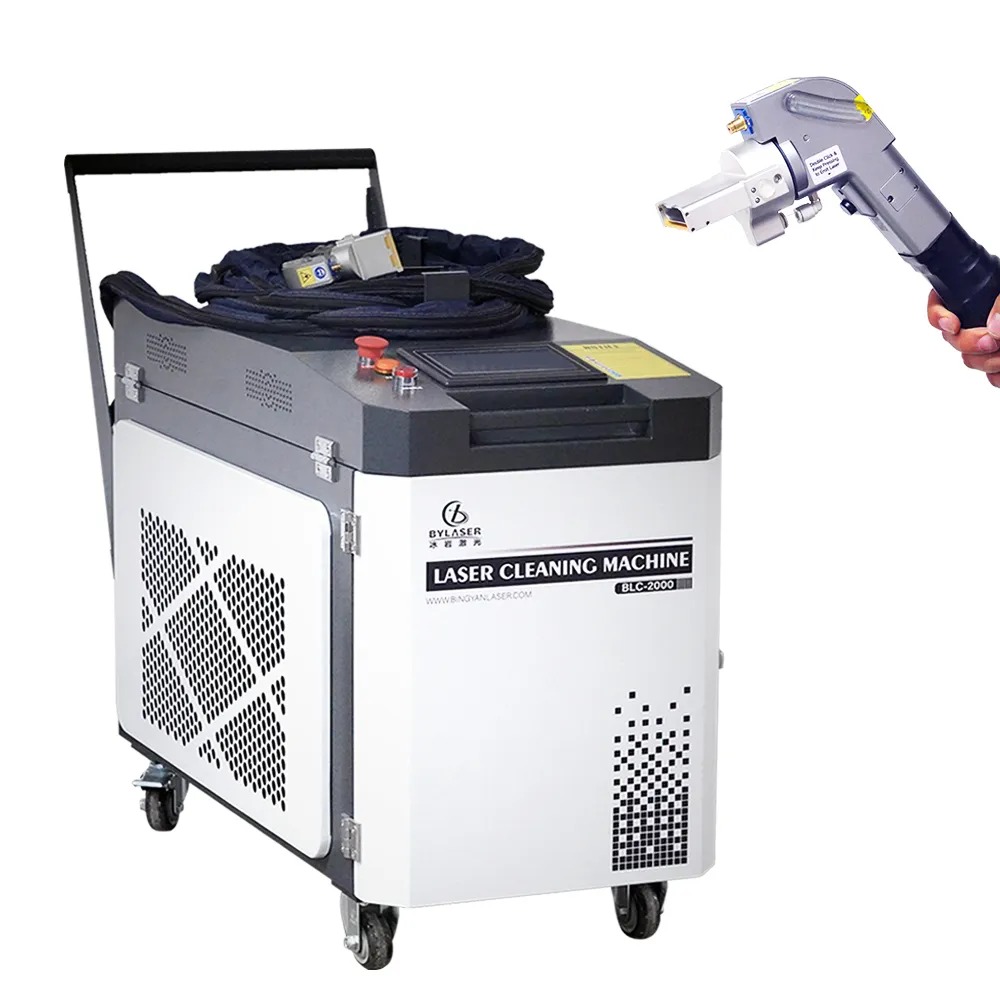
Laser rust remover technology represents a revolutionary advancement in industrial cleaning and metal surface treatment. Unlike traditional methods that rely on abrasive materials, chemical solvents, or grinding tools, a laser rust remover uses focused light energy to eliminate rust, corrosion, and contaminants from metal surfaces with precision and minimal environmental impact. This innovative approach has transformed how manufacturers, maintenance teams, and restoration professionals approach surface cleaning across diverse industries.
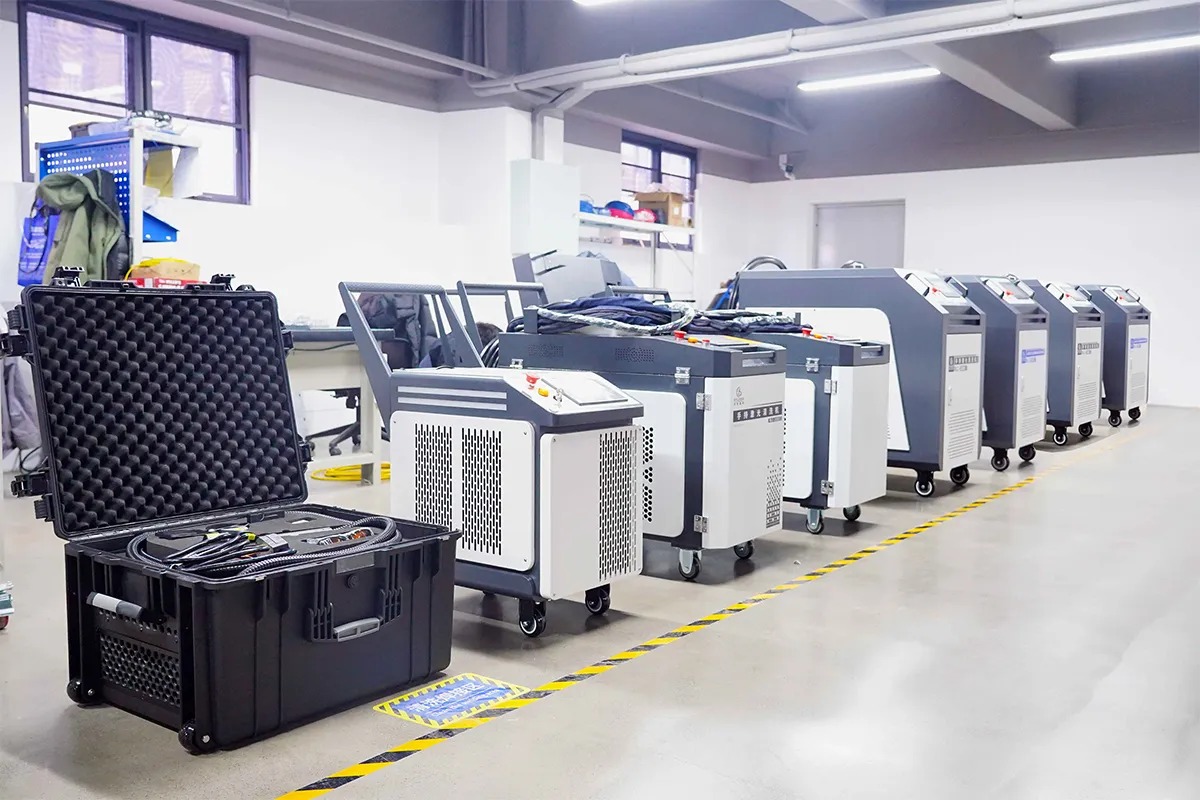
The core mechanism behind rust removal technology operates through a process called ablation, where concentrated laser energy rapidly heats and vaporizes rust layers and oxidized material without damaging the underlying metal substrate. Modern laser cleaning machines deliver precise bursts of light that selectively target contaminants, making this technology highly effective for restoration, maintenance, and preparation tasks. Understanding how this technology works and its practical applications helps industrial professionals make informed decisions about whether laser-based solutions fit their operational needs.
How Laser Rust Removal Technology Works
The Ablation Process and Energy Transfer
The laser cleaning machine operates by emitting high-intensity laser pulses that strike rust and corrosion on metal surfaces. When the laser energy contacts rust, it instantaneously heats the oxidized material to extremely high temperatures, causing it to ablate or vaporize into a plasma state. This process removes rust without introducing water, chemicals, or abrasive particles that traditional rust removal technology methods require. The laser pulse duration and energy levels are calibrated to ensure complete rust elimination while preserving the integrity of the underlying metal.
The non-contact nature of laser-based metal surface treatment eliminates mechanical stress on delicate or precision components. Engineers can adjust laser power, pulse frequency, and scanning speed to customize the cleaning intensity for different rust severities and material types. This adaptability makes rust removal technology using lasers suitable for both heavy industrial applications and sensitive restoration work where traditional abrasive methods would cause surface damage or material loss.
Selective Contamination Removal
One of the defining advantages of a laser cleaning machine is its ability to selectively remove contaminants while leaving the base metal untouched. The laser energy preferentially absorbs into rust, oxide layers, and surface contaminants because of their different material properties compared to clean metal. This selectivity is particularly valuable in metal surface treatment applications where precision matters, such as aerospace component restoration, automotive part preparation, and heritage conservation work. The laser rust remover can target rust deposits in tight crevices and complex geometries that traditional cleaning tools struggle to access.
Industrial Applications and Use Cases
Manufacturing and Fabrication
Manufacturing facilities use laser cleaning machines as a critical step in production workflows where surface cleanliness directly affects product quality and assembly success. Before welding, coating application, or precision assembly, metal components must be free of rust, mill scale, and oxidation. Laser-based rust removal technology achieves this requirement without introducing moisture that could promote new corrosion or leave chemical residues that interfere with downstream processes. The speed and efficiency of laser cleaning machines reduce production bottlenecks and improve overall throughput in high-volume operations.
Automotive manufacturers and fabrication shops employ rust removal technology to prepare stamped parts, welded assemblies, and structural components for coating and final assembly. The precision of a laser cleaning machine ensures uniform surface preparation across batches, reducing variability and improving coating adhesion and durability. This laser-based metal surface treatment approach integrates seamlessly into modern lean manufacturing environments where efficiency and waste reduction are paramount.
Maintenance, Repair, and Restoration
Maintenance teams across heavy equipment, machinery, and infrastructure sectors rely on laser rust remover technology to extend asset life and restore equipment functionality. Railway maintenance crews use laser cleaning machines to remove rust from rail beds and switching equipment without disrupting service or creating secondary contaminants. Bridge inspection and maintenance operations employ laser-based rust removal technology to clean structural elements and assess material condition beneath corrosion layers. The non-invasive nature of the laser cleaning machine makes it ideal for preserving historical artifacts and heritage structures where traditional abrasive cleaning would be destructive.
Oil and gas facilities use rust removal technology to maintain pressure vessels, pipeline segments, and drilling equipment exposed to harsh corrosive environments. The laser cleaning machine removes rust buildup that accumulates during storage, transport, and operational downtime, extending intervals between preventive maintenance cycles. Marine and offshore applications benefit similarly, as salt spray corrosion can be quickly removed without harsh chemicals or extensive mechanical effort.
Specialty and Precision Applications
Aerospace maintenance and restoration uses laser cleaning machines for high-precision metal surface treatment of turbine components, landing gear assemblies, and aircraft skin panels. The selective ablation capability ensures that delicate thermal coatings and surface properties remain undisturbed while rust and corrosion are completely removed. Electronics manufacturers and precision instrument makers employ rust removal technology to clean micro-features and fine details that manual or abrasive methods cannot safely access. Research institutions and conservation centers use laser-based cleaning to restore artifacts, historical metalwork, and scientific instruments where preservation of original material is essential.
Advantages Over Traditional Rust Removal Methods
Environmental and Health Safety Benefits
Traditional rust removal technology often relies on chemical solvents, sandblasting, wire brushing, or grinding, all of which generate hazardous waste, airborne particles, or toxic fumes. Laser cleaning machines eliminate these occupational health risks and environmental disposal challenges. The ablation process produces no secondary waste streams, chemical byproducts, or hazardous material that require costly disposal compliance. This makes laser rust remover technology particularly attractive in environmentally sensitive regions, food processing facilities, and healthcare manufacturing where contamination prevention is critical.
The non-consumable nature of laser-based metal surface treatment reduces ongoing material costs compared to sandpaper, abrasive media, chemical solutions, and replacement tooling. Operators face minimal exposure to dust, fumes, or chemical irritants, improving workplace safety records and reducing personal protective equipment requirements. Facilities using a laser cleaning machine experience lower insurance premiums, fewer regulatory compliance burdens, and improved employee retention related to health and safety concerns.
Precision and Material Preservation
Laser rust remover technology preserves substrate integrity in ways that aggressive abrasive rust removal technology cannot match. Traditional methods often remove not just rust but also base metal material, changing dimensions, surface texture, and material properties. A laser cleaning machine removes only the oxide layer and corrosion deposits, leaving original material dimensions and protective base layers intact. This precision is invaluable for close-tolerance components, vintage equipment restoration, and applications where even minimal material loss would compromise function or value.
The consistency of laser-based metal surface treatment produces uniform results across multiple parts and batches, reducing quality variability inherent in manual or semi-automated rust removal technology approaches. Automated laser cleaning machines can be programmed for specific parameters, ensuring repeatable results and traceability for quality-critical applications where documentation and consistency are regulatory requirements.
FAQ
Can laser rust remover technology work on all metal types?
Laser cleaning machines are effective on ferrous metals like steel and iron, as well as non-ferrous metals including aluminum, copper, and titanium. However, surface finish, paint layers, and plating must be considered during laser rust remover setup. Some specialized coatings may require different laser parameters or preliminary removal before rust removal technology processes begin. Always verify compatibility and test on sample areas before large-scale application of a laser cleaning machine.
Is laser rust remover technology cost-effective compared to traditional methods?
Initial capital investment for a laser cleaning machine is higher than manual tools, but operational costs and labor efficiency quickly offset this difference. Rust removal technology using lasers eliminates ongoing material purchases, chemical disposal fees, and secondary environmental handling. Faster processing speeds, reduced rework, improved surface quality, and longer asset lifespan justify the investment for industrial facilities processing high volumes or requiring consistent quality standards.
What safety precautions are necessary when operating a laser cleaning machine?
Laser safety protocols include proper eye protection, designated exclusion zones, and trained operator certification before using rust removal technology equipment. Modern laser cleaning machines include integrated safety interlocks and containment systems to prevent unauthorized exposure. Facilities should establish maintenance schedules, verify laser calibration regularly, and ensure operators understand laser rust remover safety documentation fully. Proper ventilation for ablated material and plasma byproducts is essential for safe metal surface treatment operations.
