


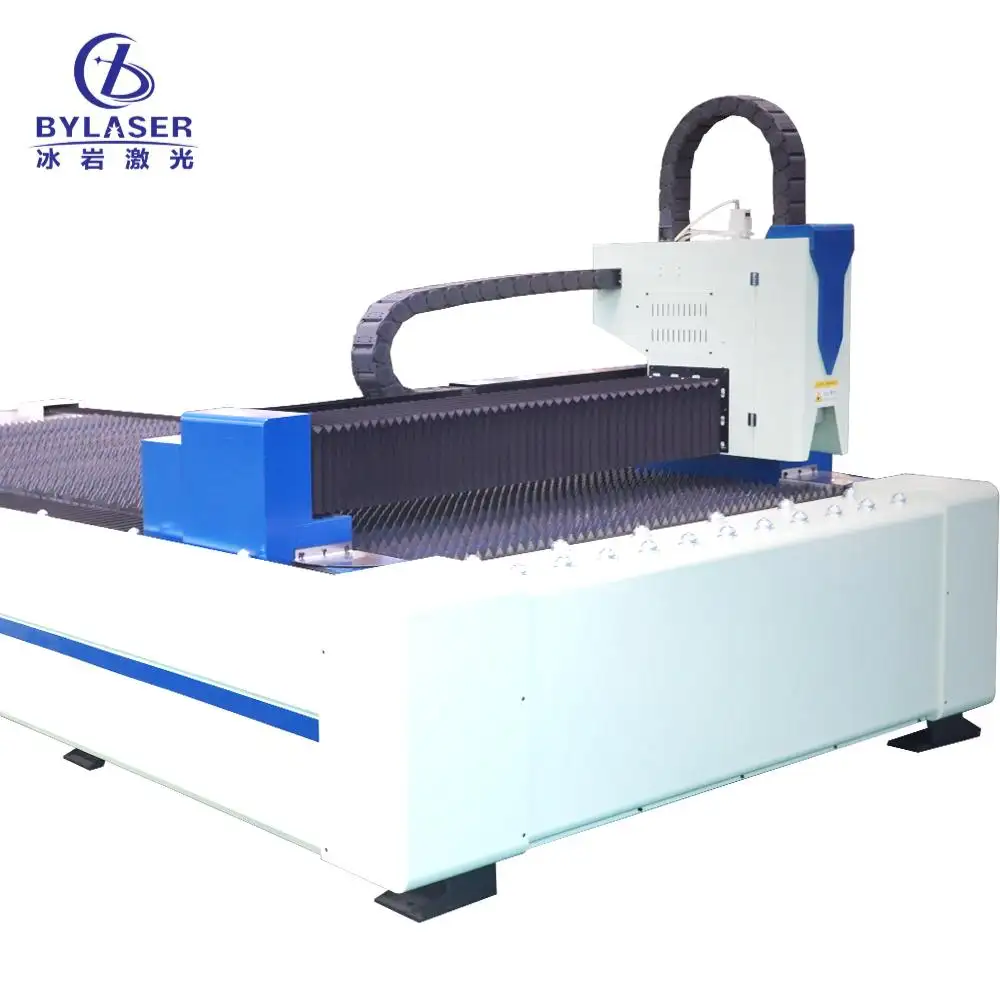
The laser cutting machine has become an indispensable tool across multiple industries, transforming how manufacturers approach precision cutting, design accuracy, and production efficiency. From automotive suppliers to jewelry designers, organizations across sectors have adopted laser technology to gain competitive advantages in speed, precision, and material versatility. Understanding which industries depend most heavily on this technology reveals critical insights into modern manufacturing trends and operational priorities.
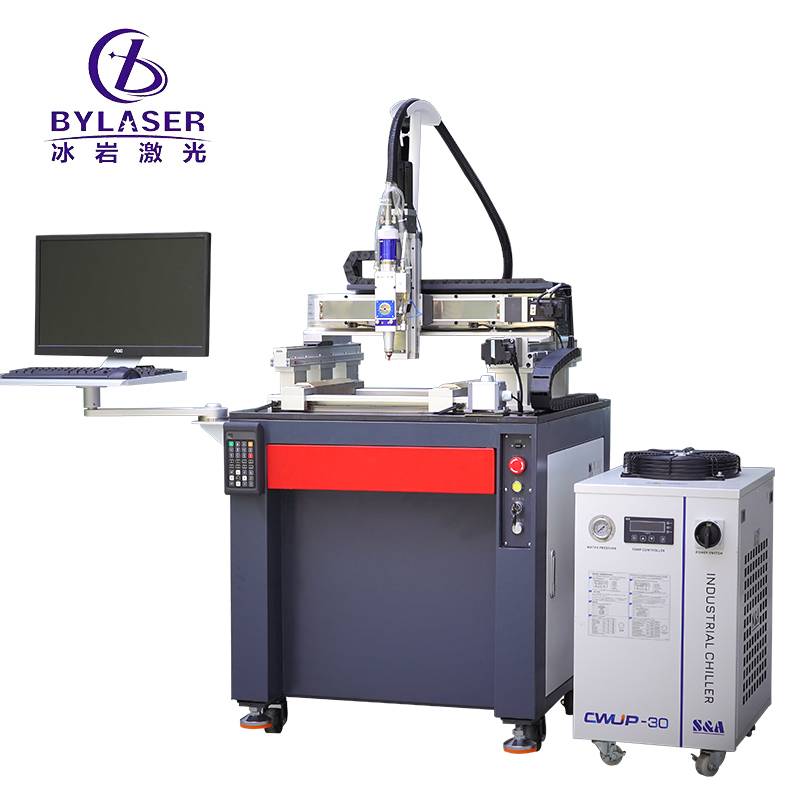
Different industries have adopted laser cutting technology at varying rates, depending on their production volume, material requirements, and precision standards. The most active sectors demonstrate consistent investment in both CO2 laser cutting systems and fiber laser cutter technology, reflecting the strategic importance of laser technology in their operational workflows. This article explores the industries driving the greatest adoption of laser cutting machines and explains why these sectors rely on this technology to remain competitive.
Automotive and Aerospace Manufacturing
Metal Component Fabrication
The automotive and aerospace sectors represent among the largest consumers of laser cut metal components worldwide. These industries demand extremely tight tolerances, rapid production cycles, and consistent quality across thousands of identical parts. A fiber laser cutter delivers the precision necessary for cutting steel brackets, aluminum frames, and stainless steel panels used in vehicle assembly and aircraft construction. The repeatability of laser technology eliminates variability between parts, reducing waste and rework costs that would otherwise accumulate across high-volume production runs.
CO2 laser cutting remains prevalent in automotive shops for cutting non-metallic components including rubber gaskets, interior trim panels, and protective barriers. The versatility of CO2 systems allows manufacturers to switch between material types without complex equipment reconfiguration, streamlining production logistics. Both fiber laser cutter and CO2 laser cutting technologies work synergistically within automotive facilities, enabling integrated manufacturing workflows that process multiple material types efficiently. The aerospace industry particularly values the minimal heat distortion achieved through laser cutting, as thermal effects on aluminum and titanium alloys can compromise structural integrity in flight-critical applications.
Prototype Development and Customization
Automotive and aerospace engineers frequently use laser cutting machines for rapid prototyping and custom component design. The ability to reprogram cutting paths instantly reduces time between design iterations and physical testing. A laser cut metal prototype can be produced in hours rather than days, accelerating development cycles and allowing teams to evaluate multiple design variations. This speed advantage directly impacts competitive positioning, as companies that bring innovations to market faster capture market share and establish design leadership in their segments.
Electronics and Electrical Equipment Manufacturing
Precision Component Processing
Electronics manufacturers depend on laser cutting machines for producing circuit board components, metal housings, and connector brackets with micron-level precision. Fiber laser cutter technology enables cutting of intricate patterns on copper, brass, and aluminum without mechanical stress that could damage delicate circuit elements. The non-contact nature of laser cutting eliminates tool wear and the need for frequent tool changes, reducing downtime in high-speed production environments. Manufacturers of consumer electronics, industrial control systems, and telecommunications equipment all rely heavily on laser technology to maintain the dimensional accuracy required for proper assembly and functionality.
CO2 laser cutting serves electronics manufacturers by processing organic materials including adhesive films, insulation layers, and protective coatings. The ability to cut these materials without charring or melting edges ensures that final products meet electrical safety and performance specifications. Combined deployment of fiber laser cutter and CO2 laser cutting systems within a single electronics facility creates comprehensive material processing capabilities that reduce outsourcing and improve supply chain resilience.
Heat-Sensitive Assembly Requirements
Electronics components often incorporate heat-sensitive materials that cannot withstand mechanical cutting stress or high-temperature processing. Laser cutting machines generate minimal thermal effects in the surrounding material, making them ideal for processing assemblies with embedded semiconductors, circuit traces, and sensitive coatings. This precision advantage translates into higher first-pass quality rates, fewer customer returns, and reduced warranty costs.
Medical Device and Dental Equipment Manufacturing
Biocompatible Material Processing
Medical device manufacturers use laser cutting machines extensively for processing stainless steel surgical instruments, titanium orthopedic implants, and precision diagnostic equipment components. The strict regulatory environment governing medical devices requires documentation of manufacturing processes, dimensional accuracy, and material traceability. Laser cut metal components inherently meet these requirements because laser systems produce consistent, repeatable cuts with minimal material variation. Dental laboratories rely on CO2 laser cutting and fiber laser cutter technology for fabricating prosthetic components, orthodontic brackets, and precision tooling used in tooth restoration procedures.
The non-contact cutting process prevents contamination of sterile medical components and eliminates the burring and microfractures that mechanical cutting produces. These surface quality advantages directly impact biocompatibility and reduce the need for secondary finishing operations that add cost and manufacturing time. Medical device companies operating in competitive global markets use laser cutting machines as a core competency that supports both quality differentiation and cost leadership.
Customized Implant and Prosthetic Design
Patient-specific medical implants require rapid customization based on diagnostic imaging data and individual anatomy. Laser cutting machines enable manufacturers to reprogram designs for each patient without physical retooling, making personalized medical solutions economically viable. This capability has expanded addressable markets for specialized medical device companies and enabled new business models based on customization rather than mass production standardization.
Jewelry, Decoration, and Fashion Manufacturing
Intricate Design Precision and Material Versatility
The jewelry and luxury goods industries represent significant users of laser cutting machines because these sectors demand intricate design execution and material versatility that mechanical cutting cannot achieve. Fiber laser cutter systems cut precious metals including gold, silver, platinum, and specialized alloys with precision that preserves material value and enables complex aesthetic designs. Designers can incorporate fine details, elaborate patterns, and custom engravings that differentiate luxury products and justify premium pricing. CO2 laser cutting extends these capabilities to non-metallic luxury materials including leather, acrylic, wood, and textiles, enabling integrated product design that combines multiple material types.
Fashion and apparel manufacturers use CO2 laser cutting for fabric processing, leather goods production, and decorative elements that define luxury positioning. The precision of laser technology enables fabric patterns that mechanical cutting cannot achieve, creating distinctive visual signatures that become brand identifiers. Customization capabilities allow fashion brands to offer limited-edition designs and rapid response to emerging trend cycles, capabilities that amplify brand value and customer loyalty.
Sustainable Production and Waste Reduction
Luxury manufacturers increasingly prioritize sustainability and ethical sourcing, making laser cutting machines valuable tools for waste minimization. Laser technology optimizes material nesting, reducing scrap rates compared to mechanical cutting methods. This efficiency directly supports corporate sustainability commitments while improving material cost economics and operational profitability.
FAQ
Which laser cutting technology dominates industrial adoption?
Both fiber laser cutter and CO2 laser cutting technologies maintain strong industrial adoption, but fiber technology increasingly dominates metal-cutting applications due to superior efficiency, lower operating costs, and faster cutting speeds. CO2 laser cutting remains the preferred technology for non-metallic materials including textiles, plastics, wood, and leather. Industry adoption patterns reflect material requirements rather than universal preference, as both technologies serve distinct applications within comprehensive manufacturing operations.
How does laser cut metal quality compare to mechanical cutting?
Laser cut metal components consistently outperform mechanically cut parts in surface finish quality, dimensional accuracy, and edge condition. The non-contact cutting process eliminates tool wear and material deformation that mechanical cutting introduces. Industries with strict quality standards and high-volume production requirements have adopted laser technology to reduce secondary finishing operations and improve first-pass quality rates.
What drives industry investment in laser cutting machine technology?
Industries invest in laser cutting machines to achieve cost reduction through faster production cycles, improved material utilization, and reduced labor requirements for finishing operations. Additional drivers include quality differentiation through precision capability, customization flexibility for personalized products, and sustainability alignment through waste minimization. Competitive pressures within each industry accelerate adoption as early technology adopters establish cost and quality advantages.
