


A laser cutting machine represents one of the most versatile tools in modern manufacturing, capable of precisely processing an extensive range of materials with remarkable accuracy. Understanding which materials a laser cutting machine can cut is essential for businesses considering this technology, as different laser types excel at different material categories. Whether you operate in signage, jewelry, textiles, or metalworking, knowing the material compatibility of your laser system directly impacts your production capabilities and return on investment.
The material cutting capacity of your laser system depends primarily on two factors: the laser type itself and the wavelength characteristics of the specific technology. A fiber laser cutter and a CO2 laser cutting system operate on fundamentally different principles, which determines their material processing strengths. This guide explores the comprehensive material spectrum that modern laser cutting machines can process, helping you identify the right technology for your specific industrial needs.
Metals and Metal Alloys Suitable for Laser Processing
Ferrous Metals and Steel Processing
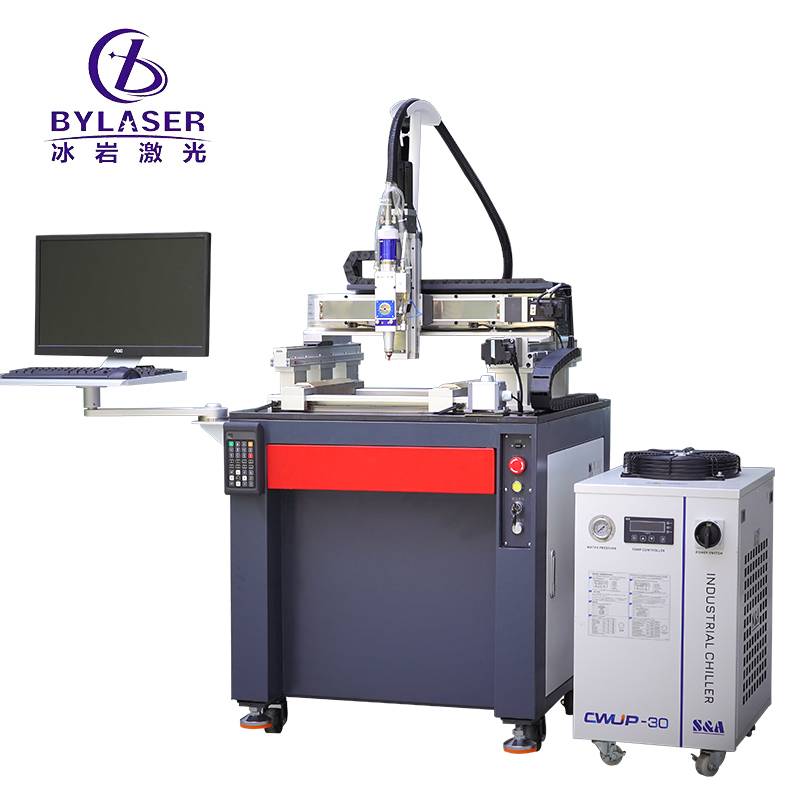
A fiber laser cutter excels at processing ferrous metals, particularly stainless steel, mild steel, and carbon steel sheets. These materials absorb the fiber laser's wavelength extremely efficiently, allowing for clean, high-speed cuts with minimal thermal distortion. CO2 laser cutting is less effective on bare ferrous metals because the infrared wavelength they emit reflects rather than absorbs into steel surfaces, though some CO2 systems incorporate specialized coatings to improve metal interaction. For laser cut metal work, fiber laser technology has become the industry standard in automotive parts manufacturing, aerospace components, and sheet metal fabrication.
Non-Ferrous Metals and Precious Materials
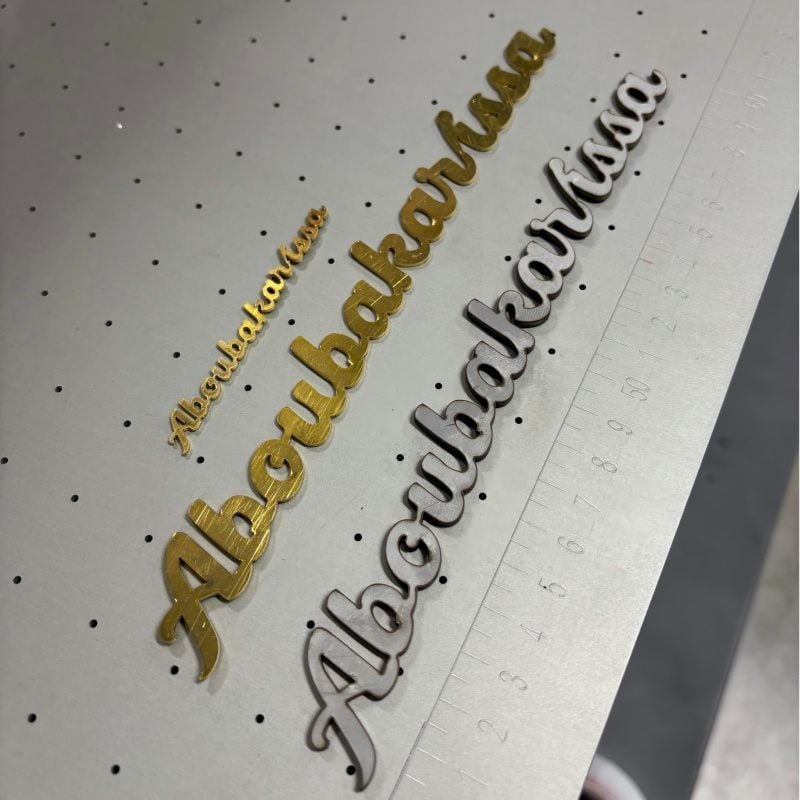
Aluminum, copper, brass, and titanium represent excellent candidates for fiber laser cutter processing, though reflectivity varies among these materials. Copper and brass exhibit higher reflectivity than steel, requiring higher power settings or slower cutting speeds, yet modern fiber systems handle these materials reliably. Precious metals including gold, silver, and platinum respond exceptionally well to laser cutting, making fiber laser technology the preferred choice in jewelry manufacturing and luxury goods production. Aluminum, despite its light weight and industrial prevalence, requires careful power calibration to prevent melting rather than vaporization at the cut edge.
Organic Materials and Non-Metal Substrates
Wood, Plywood, and Timber Products
CO2 laser cutting dominates the wood-cutting sector due to superior absorption of the longer infrared wavelength into organic materials. Wood, plywood, MDF, and various timber products cut and engrave beautifully under CO2 systems, producing dark, precise edges characteristic of thermal vaporization. Hardwoods like oak and maple require higher power than softwoods, but all wood species remain processable. The laser cutting machine's ability to engrave detailed designs simultaneously with cutting makes wood processing particularly valuable for decorative items, signage, and custom furniture applications.
Fabrics, Textiles, and Leather
Fabrics and textiles respond exceptionally well to CO2 laser cutting, which vaporizes material fibers cleanly without mechanical stress or fraying. Cotton, silk, polyester, and wool cut with sealed edges, eliminating the need for secondary finishing. Leather and suede, whether natural or synthetic, achieve precision cuts and detailed engravings through laser cutting machines. The non-contact cutting method proves particularly valuable in fashion manufacturing and garment customization, where traditional cutting tools risk snagging delicate fibers or creating irregular edges.
Specialty Materials and Advanced Applications
Plastics, Acrylics, and Polymers
Acrylic, polycarbonate, and PMMA plastics represent ideal materials for CO2 laser cutting, producing clean, polished edges without additional processing. These materials absorb the infrared wavelength efficiently and vaporize cleanly at cut lines. Polypropylene and polyethylene present greater challenges due to their lower melting points, requiring reduced power and faster speeds to prevent material damage. A laser cutting machine equipped with proper ventilation and cooling systems can process engineered plastics used in signage, architectural models, and consumer product prototyping.
Rubber, Cork, and Composite Materials
Natural rubber, cork gaskets, and foam materials respond well to CO2 laser cutting, enabling precision processing in industrial sealing and cushioning applications. Certain composite materials, including phenolic laminates and paper composites, cut cleanly through CO2 systems. Glass, marble, and ceramic materials do not cut through laser processing but engrave effectively, creating decorative surfaces without material separation. Understanding these material boundaries helps manufacturers avoid equipment damage and unrealistic project specifications.
FAQ
Can a fiber laser cutter process wood and textiles like a CO2 system?
Fiber laser cutters generate shorter wavelengths that poorly absorb into organic materials compared to CO2 systems, resulting in reduced cutting efficiency and potential surface charring on wood and fabrics. While specialized fiber systems with modified settings can process some organic materials, CO2 laser cutting remains the industry standard for wood, textiles, and leather due to superior material interaction and cleaner cut edges.
What happens when a laser cutting machine encounters materials it cannot cut?
Materials with high reflectivity, such as polished aluminum or copper, or materials that vaporize unpredictably, including PVC and certain plastics, may cause laser beam reflection back into the machine or create hazardous fumes. Modern laser cutting machines include safety systems to detect these problems, but attempting to cut unsuitable materials risks equipment damage and creates safety hazards for operators.
How does laser wavelength determine what materials a laser cutting machine can process?
The laser wavelength determines material absorption rates: CO2 systems emit 10.6 micrometers, ideal for organic and non-metallic materials, while fiber lasers emit 1.06 micrometers, perfectly matched to metal absorption. This fundamental physics principle means each laser type excels at specific material categories, making technology selection critical before investment in your production facility.
