


Maintaining a laser marking machine is critical to ensuring consistent performance, extended equipment lifespan, and optimal product quality in industrial environments. Whether you operate a fiber laser marking system or a CO2 laser marking setup, understanding the specific maintenance requirements for your marking machines will prevent costly downtime and preserve your investment. Regular maintenance schedules, proper cleaning protocols, and component inspections form the foundation of reliable industrial marking system operation.
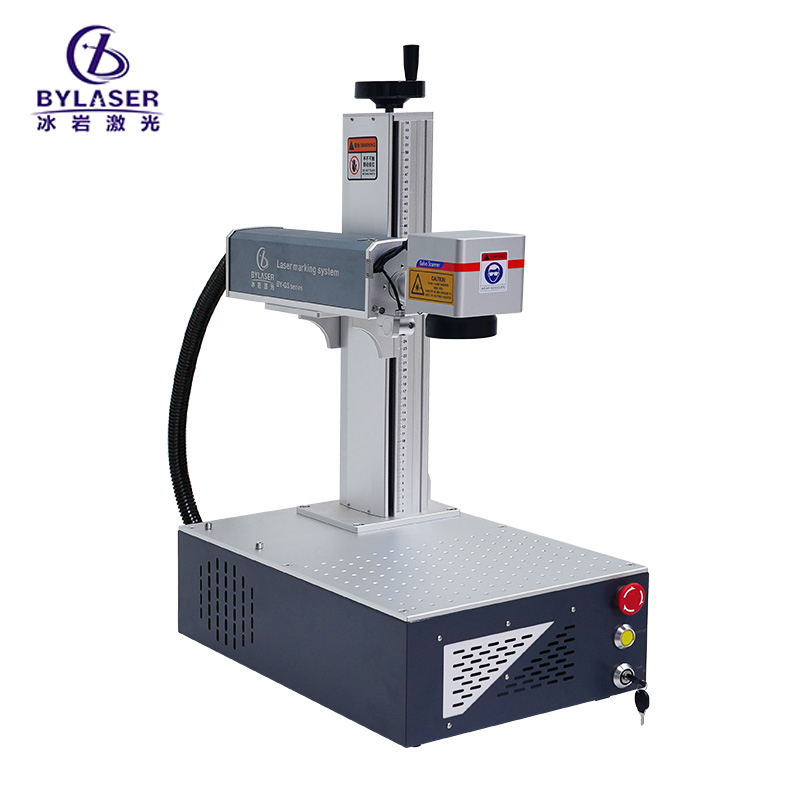
The maintenance landscape for marking machines varies depending on laser type, production volume, and operating environment. A laser marking machine requires attention to optical components, cooling systems, electrical connections, and software calibration. Understanding these distinct maintenance categories helps operators develop comprehensive care routines that maximize equipment reliability and marking quality across diverse industrial applications.
Daily and Weekly Maintenance Tasks
Optical Component Inspection
The optical path represents the heart of any fiber laser marking or CO2 laser marking system. Daily visual inspections should check for dust accumulation, debris, or fingerprints on protective windows and lenses. Use only lint-free wipes and appropriate cleaning solutions specifically designed for laser optics. Contaminated optical surfaces reduce beam quality and marking precision, leading to inconsistent results and potential component damage. Weekly deep cleaning of the optical path prevents progressive degradation that commonly occurs in dusty or humid industrial environments.
Cooling System Verification
Every industrial marking system depends on proper thermal management to maintain laser tube efficiency and longevity. Check coolant levels in your cooling unit daily, noting any unusual temperature fluctuations displayed on control panels. Verify that airflow around cooling components remains unobstructed and that water circulation operates smoothly without strange noises. Early detection of cooling inefficiencies prevents thermal stress that can permanently damage expensive laser tubes and reduce marking speed and quality.
Monthly and Quarterly Maintenance Procedures
Electrical Connection Assessment
Monthly inspections of electrical connections ensure stable power delivery to your marking machines and associated systems. Check all visible connectors, power cables, and control panel terminals for signs of oxidation, corrosion, or loose connections. Tighten any loose fasteners carefully using appropriate tools to avoid damage. Quarterly thermal imaging of electrical components can identify overheating issues before they cause operational failures or safety hazards in your industrial marking system environment.
Mechanical Alignment Checks
Precision alignment in fiber laser marking and CO2 laser marking equipment directly affects marking accuracy and consistency. Monthly checks of galvanometer mirrors, focusing lenses, and beam delivery components help identify misalignment before it impacts production. Quarterly professional recalibration ensures your industrial marking system maintains factory-specified tolerances. Misaligned optics waste energy, reduce marking quality, and increase wear on optical components, ultimately shortening equipment lifespan.
Annual Maintenance and Professional Service
Comprehensive System Overhaul
Annual professional maintenance represents a critical investment for extended marking machine reliability and performance. Qualified technicians should conduct thorough inspection of all laser components, cooling circuits, and electrical systems during annual service visits. This includes cleaning internal optical elements that cannot be safely accessed during routine maintenance, replacing worn seals or gaskets, and recalibrating the entire laser marking machine for optimal performance. Annual servicing typically identifies wear patterns and potential failure points before they cause unexpected downtime.
Software and Calibration Updates
Modern marking machines incorporate sophisticated control software that requires periodic updates and recalibration. Annual calibration adjustments ensure that fiber laser marking, CO2 laser marking, and other marking modes produce consistent output across your industrial marking system. Software updates patch security vulnerabilities, improve marking quality algorithms, and enhance compatibility with new material types. Manufacturers often release calibration profiles for specific applications that can optimize your marking machine performance for specialized production requirements.
Parts Replacement Schedule
Certain components in every laser marking machine have predictable wear patterns and recommended replacement intervals. Fiber laser marking systems typically require tube replacement every 10,000 to 15,000 operating hours, while CO2 laser marking tubes last 3,000 to 5,000 hours under normal conditions. Cooling fluid should be changed annually to prevent bacterial growth and maintain thermal efficiency. Replacing components before failure prevents catastrophic damage to surrounding systems and eliminates production interruptions caused by unexpected equipment failures in your industrial marking system.
FAQ
How often should I perform maintenance on my laser marking machine?
Daily visual inspections and weekly deep cleaning of optical components form the foundation of preventive maintenance. Monthly electrical and mechanical checks identify developing issues early, while quarterly professional calibration maintains marking accuracy. Annual comprehensive service by qualified technicians ensures long-term reliability and addresses internal components that require specialized access. Your specific maintenance frequency may adjust based on production volume, environmental conditions, and the manufacturer's recommendations for your particular laser marking machine model.
What is the difference between fiber laser marking and CO2 laser marking maintenance?
Fiber laser marking systems require attention to optical fiber alignment and electrical cooling for solid-state lasers, while CO2 laser marking tubes need gas mixture monitoring and tube replacement more frequently. Fiber laser marking maintenance emphasizes mirror alignment and thermal management, whereas CO2 laser marking focuses on tube longevity and cooling fluid quality. Both industrial marking system types require similar optical cleaning protocols and mechanical calibration procedures. Understanding your specific laser technology guides maintenance priorities and helps prevent technology-specific failure modes.
Can I perform all maintenance tasks myself or do I need professional service?
Daily cleaning, visual inspections, and basic coolant level checks are safe tasks for trained operators working with their laser marking machine. Monthly electrical and mechanical inspections can often be performed in-house if operators receive proper training and follow safety protocols. However, annual professional service from qualified technicians remains essential for deep internal cleaning, component replacement, and comprehensive calibration that require specialized tools and expertise. Professional fiber laser marking and CO2 laser marking service prevents warranty voidance and ensures your industrial marking system receives expert-level diagnostics and preventive interventions.
