


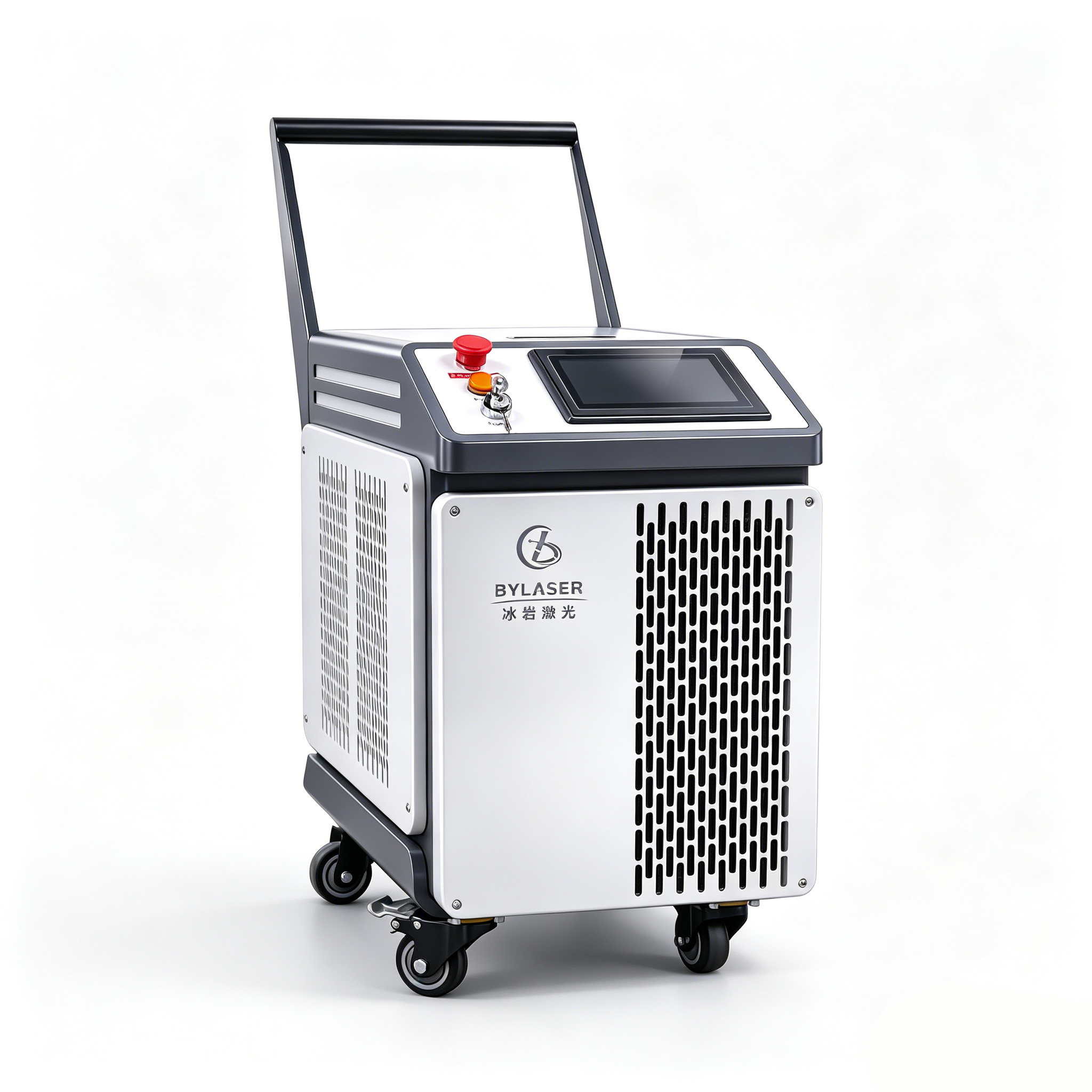
The speed at which a laser paint remover strips paint depends on multiple factors including laser power, material composition, paint thickness, and surface reflectivity. Modern laser paint stripping systems can remove paint significantly faster than traditional abrasive methods, with some units processing several square meters per hour. Understanding the actual removal speed helps businesses evaluate efficiency gains and return on investment for industrial paint removal applications.
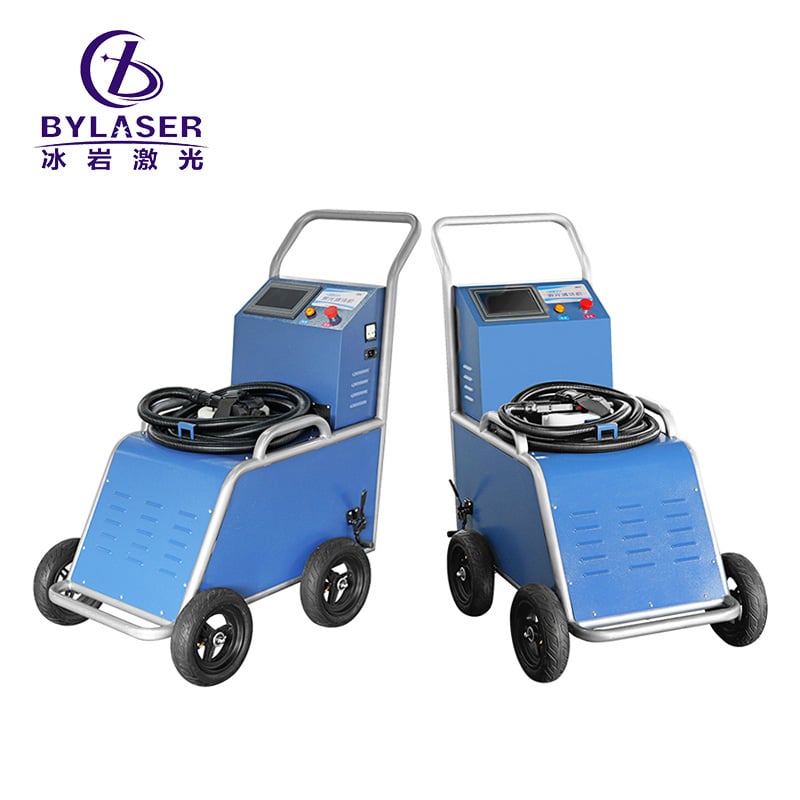
A quality laser paint remover operates by directing concentrated light pulses at painted surfaces, causing rapid thermal expansion and controlled ablation of coating layers. The technology behind laser paint stripping offers substantial advantages over sandblasting, chemical stripping, and mechanical grinding, particularly in demanding industrial environments where precision and speed matter equally.
Laser Power and Paint Removal Speed
Laser power directly correlates with coating removal laser effectiveness and processing speed. Higher-wattage systems, typically ranging from 200W to 500W for industrial paint removal, remove paint faster than lower-powered alternatives. A 300W laser paint stripping unit can cover approximately 2 to 4 square meters per hour depending on paint type and substrate hardness, while professional-grade systems exceeding 500W may achieve 5 to 8 square meters hourly.
Material Composition Impact on Speed
Paint composition dramatically affects how quickly laser paint stripping occurs. Single-layer automotive paints typically strip within seconds to minutes, while multi-layer industrial coatings require proportionally longer exposure. Epoxy-based paints, polyurethane systems, and rust-preventive coatings respond differently to laser energy. Darker pigments absorb laser wavelengths more efficiently than lighter colors, accelerating paint removal in those cases.
Substrate and Surface Condition
The underlying material influences industrial paint removal efficiency considerably. Polished metal surfaces conduct heat differently than textured or oxidized substrates. Flat, even surfaces allow consistent laser contact and faster ablation, while curved or uneven geometry may require adjusted angles and slower passes. Surface cleanliness before treatment also impacts speed—pre-cleaning dust and debris ensures optimal laser paint stripping performance.
Real-World Removal Speed Comparisons
Practical industrial paint removal scenarios demonstrate the speed advantages of laser technology. Aircraft maintenance teams using coating removal laser systems report removing engine component paint in hours rather than days, compared to traditional chemical or abrasive methods. Automotive restoration shops stripping vintage vehicles achieve cleaner results with less substrate damage and complete paint removal in fraction of the time required by conventional grinding or sanding.
Typical Processing Times for Common Applications
A standard automotive door panel typically requires 15 to 30 minutes of laser paint stripping for complete paint removal, depending on layering and substrate. Heavy industrial equipment coated with multi-layer protective systems may require 1 to 3 hours for comprehensive cleaning. Rail infrastructure, bridges, and structural steel elements benefit significantly from laser paint stripping efficiency, as technicians can process large areas without interrupting operations or creating environmental hazards.
Environmental and Operational Benefits
Beyond raw speed, laser paint stripping offers operational advantages that improve overall project timelines. No chemical containment, no dust generation requiring ventilation systems, and no waste disposal complexity mean faster project completion. Industrial paint removal using laser technology eliminates mask-up time, chemical application periods, and extended drying phases inherent to traditional methods.
Optimization Strategies for Maximum Speed
Achieving optimal laser paint stripping speed requires strategic equipment configuration and operator technique. Selecting appropriate laser power for the specific coating type, maintaining correct stand-off distances, and programming smooth scanning patterns all contribute to faster processing. Experienced operators understand how to balance speed with quality, avoiding over-aggressive settings that damage substrate while ensuring complete paint removal in minimal passes.
Equipment Settings and Parameters
Pulse frequency, scan speed, and repetition rate significantly affect laser paint remover output. Systems allowing adjustable parameters enable operators to optimize settings for specific industrial paint removal tasks. Lower frequencies with extended pulse duration suit thick, stubborn coatings, while higher frequencies accelerate processing of thinner paint layers. Multi-pass strategies sometimes achieve faster overall results than single aggressive passes, despite seeming counterintuitive.
Maintenance and Consistency
Regular maintenance ensures laser paint stripping systems maintain peak performance and speed. Laser optics degradation reduces energy delivery and slows coating removal laser effectiveness progressively. Clean, well-maintained systems consistently achieve manufacturer specifications, while neglected equipment experiences reduced power output and extended processing times, ultimately negating speed advantages.
FAQ
How many layers of paint can a laser paint remover strip simultaneously?
Most laser paint stripping systems remove one paint layer per pass, though experienced operators can achieve multi-layer removal in strategic applications. The speed depends on total coating thickness and material composition. Thinner multi-layer systems may strip completely in single passes, while thick industrial protective coatings require sequential passes to prevent substrate damage and ensure quality results.
What factors reduce laser paint stripping speed?
Surface conditions, paint type, substrate composition, equipment power limitations, and operator skill all influence industrial paint removal speed. Complex geometries with curves and crevices require slower, more careful passes. Reflective surfaces and light-colored paints absorb less laser energy, extending processing time. Underneath corrosion or rust layers beneath paint can slow coating removal laser effectiveness and necessitate preliminary surface preparation.
Is laser paint stripping faster than chemical or abrasive methods?
For most industrial paint removal applications, laser paint stripping substantially outpaces traditional methods when accounting for total project time. While single-pass speed varies, laser technology eliminates drying periods, chemical neutralization steps, and extensive waste disposal requirements inherent to conventional approaches. The cumulative time advantage, combined with superior substrate preservation, makes laser paint remover systems significantly more efficient for professional-grade applications.
