


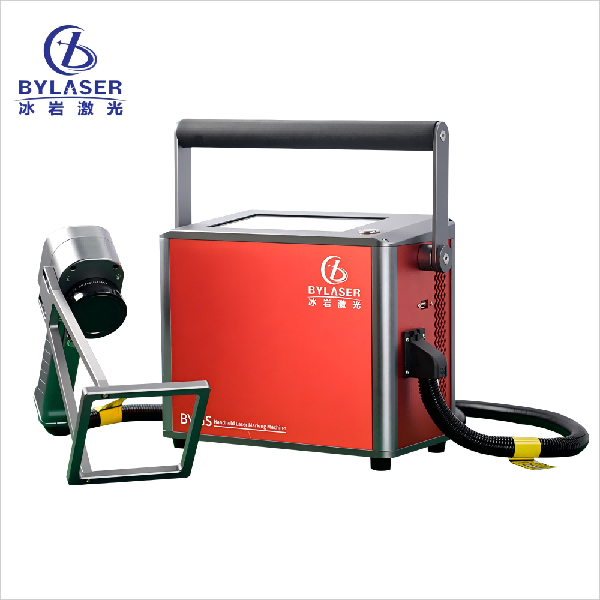
A fiber laser marking machine represents one of the most advanced technologies in industrial marking and engraving today. Unlike traditional marking methods that rely on mechanical contact or chemical processes, a fiber laser marking machine uses concentrated light energy to create permanent, high-precision marks on virtually any material surface. Understanding how this equipment operates requires exploring the fundamental physics of laser technology, the specific design elements that make fiber lasers unique, and the practical mechanisms that translate laser energy into precise material modification.
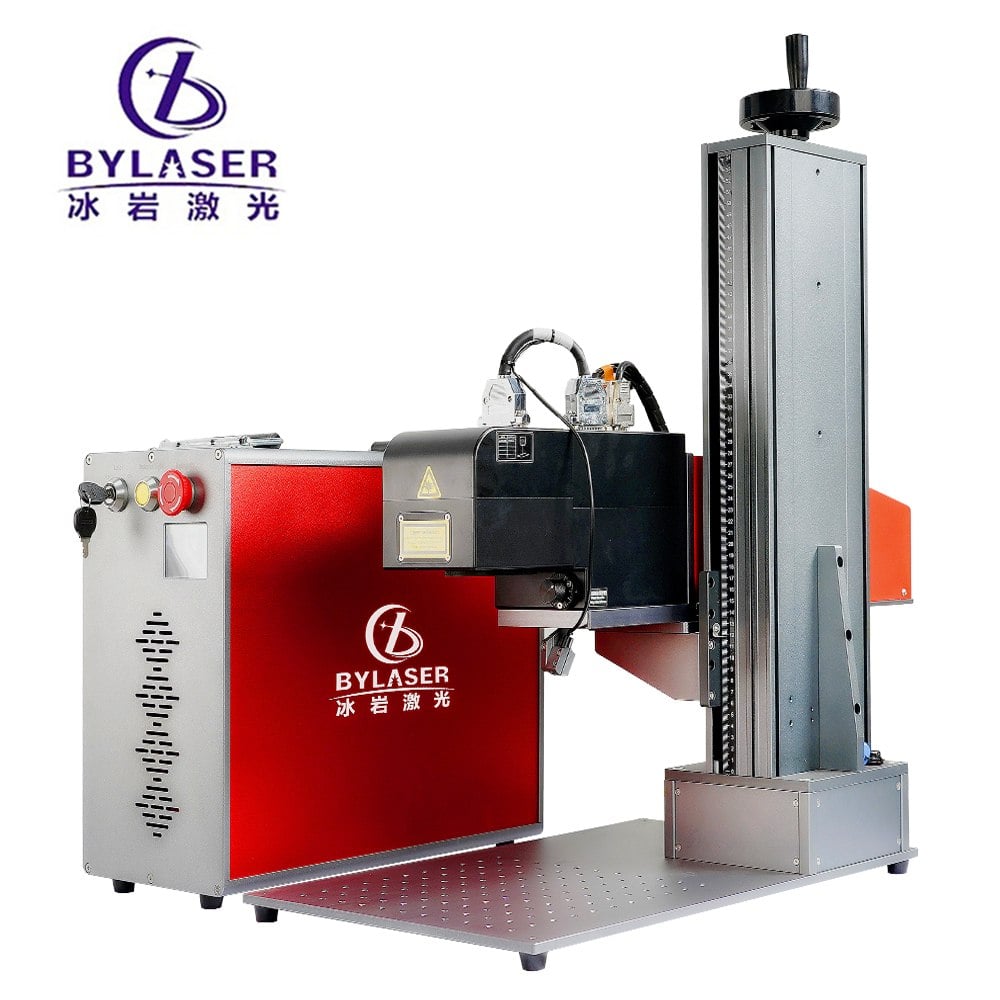
The fiber laser marking technology operates through a carefully engineered sequence of optical and electronic components working in perfect synchronization. The system generates an intense, focused laser beam that interacts with material surfaces through controlled heating and vaporization. This process enables manufacturers to create detailed markings, serial numbers, barcodes, and decorative patterns without the wear, maintenance demands, or material waste associated with older marking technologies.
Core Principles of Fiber Laser Marking Technology
Laser Beam Generation and Fiber Amplification
At the heart of any fiber laser marking technology lies a laser cavity that generates light at a specific wavelength, typically around 1064 nanometers in the infrared spectrum. This seed light enters a fiber amplifier containing rare-earth elements such as erbium or ytterbium, which are pumped with energy from a diode laser. As photons travel through the doped fiber core, stimulated emission amplifies the light beam exponentially. The fiber's cylindrical geometry ensures exceptional beam quality and allows the light to remain confined within a very small diameter, creating extraordinary power density when focused. This fundamental design gives the industrial laser engraving system its characteristic precision and efficiency compared to other laser types.
Focusing and Material Interaction
Once the fiber laser marking technology generates the amplified beam, a galvanometer scanning system directs it across the material surface with remarkable speed and accuracy. Precision optical lenses focus the laser onto a spot diameter of just a few micrometers, creating energy densities exceeding millions of watts per square centimeter. When this concentrated energy contacts the material, it causes localized heating far exceeding the material's melting point. Depending on marking parameters, the material either melts and displaces, oxidizes and discolors, or vaporizes entirely, creating visible contrast against the surrounding surface. This direct energy transfer mechanism eliminates the need for ink, chemicals, or consumable materials, making the portable laser marking device highly economical for high-volume production environments.
System Architecture and Component Function
Laser Source and Power Supply
The fiber laser marking machine integrates a fiber laser source powered by specialized electronics that deliver stable, controlled energy to the pump diodes. Modern systems include closed-loop feedback mechanisms that monitor laser output power and maintain consistency throughout extended production runs. The power supply unit manages thermal dissipation through integrated cooling systems, preventing wavelength drift and ensuring stable beam characteristics. Industrial laser engraving systems typically operate in the 10 to 100-watt range for marking applications, with higher-power versions available for deep engraving or cutting applications. This modular approach allows manufacturers to select appropriate power levels for their specific marking requirements without overinvesting in unnecessary capacity.
Galvanometer Scanning and Control Electronics
The portable laser marking device relies on high-speed galvanometer scanners that rapidly reposition the laser beam across the work surface. These precision-engineered mirrors respond to electrical signals within milliseconds, enabling the system to trace complex patterns, characters, and images with exceptional fidelity. Control electronics interpret design data from connected computers and translate these instructions into synchronized galvanometer movements and laser power modulation. Advanced software interfaces allow operators to adjust marking speed, laser intensity, and beam focus depth, providing flexibility across different material types and surface conditions. This real-time control capability distinguishes modern fiber laser marking technology from static-beam systems, enabling dynamic pattern generation without mechanical repositioning of parts.
Optical Delivery and Focusing Lens
Between the laser source and the work surface, the fiber laser marking machine employs a series of optical components that shape and direct the beam. The f-theta lens represents a critical element in this optical chain, designed specifically to maintain focus accuracy across a large marking field while converting galvanometer angular movements into linear spatial displacement. This specialized lens enables uniform marking across the entire working area without geometric distortion or focus degradation at field edges. High-quality optical coatings minimize reflective losses and maintain beam coherence, directly impacting marking speed and energy efficiency. The optical delivery subsystem ultimately determines the minimum feature size, marking resolution, and repeatability that the portable laser marking device can achieve.
Practical Marking Mechanisms and Material Responses
Surface Annealing and Color Changes
One primary operating mode of the fiber laser marking technology involves controlled heating that oxidizes material surfaces without significant material removal. On stainless steel and titanium surfaces, laser-induced oxidation creates visible color changes ranging from light gold through dark blue, depending on temperature and oxidation duration. This annealing process occurs through precise energy control rather than actual vaporization, making it ideal for cosmetic marking that preserves material properties and surface integrity. The industrial laser engraving system can vary marking color through programmed power adjustments, enabling multicolor marking on monochrome materials without ink or additional processing steps. This capability provides substantial value for applications requiring high-contrast visibility without affecting functional material characteristics.
Engraving and Vaporization
When the fiber laser marking machine operates at higher power levels or focuses more tightly, it creates sufficient energy density to exceed material melting points and initiate vaporization. In this mode, the material surface ablates, leaving behind physical indentations that create permanent, highly legible marks resistant to mechanical wear or chemical degradation. The depth of material removal can be precisely controlled through laser power, beam dwell time, and focusing distance, enabling everything from surface marking to deep engraving applications. This vaporization mode works across an extraordinary range of materials including metals, ceramics, plastics, glass, and organic materials, making the portable laser marking device suitable for diverse industrial applications. The ability to adjust marking depth provides essential flexibility for meeting various product identification requirements without changing equipment.
Thermal Marking on Organic Materials
The fiber laser marking technology also enables thermal marking on wood, leather, and paper through controlled heating that causes selective material discoloration without combustion or significant material loss. The infrared wavelength of typical fiber laser systems interacts efficiently with these organic materials, creating well-defined marks through pyrolysis—controlled thermal decomposition that darkens material at the laser impact zone. This thermal marking capability has expanded industrial applications to packaging, personalization, and craft sectors where traditional mechanical or chemical marking proves inadequate. The precision control inherent in fiber laser marking systems allows complex photographic images and fine detail transfer to organic materials, creating opportunities for high-value product differentiation and brand enhancement.
FAQ
What makes fiber laser marking technology faster than other marking methods?
Fiber laser marking systems achieve remarkable speed through galvanometer scanning that repositions the laser beam across the work surface at speeds exceeding 7 meters per second. Unlike mechanical marking systems that require physical movement of marking tools or workpieces, the portable laser marking device updates its beam position electronically with no inertial delays. The high peak power of fiber laser marking machines concentrated on tiny focal spots means minimal energy is required for each marking point, enabling rapid sequential marking of complex designs. Combined with direct computer control and elimination of tool changeover requirements, industrial laser engraving systems can mark parts in seconds that would require minutes using traditional methods.
Can a fiber laser marking machine mark all materials equally well?
While the fiber laser marking technology demonstrates remarkable versatility, marking quality does vary based on material properties and laser wavelength characteristics. Metals including steel, aluminum, copper, and titanium mark exceptionally well, with visibility ranging from subtle annealing marks to deep engravings depending on power settings. The portable laser marking device also marks ceramics, glass, and many plastics effectively, though some transparent or reflective materials require surface preparation or specialized focusing techniques. Organic materials like wood and leather mark through thermal effects, while pure reflective surfaces like polished copper or aluminum may require specific power modulation to prevent excessive surface melting. The industrial laser engraving system achieves optimal results through software-controlled parameter adjustment for each material type and application requirement.
What are the main maintenance requirements for fiber laser marking machines?
The fiber laser marking machine design minimizes maintenance needs compared to older marking technologies by eliminating consumable marking tools, ink supplies, and mechanical wear components. Routine maintenance focuses on thermal management, requiring periodic inspection and cleaning of cooling system components and optical surfaces. The portable laser marking device should receive regular visual inspection of lens and protective windows for contamination or damage that could degrade beam quality. Galvanometer mirror calibration may require adjustment periodically to maintain precision, and electrical connections should receive periodic checks to ensure stable power delivery. Following manufacturer maintenance protocols and maintaining clean operating environments extends fiber laser marking technology service life while preserving marking quality throughout the equipment's operational lifetime.
