×
×
Laser rust removal machines have revolutionized industrial cleaning processes by offering precision, efficiency, and environmental sustainability that traditional methods cannot match. When evaluating which applications are most suitable for these advanced systems, several critical factors must be considered including material composition, surface geometry, contamination severity, and operational requirements. Understanding the optimal deployment scenarios for laser rust removal machines enables businesses to maximize their investment while achieving superior cleaning results across diverse industrial contexts.
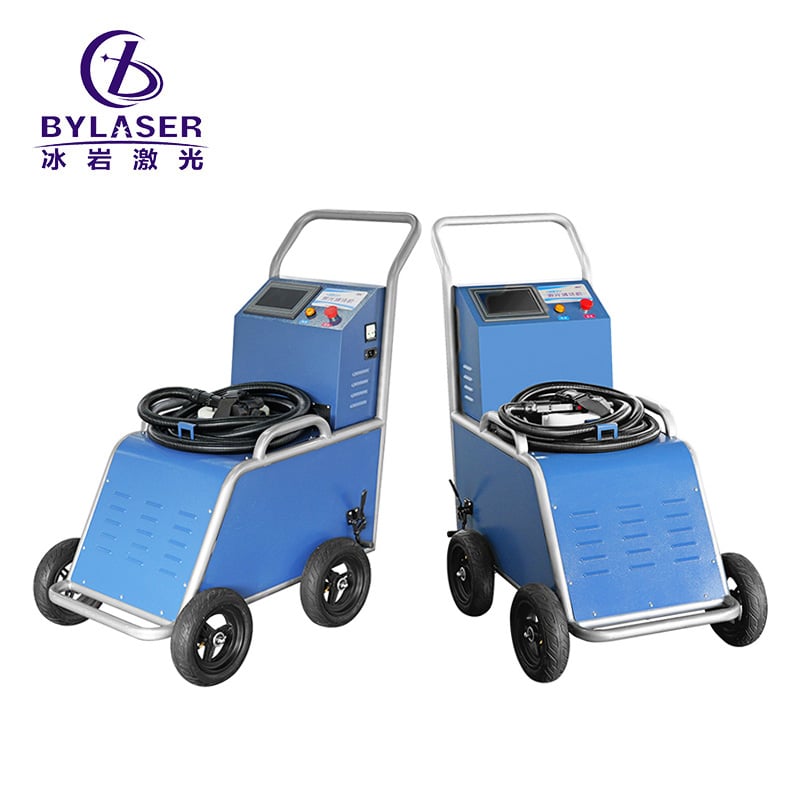
The suitability of laser rust removal machines depends heavily on the specific characteristics of each application, ranging from delicate restoration projects requiring minimal substrate damage to heavy-duty industrial cleaning operations demanding high throughput capabilities. This comprehensive analysis examines the primary application categories where laser rust removal machines demonstrate exceptional performance, helping decision-makers identify the most appropriate use cases for their particular operational needs and quality requirements.
Automotive restoration represents one of the most suitable applications for laser rust removal machines due to the precision required when working with vintage vehicle components. These systems excel at removing rust from delicate chrome trim, intricate bodywork details, and hard-to-reach areas without damaging the underlying metal substrate. The controlled energy delivery of laser rust removal machines allows restoration professionals to preserve original factory finishes while eliminating corrosion that would be impossible to address using traditional sandblasting or chemical treatments.
Classic car enthusiasts and professional restoration shops benefit significantly from the selective cleaning capabilities offered by laser rust removal machines. The technology enables precise rust removal from engine components, transmission housings, and suspension parts while maintaining critical dimensional tolerances. This precision is particularly valuable when working with rare or irreplaceable automotive components where material preservation is paramount to maintaining authenticity and value.
Commercial transportation companies find laser rust removal machines particularly suitable for maintaining large vehicle fleets where downtime minimization is crucial. These systems provide rapid cleaning of truck chassis components, trailer frames, and heavy equipment attachments without requiring extensive masking or containment procedures typical of chemical rust removal processes. The dry cleaning process eliminates waste disposal concerns while reducing maintenance cycle times significantly.
Fleet maintenance operations benefit from the versatility of laser rust removal machines when addressing corrosion on diverse materials including aluminum, stainless steel, and carbon steel components. The adjustable power settings and pulse frequencies allow maintenance technicians to optimize cleaning parameters for different substrate materials and contamination levels encountered across various vehicle types within a single fleet operation.
Marine environments present ideal conditions for deploying laser rust removal machines due to the aggressive corrosion challenges faced by vessels and offshore structures. Shipyards utilize these systems for hull preparation, deck cleaning, and structural component maintenance where traditional abrasive methods create significant environmental concerns. The precision of laser rust removal machines enables selective coating removal without damaging critical weld seams or compromising structural integrity of marine vessels.
Offshore platform maintenance represents another highly suitable application where laser rust removal machines demonstrate exceptional value. The portable nature of modern systems allows maintenance crews to perform on-site cleaning operations without requiring component disassembly or transportation to shore-based facilities. This capability significantly reduces operational costs while maintaining safety standards in challenging marine environments.
Port facilities find laser rust removal machines particularly suitable for maintaining crane systems, loading equipment, and dock structures exposed to harsh saltwater environments. These applications benefit from the non-contact cleaning process that eliminates mechanical stress on aging infrastructure components while providing thorough corrosion removal. The environmental advantages of laser cleaning align with increasingly stringent port environmental regulations regarding waste generation and containment.
Harbor maintenance operations utilize laser rust removal machines for cleaning bollards, navigation equipment, and marine hardware where precision is essential to maintaining operational functionality. The selective cleaning capability ensures that critical components such as bearing surfaces and threaded connections remain within specification tolerances while removing accumulated corrosion and marine growth deposits.
Manufacturing facilities represent excellent applications for laser rust removal machines due to the critical need for maintaining production equipment without extending downtime periods. These systems enable in-situ cleaning of machinery components, conveyor systems, and processing equipment while maintaining dimensional accuracy required for continued operation. The precision control offered by laser rust removal machines allows maintenance teams to remove corrosion from critical surfaces while preserving engineered tolerances and surface finishes.
Industrial processing environments benefit from the clean operation characteristics of laser rust removal machines which eliminate secondary contamination concerns associated with abrasive media or chemical residues. This advantage is particularly important in food processing, pharmaceutical, and electronics manufacturing facilities where cleanliness standards prohibit traditional rust removal methods that introduce foreign materials or chemical contaminants into the production environment.
Precision tooling maintenance represents another highly suitable application for laser rust removal machines where surface quality directly impacts product quality and tool life. These systems excel at cleaning injection molds, stamping dies, and cutting tools without altering critical surface geometry or introducing mechanical stress that could compromise tool performance. The selective cleaning capability enables removal of rust and oxidation while preserving specialized surface treatments and coatings applied to enhance tool performance.
Tool and die shops utilize laser rust removal machines for refurbishing expensive tooling assets that would otherwise require replacement due to surface contamination. The non-contact cleaning process eliminates risk of mechanical damage while providing uniform cleaning results across complex surface geometries typical of modern tooling applications. This capability extends tool life significantly while maintaining production quality standards.
Construction and infrastructure projects provide excellent applications for laser rust removal machines when preparing structural steel components for welding or coating applications. These systems deliver consistent surface preparation results while eliminating environmental concerns associated with chemical stripping or abrasive blasting operations. The precision control enables selective rust removal from complex structural geometries while preserving base metal thickness critical for structural integrity calculations.
Bridge maintenance operations find laser rust removal machines particularly suitable for cleaning structural elements where access limitations make traditional methods impractical. The portable nature of modern systems enables maintenance crews to perform targeted cleaning operations on cables, joints, and connection hardware without requiring extensive scaffolding or containment systems typical of conventional rust removal methods.
Historic preservation applications represent some of the most demanding and suitable uses for laser rust removal machines due to the critical need for material preservation during restoration processes. These systems enable conservators to remove corrosion from irreplaceable architectural elements, decorative ironwork, and structural components while maintaining historical authenticity. The precise control over energy delivery ensures that original material characteristics and patina are preserved during cleaning operations.
Monument and statue restoration projects benefit significantly from the gentle cleaning action provided by laser rust removal machines when working with aged bronze, iron, and steel components. The selective cleaning capability allows restoration professionals to remove harmful corrosion products while preserving beneficial patina layers that contribute to the historical and aesthetic value of cultural artifacts and architectural features.
The suitability of laser rust removal machines depends on several key factors including substrate material compatibility, surface accessibility, contamination type and severity, precision requirements, environmental constraints, and economic considerations. Materials such as carbon steel, stainless steel, aluminum, and cast iron respond well to laser cleaning, while the surface must be accessible to the laser beam for effective treatment. Applications requiring high precision, minimal substrate damage, or operating in environmentally sensitive areas are particularly well-suited for laser rust removal technology.
In suitable applications, laser rust removal machines typically outperform traditional methods by providing superior precision, eliminating secondary waste generation, reducing processing time, and minimizing substrate damage. Unlike sandblasting or chemical treatments, laser systems offer selective cleaning without introducing foreign materials or requiring extensive containment measures. The non-contact process eliminates mechanical stress while providing consistent results across complex geometries, making them particularly effective for applications where surface quality and dimensional accuracy are critical requirements.
Certain applications may be unsuitable for laser rust removal machines due to factors such as extremely thick rust layers that require multiple passes, highly reflective surfaces that reduce absorption efficiency, very large surface areas where processing time becomes economically impractical, or substrates that are heat-sensitive and could be damaged by laser energy. Additionally, applications in explosive atmospheres, those requiring removal of lead-based paints, or situations where the initial equipment investment cannot be justified by the cleaning volume may not be suitable for laser rust removal technology.
Laser rust removal machines are highly adaptable to different rust severity levels through adjustable power settings, pulse frequencies, and scanning patterns. Light surface oxidation can be removed quickly with low-power settings, while heavier corrosion may require higher energy levels and multiple passes. The systems excel at applications with moderate rust levels where precision is important, though extremely heavy corrosion deposits may require pre-treatment or make alternative methods more economical. The key advantage lies in the ability to adjust parameters to match specific contamination levels while maintaining precise control over the cleaning process.