×
×
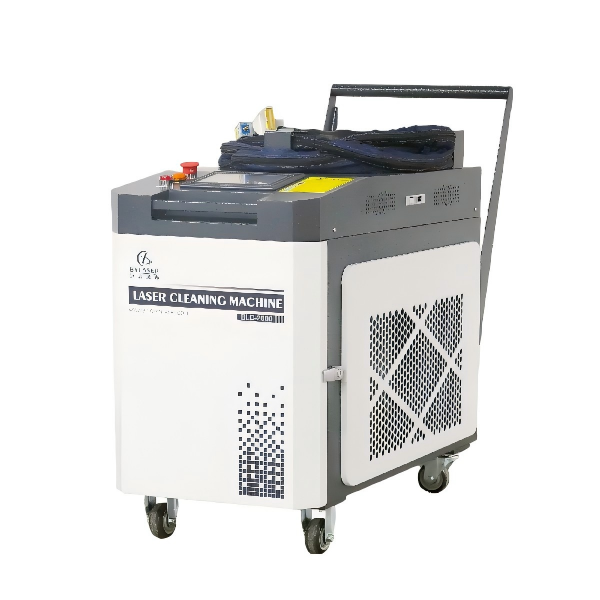
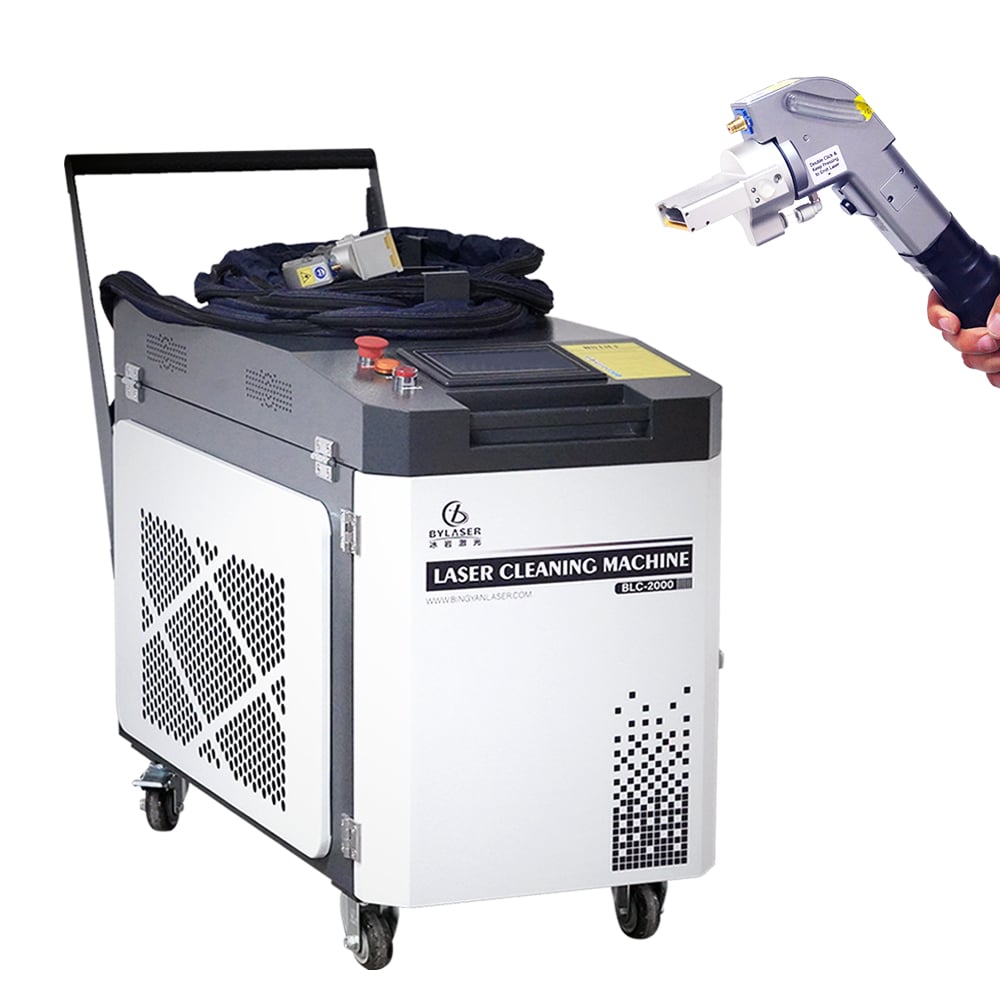
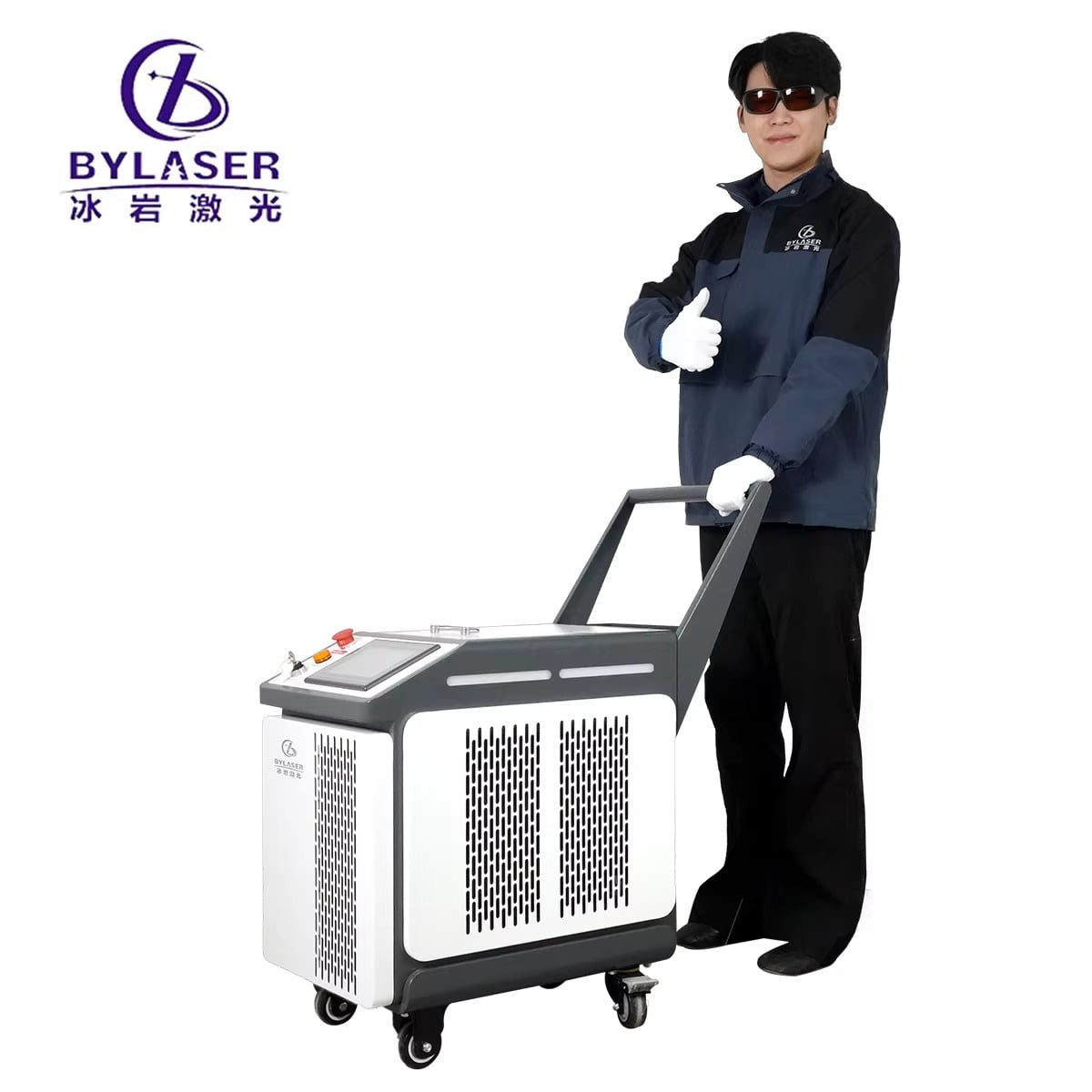
Industrial laser cleaning technology has transformed surface preparation and contaminant removal processes across manufacturing, restoration, and maintenance sectors. However, the sophisticated optical systems, precision components, and high-power electronics within a laser cleaning machine demand systematic care to deliver consistent results over years of operation. Understanding how to properly maintain these advanced tools directly impacts operational uptime, beam quality consistency, cleaning effectiveness, and total cost of ownership. Whether you operate a pulsed fiber laser system for rust removal or a continuous wave unit for coating stripping, implementing structured maintenance protocols prevents unexpected failures, extends equipment lifespan, and protects your capital investment.
The core principle behind effective maintenance lies in recognizing that every subsystem within your laser cleaning machine contributes to overall performance. From the fiber laser source generating photon energy to the scanning galvanometer directing beam patterns, from cooling circuits managing thermal loads to protective windows shielding sensitive optics, each component requires specific attention at defined intervals. This comprehensive guide walks you through practical maintenance procedures organized by subsystem, frequency requirements, and performance indicators, enabling operations teams to develop customized schedules matched to their operational intensity and environmental conditions. By following these proven protocols, you ensure your equipment maintains optimal pulse energy delivery, beam focus precision, and surface processing quality throughout its operational lifecycle.
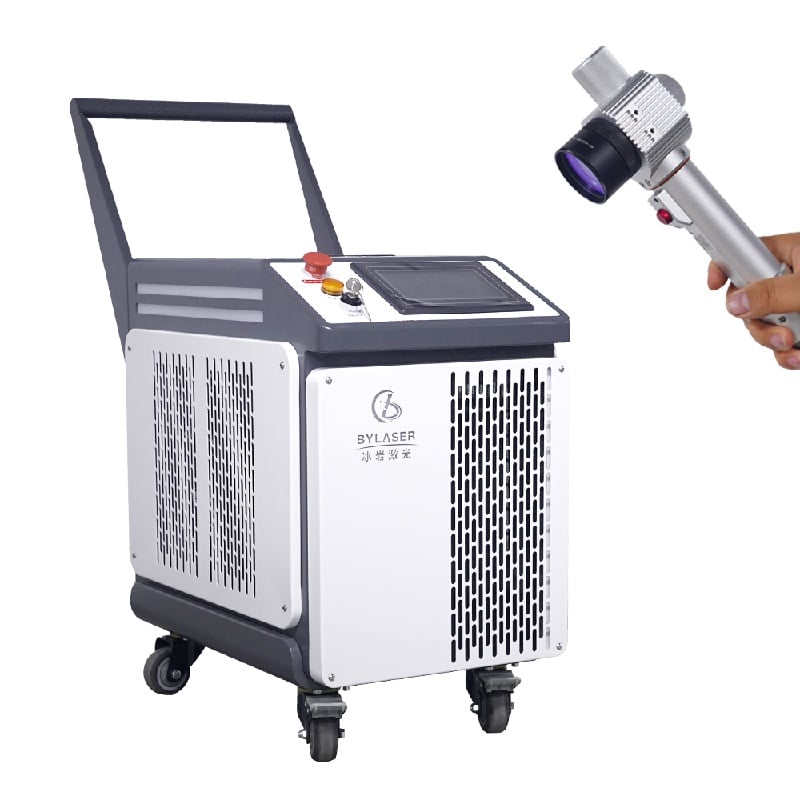
The optical path represents the most critical maintenance focus area in any laser cleaning machine because contamination or misalignment directly degrades cleaning performance. The beam delivery system typically consists of fiber optic cables, collimating lenses, focusing optics, scanning mirrors, and protective windows. During operation, ablated particles, airborne dust, and processing debris can deposit on optical surfaces, gradually reducing transmission efficiency and causing thermal absorption that may damage expensive components. Regular inspection of all optical elements should occur weekly in high-dust environments or monthly in controlled facilities. Use only lint-free optical cleaning tissues with appropriate solvents specified by the manufacturer, applying gentle circular motions from center outward to avoid scratching precision surfaces.
The protective window positioned at the laser head exit point faces the harshest contamination exposure since it sits closest to the ablation plume. This sacrificial element shields internal optics from debris while maintaining beam quality, but accumulation of residue on this window directly reduces effective laser power reaching the workpiece. Implement a daily visual inspection routine for this component, checking for visible deposits, discoloration, or pitting. Depending on application intensity, replacement intervals may range from weekly to quarterly. Keep multiple spare protective windows in inventory since this represents the most frequently serviced optical component. When cleaning performance noticeably decreases despite proper parameter settings, protective window contamination frequently proves to be the root cause.
The fiber laser source generating the cleaning beam constitutes the most expensive component in your laser cleaning machine and requires specialized maintenance protocols. Modern fiber lasers feature solid-state designs with fewer maintenance requirements than legacy CO2 or lamp-pumped systems, but they still demand attention to cooling, electrical connections, and operational monitoring. Check the laser source status indicators daily before operation, verifying that all system diagnostics report normal operating conditions. Many contemporary systems include built-in power meters that measure actual output against expected values, providing early warning of degradation. Document these readings in a maintenance log to track performance trends over time, as gradual power decline may indicate aging pump diodes or fiber degradation requiring professional service.
Thermal management proves essential for laser source longevity, as pump diodes and fiber components generate substantial heat during operation. Verify that cooling system airflow remains unobstructed, cleaning intake filters monthly or more frequently in dusty environments. Listen for unusual sounds from cooling fans that might indicate bearing wear requiring replacement. For water-cooled laser cleaning machine models, monitor coolant levels weekly and inspect hoses for leaks, cracks, or degradation. Replace coolant according to manufacturer specifications, typically annually, using only approved formulations that prevent algae growth and corrosion. Contaminated or degraded coolant reduces heat transfer efficiency, causing the laser source to operate at elevated temperatures that accelerate component aging and increase failure risk.
The galvanometer scanning system directs the laser beam across the workpiece surface in programmed patterns, with precision mirrors responding to electronic control signals at speeds exceeding several hundred cycles per second. These high-speed mechanical components experience constant acceleration and deceleration forces during operation, making them susceptible to bearing wear and mirror coating degradation. Listen for abnormal sounds during operation that might indicate bearing issues, and monitor pattern accuracy by periodically cleaning test samples with known geometries. If cleaned areas show distortion, incomplete coverage, or irregular boundaries compared to programmed patterns, scanning system calibration or component replacement may be necessary.
Mirror coatings within the scanning system must maintain high reflectivity at the laser wavelength while resisting environmental degradation. Unlike transmissive optics that can be cleaned, scanning mirrors typically require replacement when contamination or coating damage occurs. Protect these components by maintaining proper environmental conditions in the operating area, minimizing humidity fluctuations and airborne contaminants. Some advanced laser cleaning machine systems include sealed scanning head assemblies with filtered air circulation, reducing contamination exposure. For unsealed systems, periodic inspection of mirror surfaces using proper lighting angles helps detect early coating degradation before performance significantly declines. Never attempt to clean scanning mirrors with solvents or tissues, as the coating damage risk outweighs potential benefits.
Before energizing your laser cleaning machine each operating day, conduct a systematic visual inspection covering all major subsystems. Check electrical connections for security and signs of overheating, verify that emergency stop functions properly, and ensure the work area remains clear of flammable materials. Inspect the protective window for visible contamination and clean if necessary using approved methods. Verify coolant levels fall within acceptable range and confirm that cooling system fans activate properly during startup. These simple checks, requiring only five to ten minutes, prevent many operational issues and identify developing problems before they cause downtime or component damage.
After completing daily operations, implement a shutdown routine that extends equipment life and prepares the system for the next session. Allow the laser cleaning machine to complete its cooling cycle before disconnecting power, as premature shutdown may not allow proper component temperature reduction. Remove any workpiece debris from the cleaning area and wipe down external surfaces to prevent dust accumulation. If your system includes a fume extraction system, check collection containers and empty before reaching capacity. Document any unusual observations, performance changes, or parameter adjustments in the maintenance log. This daily discipline creates a comprehensive operational history that proves invaluable for troubleshooting, warranty claims, and optimizing maintenance intervals based on actual usage patterns rather than arbitrary schedules.
Dedicate time each week for more thorough inspection beyond daily checks, focusing on components that accumulate contamination gradually. Clean all external optical surfaces including focus lenses and beam delivery windows using proper techniques and approved cleaning solutions. Inspect fiber optic cables for kinks, excessive bending, or connector contamination that could compromise beam quality. Check all fasteners and mounting hardware for proper torque, as vibration during operation can gradually loosen connections affecting alignment. Examine electrical cabinets for dust accumulation and clean using compressed air if necessary, taking care to avoid blowing debris into sensitive electronic components.
The fume extraction system connected to your laser cleaning machine requires weekly attention to maintain adequate capture velocity and prevent contamination backflow into the workspace. Empty collection bins or replace filter cartridges based on manufacturer recommendations and visible accumulation levels. Reduced extraction performance forces ablated particles to settle on optical components and work surfaces, creating a cascade effect that increases maintenance requirements across other subsystems. Test extraction airflow periodically using smoke sticks or airflow meters to verify system performance meets design specifications. If extraction efficiency declines, inspect ductwork for obstructions, verify fan operation, and check for air leaks that reduce capture effectiveness at the laser head.
Schedule monthly maintenance sessions of two to four hours when comprehensive inspection and adjustment procedures can be performed without production pressure. During these sessions, verify laser power output using calibrated measurement equipment, comparing results against baseline values established during commissioning. Power degradation beyond acceptable tolerance may indicate optical contamination, laser source aging, or parameter drift requiring professional service. Test all safety interlocks and sensor functions, ensuring that protective covers, door switches, and beam shutters operate correctly. Safety system failures create significant liability exposure and may violate regulatory requirements, making this verification essential beyond simple operational considerations.
Examine all moving components including linear stages, rotary positioners, and automation elements for proper lubrication and wear indicators. Apply manufacturer-specified lubricants to guide rails, lead screws, and bearing surfaces according to component documentation. Over-lubrication attracts dust and debris while under-lubrication accelerates wear, so follow specified quantities precisely. Clean motion system surfaces and verify smooth travel throughout the full range of motion. For laser cleaning machine systems with robotic integration, review teach points and program accuracy, making adjustments if positioning drift has occurred. Update all software and firmware to current versions released by the manufacturer, as these updates often include performance improvements, bug fixes, and enhanced diagnostic capabilities that simplify troubleshooting.
Environmental conditions significantly impact laser cleaning machine reliability and maintenance requirements. Fiber lasers and sensitive electronics operate optimally within specified temperature ranges, typically between fifteen and thirty degrees Celsius. Excessive heat accelerates component aging and may trigger thermal shutdown protection, while cold conditions can cause condensation on optical surfaces leading to corrosion or beam quality degradation. Install the equipment in climate-controlled facilities whenever possible, avoiding locations near large doors, loading docks, or uninsulated exterior walls where temperature fluctuations occur. If environmental control proves impractical, consider enclosure heaters or air conditioning units dedicated to the laser system.
Humidity control prevents condensation formation on cooled components and reduces corrosion on metal surfaces and electrical connections. Maintain relative humidity between thirty and seventy percent, using dehumidifiers in damp environments or humidifiers in arid conditions. Rapid humidity changes pose particular risk when cold equipment enters warm, humid spaces, causing condensation on optical surfaces and internal components. Allow adequate warm-up time before energizing systems moved from cold storage or after extended shutdown periods. Some operators install humidity sensors with alarm functions that alert maintenance personnel when conditions drift outside acceptable ranges, enabling proactive intervention before condensation damage occurs.
Airborne particulates represent a constant threat to laser cleaning machine performance, settling on optical surfaces and infiltrating cooling systems where they obstruct airflow and reduce heat transfer efficiency. Implement rigorous housekeeping protocols in the operating area, using HEPA-filtered vacuum systems rather than brooms that raise dust. Consider positive pressure enclosures for the laser system that supply filtered air, preventing contaminated ambient air infiltration. In particularly dusty environments such as foundries or heavy fabrication shops, install the laser cleaning machine in a separate room or protective booth with dedicated ventilation.
The ablation process itself generates substantial particulate as contaminants vaporize and spall from workpiece surfaces. Without adequate capture, these particles settle throughout the work area and on equipment surfaces, creating contamination that requires removal during maintenance cycles. Size your fume extraction system appropriately for the cleaning applications performed, with capture velocity sufficient to contain the ablation plume. Position extraction nozzles or hoods close to the cleaning point without obstructing beam path or operator visibility. Regular extraction system maintenance directly reduces contamination loading on the laser system itself, creating a virtuous cycle where proper ancillary equipment care minimizes primary equipment maintenance requirements.
When operators report reduced cleaning speed or incomplete contaminant removal despite unchanged parameter settings, systematic investigation identifies the root cause and appropriate corrective action. Begin by measuring actual laser power output at the workpiece location using a power meter, comparing results against equipment specifications and historical baseline data. Significant power loss, often twenty percent or more, typically indicates optical contamination or component degradation. Inspect and clean the protective window first since this represents the most common cause of power reduction. If cleaning the window restores performance, increase protective window maintenance frequency to prevent recurrence.
Persistent power loss after optical cleaning suggests issues within the laser source itself or earlier in the optical path. Check fiber connectors for contamination or damage, inspecting both mating surfaces under magnification if possible. Damaged or contaminated fiber connections create reflection points that reduce transmission and may damage expensive components. If optical path inspection reveals no obvious issues, the laser source may require professional service to address pump diode degradation or internal fiber damage. Avoid attempting laser source disassembly without proper training and equipment, as improper handling causes additional damage and likely voids warranty coverage. Document all diagnostic steps and findings before contacting technical support, as this information accelerates troubleshooting and may prevent unnecessary service calls.
Operators sometimes observe that cleaning patterns become less precise, with irregular boundaries or inconsistent depth across the cleaned area. These symptoms suggest beam quality degradation or focus problems requiring optical system attention. Verify proper focus distance between the laser head and workpiece surface, as incorrect standoff directly impacts spot size and power density. Many laser cleaning machine systems include integrated distance sensors or mechanical references that ensure consistent standoff, but these can shift due to impacts or mounting hardware loosening. Confirm that the working distance matches manufacturer specifications for the installed optics and cleaning application.
If focus distance proves correct but irregular cleaning patterns persist, inspect all optical components for contamination, damage, or misalignment. Even slight contamination on focusing lenses distorts the beam profile and reduces effective power density at the focal point. Thermal lensing, where absorbed laser energy causes optical element heating and focal length shift, indicates serious contamination or damage requiring immediate attention to prevent catastrophic optical failure. Advanced diagnostic techniques include beam profiling measurements that characterize spot size and intensity distribution, revealing subtle degradation not visible during normal operation. These measurements require specialized equipment typically available only through service providers, but prove valuable for optimizing performance and detecting developing issues before they cause operational problems.
Modern laser cleaning machine systems incorporate sophisticated control electronics managing laser firing, scanning patterns, safety interlocks, and process monitoring. Electrical issues manifest as intermittent operation, parameter drift, communication errors, or unexpected shutdowns. Begin troubleshooting by checking all electrical connections for security and signs of overheating such as discoloration or melting insulation. Loose connections create resistance that generates heat and causes voltage drops affecting component operation. Verify proper grounding throughout the system, as ground faults or floating grounds introduce noise into control signals causing erratic behavior.
Review error logs and diagnostic messages generated by the control system, as these often identify specific subsystems or sensors reporting problems. Many systems include built-in diagnostics that test individual components and communication paths, isolating failures to replaceable modules. Electromagnetic interference from nearby equipment occasionally disrupts control signals, particularly in facilities with large motor drives, welding equipment, or RF heating systems. If electrical issues correlate with specific equipment operation nearby, investigate shielding improvements or physical separation. Persistent electrical problems despite thorough inspection warrant professional service, as advanced diagnostic equipment and factory training enable efficient resolution of complex issues that resist field troubleshooting.
Effective maintenance requires maintaining adequate inventory of consumable components that wear during normal operation and require periodic replacement. Protective windows represent the most frequently replaced item, with service intervals ranging from weekly to quarterly depending on application intensity and contamination levels. Stock sufficient protective windows to avoid production interruptions, purchasing in quantity to reduce unit costs. Other optical components including focus lenses and beam delivery windows have longer service lives measured in years rather than months, but keeping spares prevents extended downtime if damage occurs.
Cooling system components including filters, coolant, and hoses require periodic replacement according to manufacturer schedules. Cooling system failures cause immediate laser shutdown and risk expensive component damage from overheating, making preventive replacement far more economical than reactive repair. Document all consumable usage rates during the first year of operation, establishing baseline data that enables accurate forecasting and budget planning. As your laser cleaning machine ages, component replacement frequencies may increase, particularly for mechanical elements like cooling fans and scanning system bearings. Trend analysis of maintenance data identifies accelerating wear patterns that suggest approaching end-of-life conditions, enabling proactive budgeting for major component replacement or equipment renewal.
While daily and routine maintenance procedures can be performed by properly trained operators, certain tasks require specialized equipment, factory training, or certification to perform safely and effectively. Laser source service, optical alignment, and advanced electronics troubleshooting typically fall into this category. Establish relationships with qualified service providers during equipment commissioning rather than waiting for emergency situations. Many manufacturers offer service contracts providing scheduled preventive maintenance visits, priority response for failures, and discounted repair rates. Evaluate service contract economics against self-performed maintenance costs, considering both direct expenses and the risk of extended downtime from improper repairs.
Invest in training for maintenance personnel responsible for your laser cleaning machine, as proper technique prevents damage during routine procedures and enables more effective troubleshooting. Manufacturer-provided training covers system-specific details unavailable in generic laser safety or maintenance courses. As your team develops expertise, gradually expand the scope of internally performed maintenance tasks, reserving only highly specialized procedures for external service providers. Document all maintenance procedures in detailed work instructions including photographs, creating institutional knowledge that survives personnel changes. This documentation proves particularly valuable for troubleshooting unusual issues, as comparing current conditions against properly maintained baseline states quickly reveals deviations requiring attention.
The protective window cleaning frequency depends on your specific application and contamination levels. For heavy rust removal or coating stripping operations generating substantial debris, daily inspection and cleaning may be necessary to maintain optimal performance. In cleaner applications such as light oxide removal or precision cleaning, weekly maintenance often suffices. The key indicator is visible contamination accumulation or noticeable decline in cleaning effectiveness. Implement a routine inspection schedule and adjust frequency based on observed contamination rates, as conditions vary significantly between facilities and applications. Keeping detailed maintenance logs helps identify optimal intervals specific to your operational profile.
Never use standard household glass cleaners, ammonia-based solutions, or unapproved solvents on laser optical components, as these products can damage specialized coatings and leave residues that degrade performance or cause thermal damage during operation. Use only cleaning solutions specifically approved by the laser cleaning machine manufacturer, typically high-purity isopropyl alcohol or specialized optical cleaning fluids. Always apply cleaning solution to lint-free optical tissues rather than directly on the component, using gentle circular motions from center outward. Improper cleaning techniques cause scratches or coating damage that necessitate expensive component replacement, making adherence to manufacturer protocols essential.
Several indicators suggest professional service is required beyond routine maintenance capabilities. Significant laser power output decline that persists after thorough optical cleaning and protective window replacement indicates internal laser source issues requiring factory-trained technicians. Unusual sounds from the laser source, cooling system, or scanning components suggest mechanical wear or bearing failure needing expert diagnosis. Persistent error messages, safety interlock malfunctions, or control system instability despite electrical connection verification warrant professional investigation. If cleaning performance degrades progressively despite proper maintenance, or if the system fails to achieve specified parameters during commissioning tests, contact qualified service providers rather than attempting complex repairs without proper training and diagnostic equipment.
Estimating remaining useful life requires analyzing multiple factors including total operating hours, maintenance history quality, application intensity, and component condition trends. Most fiber laser sources in modern laser cleaning machine systems deliver twenty thousand to one hundred thousand hours of operation depending on power level and duty cycle, with pump diode degradation representing the primary life-limiting factor. Track laser power output measurements over time, as gradual decline indicates aging that eventually necessitates source replacement or refurbishment. Mechanical components like scanning systems and motion stages wear based on usage cycles rather than time alone, making application-specific analysis necessary. Regular maintenance extends useful life significantly compared to neglected equipment, while harsh operating environments and intensive duty cycles accelerate aging. Consult with the equipment manufacturer or qualified service providers for detailed life expectancy analysis based on your specific operational profile and maintenance practices.