×
×
Industrial operations across manufacturing, automotive, shipbuilding, and infrastructure maintenance face a persistent challenge: rust and corrosion that compromise equipment integrity, operational efficiency, and product quality. Traditional rust removal methods involving abrasive blasting, chemical treatments, and manual grinding have long dominated the maintenance landscape, yet these approaches carry significant drawbacks including environmental hazards, labor intensity, and inconsistent results. The emergence of laser rust removal machine technology represents a transformative shift in how industries approach surface preparation and metal restoration, offering a sophisticated solution that addresses both operational efficiency and environmental responsibility.
Understanding what benefits a laser rust removal machine delivers to industrial operations requires examining the technology's impact across multiple dimensions of business performance. These benefits extend far beyond simple rust elimination, touching critical areas such as production continuity, worker safety, environmental compliance, asset longevity, and total cost of ownership. As industries increasingly prioritize sustainable manufacturing practices and operational excellence, the advantages offered by laser-based rust removal systems become increasingly relevant to strategic decision-making. This comprehensive exploration examines the multifaceted value proposition that makes laser rust removal machine technology an investment worthy of serious consideration for forward-thinking industrial operations.
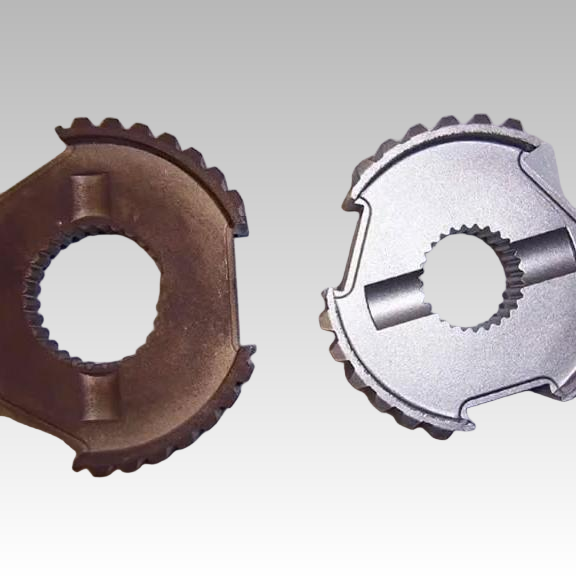
One of the most immediate benefits that a laser rust removal machine provides to industrial facilities is the substantial reduction in time required for surface preparation activities. Traditional mechanical grinding or sandblasting processes often demand extensive setup, application time, and post-treatment cleanup that can extend project timelines significantly. Laser technology eliminates these inefficiencies by delivering precise, controlled energy directly to corroded surfaces, vaporizing rust, paint, and contaminants in a single pass without requiring extensive preparation or subsequent cleaning stages. This time compression translates directly into faster turnaround for maintenance projects and reduced equipment downtime.
Manufacturing facilities that integrate laser rust removal machine systems into their maintenance protocols report project completion times reduced by forty to sixty percent compared to conventional methods. This acceleration stems from the technology's ability to operate continuously without consumable replacement interruptions, eliminate drying time associated with chemical treatments, and proceed directly to coating or welding operations immediately after cleaning. For industries where production schedules operate on tight margins, this temporal efficiency represents significant competitive advantage. The technology's speed also enables more frequent preventive maintenance interventions, catching corrosion issues before they escalate into costly failures that disrupt operations.
Traditional rust removal methodologies create ongoing operational expenses through their reliance on consumable materials such as abrasive media, chemical solvents, grinding discs, and protective coatings applied during the cleaning process. These consumables require continuous procurement, storage management, and disposal coordination that adds complexity and cost to maintenance operations. A laser rust removal machine fundamentally eliminates these dependencies by using only electrical power to generate the cleaning effect, freeing facilities from supply chain vulnerabilities and consumable inventory management burdens that complicate traditional approaches.
The financial implications of this consumable elimination extend throughout the operational lifecycle. Facilities no longer face price volatility for abrasive materials or chemical solvents, nor do they encounter supply disruptions that can halt maintenance activities. Storage space previously dedicated to consumable inventory can be repurposed for productive use, and personnel time spent managing material logistics redirects toward value-adding activities. For remote industrial sites or offshore operations where material transportation involves significant expense and logistical complexity, the self-contained nature of laser rust removal machine technology provides particular strategic value by reducing dependence on external supply chains.
The speed and efficiency advantages of laser rust removal machine systems directly translate into increased equipment availability for productive operations. In manufacturing environments where asset utilization rates determine profitability, minimizing maintenance duration maximizes revenue-generating operating time. Traditional rust removal methods often require extended equipment shutdowns spanning multiple shifts or even days, particularly for large components or complex geometries. Laser technology compresses these maintenance windows dramatically, returning equipment to service faster and preserving production capacity that would otherwise be lost to extended maintenance activities.
Beyond reducing planned maintenance duration, laser-based systems enable more flexible maintenance scheduling that aligns with production rhythms rather than dictating them. The technology's portability and setup simplicity allow maintenance teams to capitalize on brief production pauses or shift changes to perform targeted rust removal interventions that would be impractical with conventional methods requiring extensive staging. This scheduling flexibility proves particularly valuable in continuous process industries where unplanned downtime carries severe financial penalties, enabling proactive corrosion management that prevents minor issues from escalating into emergency shutdowns that devastate production schedules and customer commitments.
A defining advantage of laser rust removal machine technology lies in its ability to selectively remove corrosion, coatings, and contaminants while preserving the underlying metal substrate with remarkable precision. Traditional abrasive methods inevitably remove base material along with surface contamination, gradually eroding component dimensions and potentially compromising structural integrity or functional tolerances. Chemical treatments, while less mechanically aggressive, often lack the selectivity to differentiate between oxidized surface layers and sound metal, risking over-treatment that weakens components or creates surface irregularities that accelerate future corrosion.
Laser technology achieves this selectivity through precise energy control that targets the molecular bonds within rust and contaminants without transferring sufficient energy to ablate the underlying metal. This differential absorption effect means that once surface contamination is removed, the laser energy reflects off or is absorbed harmlessly by the clean metal surface, creating a self-limiting cleaning action that prevents over-processing. For precision-machined components, welding preparation on thin materials, or restoration of heritage equipment where dimensional preservation is paramount, this non-destructive characteristic of laser rust removal machine systems provides capabilities that conventional methods simply cannot match.
Industrial components frequently feature complex geometries including tight corners, recessed areas, threaded connections, and intricate surface details that challenge conventional cleaning methods. Abrasive blasting struggles to reach recessed areas uniformly, often leaving contamination in corners while over-treating exposed surfaces. Manual grinding proves time-intensive and inconsistent when addressing complex shapes, with results heavily dependent on operator skill and access limitations. A laser rust removal machine addresses these geometric challenges through its focused energy delivery that maintains consistent cleaning performance regardless of surface orientation or accessibility constraints.
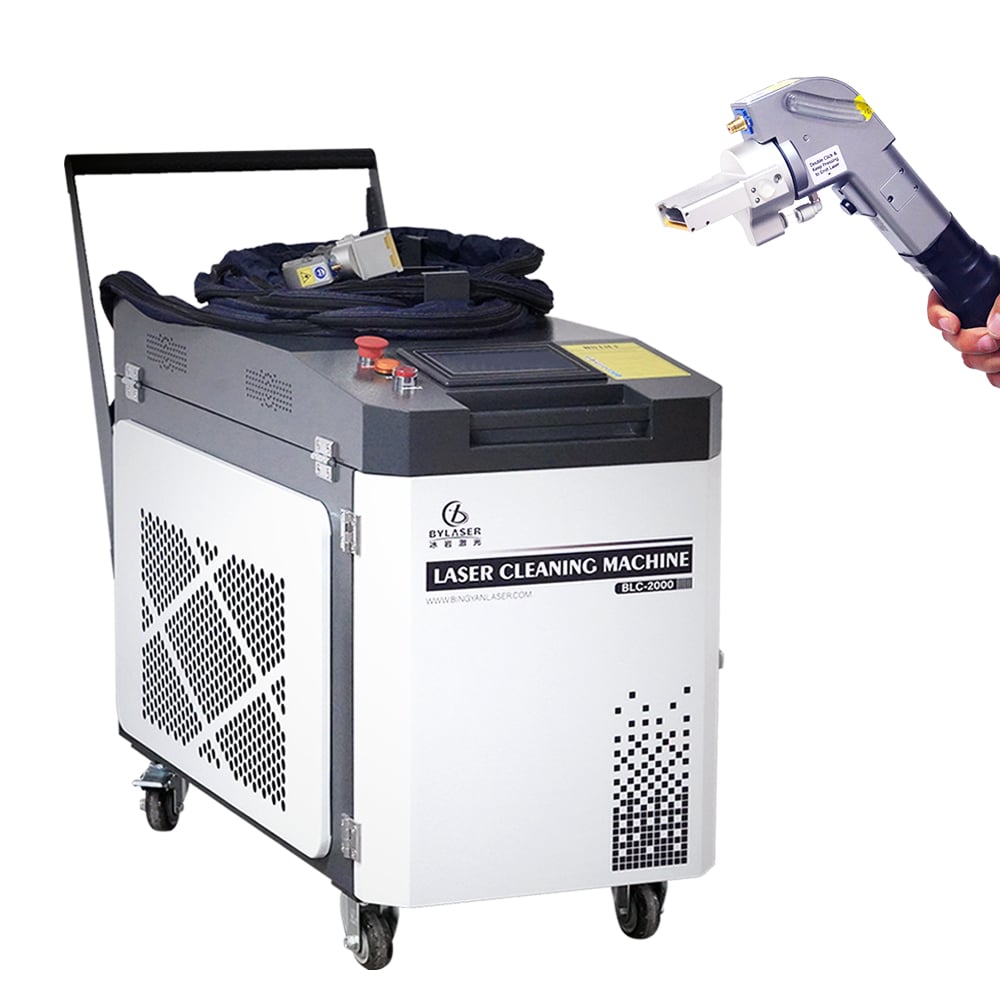
The handheld configuration of modern laser rust removal machine systems provides operators with the flexibility to position the cleaning head precisely where needed, reaching areas that would be completely inaccessible to conventional equipment. This geometric versatility proves particularly valuable in applications such as pipeline maintenance, structural steel restoration, and equipment refurbishment where components cannot be disassembled for treatment in controlled blasting facilities. The consistent cleaning depth and uniform surface finish achieved across all treated areas ensures that subsequent coating adhesion and corrosion protection perform reliably, eliminating the weak points that result from incomplete or inconsistent preparation using traditional methods.
The quality of surface preparation directly determines the longevity and performance of protective coatings and the integrity of welded joints. Laser rust removal machine technology creates an ideal surface profile characterized by exceptional cleanliness, appropriate roughness for mechanical adhesion, and complete absence of contaminants that could compromise coating bonding or weld quality. Unlike chemical cleaning that may leave residual films or abrasive blasting that embeds particles in the surface, laser treatment produces a chemically pure, metallically clean surface that represents the optimal substrate for subsequent treatments.
This superior preparation quality manifests in measurably improved coating performance with extended service life before maintenance recoating becomes necessary. Industrial facilities report coating failure rates reduced by thirty to fifty percent on laser-prepared surfaces compared to conventionally prepared substrates, translating into extended protection intervals and reduced lifecycle maintenance costs. For welding applications, the contaminant-free surface produced by laser rust removal machine systems eliminates common defects such as porosity, inclusion formation, and weak fusion zones that result from inadequate preparation, improving weld quality metrics and reducing rejection rates in quality-critical fabrication.
Traditional rust removal methodologies frequently rely on aggressive chemical formulations containing acids, solvents, and toxic compounds that present serious health risks to workers and environmental hazards requiring extensive management protocols. These chemicals can cause skin burns, respiratory damage, and long-term health consequences from repeated exposure, necessitating personal protective equipment, ventilation systems, and medical monitoring programs that add complexity and cost to operations. A laser rust removal machine completely eliminates these chemical exposure risks by removing rust through a purely physical process that requires no hazardous substances whatsoever.
This chemical elimination delivers immediate workplace safety improvements by removing an entire category of occupational health risks from the industrial environment. Workers no longer face the acute hazards of chemical splashes or spills, nor do they experience the cumulative health impacts of chronic low-level exposure that can develop over years of work with traditional rust removal chemicals. The reduction in personal protective equipment requirements and elimination of chemical handling protocols simplifies operations while improving worker comfort and satisfaction. For facilities operating under strict safety regulations or those seeking to improve safety performance metrics, the inherent safety advantages of laser rust removal machine technology represent compelling value beyond purely operational considerations.
Mechanical rust removal methods generate substantial quantities of airborne dust and particulate matter that create respiratory hazards for workers and contamination concerns for surrounding work areas and equipment. Abrasive blasting operations in particular produce enormous volumes of dust containing silica, metal particles, and coating fragments that require extensive containment, ventilation, and cleanup efforts to manage safely. Even localized grinding operations create hazardous dust clouds that spread throughout facilities, settling on equipment and creating housekeeping challenges while posing inhalation risks that contribute to occupational respiratory diseases.
A laser rust removal machine addresses these concerns through a fundamentally different removal mechanism that vaporizes surface contaminants rather than mechanically fragmenting them into airborne particles. While laser cleaning does generate some vapor and fine particulate, the quantities are orders of magnitude smaller than mechanical methods and are easily managed with local extraction systems integrated into the equipment. This dramatic reduction in airborne contamination improves workplace air quality, reduces housekeeping requirements, minimizes equipment contamination in adjacent areas, and decreases the respiratory protection burden on workers. For facilities where dust control proves challenging due to spatial constraints or ventilation limitations, the clean operation of laser rust removal machine systems provides a practical solution that maintains productivity without compromising air quality.
Environmental regulations governing industrial operations continue tightening globally, placing increasing pressure on facilities to reduce pollution, minimize waste generation, and demonstrate environmental stewardship. Traditional rust removal methods generate significant environmental impacts through hazardous waste creation, chemical runoff, contaminated abrasive disposal, and air emissions that require expensive treatment systems and regulatory compliance documentation. A laser rust removal machine operates as an inherently clean technology that generates minimal waste, requires no hazardous chemical disposal, and produces no liquid effluents requiring treatment before discharge.
The environmental advantages extend throughout the operational lifecycle. Energy consumption, while significant for laser operation, remains comparable to or lower than the total energy footprint of conventional methods when accounting for consumable production, transportation, and waste processing. The absence of hazardous waste generation eliminates manifesting, transportation, and disposal costs while reducing regulatory reporting burden and liability exposure associated with waste management. For corporations pursuing sustainability goals or facilities operating under stringent environmental permits, the minimal environmental footprint of laser rust removal machine technology aligns with green manufacturing initiatives and corporate responsibility objectives that increasingly influence industrial decision-making and stakeholder perceptions.
While the initial capital investment for a laser rust removal machine system exceeds that of conventional rust removal equipment, comprehensive lifecycle cost analysis reveals substantial economic advantages that emerge over the operational lifespan of the technology. These economic benefits accumulate through multiple channels including consumable elimination, labor efficiency gains, waste disposal cost avoidance, reduced equipment downtime, and extended asset life resulting from superior maintenance quality. When facilities conduct rigorous total cost of ownership calculations that account for all direct and indirect costs over a realistic planning horizon, laser technology frequently demonstrates payback periods of eighteen to thirty-six months followed by sustained cost advantages.
The economic case strengthens particularly in high-volume applications or facilities with substantial ongoing rust removal requirements where conventional method costs accumulate relentlessly through consumable purchases and labor hours. A single laser rust removal machine can replace multiple conventional systems and associated support equipment, consolidating capital assets while simplifying maintenance infrastructure. The technology's operational longevity, with fiber laser sources rated for tens of thousands of operating hours before requiring service, ensures that the initial investment delivers value across many years of productive service. For financially sophisticated organizations that evaluate investments based on net present value and internal rate of return rather than simple payback calculations, the compelling economics of laser rust removal machine technology become increasingly apparent.
Labor represents the largest component of maintenance costs in most industrial operations, making efficiency improvements that reduce man-hours directly translate into substantial cost savings. A laser rust removal machine dramatically reduces the labor hours required for surface preparation tasks through its superior cleaning speed and elimination of ancillary activities such as consumable handling, extensive surface preparation, and post-cleaning cleanup. Single operators can accomplish rust removal tasks that would previously require multiple workers using conventional methods, and the reduced physical demands of laser operation compared to manual grinding or blasting enable longer productive work periods without fatigue-induced productivity decline.
Beyond direct labor hour reduction, laser technology enables workforce optimization by reducing the specialized skills required for effective rust removal. Traditional methods often demand experienced personnel who understand appropriate pressure settings, proper abrasive selection, and technique nuances that significantly impact results. Laser rust removal machine systems simplify operations through intuitive controls and consistent performance characteristics that enable less experienced operators to achieve professional results with minimal training. This skill democratization provides workforce flexibility, reduces training costs, and mitigates the operational disruptions that occur when experienced personnel are unavailable. For facilities facing skilled labor shortages or high turnover in maintenance positions, these workforce advantages represent strategic value beyond simple cost reduction.
The superior cleaning quality and substrate preservation characteristics of laser rust removal machine technology contribute directly to extended operational life for industrial assets through more effective corrosion management. By enabling more frequent, less disruptive maintenance interventions that catch corrosion early, laser technology prevents the progression of minor surface oxidation into deep pitting and structural degradation that shortens equipment lifespan. The dimensional preservation inherent in laser cleaning means that repeated maintenance cycles do not gradually erode component thickness as occurs with abrasive methods, preserving design margins and structural integrity throughout the asset lifecycle.
This asset life extension translates into substantial capital cost deferral by delaying replacement investments and maximizing the return on existing equipment purchases. For expensive industrial assets such as pressure vessels, structural steel, processing equipment, and transportation infrastructure where replacement costs measure in hundreds of thousands or millions of dollars, even modest life extension percentages represent enormous economic value. The improved coating performance on laser-prepared surfaces further extends protection intervals, reducing the frequency of recoating cycles and associated downtime while maintaining asset condition at higher standards throughout the service life. Organizations that manage large installed bases of aging equipment find that laser rust removal machine technology enables cost-effective life extension strategies that optimize capital deployment.
In competitive industrial markets where quality reputation directly influences customer selection and pricing power, the superior results achievable with laser rust removal machine technology provide differentiation that translates into business development advantages. Fabricators, maintenance service providers, and equipment refurbishment operations that adopt laser cleaning capabilities can demonstrate measurably superior quality outcomes through objective metrics such as coating adhesion testing, surface cleanliness measurements, and visual appearance standards that exceed conventionally treated surfaces. This quality demonstration builds customer confidence and justifies premium pricing that improves project profitability.
The technology adoption also signals innovation leadership and technical sophistication that resonates with customers seeking advanced service providers capable of addressing complex challenges. In industries where customers increasingly specify environmental performance and worker safety as selection criteria alongside technical capability, the clean and safe operation of laser rust removal machine systems addresses these concerns while delivering superior technical results. Marketing materials that showcase advanced laser technology create differentiation in competitive bidding situations and support premium positioning strategies that improve margin performance. For service providers seeking to move beyond commodity competition based purely on price, laser technology adoption provides tangible differentiation that supports value-based selling approaches.
Environmental and safety regulations governing industrial operations continue evolving toward more stringent standards that increase compliance burden and operational costs for facilities relying on traditional rust removal methods. Restrictions on hazardous chemical use, tightening air quality standards, and expanding waste disposal regulations progressively constrain conventional approaches while increasing associated costs. A laser rust removal machine positions facilities ahead of these regulatory trends by adopting technology that inherently meets current and anticipated future requirements without requiring costly retrofits or process modifications as regulations tighten.
This regulatory future-proofing provides strategic value that extends beyond immediate compliance cost savings. Facilities avoid the operational disruptions and capital investments required to retrofit conventional processes when new regulations take effect, maintaining production continuity while competitors struggle with compliance transitions. The technology adoption also demonstrates environmental leadership that enhances corporate reputation with regulators, potentially resulting in more favorable treatment during permitting processes or enforcement actions. For multinational organizations operating across diverse regulatory jurisdictions, standardizing on laser rust removal machine technology simplifies compliance management by adopting a single approach that meets or exceeds requirements across all operating locations.
Industrial facilities typically face varied rust removal challenges across different equipment types, materials, and operational contexts that historically required maintaining multiple specialized cleaning systems and capabilities. A laser rust removal machine provides remarkable application versatility, effectively addressing rust removal on carbon steel, stainless steel, aluminum, and other metals across thickness ranges from thin sheet to heavy plate, on geometries from simple flat surfaces to complex three-dimensional forms, and in locations from controlled shop environments to field service applications. This versatility enables facilities to consolidate multiple specialized processes into a single unified approach that simplifies equipment management and operator training.
The application flexibility extends to emerging opportunities and evolving business requirements that develop over time. Facilities that invest in laser rust removal machine technology find that the capability enables service expansion into new markets or applications that would be impractical with conventional methods due to quality limitations, environmental constraints, or economic barriers. The portable nature of modern systems enables service delivery in customer facilities or remote locations, expanding addressable market opportunities for service providers. This strategic flexibility to pursue diverse opportunities with a single technology investment provides business development advantages that compound over time as organizations identify and capitalize on applications where laser capabilities provide unique value.
The capital investment for industrial-grade laser rust removal machine systems typically ranges from fifty thousand to two hundred thousand dollars depending on power output, portability features, and automation integration. Entry-level handheld systems suitable for light industrial applications begin around fifty thousand dollars, while high-power systems designed for heavy industrial applications or automated integration reach the upper end of this range. When evaluating this investment, industries should conduct comprehensive total cost of ownership analysis comparing lifecycle costs against conventional methods including consumable expenses, labor hours, waste disposal, and productivity impacts. Most industrial facilities with substantial ongoing rust removal requirements achieve payback within eighteen to thirty-six months through operational savings, after which the technology delivers sustained cost advantages throughout its operational life that can span a decade or more with proper maintenance.
Laser rust removal machine systems can effectively replace conventional methods for the majority of industrial rust removal applications, particularly those involving moderate surface areas, precision requirements, environmental constraints, or accessibility challenges where laser advantages prove most significant. However, certain applications may remain more economically suited to conventional approaches, particularly large-scale surface preparation of simple geometries where abrasive blasting efficiency advantages outweigh laser benefits, or budget-constrained situations where capital availability limits technology adoption. The optimal implementation strategy for most facilities involves strategic deployment of laser technology for applications where its advantages justify the investment, while maintaining conventional capabilities for specific situations where traditional methods remain cost-effective. Over time, as laser system costs decline and operational experience grows, the proportion of applications suited to laser technology continues expanding, making it increasingly viable as a primary rust removal approach rather than a specialized supplementary capability.
Operating personnel require focused training covering laser safety principles, equipment operation procedures, and application technique optimization to use laser rust removal machine systems effectively. Initial training typically spans two to five days combining classroom instruction on laser physics, safety protocols, and regulatory compliance with hands-on operation practice under supervision until operators demonstrate competency. The training curriculum must address laser hazard recognition, proper use of safety interlocks and personal protective equipment, beam path management, and emergency procedures specific to laser operations. Most manufacturers provide comprehensive training programs as part of equipment purchase, and ongoing refresher training reinforces safe practices while introducing operators to advanced techniques that optimize productivity. Compared to conventional methods requiring extensive craft knowledge developed over years of experience, laser system operation proves relatively accessible to personnel with basic mechanical aptitude and safety awareness, enabling faster competency development and greater workforce flexibility in maintenance operations.
Modern laser rust removal machine systems designed with portable configurations perform effectively in outdoor and field service applications, though environmental factors require consideration to optimize results and protect equipment. Handheld systems with integrated power supplies and compact form factors enable operation in diverse field locations including construction sites, offshore platforms, pipeline corridors, and transportation infrastructure where conventional methods face logistical challenges. Weather protection becomes important as moisture, extreme temperatures, and dust exposure can affect laser performance and equipment longevity, necessitating environmental controls or weather protection during operation. Wind conditions may require adjustment of fume extraction positioning to maintain effective vapor capture. Power availability must be verified as industrial laser systems require substantial electrical supply, though portable generator options address locations without grid access. Despite these considerations, the field application advantages of laser technology including elimination of consumable logistics, reduced equipment transportation burden, and superior quality in challenging access situations make laser rust removal machine systems increasingly preferred for field maintenance and construction applications where traditional methods prove problematic.