×
×
Industrial cleaning has long been a critical yet resource-intensive process in manufacturing environments, often requiring harsh chemicals, abrasive media, and substantial labor hours to maintain equipment and production lines. As factories increasingly prioritize operational efficiency, worker safety, and environmental compliance, traditional cleaning methods are revealing their limitations in meeting modern industrial demands. The emergence of advanced surface preparation technologies has introduced transformative solutions that address these challenges while delivering measurable improvements in productivity and cost control.
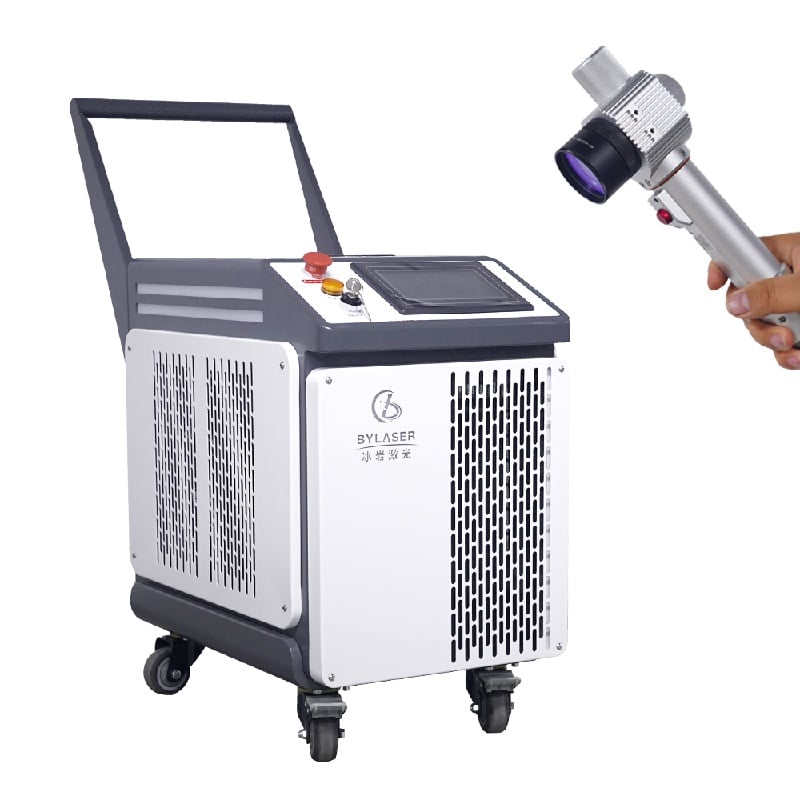
The adoption of a laser machine for cleaning represents a fundamental shift in how industrial facilities approach surface preparation, contamination removal, and equipment maintenance. This technology offers factories a comprehensive set of advantages that extend beyond simple cleaning effectiveness to encompass operational efficiency, workplace safety, environmental stewardship, and long-term economic benefits. Understanding these advantages enables facility managers and production engineers to make informed decisions about technology investments that align with both immediate operational needs and strategic business objectives.
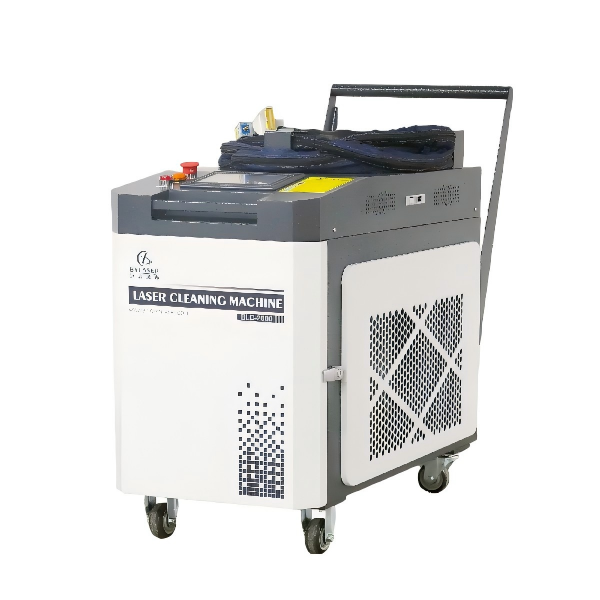
One of the most significant advantages that a laser machine for cleaning provides to factory operations is the complete elimination of consumable cleaning materials from the production process. Traditional cleaning methods require continuous procurement, storage, and disposal of chemical solvents, abrasive media, cleaning agents, and protective materials, creating complex supply chain dependencies that can disrupt operations when materials become unavailable or experience price volatility. Laser cleaning technology operates through photomechanical interaction between focused light energy and surface contaminants, requiring no consumables beyond electrical power to generate the laser beam.
This fundamental operational difference translates into substantial advantages for inventory management and procurement planning. Factories no longer need to maintain storage facilities for hazardous chemical inventories, manage rotating stock to prevent material degradation, or coordinate delivery schedules with cleaning material suppliers. The elimination of these supply chain touchpoints reduces administrative overhead while simultaneously improving operational resilience by removing potential points of disruption. When a laser machine for cleaning is integrated into factory workflows, cleaning operations become independent of external material supplies, enabling continuous operation even during supply chain disruptions that might otherwise halt production.
The speed advantage offered by laser cleaning technology represents a transformative benefit for factories operating under tight production schedules and just-in-time manufacturing philosophies. While chemical cleaning processes often require extended immersion periods, drying cycles, and multi-stage rinsing procedures that can consume hours or even days, a laser machine for cleaning achieves comparable or superior results in a fraction of the time. The instantaneous nature of laser ablation means that contaminants are removed the moment the beam contacts the surface, with no waiting for chemical reactions to occur or for coatings to soften before removal.
This time compression creates cascading benefits throughout factory operations. Equipment can return to service more quickly after maintenance, reducing downtime costs and improving overall equipment effectiveness metrics. Production schedules become more predictable when cleaning operations no longer introduce variable delays based on ambient conditions, material batch variations, or process complexity. For facilities performing frequent mold cleaning, weld preparation, or surface restoration tasks, the cumulative time savings from implementing a laser machine for cleaning can translate into significant capacity increases without requiring additional capital investment in production equipment or facility expansion.
The exceptional control characteristics inherent in laser cleaning technology deliver operational advantages that are difficult or impossible to achieve with conventional methods. A laser machine for cleaning can be precisely calibrated to remove specific contaminant layers while leaving underlying substrate materials completely intact, a capability particularly valuable when working with expensive components, precision-machined surfaces, or assemblies where dimensional tolerances are critical. This selectivity is achieved through careful adjustment of laser parameters including wavelength, pulse duration, energy density, and repetition rate to match the absorption characteristics of target contaminants versus base materials.
The practical implications of this precision extend across numerous factory applications. Delicate electronic components can be cleaned without risk of damage from abrasive media or chemical attack. Composite materials with varying layer properties can be processed without delamination or matrix degradation. Historical equipment with irreplaceable surface finishes can be maintained without sacrificing original material. This level of control means that a laser machine for cleaning can be deployed in applications where other methods would create unacceptable risk of part damage, expanding the range of maintenance and restoration tasks that can be performed in-house rather than requiring expensive outsourcing or component replacement.
The safety advantages that a laser machine for cleaning provides represent one of the most compelling reasons for factory adoption, particularly in facilities where worker health and safety are organizational priorities. Traditional chemical cleaning methods expose workers to a wide range of hazardous substances including solvents that can cause respiratory irritation, dermal absorption of toxic compounds, and long-term health effects from repeated exposure. Even with comprehensive personal protective equipment and engineering controls, chemical cleaning operations carry inherent risks that generate ongoing safety management requirements, medical surveillance programs, and potential liability concerns.
Laser cleaning technology fundamentally transforms this safety landscape by eliminating chemical exposure entirely from the cleaning process. Workers operating a laser machine for cleaning are not exposed to corrosive acids, toxic solvents, or sensitizing agents that characterize conventional methods. The primary safety considerations shift to well-understood laser safety protocols including appropriate eye protection, beam containment, and controlled access zones—hazards that are readily managed through engineering controls and standardized safety procedures. This transition from complex chemical hazard management to straightforward laser safety protocols simplifies training requirements, reduces ongoing safety monitoring costs, and creates a demonstrably safer working environment that supports employee retention and satisfaction.
Environmental compliance advantages represent another critical benefit category that makes a laser machine for cleaning attractive to modern factories facing increasingly stringent environmental regulations and sustainability reporting requirements. Conventional cleaning operations generate substantial waste streams including spent solvents classified as hazardous waste, contaminated abrasive media requiring special disposal, and wastewater containing dissolved contaminants that must undergo treatment before discharge. Managing these waste streams creates ongoing operational costs for waste characterization, manifesting, transportation, and disposal through licensed facilities, with costs that have increased substantially as regulatory frameworks have tightened.
The waste generation profile of laser cleaning stands in stark contrast to these traditional methods. A laser machine for cleaning produces minimal waste, typically limited to the solid particulate removed from cleaned surfaces, which often can be collected through simple filtration systems and disposed of as non-hazardous industrial waste or in many cases recycled as scrap material. There are no liquid waste streams, no contaminated consumables requiring special handling, and no complex waste characterization requirements. For factories operating in jurisdictions with strict environmental regulations or facilities pursuing sustainability certifications and carbon neutrality goals, this dramatic waste reduction represents both immediate cost savings and strategic alignment with corporate environmental commitments.
The air quality benefits associated with implementing a laser machine for cleaning extend beyond regulatory compliance to create tangible improvements in workplace conditions that affect productivity, employee health, and facility operating costs. Chemical cleaning processes release volatile organic compounds into facility air, creating odors that workers find objectionable, contributing to indoor air quality problems that can trigger respiratory complaints, and necessitating expensive ventilation systems to maintain exposure levels below occupational health limits. Even with industrial ventilation, residual odors and chemical presence can affect adjacent work areas, creating conflicts between cleaning operations and normal production activities.
Laser cleaning operations produce no volatile emissions and generate only minimal particulate that is easily captured at the point of generation through compact extraction systems. The result is a cleaning process that can be performed in proximity to other operations without creating air quality concerns, odor complaints, or ventilation challenges. For factories operating in urban areas where outdoor air discharge is regulated or facilities with limited ventilation capacity, this characteristic of a laser machine for cleaning removes a significant operational constraint, enabling cleaning to occur when and where needed rather than being relegated to isolated areas or off-shift hours to minimize worker exposure and air quality impacts.
When factories evaluate the economic advantages of implementing a laser machine for cleaning, comprehensive total cost of ownership analysis reveals benefits that extend well beyond simple equipment acquisition costs. While the initial capital investment for laser cleaning systems typically exceeds that of basic chemical cleaning infrastructure, the ongoing operational costs present a dramatically different economic picture. Traditional methods incur continuous expenses for consumable materials, waste disposal fees, labor costs associated with multi-step processes, regulatory compliance activities, and periodic equipment replacement due to corrosive chemical exposure.
A laser machine for cleaning operates with minimal recurring costs limited primarily to electrical consumption and periodic maintenance of optical components and filtration systems. There are no consumable material purchases, no waste disposal fees, and substantially reduced labor requirements due to faster process times and simplified procedures. When these operational cost differences are projected across the typical ten-year service life of industrial cleaning equipment, the cumulative savings often exceed the initial capital cost differential within two to four years, depending on utilization intensity and the specific application context. For factories with high cleaning volume requirements or facilities facing increasing costs for chemical disposal and environmental compliance, the economic advantages become compelling even in the near term.
The labor-related advantages that a laser machine for cleaning provides to factory operations extend beyond simple time savings to encompass skill requirements, training complexity, and workforce flexibility. Traditional cleaning methods often require specialized training in chemical handling, waste management protocols, and application-specific techniques that vary depending on contaminant type, substrate material, and cleaning objective. Workers must understand chemical compatibility, mixing ratios, safety procedures, and disposal requirements—knowledge that takes time to develop and requires ongoing refresher training to maintain compliance with evolving regulations.
Operating a laser machine for cleaning requires a different skill set focused on equipment operation, parameter selection for specific applications, and laser safety protocols. While initial training is necessary, the standardized nature of laser safety procedures and the intuitive control interfaces of modern systems mean that operators can achieve competency more quickly than with complex chemical processes. The elimination of chemical handling and disposal tasks also means that cleaning operations can be performed by production staff or maintenance technicians as part of their normal duties rather than requiring dedicated cleaning specialists. This workforce flexibility enables factories to respond more efficiently to variable cleaning demands without maintaining specialized labor capacity for peak requirements.
The durability characteristics and maintenance requirements of a laser machine for cleaning present economic advantages that become increasingly significant over extended operational periods. Chemical cleaning equipment suffers from corrosion, seal degradation, and material compatibility challenges that lead to frequent component replacement and unpredictable failure modes. Abrasive blast equipment experiences nozzle wear, media recycling system degradation, and cabinet deterioration that create ongoing maintenance demands and periodic need for major refurbishment or replacement.
Laser cleaning systems are constructed from non-corroding materials and contain few moving parts beyond beam positioning mechanisms and filtration fans. The solid-state nature of laser sources means that wear mechanisms are well-understood and component life is predictable based on operating hours rather than varying with process chemistry or media abrasiveness. Maintenance schedules for a laser machine for cleaning typically consist of straightforward tasks including optical cleaning, filter replacement, and cooling system service—activities that can be performed by facility maintenance staff with basic training rather than requiring specialized technicians or factory service interventions. This maintenance predictability enables more accurate budgeting, reduces unplanned downtime, and extends the useful service life of the equipment well beyond that typically achieved with chemical or mechanical cleaning systems.
The versatility advantages that a laser machine for cleaning offers to factories with diverse production requirements represent a significant operational benefit that is often undervalued in initial technology assessments. Chemical cleaning methods are inherently material-specific, with different solvents and processes required for removing oils versus paint, oxide versus organic contamination, or working with aluminum versus steel substrates. This specificity means that factories handling multiple product lines or performing various cleaning tasks must maintain multiple cleaning systems, chemical inventories, and process procedures, each with associated training, safety, and compliance requirements.
A single laser machine for cleaning can address an exceptionally wide range of contamination removal tasks across diverse substrate materials simply through adjustment of operating parameters. The same equipment that removes rust from steel components can be reconfigured to strip paint from aluminum, clean oxide from titanium, or prepare composite surfaces for bonding—often requiring only minutes to change parameter sets rather than hours to drain, clean, and refill chemical tanks or reconfigure abrasive blast equipment. This multi-application capability means that factories can consolidate cleaning operations onto fewer equipment platforms, reducing both capital investment and facility space requirements while maintaining full capability to address diverse production needs.
The compatibility of a laser machine for cleaning with modern automated manufacturing systems creates integration advantages that are increasingly important as factories pursue Industry 4.0 initiatives and lights-out production capabilities. Chemical cleaning processes are difficult to automate due to the need for material handling in liquid baths, drying operations, and complex waste management workflows. Abrasive cleaning methods create contamination concerns and require extensive containment that complicates robotic integration. These limitations often mean that cleaning operations remain manual bottlenecks in otherwise automated production lines.
Laser cleaning systems integrate readily with robotic material handling, CNC positioning systems, and vision guidance technologies to create fully automated cleaning cells that can operate with minimal human intervention. A laser machine for cleaning can be equipped with sensors that verify cleaning completeness, quality control systems that document process parameters for each part, and communication interfaces that integrate with factory information systems for real-time production monitoring. This automation potential enables cleaning operations to be incorporated directly into production lines rather than existing as separate manual operations, reducing material handling, eliminating work-in-process inventory associated with batch cleaning workflows, and enabling true continuous flow production for applications where surface preparation is a critical process step.
The scalability characteristics of a laser machine for cleaning provide factories with operational flexibility that is particularly valuable in environments characterized by product variation, prototype development, and evolving production volumes. Traditional cleaning infrastructure often requires significant investment in tanks, ventilation systems, and material handling equipment sized for anticipated peak capacity, creating substantial sunk costs before production begins and potentially leaving facilities with overcapacity if volumes fail to materialize or with inadequate capacity if demand exceeds projections.
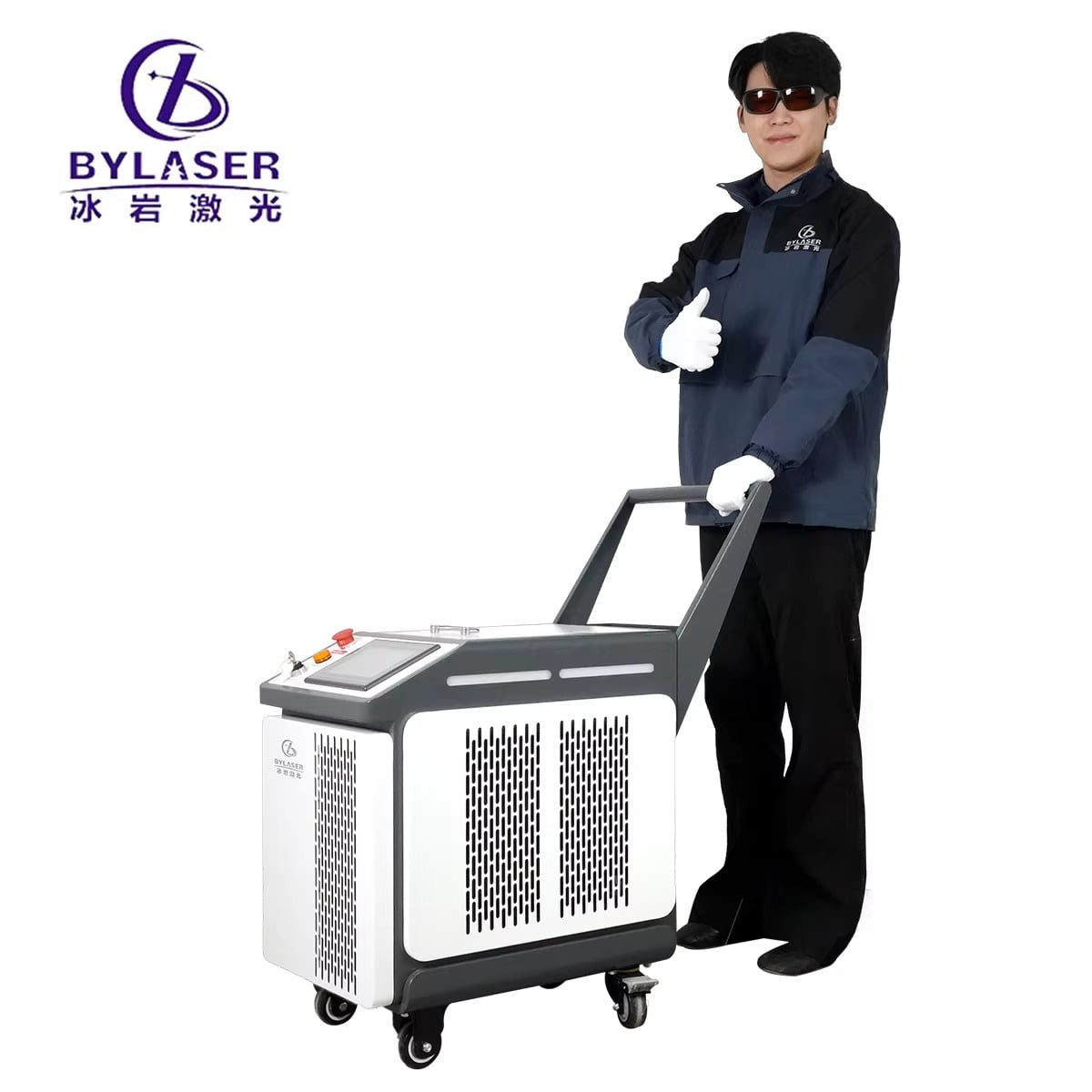
Laser cleaning systems scale efficiently across volume ranges from individual prototype components to high-volume production simply through adjustment of automation level and system configuration. A single handheld laser machine for cleaning can serve prototype development and low-volume production needs, then be supplemented with additional units or upgraded to automated configurations as volumes increase, without rendering previous equipment investments obsolete. This incremental scalability reduces financial risk associated with new product launches, enables faster response to market demand changes, and provides a clear technology migration path as production requirements evolve. For factories serving markets characterized by rapid product cycles or custom production, this scalability advantage represents significant strategic value beyond simple operational benefits.
The initial capital investment for a laser machine for cleaning is typically higher than basic chemical cleaning tanks or entry-level abrasive blast equipment, with systems ranging from moderate investments for handheld units to substantial capital for fully automated production cells. However, comprehensive financial analysis must consider total cost of ownership including consumable materials, waste disposal, labor, maintenance, and compliance costs. Most factories find that operational savings offset the higher initial investment within two to four years, with increasingly favorable economics as utilization increases. For facilities with high cleaning volumes, stringent environmental requirements, or expensive waste disposal costs, the payback period may be substantially shorter, making the investment economically attractive even in near-term analysis.
A laser machine for cleaning excels at removing surface contaminants including rust, oxide layers, paint, coatings, oil, grease, and organic residues from metal, composite, stone, and many other substrates. The technology is highly effective for most common industrial cleaning applications including rust removal, paint stripping, weld cleaning, mold maintenance, and pre-coating surface preparation. However, some specialized applications may still benefit from complementary methods—for example, deep pitting corrosion may require initial mechanical treatment before laser finishing, and certain thick elastomeric coatings may be more economically removed mechanically. Most factories find that laser cleaning can replace traditional methods for the majority of their applications, with conventional methods retained only for niche situations where they offer specific advantages.
Operating a laser machine for cleaning safely requires implementation of standardized laser safety protocols including operator training in laser hazard recognition, use of appropriate laser safety eyewear, establishment of controlled access zones during operation, and installation of beam containment or interlocked enclosures for fixed installations. Most manufacturers provide comprehensive operator training as part of equipment commissioning, covering both safe operation procedures and application-specific parameter selection. The training requirements are generally less complex than chemical handling certification and can typically be completed in one to three days depending on system complexity and application scope. Factories should designate a laser safety officer responsible for maintaining compliance with relevant laser safety standards, conducting periodic safety audits, and ensuring that safety procedures remain current as operations evolve.
A laser machine for cleaning generally requires less frequent and more predictable maintenance than chemical or abrasive cleaning systems. Routine maintenance typically includes periodic cleaning of protective optical windows, replacement of intake filters for the fume extraction system, and verification of cooling system function—tasks that can usually be performed by facility maintenance staff following manufacturer procedures. Laser sources have defined service lives measured in operating hours, with modern fiber laser systems often rated for tens of thousands of hours before requiring service. This contrasts with chemical systems that experience corrosion-related failures and abrasive equipment subject to wear from media impact. The solid-state nature and minimal moving parts design of laser systems contribute to high reliability and extended service intervals, reducing both planned maintenance costs and unplanned downtime compared to conventional cleaning equipment in typical industrial environments.