×
×
Industrial surface preparation and rust removal have evolved dramatically over the past decade, with laser rust removal emerging as a revolutionary alternative to traditional methods like sandblasting. While sandblasting has been the go-to solution for decades, modern laser technology offers precision, environmental benefits, and operational advantages that are reshaping how industries approach surface cleaning and restoration. This comprehensive comparison examines both methods to help professionals make informed decisions about their surface preparation needs.
Laser technology operates on the principle of selective absorption, where high-intensity laser beams target contaminants like rust, paint, and oxidation without damaging the underlying substrate. The laser energy heats contaminants to their vaporization point, effectively removing them through sublimation or ablation. This process allows for precise control over the cleaning depth and area, making it ideal for delicate components and complex geometries where traditional methods might cause damage.
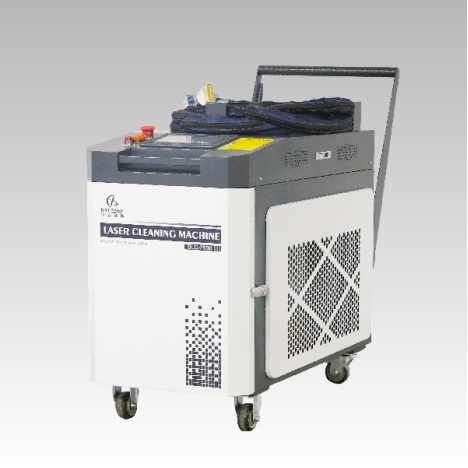
Modern laser systems utilize pulsed or continuous wave technology, with pulsed systems offering better control for selective removal. The wavelength, power density, and pulse duration can be adjusted based on the specific material and contamination type. This flexibility enables operators to optimize the process for different applications, from light surface oxidation to heavy rust removal on industrial equipment.
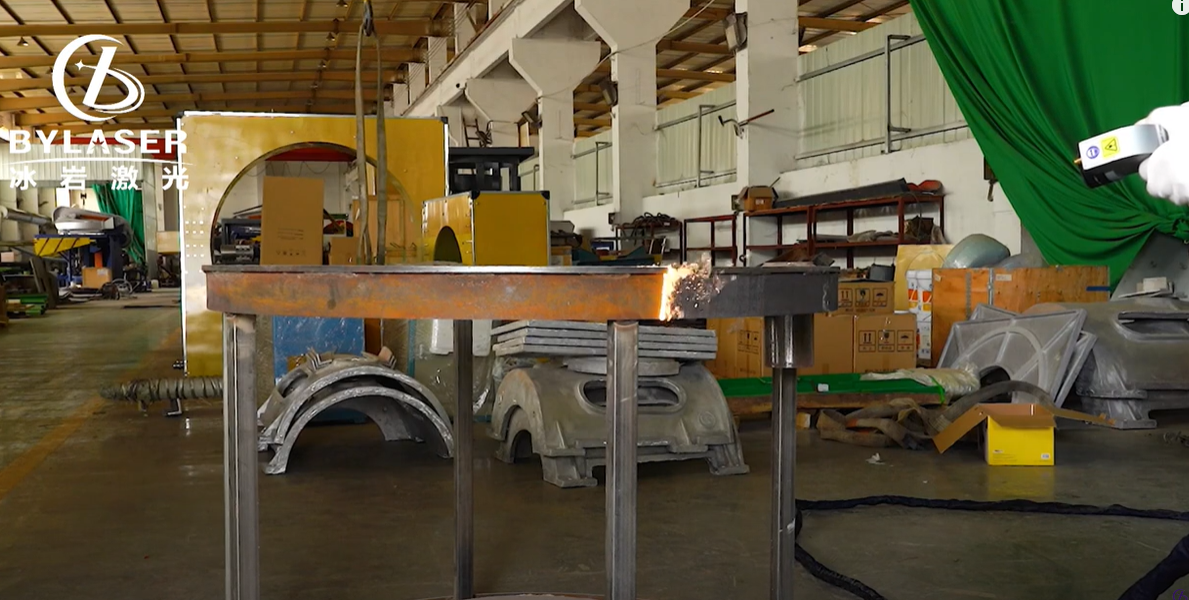
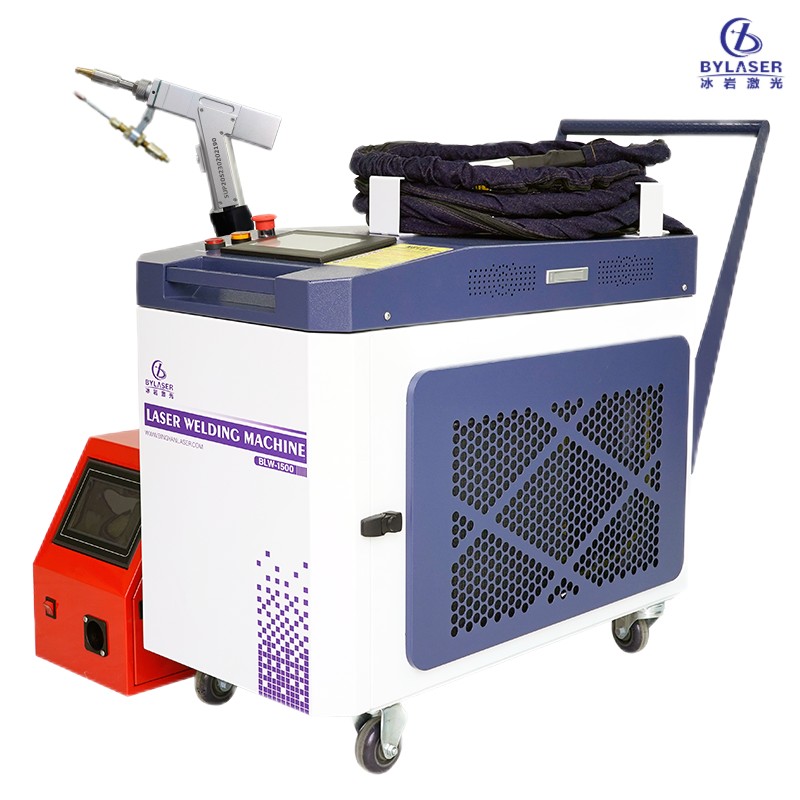
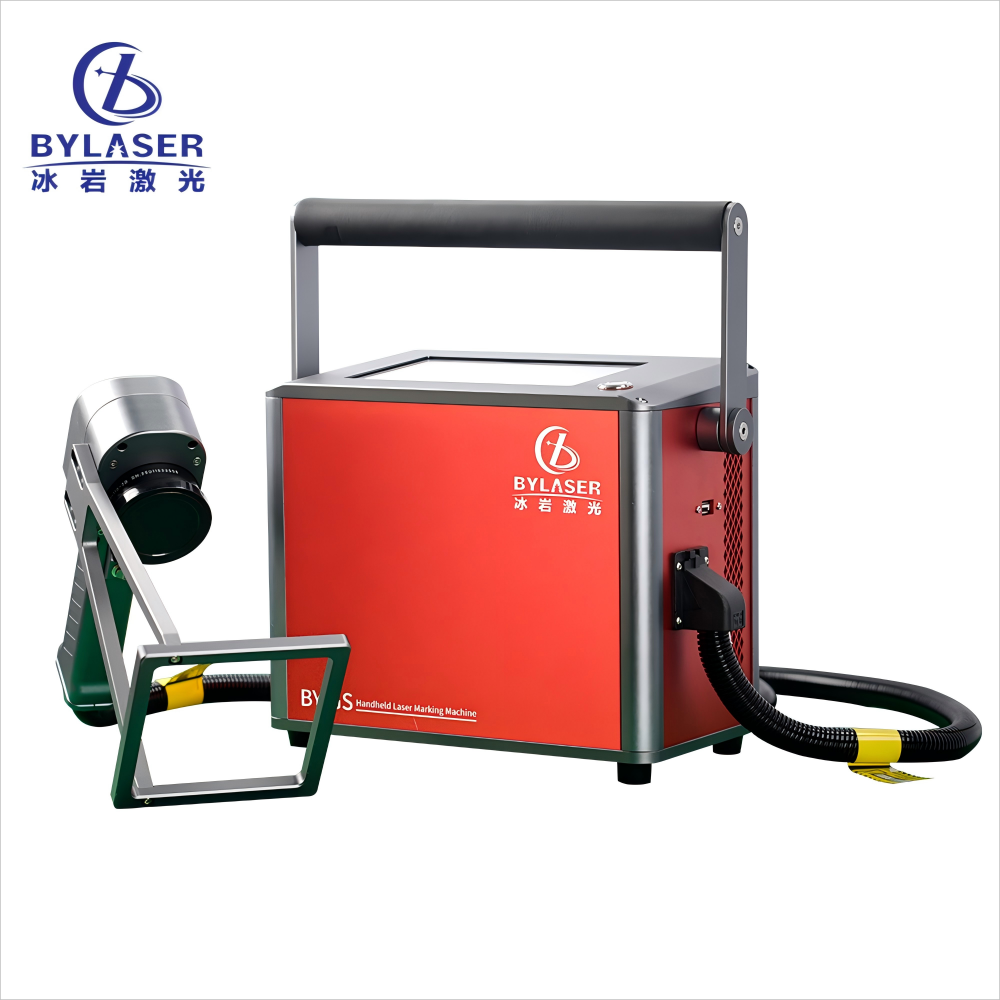
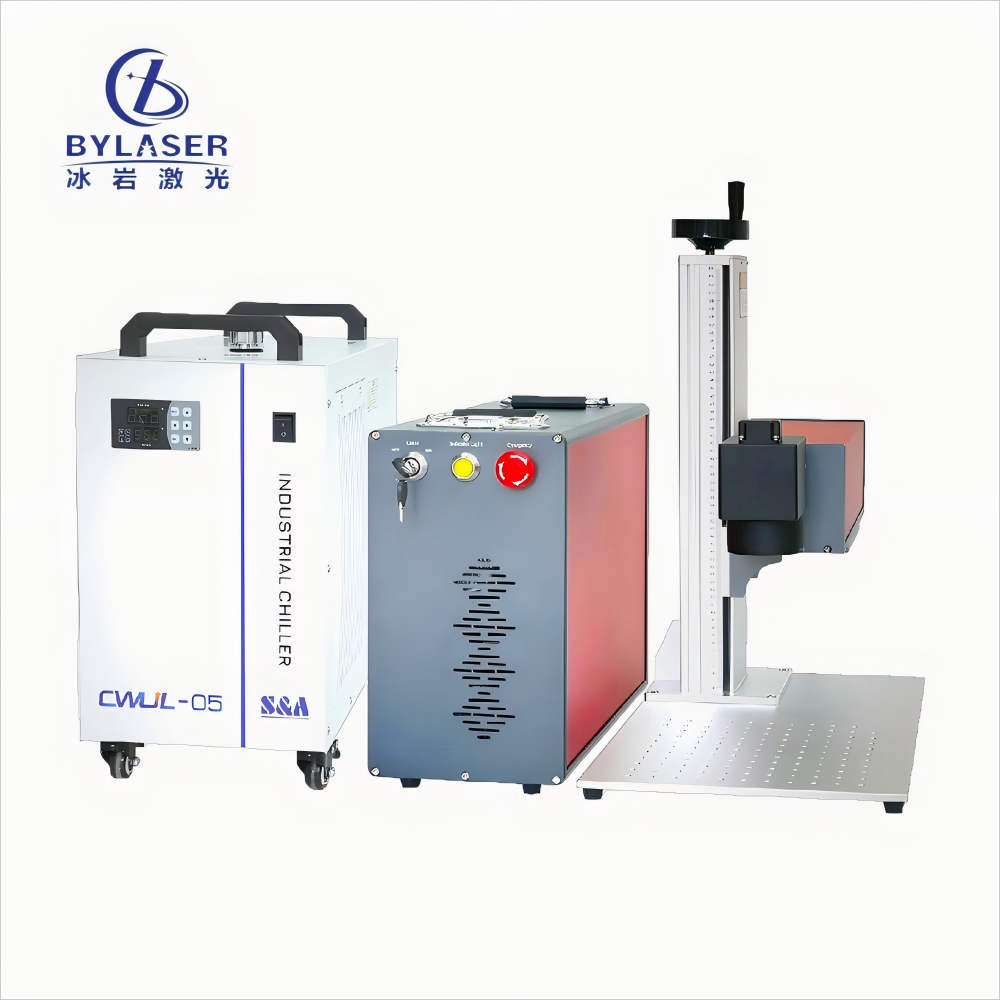
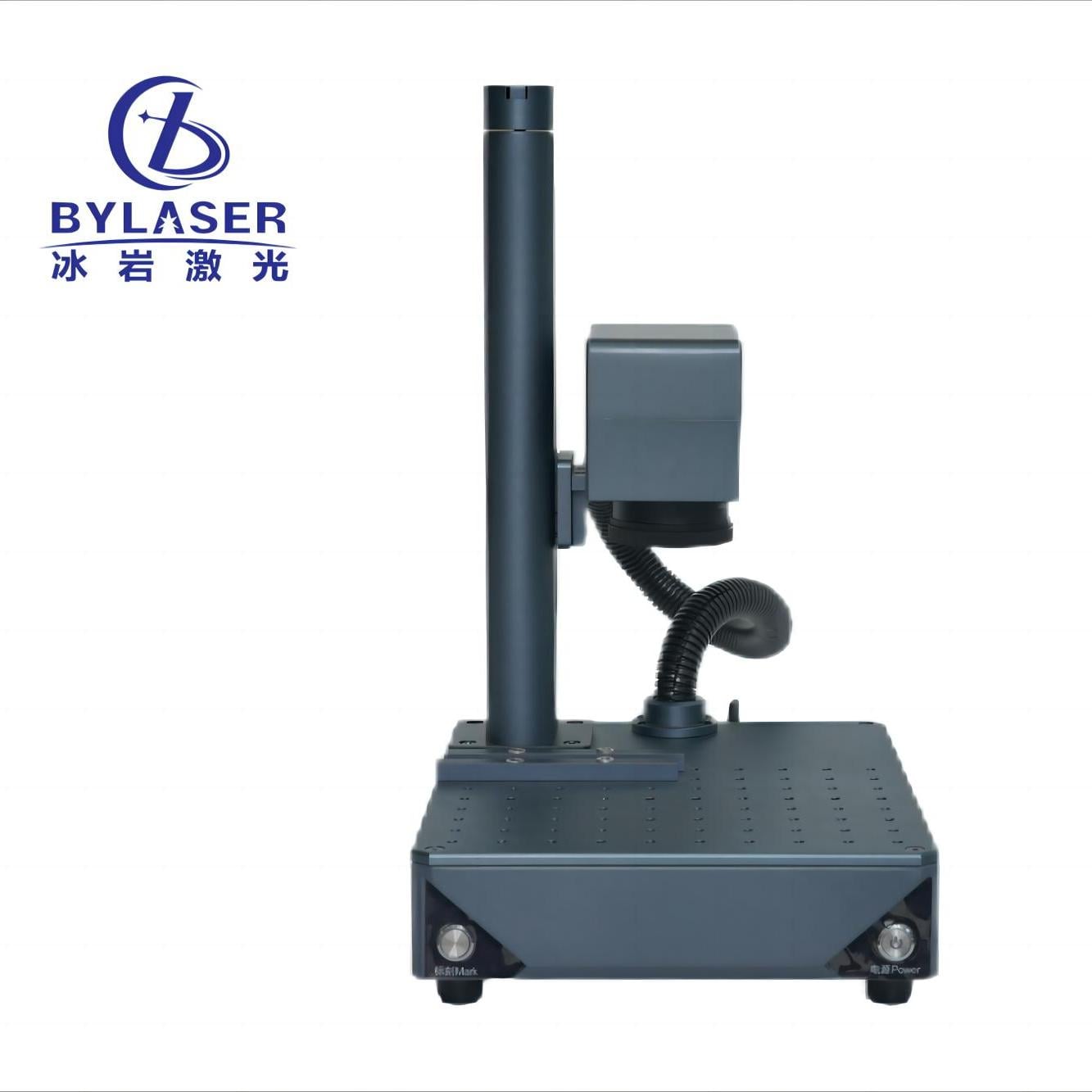
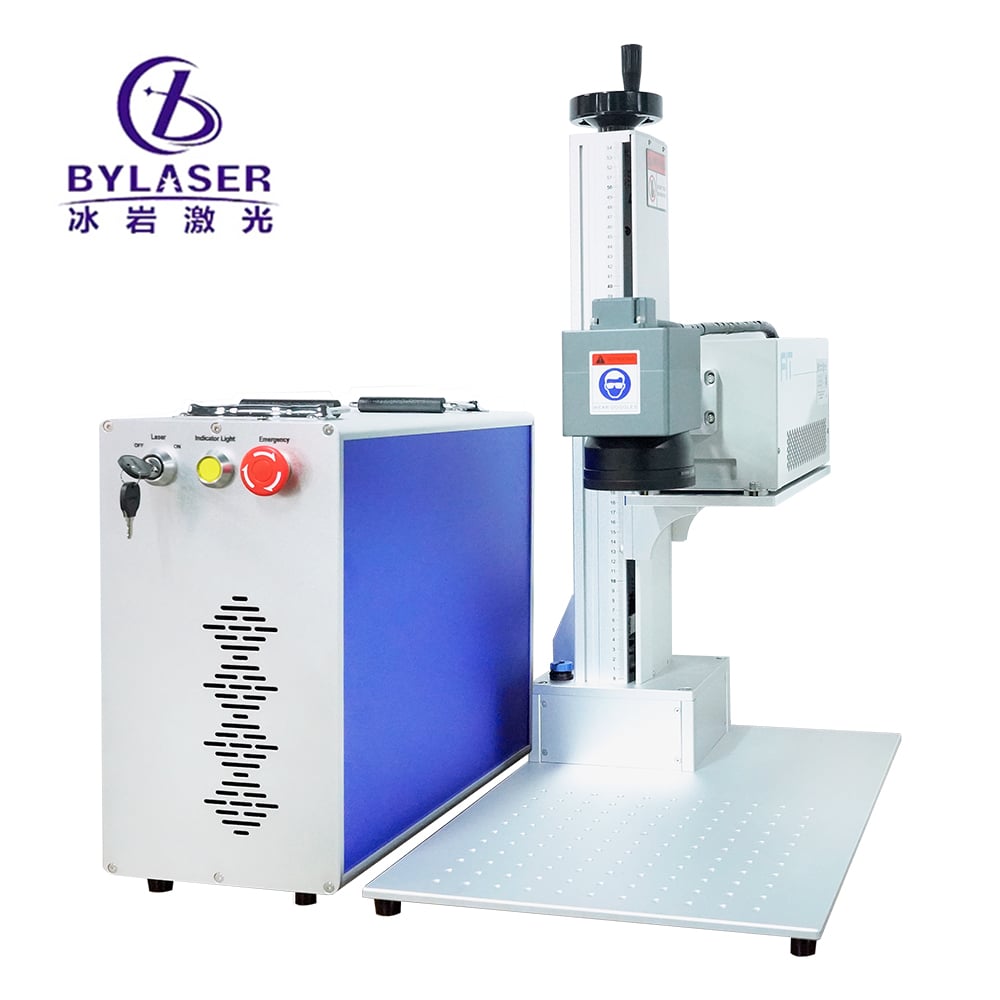
Industrial laser cleaning systems come in various configurations, from handheld portable units to fully automated robotic systems. Handheld systems offer maximum flexibility for field applications and complex geometries, while automated systems provide consistent results for high-volume production environments. The power output typically ranges from 50W for light cleaning applications to several kilowatts for heavy-duty industrial use.
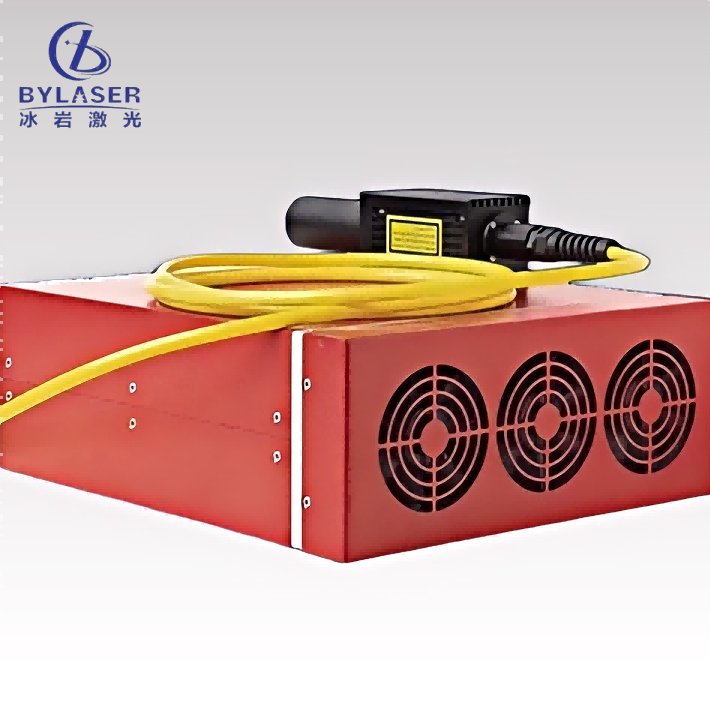
Fiber laser technology has become the standard for rust removal applications due to its reliability, efficiency, and beam quality. These systems can operate continuously with minimal maintenance requirements, making them suitable for demanding industrial environments. Advanced systems also incorporate real-time monitoring and feedback controls to ensure consistent cleaning results and prevent substrate damage.
Sandblasting, also known as abrasive blasting, relies on high-pressure compressed air to propel abrasive materials against surfaces to remove contaminants, rust, and coatings. The process has been refined over decades and remains widely used across industries for surface preparation, cleaning, and finishing applications. Various abrasive materials can be used, including silica sand, steel grit, aluminum oxide, and specialized media for different surface requirements.
The effectiveness of sandblasting depends on several factors including abrasive type, particle size, air pressure, nozzle distance, and angle of attack. Operators can achieve different surface profiles and cleaning levels by adjusting these parameters, making sandblasting versatile for various applications from light cleaning to aggressive material removal. However, this process requires significant setup, safety equipment, and containment systems to protect operators and the environment.
Sandblasting operations require substantial infrastructure including air compressors, blast pots, recovery systems, and extensive safety equipment. The compressed air system must provide consistent pressure and volume to maintain effective cleaning rates, often requiring large compressors for industrial applications. Dust collection and containment systems are essential to prevent environmental contamination and protect worker health from silica exposure.
Safety considerations are paramount in sandblasting operations, requiring respiratory protection, protective clothing, and hearing protection for operators. The work environment must be properly ventilated and contained to prevent abrasive materials and contaminants from spreading. These requirements add significant complexity and cost to sandblasting operations, particularly for on-site field work or in sensitive environments.
The precision offered by laser rust removal systems significantly exceeds that of traditional sandblasting methods. Laser technology can selectively remove specific layers of contamination while preserving the underlying substrate, making it ideal for applications requiring dimensional accuracy or surface integrity. This precision is particularly valuable when working with thin materials, precision components, or surfaces with complex geometries where sandblasting might cause unwanted material removal or distortion.
Sandblasting, while effective for bulk material removal, operates as a mechanical process that removes material indiscriminately. The abrasive action affects both contaminants and substrate material, potentially altering surface dimensions and creating stress concentrations. However, sandblasting can achieve very aggressive cleaning levels and create specific surface profiles that may be beneficial for subsequent coating adhesion in certain applications.
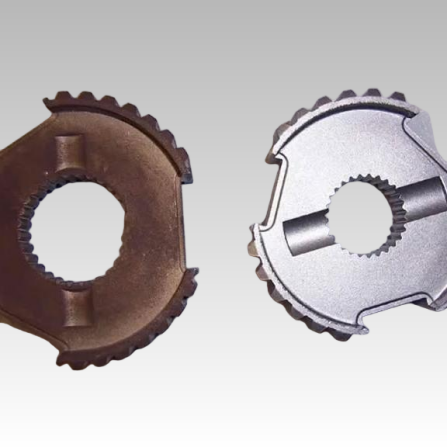
Processing speed varies significantly between the two methods depending on the application requirements. Sandblasting generally offers faster coverage rates for large, open surfaces with heavy contamination, particularly when aggressive material removal is required. However, setup time, safety procedures, and cleanup can significantly impact overall productivity, especially for smaller jobs or intermittent cleaning requirements.
Modern laser cleaning systems provide consistent processing speeds regardless of contamination type and can operate continuously without the need for abrasive replenishment or waste disposal. The absence of consumable materials and minimal setup requirements make laser systems particularly efficient for frequent use or applications requiring rapid deployment. Additionally, the ability to integrate laser systems into automated production lines offers significant productivity advantages for high-volume applications.
Environmental considerations increasingly favor laser cleaning technology over traditional sandblasting methods. Laser rust removal generates no secondary waste streams, eliminates the need for abrasive materials, and produces minimal environmental impact during operation. The removed contaminants are typically vaporized or collected as fine particles that can be easily filtered and disposed of safely, reducing the environmental footprint of cleaning operations.
Sandblasting operations generate substantial waste streams including spent abrasive materials, collected contaminants, and dust that require proper disposal according to environmental regulations. The use of certain abrasive materials, particularly silica sand, poses environmental and health risks that have led to increased regulation and restrictions. Water-based cleaning requirements for dust suppression also create additional waste management challenges in sensitive environments.
Safety considerations strongly favor laser technology for most rust removal applications. Laser systems require standard laser safety protocols including appropriate eye protection and controlled access areas, but eliminate exposure risks associated with abrasive blasting. Operators can work in normal atmospheric conditions without respiratory protection or specialized clothing, significantly improving comfort and productivity while reducing health risks.
Sandblasting operations present multiple health hazards including silica exposure, noise, and potential for injury from high-pressure equipment. Respiratory protection is mandatory, and long-term exposure to certain abrasive materials has been linked to serious health conditions including silicosis and lung cancer. These safety requirements necessitate extensive training, medical monitoring, and protective equipment that add complexity and cost to operations.
The initial capital investment for laser cleaning systems typically exceeds that of traditional sandblasting equipment, with industrial-grade laser systems requiring substantial upfront investment. However, this initial cost must be evaluated against the total cost of ownership, including consumables, maintenance, safety equipment, and operational expenses. Laser systems have minimal ongoing consumable costs and lower maintenance requirements compared to sandblasting equipment.
Sandblasting equipment has lower initial costs but requires ongoing investment in abrasive materials, replacement parts, and safety equipment. The cost of abrasive media can be substantial for high-volume operations, and disposal costs for contaminated materials add to operational expenses. Additionally, the infrastructure requirements for dust collection, containment, and safety systems represent significant ongoing costs that must be factored into the total investment.
Long-term operational costs favor laser technology in many applications due to the elimination of consumable materials and reduced labor requirements. Laser systems can operate with minimal operator intervention once properly configured, and the absence of cleanup requirements significantly reduces labor costs. The precision of laser cleaning also reduces the risk of substrate damage, eliminating costly rework and replacement of damaged components.
The return on investment for laser cleaning systems becomes particularly attractive in applications requiring frequent cleaning, high precision, or operation in sensitive environments. Industries such as aerospace, automotive manufacturing, and historical restoration often find that the superior results and reduced environmental impact justify the higher initial investment. The ability to clean in place without disassembly also provides significant cost advantages for many maintenance applications.
Manufacturing environments increasingly favor laser rust removal for production line integration and quality control applications. The precise control and repeatability of laser systems make them ideal for automated cleaning of precision components, mold cleaning, and pre-welding surface preparation. The ability to program specific cleaning parameters ensures consistent results that meet stringent quality requirements while maintaining production throughput.
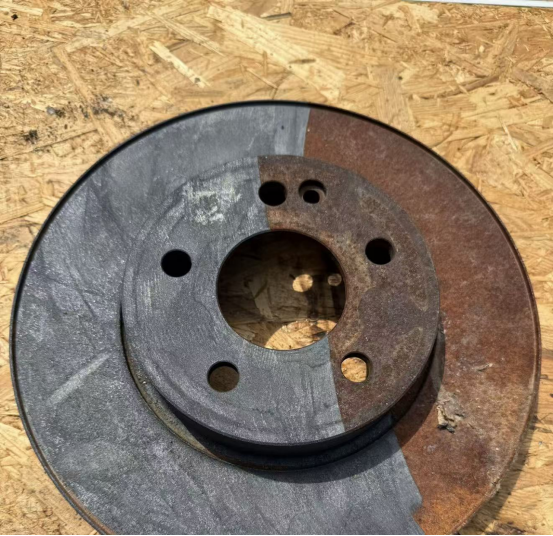
Sandblasting remains advantageous for certain manufacturing applications, particularly those requiring aggressive material removal or specific surface texturing for coating adhesion. Large structural components and heavy equipment often benefit from the bulk material removal capabilities of sandblasting, especially when surface profile requirements are critical for subsequent processes. The established infrastructure and operator familiarity with sandblasting also influence adoption in traditional manufacturing environments.
Field maintenance and restoration applications showcase the advantages of portable laser cleaning systems. The ability to perform on-site cleaning without extensive setup or containment makes laser technology ideal for infrastructure maintenance, marine applications, and historical restoration projects. The precision control prevents damage to delicate substrates while effectively removing decades of corrosion and contamination.
Restoration projects particularly benefit from the selective cleaning capabilities of laser technology, allowing conservators to remove specific layers of contamination while preserving original materials and finishes. This level of control is impossible with sandblasting, which tends to remove material indiscriminately. However, sandblasting may still be preferred for large-scale restoration projects where aggressive cleaning is required and substrate preservation is less critical.
Laser rust removal offers several key advantages including superior precision, elimination of consumable materials, minimal environmental impact, and reduced safety requirements. The technology allows selective removal of contaminants without substrate damage, operates without generating waste streams, and requires only standard laser safety protocols rather than extensive respiratory protection and containment systems required for sandblasting.
While laser systems require higher initial investment, they often prove more cost-effective over time due to eliminated consumable costs, reduced labor requirements, and minimal maintenance needs. The total cost of ownership typically favors laser technology for frequent-use applications, precision cleaning requirements, or operations in sensitive environments where containment and cleanup costs are significant.
Modern high-power laser cleaning systems can effectively remove heavy rust and corrosion, though processing speeds may be slower than aggressive sandblasting for extremely heavy contamination. However, laser systems offer consistent results regardless of contamination type and can achieve complete cleaning without the risk of substrate damage that may occur with aggressive sandblasting techniques.
Safety considerations strongly favor laser technology due to the elimination of silica exposure risks, reduced noise levels, and minimal protective equipment requirements. Laser systems require controlled access areas and appropriate eye protection but eliminate the respiratory hazards, hearing damage risks, and potential for high-pressure equipment injuries associated with sandblasting operations.