×
×
Manufacturing industries worldwide are increasingly adopting advanced marking technologies to enhance product identification, traceability, and brand protection. A laser marking machine represents one of the most versatile and efficient solutions for permanent marking across diverse materials and applications. Understanding the critical factors involved in selecting the appropriate system can significantly impact production efficiency, quality standards, and long-term operational costs.
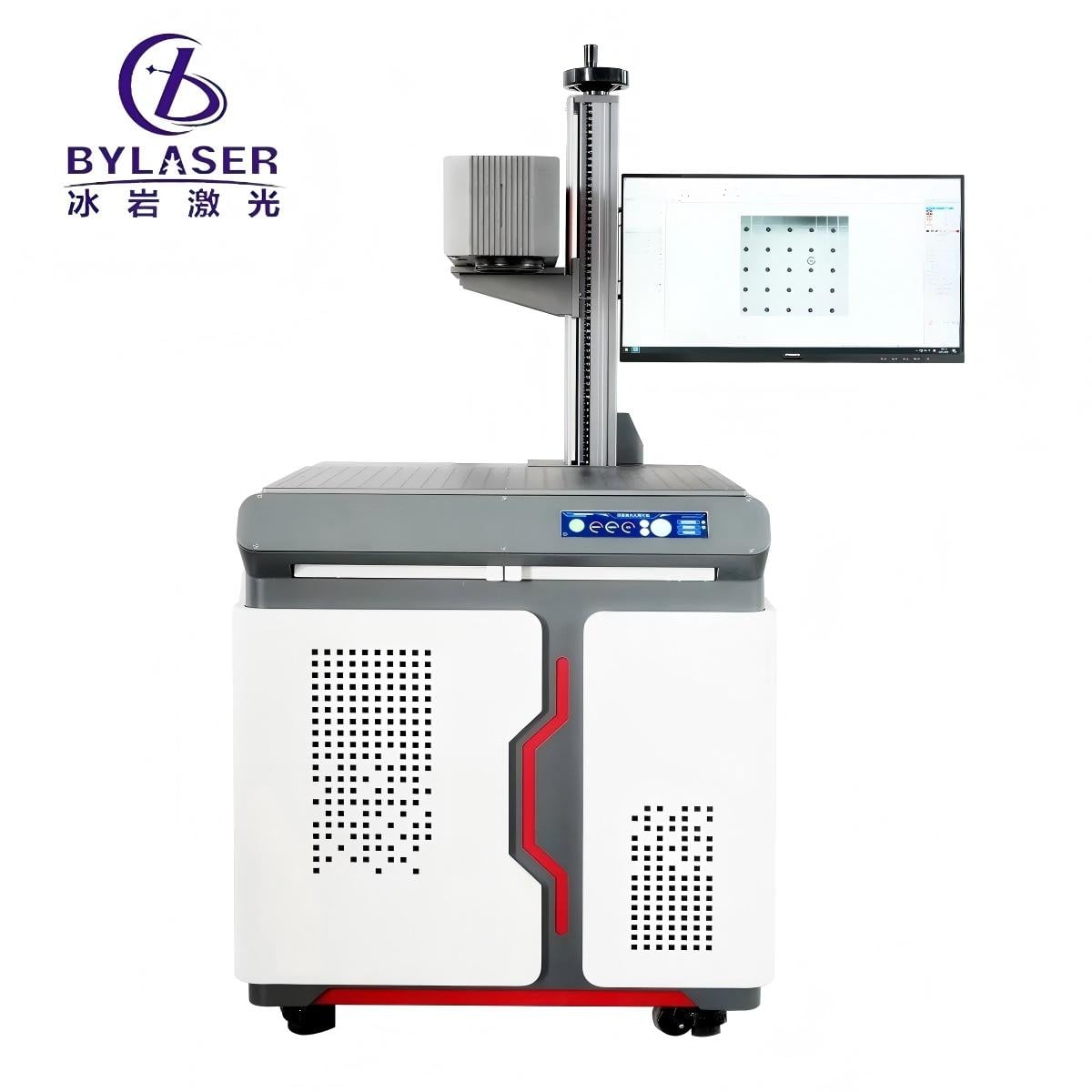
Industrial laser marking encompasses various applications from component serialization and barcode creation to decorative engraving and safety labeling. The technology offers superior precision, speed, and reliability compared to traditional marking methods such as mechanical engraving, chemical etching, or ink-based printing systems. Modern laser systems can process materials ranging from metals and plastics to ceramics and glass with exceptional accuracy and minimal material waste.
The selection process requires careful evaluation of multiple technical and operational parameters to ensure optimal performance for specific industrial requirements. Factors such as material compatibility, marking depth requirements, production volume expectations, and integration capabilities must be thoroughly assessed. This comprehensive approach helps manufacturers avoid costly mistakes and ensures the chosen system delivers consistent results throughout its operational lifespan.

Fiber laser technology dominates industrial marking applications due to its exceptional efficiency and versatility. These systems utilize optical fibers doped with rare earth elements to generate coherent light beams with wavelengths typically around 1064 nanometers. The concentrated energy density enables precise material removal or modification at the surface level, creating permanent marks resistant to environmental factors and mechanical wear.
The compact design and solid-state construction of fiber lasers provide significant advantages in industrial environments. Unlike gas-based systems, fiber lasers require minimal maintenance and offer extended operational lifespans exceeding 100,000 hours. The technology excels in marking metals including stainless steel, aluminum, titanium, and various alloys while maintaining consistent beam quality and power output throughout extended production runs.
Energy efficiency represents another crucial benefit of fiber laser systems, with electrical-to-optical conversion rates reaching up to 30 percent. This efficiency translates to reduced operating costs and lower heat generation, minimizing the need for complex cooling systems. The stable beam characteristics ensure repeatable marking quality across large production volumes, making fiber lasers ideal for automotive, aerospace, and medical device manufacturing applications.
Carbon dioxide laser systems operate at longer wavelengths around 10,600 nanometers, making them particularly effective for organic materials and certain plastics. The infrared radiation interacts differently with various substrates, enabling precise marking on materials such as wood, leather, paper, and acrylic without causing excessive heat damage to surrounding areas.
These systems excel in applications requiring deep engraving or cutting capabilities alongside marking functionality. The longer wavelength penetrates deeper into organic materials, allowing for three-dimensional texturing and relief marking effects. CO2 lasers also demonstrate superior performance on certain coated materials where the wavelength selectively removes surface layers while preserving underlying substrates.
However, CO2 systems typically require more complex gas handling and beam delivery mechanisms compared to fiber alternatives. The technology involves continuous gas flow systems and precision mirrors for beam steering, resulting in higher maintenance requirements and operational complexity. Despite these considerations, CO2 lasers remain essential for specific applications where their unique wavelength characteristics provide optimal results.
Successful metal marking requires understanding the interaction between laser parameters and material properties. Different metals respond uniquely to laser energy, with factors such as thermal conductivity, reflectivity, and melting point influencing marking quality and processing speed. Stainless steel typically produces excellent contrast through oxide layer formation, while aluminum may require specific parameter adjustments to achieve consistent results.
Surface preparation and coating considerations significantly impact marking outcomes on metallic substrates. Anodized aluminum surfaces respond differently than bare metal, often producing superior contrast and durability. Similarly, plated or painted surfaces may require parameter modifications to achieve desired penetration depths without damaging underlying materials. A quality laser marking machine should offer sufficient parameter control to accommodate these material variations effectively.
Heat-affected zone minimization becomes critical in precision applications where material properties must remain unchanged. Advanced pulse control and beam shaping technologies help concentrate energy delivery while reducing thermal impact on surrounding areas. This capability proves essential in aerospace and medical applications where material integrity requirements are stringent and post-processing operations must be minimized.
Polymer marking presents unique challenges due to the diverse chemical compositions and thermal properties of plastic materials. Some plastics produce excellent contrast through carbonization or foaming effects, while others may require additive compounds to achieve visible marking. Understanding the specific polymer chemistry helps determine optimal laser parameters and expected marking characteristics.
Additive manufacturing materials and engineering plastics often contain fillers or reinforcements that influence laser interaction. Carbon-filled plastics typically mark easily due to the conductive properties of carbon particles, while glass-filled materials may require higher power settings to overcome the thermal mass of embedded particles. The selection process should consider these material variations and ensure the chosen system provides adequate power and control flexibility.
Environmental considerations become increasingly important when marking certain plastic formulations. Some materials may release harmful vapors during laser processing, requiring appropriate ventilation and filtration systems. Additionally, regulatory requirements in food packaging or medical applications may restrict certain marking approaches, necessitating careful evaluation of process compatibility with industry standards and safety regulations.
Production volume requirements directly influence laser system selection and configuration decisions. High-volume manufacturing environments demand systems capable of maintaining consistent marking speed while preserving quality standards. The relationship between marking complexity, material properties, and achievable throughput rates must be carefully evaluated to ensure production targets are achievable.
Marking speed depends on multiple factors including character size, marking depth, material type, and required resolution. Simple alphanumeric codes on metals may achieve rates exceeding 1000 characters per minute, while complex graphics or deep engraving applications require significantly longer processing times. Understanding these relationships helps establish realistic production expectations and identify potential bottlenecks in manufacturing workflows.
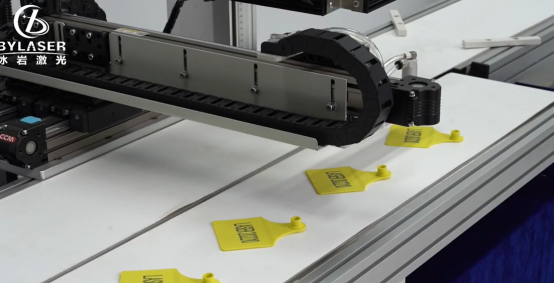
Automation integration capabilities significantly impact overall system throughput and operational efficiency. Modern laser systems offer various connectivity options including industrial communication protocols, robotic integration interfaces, and programmable logic controller compatibility. These features enable seamless integration with existing production lines and automated material handling systems, maximizing productivity while minimizing manual intervention requirements.
Quality requirements vary significantly across industries and applications, influencing laser system specifications and configuration needs. Aerospace and medical applications typically demand extremely tight tolerances and consistent repeatability, while general industrial marking may accept broader quality ranges. Understanding specific quality standards helps determine necessary beam quality, positioning accuracy, and control system sophistication.
Measurement and verification capabilities become essential in quality-critical applications. Advanced laser systems incorporate real-time monitoring features such as power feedback, beam position tracking, and marking verification systems. These capabilities help maintain consistent quality throughout production runs and provide documentation for compliance with industry standards and regulatory requirements.
Environmental factors such as temperature variation, humidity, and vibration can significantly impact marking quality and system performance. Industrial environments may require additional stabilization measures or environmental controls to maintain required precision levels. The selection process should consider these operational conditions and ensure the chosen system provides adequate stability and compensation mechanisms for environmental variations.
Modern manufacturing environments require laser systems that integrate seamlessly with existing production infrastructure and information systems. Connectivity options such as Ethernet communication, database integration, and real-time data exchange capabilities enable advanced production monitoring and quality control implementations. These features facilitate lean manufacturing principles and support continuous improvement initiatives.
Robotic integration represents a critical capability for many industrial applications, enabling precise part positioning and automated material handling. Compatible laser systems provide standardized mounting interfaces and communication protocols that simplify integration with various robotic platforms. This flexibility allows manufacturers to implement complex automation schemes while maintaining system reliability and ease of maintenance.
Software compatibility and user interface design significantly impact operational efficiency and training requirements. Intuitive programming interfaces reduce setup time and minimize operator skill requirements, while advanced features enable complex marking patterns and conditional logic implementation. The balance between simplicity and functionality should align with operator capabilities and production complexity requirements.
Long-term operational costs depend heavily on maintenance requirements and component reliability. Fiber laser systems typically offer significant advantages in this regard, with minimal consumable requirements and extended service intervals. Understanding maintenance schedules, component replacement costs, and service availability helps evaluate total cost of ownership over the system lifespan.
Technical support availability and response times become critical factors in production environments where downtime carries significant costs. Manufacturer support capabilities, local service networks, and remote diagnostic options should be evaluated as part of the selection process. Comprehensive training programs and documentation quality also influence operational success and minimize troubleshooting time requirements.
Spare parts availability and delivery timeframes impact maintenance planning and inventory management strategies. Critical components should be readily available through established distribution networks, while predictive maintenance capabilities can help optimize replacement scheduling and minimize unexpected failures. These considerations become particularly important for systems operating in continuous production environments or remote locations.
Capital equipment costs represent only one component of total system investment requirements. Additional considerations include installation expenses, training costs, facility modifications, and auxiliary equipment such as fume extraction or material handling systems. Comprehensive cost analysis should encompass all implementation requirements to avoid unexpected expenses during system deployment.
Financing options and depreciation schedules influence cash flow impact and tax implications of laser system investments. Many manufacturers offer lease arrangements or flexible payment terms that can improve project economics and reduce initial capital requirements. These alternatives should be evaluated against traditional purchase options to determine optimal financial structures for specific organizational circumstances.
Technology advancement rates and obsolescence considerations affect long-term value retention and upgrade potential. Investing in systems with modular designs and upgrade capabilities can extend useful life and protect against technology obsolescence. Conversely, rapidly evolving applications may benefit from shorter depreciation schedules and more frequent equipment updates to maintain competitive advantages.
Labor cost reduction represents a primary benefit of laser marking automation, particularly in high-volume applications. Automated systems eliminate manual marking operations while improving consistency and reducing operator-related errors. These benefits compound over time, generating substantial cost savings and quality improvements compared to traditional marking methods.
Material waste reduction and consumable elimination contribute significantly to operational cost savings. Laser marking produces minimal waste material and requires no inks, solvents, or replacement tooling once properly configured. These advantages become particularly significant in high-volume applications where consumable costs can represent substantial ongoing expenses with alternative marking technologies.
Quality improvement benefits extend beyond direct cost savings to encompass reduced rework, warranty claims, and customer satisfaction improvements. Consistent marking quality and enhanced traceability capabilities support lean manufacturing principles and help minimize quality-related expenses throughout the product lifecycle. These indirect benefits often justify laser system investments even when direct cost savings are marginal.
Marking speed depends on material thermal properties, required marking depth, character size, and desired quality level. Metals with high thermal conductivity require more energy input and slower speeds to achieve adequate contrast, while materials with lower melting points process more quickly. Complex graphics and deep engraving applications inherently require longer processing times regardless of material type, with typical speeds ranging from hundreds to thousands of characters per minute depending on specific requirements.
Consistent quality requires stable laser parameters, proper environmental controls, and regular system calibration procedures. Implementing real-time monitoring systems helps detect parameter drift and environmental variations before they impact marking quality. Additionally, establishing standardized operating procedures and operator training programs ensures consistent setup and maintenance practices that preserve system performance over extended production periods.
Laser safety encompasses both direct beam exposure protection and fume extraction requirements for certain materials. Proper enclosure design, interlocking systems, and operator training help prevent accidental exposure to laser radiation. Additionally, ventilation systems become necessary when processing materials that generate harmful vapors during laser interaction, particularly certain plastics and coated materials that may release toxic compounds during processing.
ROI calculation should include direct cost savings from labor reduction, consumable elimination, and quality improvements, along with indirect benefits such as enhanced traceability and reduced warranty claims. Comparing total operating costs of current marking methods against projected laser system expenses over the expected equipment lifespan provides a comprehensive financial analysis. Factors such as productivity improvements, reduced setup time, and enhanced flexibility should also be quantified to accurately assess investment value and payback periods.