×
×
Modern manufacturing and creative industries increasingly rely on precision engraving solutions to meet demanding quality standards and production requirements. A laser engraver machine represents one of the most advanced technologies available for achieving exceptional durability and accuracy in material processing applications. Understanding the critical factors that influence performance helps operators maximize their investment while ensuring consistent, high-quality results across diverse materials and applications.
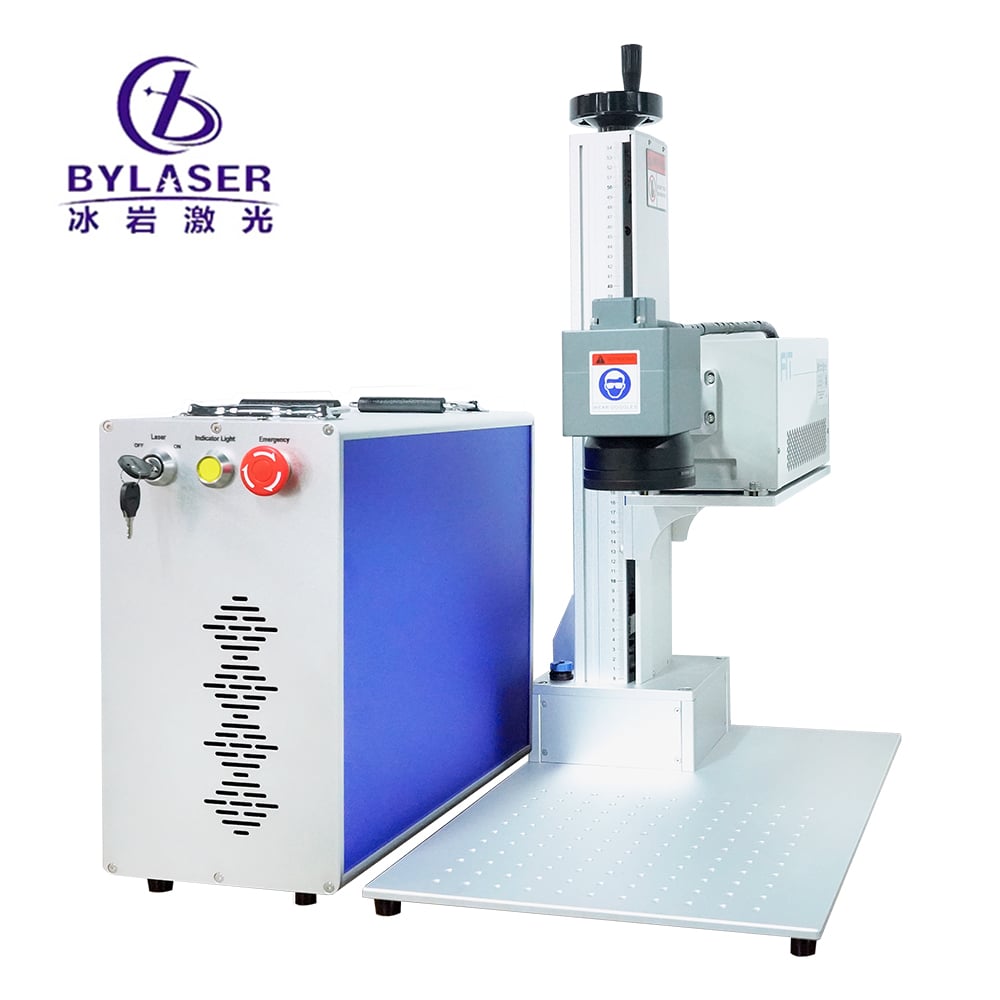
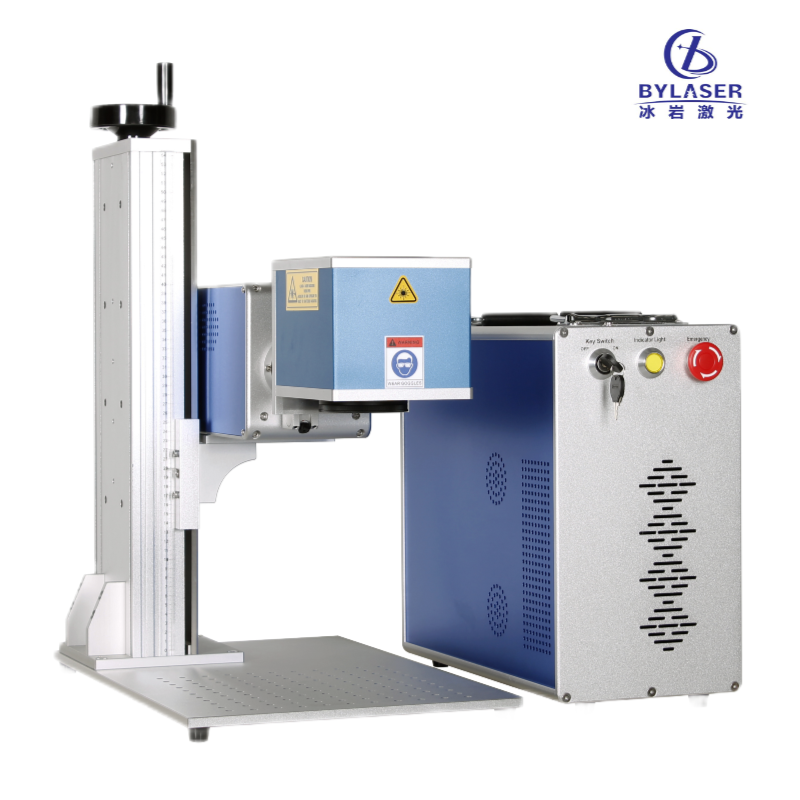
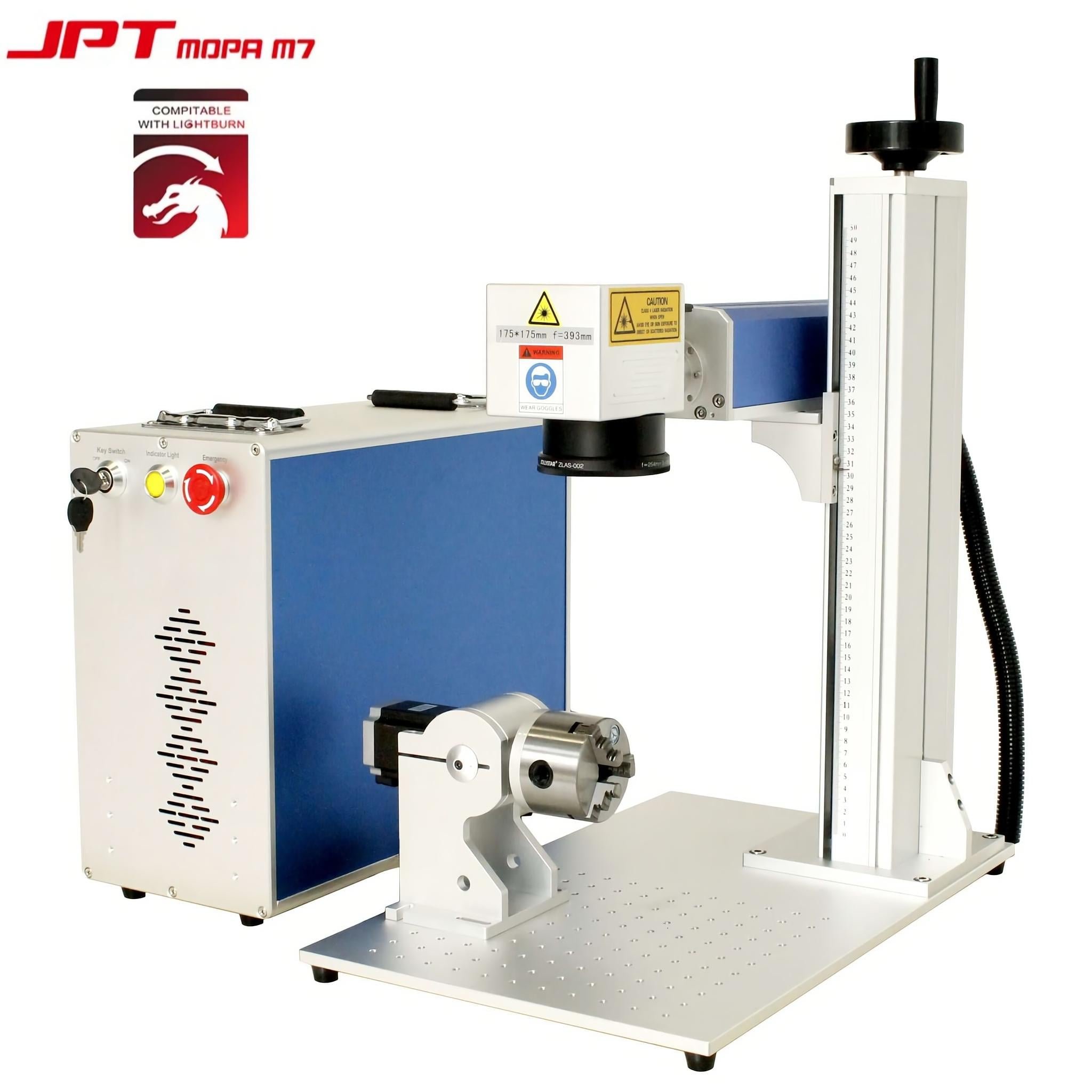
The foundation of any reliable laser engraver machine lies in its fundamental components and operational mechanisms. These systems typically incorporate high-precision laser diodes, advanced optical systems, and sophisticated control electronics that work together to deliver consistent beam quality and positioning accuracy. The laser source generates coherent light that passes through carefully aligned mirrors and lenses, focusing the energy into an extremely small spot size for precise material interaction.
Temperature stability plays a crucial role in maintaining optimal performance throughout extended operation periods. Quality laser engraver systems implement active cooling mechanisms and thermal management protocols to prevent drift and maintain consistent beam characteristics. This thermal stability directly impacts the accuracy of engraving operations and extends the operational lifespan of critical components.
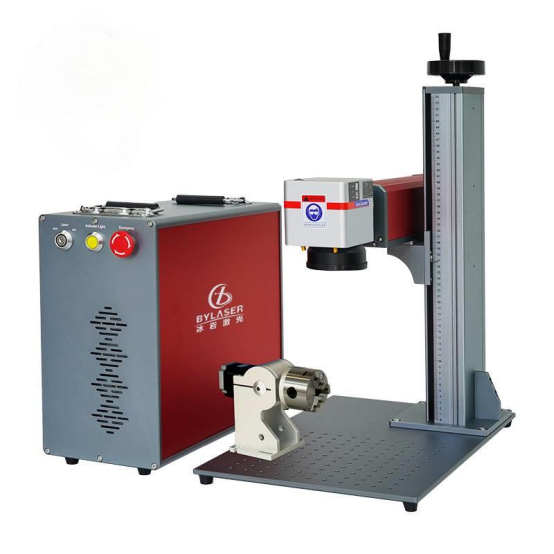
Superior beam quality represents a defining characteristic of professional-grade laser engraving equipment. The beam profile, stability, and power consistency determine the final quality of engraved features and the system's ability to process diverse materials effectively. Advanced systems incorporate real-time power monitoring and feedback control mechanisms to maintain consistent energy delivery regardless of operating conditions or material variations.
Power modulation capabilities enable operators to optimize processing parameters for different materials and applications. Dynamic power control allows for variable depth engraving, gradient effects, and precise material removal rates. These features expand the creative possibilities while maintaining the accuracy required for demanding industrial applications.
Glass and crystal materials present unique challenges that require specialized processing approaches and equipment configurations. The transparent nature of these materials demands precise wavelength selection and power management to achieve consistent results without causing thermal stress or structural damage. UV laser technology has emerged as the preferred solution for these applications due to its superior absorption characteristics and minimal heat-affected zones.
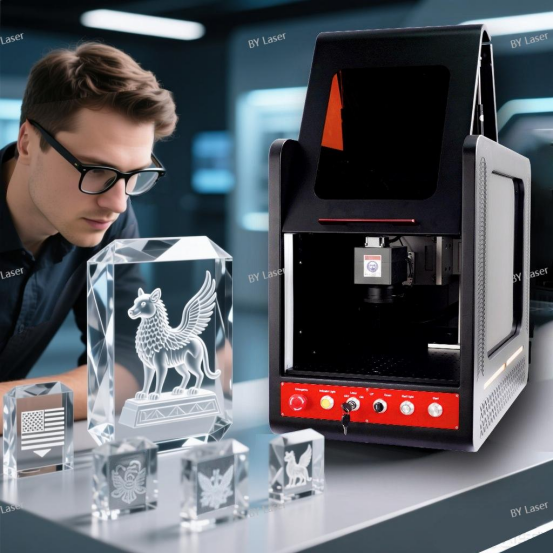
Three-dimensional engraving capabilities represent a significant advancement in glass processing technology. Modern systems can create intricate internal patterns and structures within crystal materials without affecting surface integrity. This capability opens new possibilities for decorative applications, awards manufacturing, and specialized optical components that require internal features.
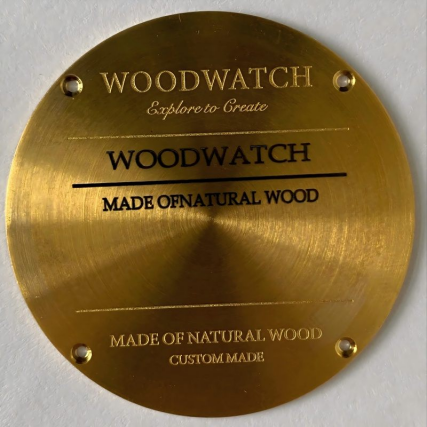
Metal engraving applications require different processing parameters and considerations compared to organic materials. The high thermal conductivity and reflective properties of metals necessitate careful power management and pulse timing to achieve consistent depth and edge quality. Fiber laser technology has proven particularly effective for metal applications due to its excellent beam quality and absorption characteristics.
Polymer materials offer excellent versatility for laser processing but require careful parameter optimization to prevent thermal degradation or excessive melting. The wide range of polymer compositions and additives means that processing parameters must be tailored to specific material formulations. Understanding these material-specific requirements enables operators to achieve optimal results while maintaining processing efficiency.
The mechanical precision of positioning systems directly impacts the accuracy and repeatability of engraving operations. High-quality laser engraver systems incorporate precision linear guides, servo motors, and advanced control algorithms to achieve sub-micron positioning accuracy. These systems must maintain their precision throughout extended operation periods while handling various material types and thicknesses.
Feedback control mechanisms continuously monitor position accuracy and compensate for mechanical variations or thermal drift. Advanced systems utilize optical encoders, laser interferometry, or other precision measurement techniques to ensure consistent positioning performance. This real-time monitoring and compensation capability is essential for maintaining tight tolerances in production environments.
Modern laser engraver machine systems rely heavily on sophisticated software platforms that integrate design, process planning, and machine control functions. These software suites provide intuitive interfaces for creating complex engraving patterns while automatically optimizing processing parameters based on material properties and quality requirements. Advanced features include automatic nesting, collision detection, and real-time process monitoring.
Process automation capabilities reduce operator intervention while improving consistency and throughput. Automated material recognition, adaptive power control, and quality monitoring systems enable lights-out operation for many applications. These automation features are particularly valuable in production environments where consistency and efficiency are critical success factors.
Implementing comprehensive maintenance protocols is essential for maximizing the operational lifespan and maintaining accuracy of laser engraving equipment. Regular cleaning of optical components prevents contamination buildup that can degrade beam quality and processing consistency. Lens cleaning procedures must be performed using appropriate solvents and techniques to avoid damage to expensive optical coatings.
Mechanical system maintenance includes lubrication of moving components, inspection of drive mechanisms, and verification of alignment accuracy. Scheduled replacement of wear components prevents unexpected failures and maintains system performance. Documentation of maintenance activities helps identify trends and optimize maintenance schedules based on actual usage patterns and environmental conditions.
Environmental factors significantly impact the performance and longevity of precision laser equipment. Temperature fluctuations, humidity variations, and airborne contaminants can affect optical performance, mechanical accuracy, and electronic stability. Implementing proper environmental controls, including temperature regulation, humidity management, and air filtration, protects sensitive components and ensures consistent performance.
Vibration isolation prevents external disturbances from affecting engraving accuracy, particularly important in industrial environments with heavy machinery or transportation activities. Proper installation techniques and vibration damping systems maintain the mechanical stability required for precision operations. Regular monitoring of environmental conditions helps identify potential issues before they impact production quality.
Establishing robust quality assurance procedures ensures consistent output quality and identifies potential issues before they affect production. Dimensional measurement techniques, including optical microscopy, coordinate measuring machines, and laser scanning systems, provide accurate verification of engraved features. Regular calibration of measurement equipment maintains traceability and accuracy of quality assessments.
Surface quality evaluation involves assessment of edge smoothness, depth consistency, and absence of thermal damage or contamination. Advanced inspection techniques, including confocal microscopy and surface profilometry, provide detailed characterization of engraved features. These measurements help optimize processing parameters and validate system performance against specifications.
Comprehensive documentation of processing parameters, quality measurements, and maintenance activities provides valuable data for continuous improvement and troubleshooting. Digital record-keeping systems enable trend analysis, parameter optimization, and rapid identification of process variations. This documentation is particularly important for applications requiring traceability and quality certification.
Statistical process control techniques help identify trends and variations in system performance before they impact product quality. Control charts, capability studies, and correlation analysis provide insights into process stability and improvement opportunities. Regular review of process data enables proactive maintenance and parameter optimization to maintain peak performance.
Recent advances in laser technology continue to expand the capabilities and applications of engraving systems. Ultrafast laser sources enable processing of previously difficult materials with improved precision and reduced thermal effects. These developments open new possibilities in medical device manufacturing, semiconductor processing, and advanced material applications.
Integration with artificial intelligence and machine learning technologies promises to further enhance automation and optimization capabilities. Adaptive control systems can automatically adjust parameters based on real-time feedback, improving consistency and reducing setup time. These intelligent systems will become increasingly important as applications become more demanding and complex.
Different industries have unique requirements that drive specialized adaptations of laser engraving technology. Medical device applications require biocompatible materials processing and stringent cleanliness standards. Aerospace applications demand exceptional accuracy and material properties that maintain performance under extreme conditions. Electronics manufacturing requires precise feature sizes and minimal thermal impact on sensitive components.
Customization capabilities enable system configurations tailored to specific application requirements. Modular designs allow for field upgrades and adaptation to changing production needs. This flexibility ensures that laser engraver machine investments remain valuable as technology advances and application requirements evolve.
The primary factors affecting laser engraver durability include environmental conditions, maintenance quality, operational parameters, and component quality. Proper temperature and humidity control, regular cleaning of optical components, appropriate power settings for different materials, and use of high-quality replacement parts all contribute to extended system life. Implementing comprehensive maintenance protocols and operating within manufacturer specifications typically results in many years of reliable service.
Maximizing accuracy requires material-specific parameter optimization, proper system calibration, and environmental control. Each material type requires specific power, speed, and focus settings to achieve optimal results. Regular calibration of positioning systems and verification of beam alignment ensure mechanical accuracy. Maintaining stable temperature and vibration-free conditions prevents drift and disturbances that could affect precision.
An effective maintenance schedule balances preventive care with operational availability. Daily cleaning of work surfaces and weekly inspection of optical components prevent most contamination issues. Monthly calibration checks and quarterly comprehensive system inspections identify potential problems early. Annual professional service and component replacement based on usage hours rather than calendar time typically provides the best cost-performance ratio.
Advanced control systems enhance processing outcomes through real-time monitoring, adaptive parameter adjustment, and predictive maintenance capabilities. Closed-loop feedback systems automatically compensate for variations in material properties or environmental conditions. Integrated quality monitoring detects processing anomalies immediately, preventing waste and ensuring consistent output. These systems reduce operator skill requirements while improving repeatability and throughput.