


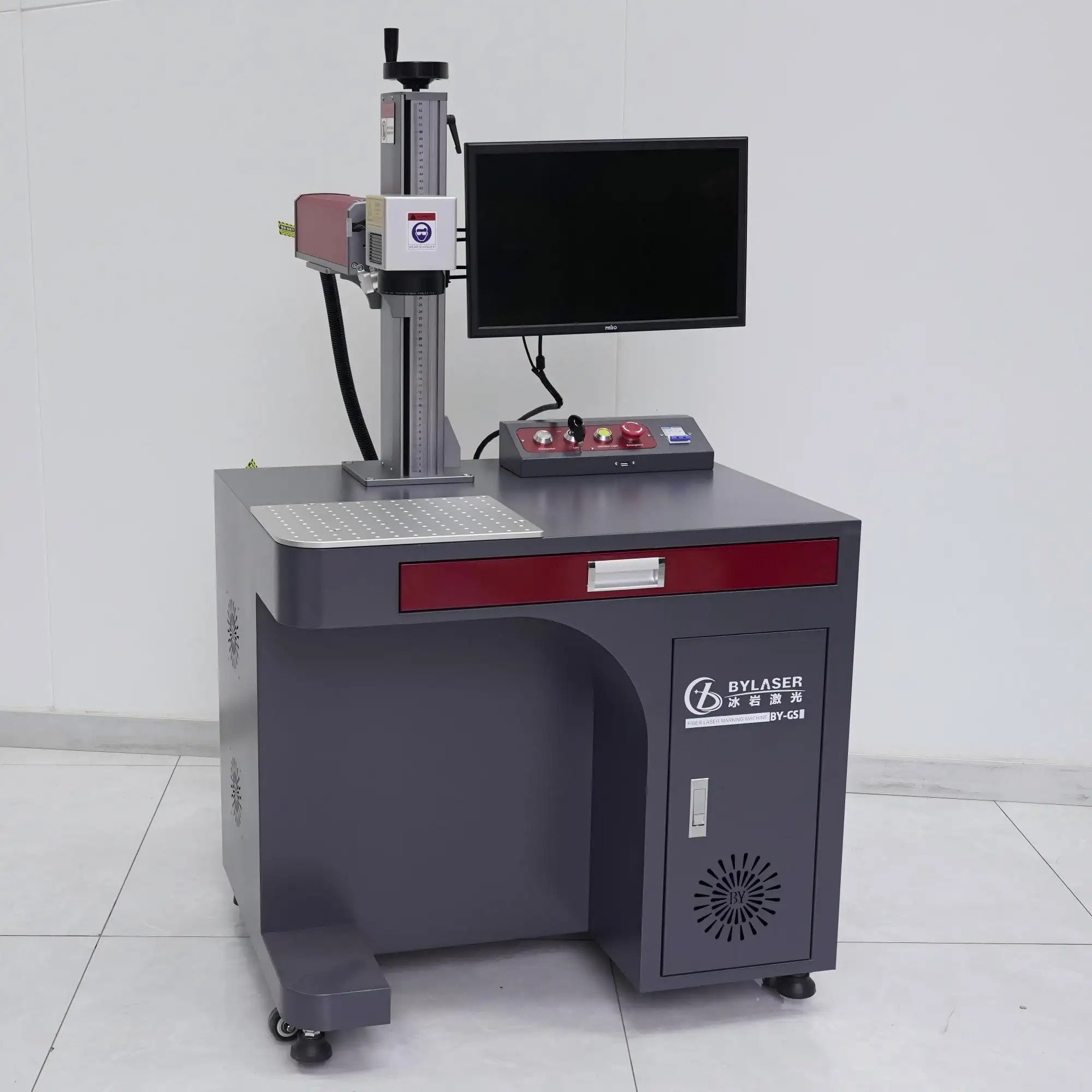
Selecting the right laser marker is one of the most critical decisions for manufacturers, engravers, and production facilities looking to enhance marking precision and operational efficiency. The process of choosing an appropriate laser marking machine goes far beyond price comparison or brand reputation. It requires a systematic understanding of your production requirements, material specifications, volume demands, and long-term business objectives. A poorly chosen system can result in inconsistent mark quality, frequent downtime, wasted material, and significant financial loss. Conversely, the right selection ensures reliable performance, optimal productivity, and excellent return on investment over the system's operational lifespan.
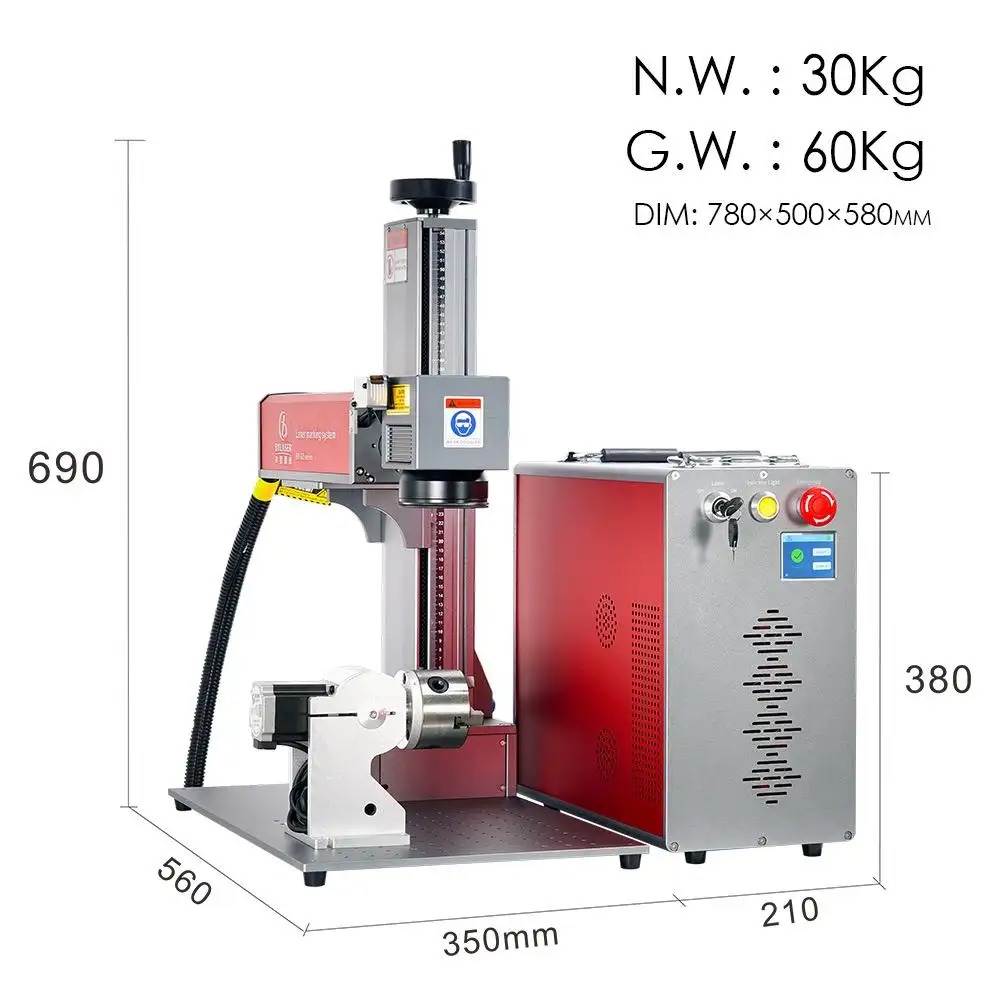
The industrial laser system landscape has evolved dramatically over the past decade, introducing multiple technologies, configurations, and price points that cater to different manufacturing scenarios. Understanding these variations and how they align with your specific operational context is essential before making any investment decision. This guide walks through the key decision factors, technical specifications to evaluate, and practical considerations that will help you identify and implement the ideal laser marking machine solution for your unique business requirements and growth trajectory.
Understanding Your Application Requirements and Material Compatibility
Defining Material Type and Surface Properties
The first critical step in selecting a laser marking machine involves precisely identifying the materials you need to mark or engrave. Different materials respond uniquely to laser energy, and not every industrial laser system performs equally across all substrate types. Metals including stainless steel, aluminum, copper, and titanium typically require fiber laser technology to achieve crisp, permanent marks with minimal surface damage. Non-metallic materials such as plastics, rubber, leather, wood, and composites may perform better with CO2 laser technology or specialized fiber configurations. The fiber laser engraving capability, particularly with modern compact systems, has expanded the range of materials that can be processed efficiently, making fiber-based solutions increasingly popular across diverse manufacturing sectors.
Volume and Production Speed Expectations
Production volume directly impacts the type of laser marking machine investment that makes financial sense for your operation. High-volume manufacturing facilities requiring thousands of marked parts daily benefit from dedicated, integrated laser marking systems with automated handling and conveyor integration. Medium-volume operations marking hundreds of parts daily typically use standalone systems with manual or semi-automated positioning. Low-volume custom marking shops often prefer portable or compact fiber laser engraving systems that offer flexibility and lower capital requirements. Understanding your current volume and realistic growth projections over the next three to five years helps determine whether you need industrial laser system capacity designed for sustained high-speed production or a more modest setup suitable for intermittent work.
Technical Specifications and Performance Metrics
Laser Power, Wavelength, and Marking Quality
Laser power, measured in watts, affects marking depth, speed, and material compatibility. Fiber laser systems typically use a 1064 nm wavelength and range from 20W to over 100W. Lower-power 20–30W systems are ideal for detailed marking on precious metals, electronics, and delicate surfaces, while higher-power systems support deep engraving and high-speed production. Fiber lasers are highly effective for metal marking but less suitable for some non-metallic materials. Before purchasing, request sample marks on your actual materials to verify quality, consistency, and surface finish.
Mark Size, Speed, and Repeatability Standards
Marking field size determines the maximum area a laser marker can process without repositioning the workpiece. Typical sizes range from 50×50 mm to 300×300 mm or larger. Marking speed affects production efficiency, with faster systems completing batch jobs more quickly. Repeatability and accuracy are also essential for producing consistent marks across large production runs, especially in medical, aerospace, and automotive applications. Compare detailed specifications and real-world performance before choosing a system.
Cost Analysis, Infrastructure, and Long-Term Ownership Considerations
Capital Investment and Operating Expenses
The total cost of ownership for any laser marking machine extends far beyond the initial purchase price. Capital expenses include the laser marking machine unit itself, auxiliary equipment such as cooling systems, extraction systems, and positioning accessories, plus site preparation and installation labor. Operating expenses encompass electricity consumption, maintenance parts and labor, replacement optics or mirrors, and periodic system calibration. A compact fiber laser engraving solution might cost significantly less upfront than a large industrial laser system, but higher operational efficiency could deliver better long-term economics. Conversely, a more expensive system might offer superior reliability and lower per-unit marking costs over a five-year ownership period. Request total cost of ownership projections from vendors that account for energy consumption, maintenance schedules, and expected part production volumes over your planning horizon.
Facility Infrastructure and Safety Requirements
Industrial laser system installation requires adequate electrical supply, proper ventilation or fume extraction, environmental stabilization for temperature and humidity, and appropriate safety infrastructure including interlocks, warning systems, and operator training protocols. Compact fiber laser engraving systems can often operate in standard workshop environments with minimal additional investment, while high-powered industrial laser systems demand dedicated spaces with specialized utilities. Calculating facility preparation costs, including electrical upgrades, ventilation installation, and safety equipment, can significantly impact total project investment and timeline. Additionally, factor in staff training requirements, certification costs, and ongoing operational support needs when evaluating different laser marking machine options and vendor support structures.
Vendor Support, Training, and System Integration Factors
Ongoing Service, Spare Parts Availability, and Technical Support
The quality and reliability of vendor support often determines long-term satisfaction with your laser marker investment more than the equipment itself. Evaluate whether spare parts are readily available through the vendor or authorized distributors, what response times the vendor guarantees for technical support calls, and whether field service technicians can visit your facility for repairs. Some fiber laser engraving vendors maintain regional service centers with rapid response capabilities, while others rely on mail-in repairs or remote troubleshooting. Understanding the vendor's reputation for responsiveness, parts availability, and technical expertise can prevent costly downtime during critical production periods. Request references from existing customers in your industry and verify their satisfaction levels with technical support, parts availability, and system reliability before committing to any industrial laser system purchase.
Software Compatibility and Workflow Integration
Modern laser marking machines operate through software interfaces that control marking patterns, speed, power, and positioning. Evaluate whether the laser marker system integrates smoothly with your existing design software including AutoCAD, Adobe Illustrator, or specialized manufacturing applications. Some vendors provide proprietary software that creates workflow friction, while others offer open-source or widely compatible solutions that accelerate setup and reduce learning curves. Additionally, consider whether the laser marking machine can integrate with your existing production management systems, inventory tracking, or quality control databases. Testing the software interface during vendor demonstrations and confirming compatibility with your existing IT infrastructure prevents expensive post-purchase integration headaches and ensures smooth operational implementation across your entire manufacturing workflow.
FAQ
What distinguishes fiber laser engraving from other laser marking technologies?
Fiber laser engraving technology utilizes a fiber-optic delivery system operating at 1064-nanometer wavelength, making it exceptionally efficient for marking metals, oxides, and certain coatings. Unlike CO2 lasers that excel on organic materials like wood and acrylic, fiber laser systems deliver superior mark contrast and permanence on industrial materials including stainless steel, aluminum, and titanium. The compact size of modern fiber laser engraving systems compared to older solid-state or CO2 alternatives makes them ideal for space-constrained production environments. Fiber-based laser marking machines also typically offer lower operating costs, longer component lifespan, and higher energy efficiency than alternative technologies.
How do I determine the appropriate power level for my laser marking machine?
The right power level for your industrial laser system depends on material type, marking depth requirements, and production speed targets. For fine detail marking on electronics or jewelry, 20 to 30 watts often suffices, while heavy engraving or deep marking on thick materials may require 50 to 100 watts. Request that vendors produce sample marks on your specific materials at different power levels, then assess whether output quality, speed, and consistency meet your production standards. Additionally, consider future growth and potential material changes when selecting laser marking machine power, as upgrading later can be costly.
What total budget should I allocate for a laser marker system including setup and training?
Total budget allocation for a laser marking machine extends beyond equipment cost to include facility preparation, installation, training, and initial operating supplies. A compact fiber laser engraving system suitable for small shops or prototyping might cost fifteen to thirty thousand dollars total with setup, while mid-range industrial laser systems typically range from forty to eighty thousand dollars, and high-end production-integrated systems can exceed one hundred fifty thousand dollars. Include contingency for facility modifications, electrical upgrades, software integration, staff training, and six months of spare parts and consumables when developing your complete investment budget for laser marker implementation.
