


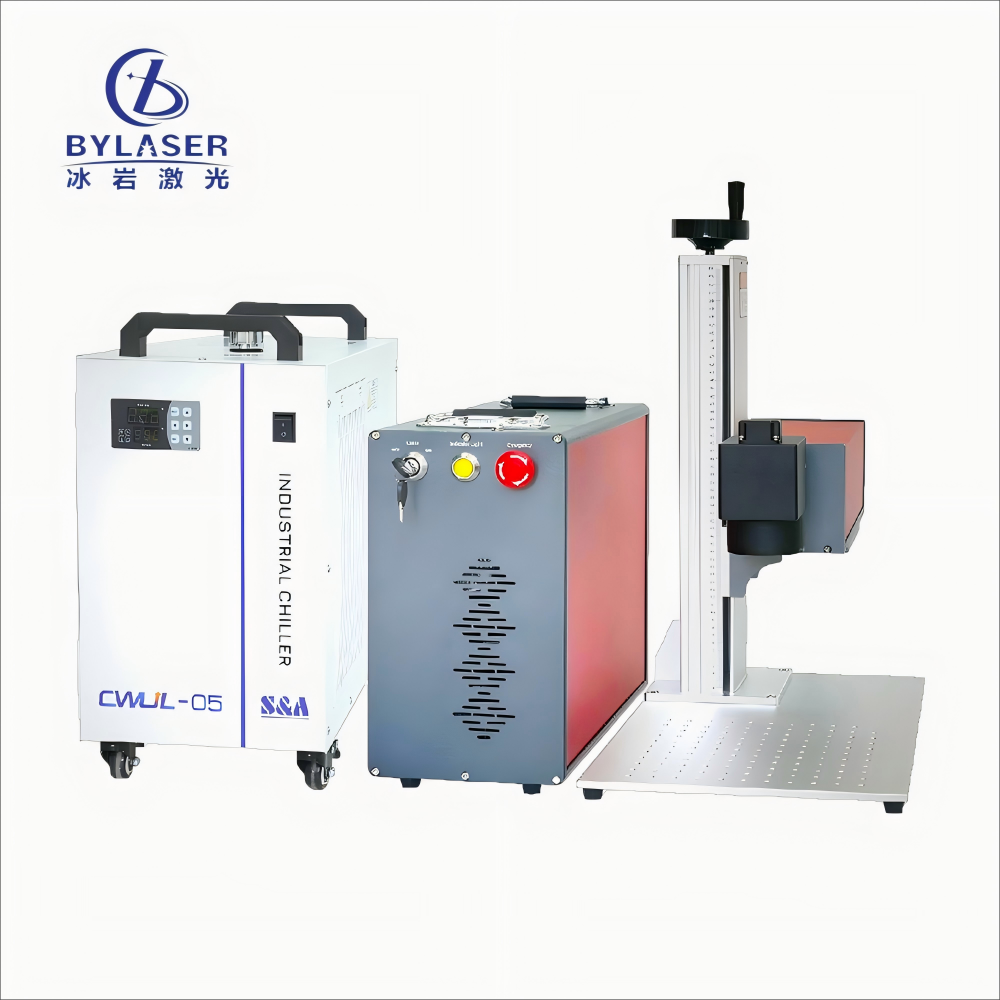
Operating a uv laser marking machine requires comprehensive understanding of safety protocols to protect personnel and equipment. Ultraviolet laser engraving systems emit high-energy light that can cause serious injury if proper precautions are not observed. Industrial facilities and small workshops alike must prioritize operator safety when implementing UV marking technology in their production environments. The risks associated with ultraviolet laser marking extend beyond immediate eye exposure and include skin damage, fire hazards, and electrical dangers that demand careful attention and rigorous safety management.
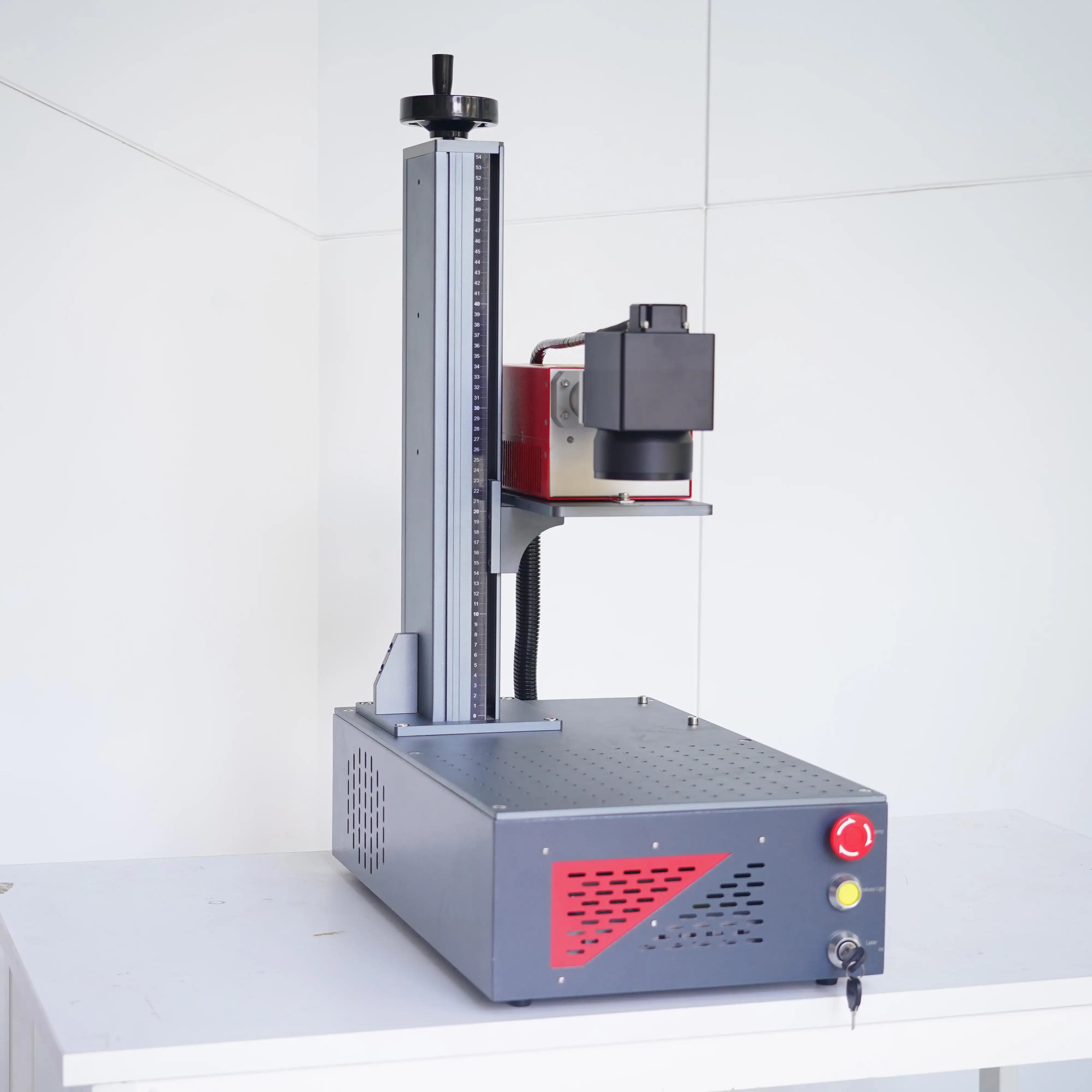
The transition to laser marking for metal and other materials has revolutionized industrial marking, but it introduces unique occupational health considerations that operators must understand. UV marking technology operates at wavelengths invisible to the human eye, creating a deceptive hazard where operators cannot see the laser beam directly. This invisibility makes it even more critical to implement established safety precautions and create a culture of laser safety awareness. Proper training, equipment maintenance, and environmental controls form the foundation of safe ultraviolet laser engraving operations.
Understanding UV Laser Hazards and Exposure Risks
Direct Eye and Skin Exposure Dangers
The primary hazard associated with UV laser marking machines centers on direct exposure to ultraviolet radiation. Unlike visible light, UV rays penetrate the eye's outer structures and can damage the cornea, lens, and retina with both immediate and cumulative effects. Even brief exposure to UV laser beams can cause photokeratitis, a painful condition similar to welding flash. Skin exposure carries equal concern, potentially causing radiation burns and accelerating skin cancer risk with repeated contact.
Ultraviolet laser engraving systems produce wavelengths typically between 355 nanometers and 1064 nanometers, depending on the system design. These wavelengths penetrate biological tissue efficiently, making protective eyewear and skin barriers absolutely essential. Operators must recognize that UV marking technology poses unique risks because the beam remains invisible until it interacts with materials. This invisibility factor creates a false sense of security if proper safeguards are not in place.
Secondary Hazards from Machine Operation
Beyond direct laser exposure, operating a uv laser marking machine introduces secondary hazards including electrical shock, thermal burns from heated components, and fire risks from flammable materials. Laser marking for metal and other substrates generates heat that can ignite surrounding materials if ventilation is inadequate or combustible items are positioned too close. The water-cooling systems and electrical power supplies required for UV marking technology present additional hazards requiring proper maintenance and operator awareness. Secondary explosions or fires can occur if vapors and aerosols generated during the marking process accumulate without adequate extraction.
Essential Personal Protective Equipment and Engineering Controls
Eye Protection and Beam Containment
Proper eyewear represents the first line of defense against ultraviolet laser engraving hazards. Safety glasses must feature optical density ratings specifically matched to the wavelength and power output of the uv laser marking machine being operated. Standard eyeglasses provide no protection against UV lasers and may actually concentrate the beam dangerously. Operators must wear certified laser safety eyewear at all times when the system is active, and all personnel within the beam path zone must also wear appropriate protection.
Engineering controls for UV marking technology include physical barriers, interlocks, and remote monitoring systems that prevent accidental beam exposure. Properly designed laser marking for metal applications incorporates beam shutter mechanisms, enclosed work areas, and emergency stop systems accessible to operators. Interlocked guards on the laser chamber ensure the system cannot fire when access panels are open. These engineered safeguards work in conjunction with personal protective equipment to create multiple layers of defense against hazardous ultraviolet laser engraving exposure.
Skin Protection and Ventilation Systems
Operators must cover exposed skin with appropriate protective clothing, including long sleeves, gloves rated for laser work, and aprons where necessary. Ultraviolet laser engraving processes generate aerosols and vapors containing harmful compounds that require effective extraction. Proper ventilation systems must capture these byproducts at the source before they can accumulate in the breathing zone. UV marking technology systems should be installed with local exhaust ventilation or fume extraction systems that meet industrial hygiene standards for the specific materials being marked.
The protective measures for a uv laser marking machine extend beyond the immediate operator to include bystanders and maintenance personnel. Signage must clearly identify laser hazard zones, and access restrictions must prevent unauthorized entry into areas where the beam is active. Training programs should emphasize that protective equipment only works when properly selected, maintained, and consistently used during all marking operations with ultraviolet laser engraving systems.
Maintenance, Training, and Operational Safety Protocols
Regular Inspection and Equipment Maintenance
Preventive maintenance of the uv laser marking machine is fundamental to sustained safe operation. Optical components require regular cleaning to maintain beam quality and prevent uncontrolled beam scatter that increases hazard exposure. Cooling systems must function properly to prevent thermal runaway conditions and maintain safe component temperatures. Electrical systems should be inspected periodically by qualified technicians to identify potential shock hazards or insulation damage that could endanger operators.
Laser marking for metal applications involves potential contamination of optical surfaces with metal particles, dust, or marking residue that can scatter the beam unpredictably. Regular maintenance schedules should include optical surface inspection and cleaning using appropriate materials that do not damage protective coatings. Worn or damaged components must be replaced promptly to maintain safety system integrity. Equipment manufacturers provide specific maintenance guidance for each UV marking technology model, and operators must adhere strictly to these recommendations.
Operator Training and Safety Culture
Comprehensive training programs form the foundation of safe ultraviolet laser engraving facility operations. All personnel working with or near a uv laser marking machine must receive documented training covering hazard recognition, emergency procedures, and proper use of protective equipment. Initial training should include hands-on demonstration of safety features and practice with emergency shutdown procedures. Annual refresher training helps maintain safety awareness and covers updates to protocols or equipment changes.
Facilities should establish written safety procedures specific to their UV marking technology installation and applications for laser marking for metal or other materials. Procedures must address startup and shutdown sequences, material handling, cleaning protocols, and emergency response protocols. Access control systems and personnel authorization requirements ensure that only trained individuals operate the equipment. Regular safety meetings and incident reporting systems encourage continuous improvement in safety culture and help identify emerging risks before they cause injuries.
FAQ
What eye protection is required for ultraviolet laser engraving operations?
Eye protection for a uv laser marking machine must feature optical density ratings specifically matched to the system wavelength and power output. Standard eyeglasses provide no protection against UV lasers and may concentrate harmful radiation. Certified laser safety eyewear rated for the specific wavelength must be worn by all personnel in the beam path zone. Industrial-grade laser safety glasses meet ANSI Z136.1 standards and provide the necessary protection against ultraviolet laser engraving hazards.
How does UV marking technology differ from visible laser marking in terms of safety?
UV marking technology presents unique safety challenges because ultraviolet laser engraving beams remain invisible to the human eye, creating a false sense of security about hazard presence. Visible laser beams provide immediate visual feedback that warns operators of danger, while UV laser marking machines offer no such feedback. This invisibility makes engineering controls and rigorous procedural adherence even more critical for safe operation. Laser marking for metal and other applications using UV wavelengths requires heightened vigilance and stricter access controls than visible laser systems.
What secondary hazards should operators monitor during laser marking for metal processes?
Secondary hazards from a uv laser marking machine include electrical shock from power systems, thermal burns from heated components, and fire risks from marking byproducts or nearby flammable materials. Adequate ventilation systems must capture aerosols and vapors generated during ultraviolet laser engraving operations to prevent accumulation in work areas. Water-cooling systems require proper maintenance to prevent coolant leaks and thermal runaway conditions. Regular inspection of fire extinguishers, emergency equipment, and evacuation routes ensures facilities can respond effectively to incidents involving UV marking technology systems.
