×
×
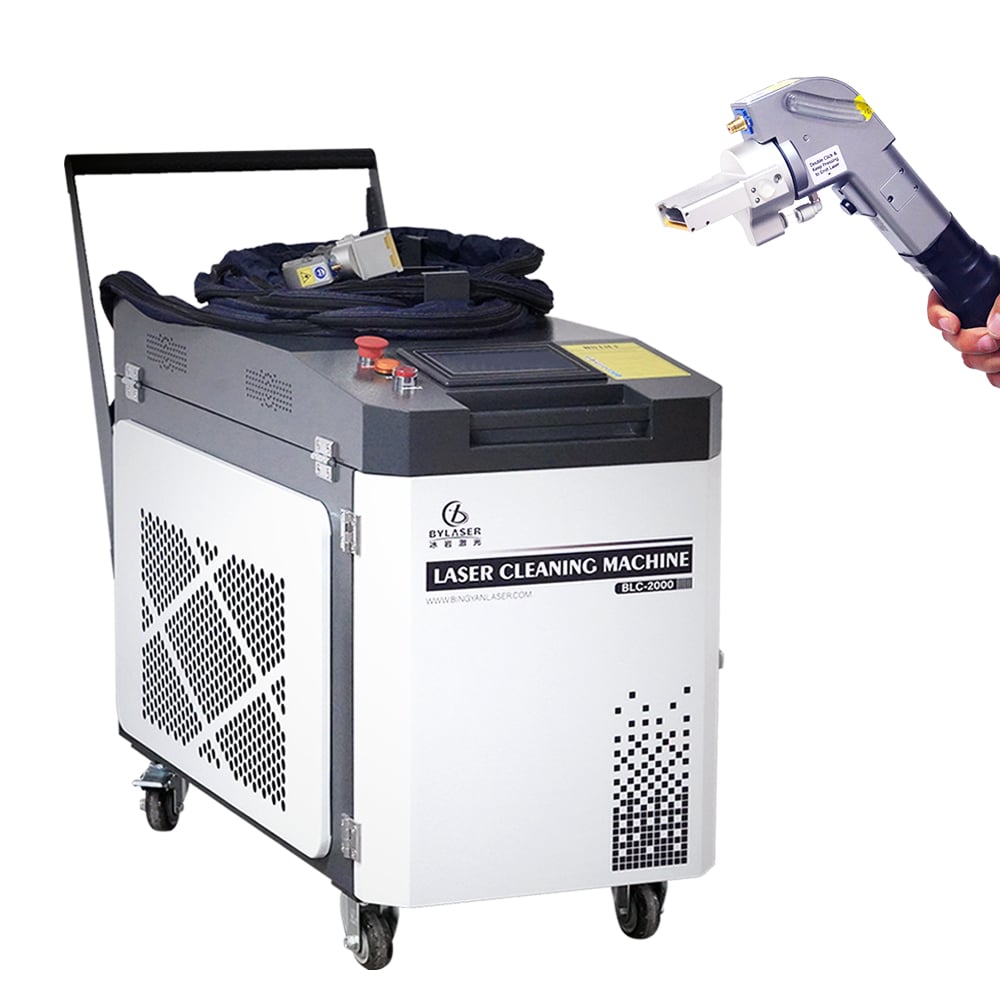
Industrial laser cleaning technology has revolutionized surface preparation and maintenance across multiple industries. An industrial laser cleaning machine uses high-powered laser beams to remove contaminants, rust, paint, and other unwanted coatings without damaging the base material. As industries evolve and environmental regulations tighten, fiber laser cleaning machines have emerged as efficient, eco-friendly alternatives to traditional chemical or abrasive cleaning methods.
The core technology of laser rust removal machines is based on ablation, where short pulses of laser energy vaporize surface contaminants. This precise, non-contact process ensures superior cleaning performance while maintaining the integrity of the underlying substrate. Understanding how these advanced systems work is crucial for selecting the right equipment for your specific industrial needs.
The power level of your laser cleaning machine will largely depend on the type and thickness of contaminants. Light cleaning tasks such as oxide layer removal or surface dust can often be handled by 20–50W systems. Heavy-duty applications like rust removal, paint stripping, or thick coating removal may require systems ranging from 100W to 1000W or higher.
When assessing performance, pay attention to both peak power and average power. Peak power determines how effectively the system can handle stubborn residues, while average power influences the overall cleaning speed. Matching these specifications to your production requirements ensures the best efficiency and surface quality.
The physical size and mobility of your laser cleaning equipment are crucial factors in industrial use. Some factories benefit from compact, portable laser systems that can be moved between workstations, while others may prefer stationary units integrated into automated production lines.
Modern fiber laser cleaning machines often include adjustable parameters, enabling operators to fine-tune pulse frequency, energy, and scan speed for different surfaces. This flexibility is valuable in facilities that handle diverse materials or frequently change product specifications.
In the automotive industry, laser cleaning machines are widely used for surface pre-treatment before welding, removing coatings, and cleaning molds. These applications require precise control to ensure no damage to sensitive metals while effectively removing rust, oil, or paint residues.
When choosing a laser rust removal machine for automotive applications, focus on systems offering both high precision and power. The ability to clean steel, aluminum, and alloy surfaces without thermal deformation is vital for quality assurance.
The aerospace sector demands extreme precision and reliability. Cleaning processes must preserve structural integrity and comply with strict documentation and quality standards.
For aerospace applications, select systems with advanced monitoring capabilities, stable fiber laser sources, and accurate power control. The ability to clean lightweight materials like aluminum alloys or composites without thermal stress is essential. Machines offering digital logging and automated quality reports can simplify compliance with certification standards.
In mold manufacturing, laser cleaning machines are used to remove residues, oxidation, and release agents from metal molds without altering surface dimensions. Similarly, the electronics industry utilizes precision laser cleaning systems for circuit board preparation, connector cleaning, and oxide removal, where chemical-free, residue-free cleaning is critical to product quality.
Understanding technical specifications is essential for an informed decision. Key parameters include pulse duration, repetition rate, beam quality, and scanning speed. These directly affect the cleaning depth, material compatibility, and overall performance.
Advanced industrial laser cleaning machines should allow precise control of these parameters through user-friendly interfaces. Features like recipe storage or preset programs ensure consistent results for repeat applications and minimize operator error.
Most modern fiber laser cleaning machines use maintenance-free laser sources, providing stable output, long service life, and low operating costs compared to solid-state or CO₂ lasers.
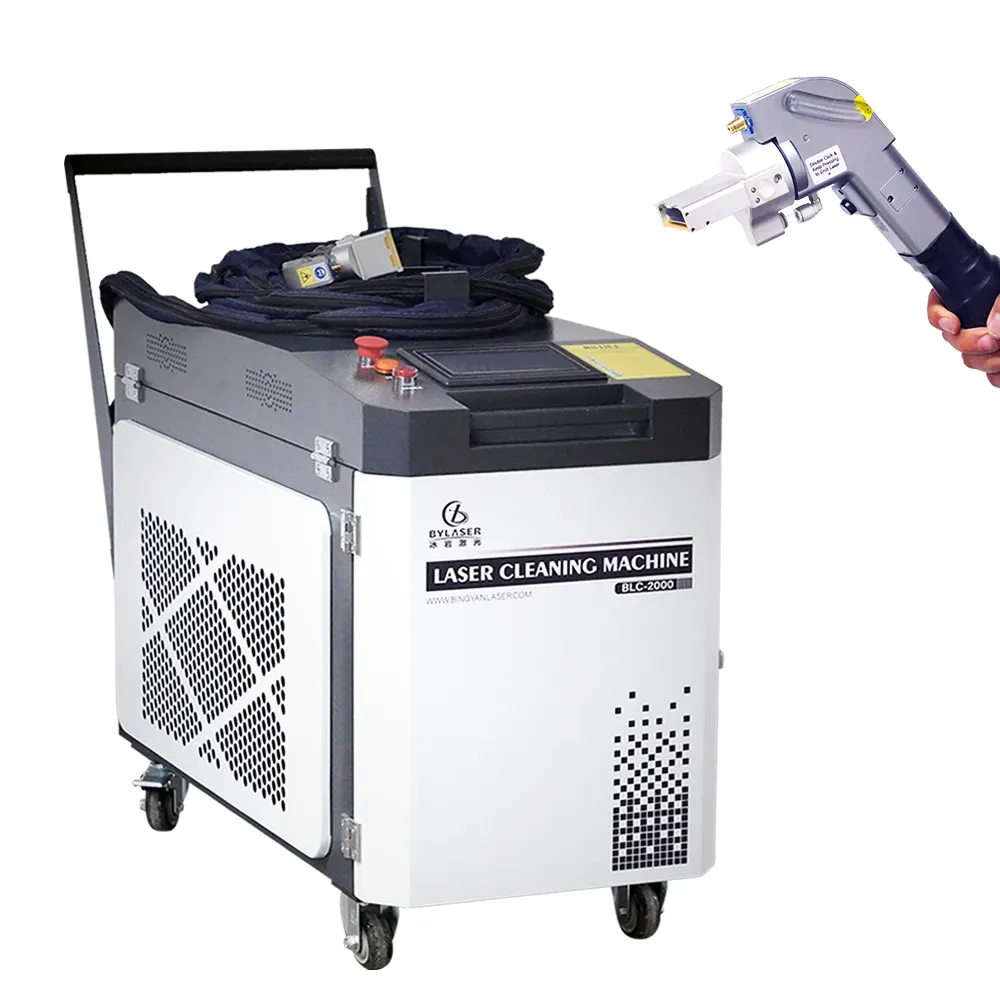
Safety must be a top priority in all laser cleaning operations. Look for systems equipped with emergency stops, integrated fume extraction, laser shielding, and compliance with Class IV laser safety standards.
Operators should be properly trained in laser handling and equipped with protective eyewear and safety gear. Additionally, verify that your system meets regional and industry-specific regulations such as CE, ISO, or ANSI standards.
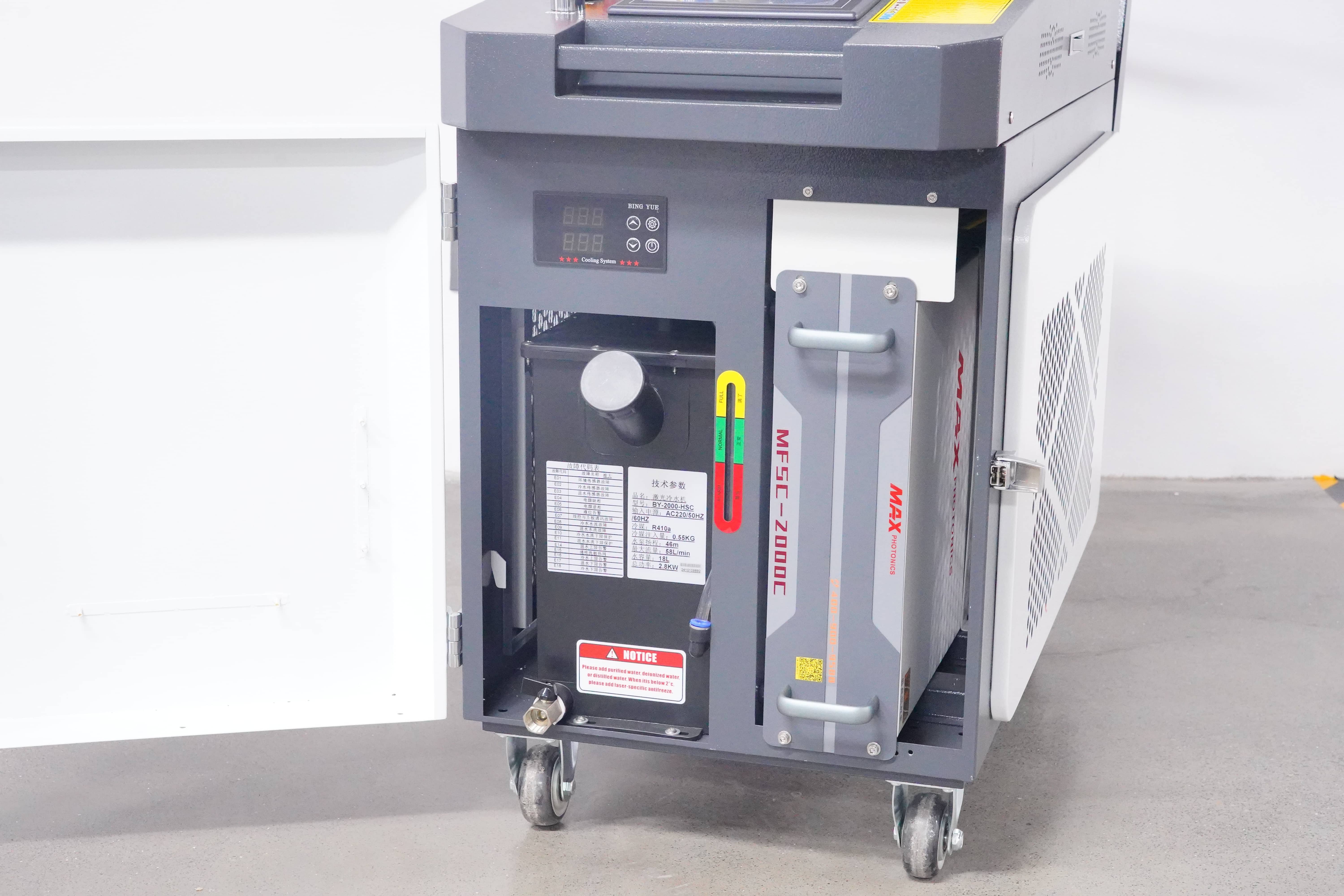
The total cost of ownership for laser cleaning machines extends beyond the purchase price. Power consumption, cooling requirements, and maintenance frequency all affect long-term expenses.
While higher-wattage systems may have a larger upfront cost, they can deliver better ROI through faster cleaning cycles, reduced labor, and minimal consumables.
Calculate ROI based on cleaning speed, operational efficiency, and the elimination of chemicals or abrasive materials. The long-term benefits often include improved product quality, lower waste management costs, and compliance with environmental standards.
Regular maintenance ensures consistent performance and extends machine lifespan. Evaluate each manufacturer’s service network, spare parts availability, and technical support.
Choose suppliers offering comprehensive warranties, remote diagnostic support, and preventive maintenance plans. These services minimize downtime and ensure stable operation across the equipment’s lifecycle.
1. What power level do I need for my laser cleaning application?
This depends on your material type, contamination thickness, and desired cleaning speed. Light cleaning tasks may need only 20–50W, while industrial rust removal may require 500W or higher. Testing with your specific material is always recommended.
2. How does laser cleaning compare to traditional cleaning methods?
Laser cleaning offers major advantages including no chemicals, no abrasives, minimal waste, precise control, and zero substrate damage. Although the initial investment is higher, operating costs and environmental impact are significantly lower.
3. What safety measures are required for laser cleaning operations?
Proper enclosures, fume extraction systems, PPE, and operator training are mandatory. Always ensure compliance with local Class IV laser safety regulations.
4. Can laser cleaning machines be automated or integrated into production lines?
Yes. Many modern industrial laser cleaning systems can be fully automated or integrated with robotic arms and conveyor systems. Automation enhances consistency, reduces labor costs, and is ideal for high-volume industrial cleaning applications.