


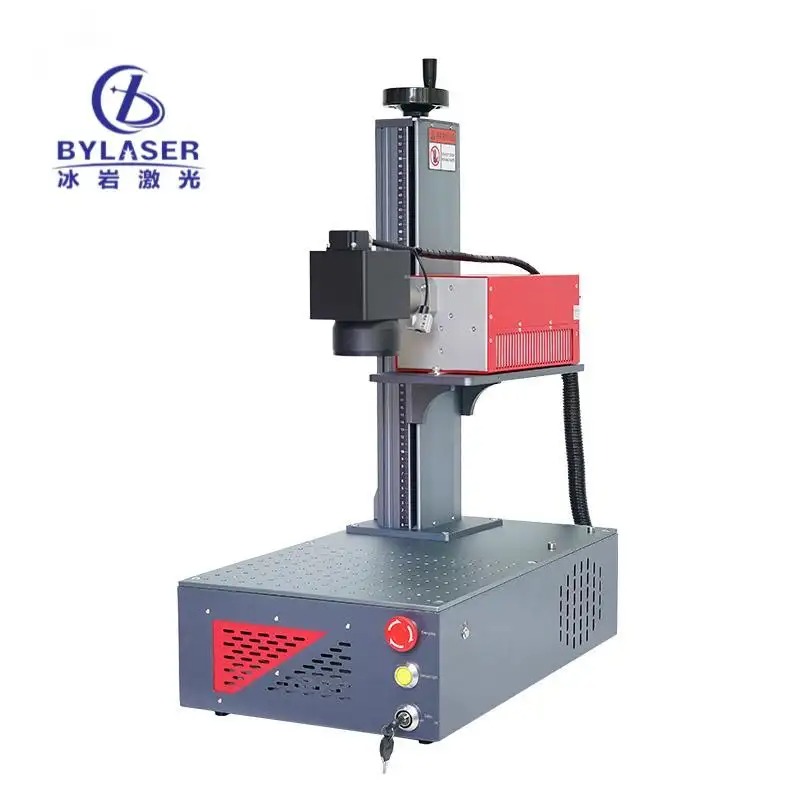
The speed of a uv laser marking machine is one of the most critical performance metrics in industrial marking operations. Processing speed directly impacts production throughput, labor costs, and overall manufacturing efficiency. Understanding the capabilities and limitations of UV marking technology helps businesses make informed decisions about equipment investment and workflow optimization.
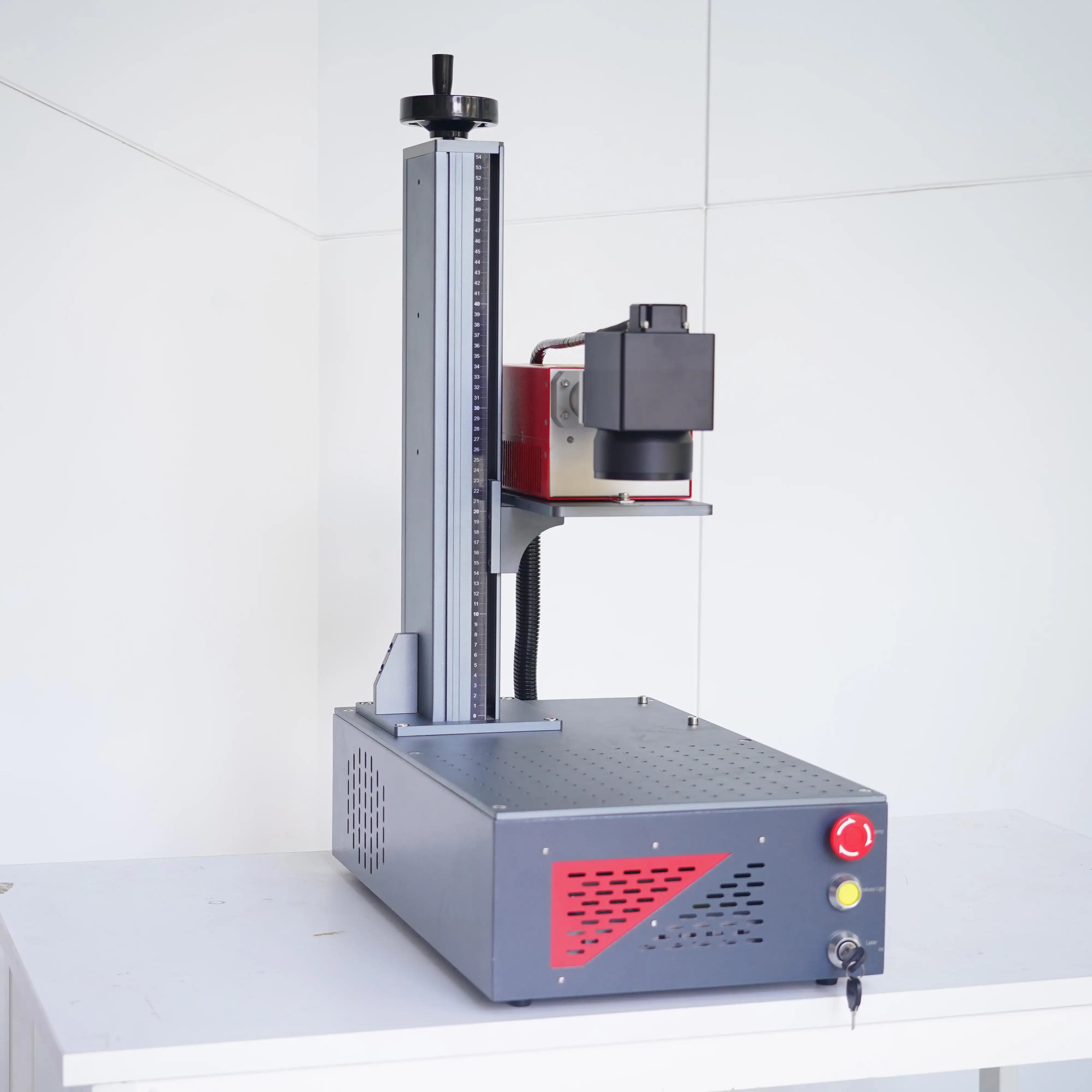
UV marking technology operates at fundamentally different speeds than other laser systems because ultraviolet laser engraving uses shorter wavelengths and lower power densities. A modern UV laser marking machine can process between 100 to 300 marks per minute on most materials, depending on mark complexity, material composition, and machine configuration. This throughput makes UV laser marking systems highly efficient for high-volume applications requiring precision detail.
Throughput and Speed Variables
Material Type Impact on Processing Speed
Different materials respond differently to ultraviolet laser engraving, which directly affects processing time. Plastics and polymers typically process faster because UV light absorbs readily into these materials without excessive heat generation. Metals and ceramics require longer dwell times and potentially multiple passes, especially for deep marking applications. The material's surface finish, reflectivity, and thermal properties all influence how quickly a UV laser marking machine can complete each mark.
Mark Complexity and Design Parameters
Processing speed also depends heavily on mark complexity. Simple text or basic geometric patterns may process at 300 marks per minute or faster, while intricate designs, detailed logos, or high-resolution images require slower scanning speeds to maintain quality. UV marking technology excels at fine details because the ultraviolet laser engraving process produces minimal heat-affected zones, allowing for precise line widths and sharp edges even at moderate speeds.
Factors Controlling Machine Performance
Laser Power and Frequency Settings
The power output of your uv laser marking machine directly correlates with processing speed. Higher-power UV laser marking machines can mark deeper and faster, though this depends on the specific material being processed. Frequency settings also matter; adjusting pulse frequency influences marking depth and surface quality. Operators must balance speed requirements against quality standards, as pushing maximum throughput may compromise mark clarity or consistency on certain materials.
Galvanometer Scan Speed and Positioning
Modern UV laser marking machines use galvanometer-driven scanning systems that move the beam across the material surface. Scan speed typically ranges from 1000 to 7000 mm per second depending on machine specifications. Faster galvanometer systems reduce the time needed to position the beam between marks, directly improving overall throughput. However, extremely high scan speeds may introduce accuracy issues on delicate materials or when precision alignment is critical.
Real-World Speed Expectations
Production Environment Throughput
In actual production settings, a UV laser marking machine typically achieves 150 to 250 marks per minute for standard industrial applications. This accounts for material handling, part positioning, safety interlocks, and the reality that not every mark reaches theoretical maximum speeds. For simpler applications like date coding or batch numbering on pharmaceutical packaging or electronics, speed often reaches the upper range. More complex applications like detailed logo engraving or multi-color marking on metals operates at lower speeds.
Production Efficiency Metrics
Beyond raw marking speed, businesses should consider total cycle time, which includes part loading, marking, unloading, and any secondary processing. A fast UV laser marking machine that requires extensive setup between job changes may deliver lower overall throughput than a slightly slower system with superior automation. Ultraviolet laser engraving systems with integrated part handling, conveyor compatibility, and software optimization can maintain consistent high throughput throughout production runs.
Speed Optimization Strategies
System Configuration for Maximum Throughput
Businesses can optimize marking speed by selecting appropriate laser power levels, adjusting scan frequencies, and configuring optimal mark depth settings. UV marking technology benefits from careful parameter tuning during setup; spending time optimizing mark quality settings upfront often increases overall production speed because it reduces rework and quality issues. Proper maintenance of optical components ensures the UV laser marking machine delivers consistent performance over time without speed degradation.
Workflow Integration and Automation
Integrating a uv laser marking machine into automated production lines significantly improves effective throughput. Systems with conveyor belt compatibility, vision alignment, and programmable job switching enable continuous operation with minimal downtime. Software that streamlines design file processing and reduces setup transitions between different mark types allows the laser marking for metal and other materials to operate closer to theoretical maximum speeds. Automation eliminates manual handling delays that typically reduce marking machine efficiency.
FAQ
How fast can UV laser marking machines mark compared to fiber laser systems?
UV laser marking machines typically mark at similar or sometimes faster speeds than fiber laser systems when processing non-metallic materials. However, for laser marking for metal, fiber lasers often achieve higher throughput due to their superior heat absorption. UV marking technology excels at speed on plastics, ceramics, and glass where ultraviolet laser engraving produces cleaner results with less material damage, potentially reducing quality-related delays.
Does marking speed affect the quality of UV laser engraving?
Yes, excessively fast marking speeds can compromise UV marking technology quality. Pushing a uv laser marking machine beyond optimal parameters for specific materials may produce inconsistent depths, faded marks, or positioning errors. Most operators find that moderate speeds between 150 and 250 marks per minute provide the best balance between throughput and quality, though this varies by application requirements and material properties.
What factors most significantly slow down UV laser marking machines in production?
Material complexity, part positioning time, and software processing delays typically slow a UV laser marking machine more than the actual laser marking for metal or other surfaces. Ultraviolet laser engraving speed decreases when handling fragile materials requiring gentle handling, intricate designs demanding careful calibration, or when integrating quality inspection steps. System setup, part loading automation, and efficient job scheduling often matter more than raw laser speed for achieving high overall production throughput.
