×
×
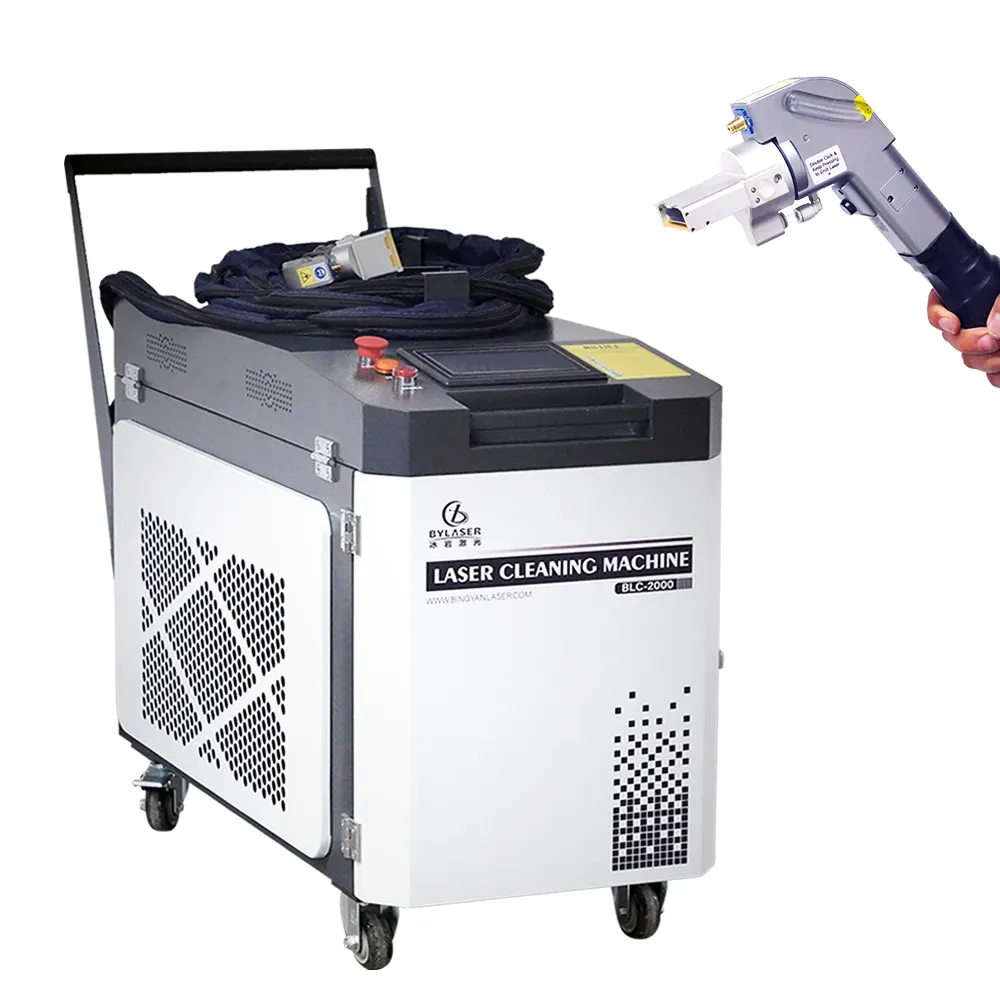
تطورت تحضيرات وتنظيف الأسطح المعدنية تطوراً كبيراً مع إدخال التقنيات الصناعية المتقدمة. يتم استبدال الطرق التقليدية مثل الرمْل النفاث والتنظيف الكيميائي والكشط اليدوي تدريجياً ببدائل أكثر كفاءة وصديقة للبيئة. ومن بين هذه الابتكارات، تبرز آلة التنظيف بالليزر كحل ثوري يوفر دقة وفعالية غير مسبوقتين في تطبيقات علاج السطح المعدني عبر مختلف الصناعات.
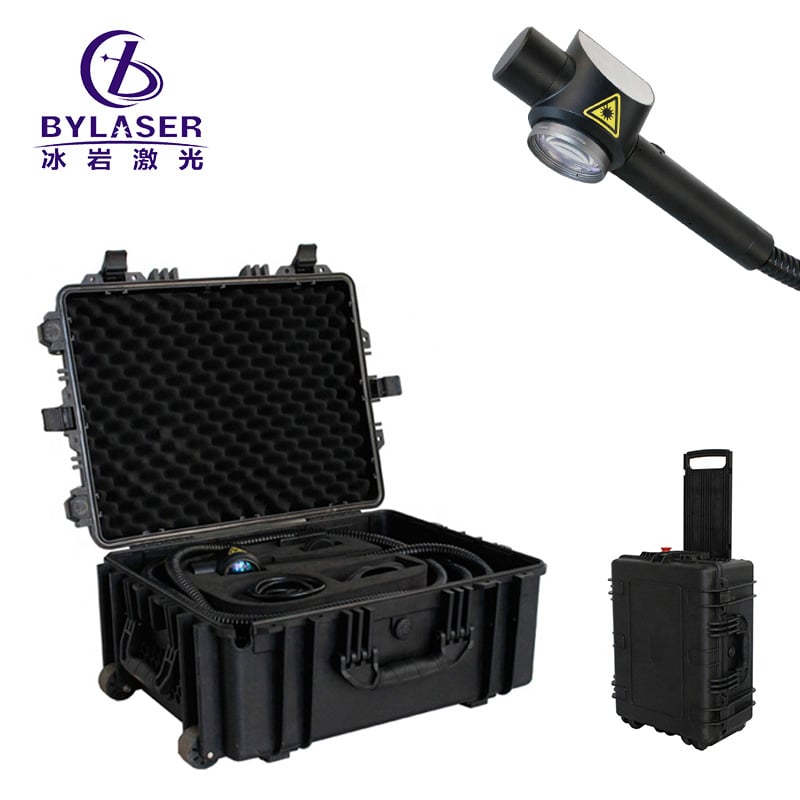
تُوفر آلة التنظيف بالليزر دقةً استثنائيةً في إزالة الملوثات المحددة من الأسطح المعدنية دون التأثير على المادة الأساسية. إذ يُمكن لشعاع الليزر المُركّز استهداف الصدأ والطلاء وطبقات الأكسيد وبقايا الزيوت وغيرها من المواد غير المرغوب فيها بشكلٍ انتقائي، مع الحفاظ على سلامة المعدن الأساسي. وتضمن هذه القدرة على الإزالة الانتقائية الحفاظ على الخصائص الهيكلية ودقة الأبعاد للمكونات المعدنية القيّمة طوال عملية التنظيف.
تعمل هذه التقنية من خلال توصيل نبضات طاقة مضبوطة بدقة تُحوّل الملوثات إلى بخار على المستوى الجزيئي. هذه العملية تقضي على خطر التلف الميكانيكي الذي يحدث غالبًا مع أساليب التنظيف الكاشطة التقليدية. تفيد المرافق التصنيعية التي تستخدم تقنية التنظيف بالليزر بتحقيق تحسن كبير في جودة السطح وتقليل الفاقد من المواد مقارنة بالأساليب التقليدية للتنظيف.
على عكس طرق التنظيف التقليدية التي تواجه صعوبات في التعامل مع الأشكال المعقدة والمناطق التي يصعب الوصول إليها، فإن أجهزة التنظيف بالليزر تتفوق في معالجة الهندسات المعدنية المعقدة. يمكن للشعاع المركّز أن يجتاز الزوايا الضيقة والأسطح المنحنية والتجاويف الداخلية بدقة ملحوظة. تُعد هذه القدرة ذات قيمة كبيرة في تطبيقات الطيران والفضاء والصناعة automotive والتصنيع الدقيق، حيث تتطلب تعقيدات المكونات حلول تنظيف متقدمة.
الطبيعة غير التلامسية للتنظيف بالليزر تقضي على المخاوف المتعلقة بارتداء الأدوات والتغيرات البعدية التي تحدث عادةً في عمليات التنظيف الميكانيكية. تستفيد الصناعات التي تعالج مكونات ذات قيمة عالية بشكل خاص من هذا الجانب، حيث يتم القضاء على خطر تلف القطع باهظة الثمن أثناء عمليات إعداد السطح.
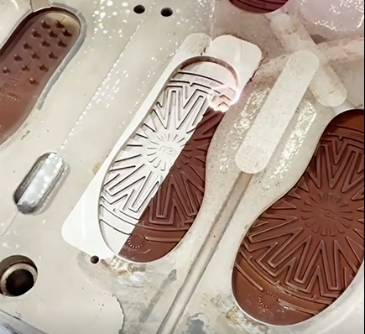
تُعد إحدى الفوائد الأكثر أهمية لتكنولوجيا التنظيف بالليزر هي القضاء التام على المذيبات الكيميائية وعوامل التنظيف السامة. غالبًا ما تتطلب عمليات تنظيف المعادن التقليدية استخدام مواد كيميائية خطرة تمثل مخاطر بيئية وتستدعي إجراءات تخلص باهظة التكلفة. آلة تنظيف بالليزر تعمل باستخدام الطاقة الكهربائية فقط، ولا تنتج أي مخلفات ضارة أو نفايات كيميائية.
يقلل هذا الأسلوب الخالي من المواد الكيميائية بشكل كبير من عبء الامتثال للوائح التنظيمية، ويقضي على الحاجة إلى بروتوكولات إدارة النفايات المتخصصة. وغالبًا ما تحقق الشركات التي تعتمد تكنولوجيا التنظيف بالليزر وفورات كبيرة في التكاليف من خلال التخلص من نفقات شراء المواد الكيميائية وتخزينها والتخلص منها، وفي الوقت نفسه تقلل من أثرها البيئي.
تُنتج عمليات التنظيف بالليزر كمية ضئيلة من النفايات الفيزيائية مقارنةً بأساليب التنظيف الكاشطة. ويمكن بسهولة التقاط الملوثات المتبخرة باستخدام أنظمة التهوية الصناعية القياسية، مما يترك أسطح المعادن نظيفة وجاهزة للخطوات اللاحقة في المعالجة. وينتج عن هذا الحد من النفايات انخفاضاً مباشرةً في تكاليف التخلص منها، وتيسيراً في إجراءات إدارة المرافق.
إن دقة التنظيف بالليزر تقضي أيضاً على فقدان المواد المرتبط بأساليب التنظيف العنيفة. فعمليات الرمْل (مثل الرش بالرمل) والطحن التقليدية غالباً ما تزيل جزءاً من المادة الأساسية القيّمة مع الملوثات، مما يؤدي إلى تغيرات في الأبعاد وهدر في المادة. ويحافظ الليزر على السُمك الأصلي للمعدن والملمس السطحي، ما يزيد من كفاءة استخدام المادة إلى أقصى حد.
توفر آلات التنظيف بالليزر مزايا كبيرة في تكاليف العمالة من خلال قدراتها على الأتمتة وتقليل الحاجة إلى التدخل اليدوي. يمكن للأنظمة الآلية العمل باستمرار مع إشراف ضئيل، مما يسمح للمهنيين المهرة بالتركيز على مهام ذات قيمة أعلى. كما أن اتساق وقابلية تكرار عمليات التنظيف بالليزر تقلل من الحاجة إلى فحوصات مراقبة الجودة الشاملة وإجراءات إعادة العمل.
عادةً ما تكون متطلبات تدريب مشغلي التنظيف بالليزر أقل تطلبًا من تلك المطلوبة في طرق التنظيف التقليدية. إن التشغيل البديهي والميزات الأمنية المدمجة في أنظمة الليزر الحديثة تتيح تطوير أسرع للقوى العاملة وتقليل تكاليف التدريب. تُبلغ العديد من المنشآت عن تحسينات في الإنتاجية تتراوح بين 300٪ و500٪ عند الانتقال من طرق التنظيف اليدوية إلى الأنظمة الآلية بالليزر.
الطبيعة غير التلامسية للتنظيف بالليزر تلغي تآكل الأدوات وتكاليف استبدالها المرتبطة بأساليب التنظيف الكاشطة. تتطلب معدات التنظيف التقليدية استبدالًا متكررًا للعناصر الاستهلاكية مثل وسائط الرملي، عجلات الطحن، والحلول الكيميائية. تعمل آلات التنظيف بالليزر باستهلاك ضئيل جدًا من المواد الاستهلاكية، مما يؤدي إلى انخفاض التكاليف التشغيلية المستمرة.
تم تصميم أنظمة التنظيف بالليزر الحديثة لتوفير عمر تشغيلي طويل مع الحد الأدنى من متطلبات الصيانة. توفر مصادر الليزر ذات الحالة الصلبة المستخدمة في تطبيقات التنظيف الصناعي آلاف الساعات من التشغيل الموثوق قبل الحاجة إلى الخدمة. هذه الموثوقية تقلل من أوقات التوقف والتكاليف الصيانة، مع ضمان أداء تنظيف ثابت طوال دورة حياة المعدات.
يُنشئ التنظيف بالليزر ظروف سطح مثالية للطلاء واللحام وعمليات الربط اللاحقة. إن توصيل الطاقة المنضبط يُنتج ملفًا شخصيًا دقيقًا خشنًا على السطح يعزز الالتصاق الميكانيكي للدهانات، الأساسيات، واللصقات. غالبًا ما يؤدي هذا التحضير المحسن للسطح إلى إلغاء الحاجة إلى خطوات إضافية مثل النقش أو التهيئـة، مما يبسط عمليات التصنيع.
إن غياب بقايا المواد الكيميائية على الأسطح المُنظفة بالليزر يضمن أداءً مثاليًا في الالتصاق للتطبيقات الحرجة. غالبًا ما تترك طرق التنظيف التقليدية آثارًا ضئيلة من عوامل التنظيف التي قد تتداخل مع الالتصاق والمتانة على المدى الطويل. ويُنتج التنظيف بالليزر أسطحًا نقية كيميائيًا تفي بأعلى معايير الجودة في تطبيقات الطيران والفضاء، والأجهزة الطبية، والصناعات عالية الأداء.
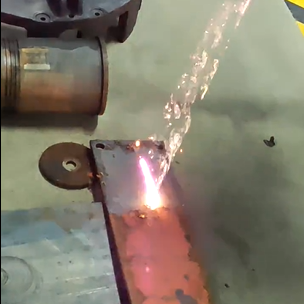
يمكن تعديل معايير التنظيف بالليزر بدقة لتحقيق متطلبات خشونة السطح المحددة لمختلف التطبيقات. تتيح هذه القابلية على التحكم للمصنّعين تحسين ظروف السطح لأنظمة الطلاء أو عمليات التجميع الخاصة. ويضمن تكرار تنظيف الليزر تحضيرًا متسقًا للسطح عبر دفعات الإنتاج الكبيرة، مما يقلل من التباين في العمليات اللاحقة.
يُبسّط تنظيف الجودة التوثيق باستخدام تقنية التنظيف بالليزر، حيث يمكن تسجيل المعاملات العملية رقميًا والتحقق منها لكل مكون تم تنظيفه. وتدعم هذه القدرة على التتبع أنظمة إدارة الجودة ومتطلبات الامتثال التنظيمي في الصناعات الخاضعة للتنظيم مثل تصنيع الطائرات والجهاز الطبي.
لقد اعتمدت صناعة السيارات تقنية التنظيف بالليزر في تطبيقات متعددة تشمل إزالة الطلاء، وإعداد اللحام، واستعادة المكونات. تتفوق الأنظمة الليزرية في إزالة الطلاء والطباقات من هياكل المركبات دون الإضرار بالمواد الأساسية، مما يتيح عمليات تشطيب فعالة. وتجعل الدقة العالية للتنظيف الليزري منه خيارًا مثاليًا لإعداد مكونات الألومنيوم والصلب للحام في عمليات تجميع السيارات.
تستفيد صناعة مركبات الدفع الكهربائي بشكل خاص من تقنية التنظيف بالليزر نظرًا للأهمية البالغة لنظافة الأسطح في تجميع البطاريات والوصلات الكهربائية. وتُخلّص طريقة التنظيف الخالية من المواد الكيميائية من مخاطر التلوث التي قد تؤثر على الأداء الكهربائي والسلامة في التطبيقات الكهربائية عالية الجهد في السيارات.
تتطلب تطبيقات الفضاء الجوي أعلى مستويات النظافة والدقة السطحية، مما يجعل التنظيف بالليزر حلاً مثالياً للصيانة وإنتاج مكونات الطائرات. تتيح هذه التقنية إزالة انتقائية للطلاءات والتآكل دون الإضرار بالمواد الهيكلية الحرجة مثل سبائك التيتانيوم والألومنيوم. توسع هذه القدرة من عمر المكونات وتقلل من تكاليف الاستبدال في أنظمة الفضاء الجوي المكلفة.
تدعم إمكانية التتبع وتوثيق سجلات أنظمة التنظيف بالليزر المتطلبات الصارمة للجودة في تصنيع الطائرات. تضمن السجلات الرقمية للعملية والتحقق من المعايير الامتثال للمعايير الصناعية والمتطلبات التنظيمية الخاصة بالمكونات الحرجة من حيث السلامة.
تقدم التنظيف بالليزر عدة مزايا مقارنةً بالانفجار الرملي، منها التخلص من تكاليف الوسائط الكاشطة، وعدم إحداث تلف في المادة الأساسية، وإزالة الشوائب بدقة، وعدم توليد أي نفايات. في حين يتطلب الانفجار الرملي شراء مواد كاشطة بشكل مستمر ويُنتج كميات كبيرة من النفايات التي تحتاج إلى التخلص منها، يعمل التنظيف بالليزر فقط على الطاقة الكهربائية ويُنتج نفايات ضئيلة جدًا. كما أن الدقة العالية للتنظيف بالليزر تمنع تلف السطح والتغيرات البعدية التي تحدث عادةً أثناء عمليات الانفجار الرملي العنيفة.
تُزيل تقنية التنظيف بالليزر الصدأ والطلاء والزيت والشحوم وطبقات الأكاسيد والرواسب الكربونية والملوثات العضوية المختلفة من الأسطح المعدنية بشكل فعال. وتسمح الطبيعة الانتقائية لهذه العملية بإزالة ملوثات محددة مع الحفاظ على المواد والطلاء الأساسي الذي يجب أن يبقى سليماً. ويمكن تحسين معايير الليزر المختلفة حسب نوع التلوث المحدد، لضمان إزالة فعّالة دون الإضرار بالمادة الأساسية.
رغم أن التنظيف بالليزر يوفر العديد من المزايا، فإنه يمتلك بعض القيود مثل ارتفاع تكلفة المعدات الأولية مقارنة بالطرق التقليدية، والحاجة إلى أنظمة تهوية مناسبة. وتعتبر هذه التقنية الأكثر فعالية مع أنواع معينة من المواد وأنواع محددة من التلوث، وقد لا تكون مناسبة لجميع تطبيقات التنظيف. ومع ذلك، فإن الفوائد طويلة الأمد تفوق في معظم الحالات الاعتبارات الأولية بالنسبة لمعظم تطبيقات تنظيف المعادن الصناعية.
تتطلب أنظمة التنظيف بالليزر اتخاذ تدابير سلامة مناسبة تشمل حماية العينين بشكل صحيح، وتهوية كافية لإزالة الأبخرة، ومشغلين مدربين على بروتوكولات سلامة الليزر. وتشتمل آلات التنظيف بالليزر الصناعية الحديثة على العديد من ميزات السلامة مثل أنظمة القفل، واحتواء الشعاع، وآليات الإيقاف التلقائي. وعند تشغيلها وفقًا لإرشادات الشركة المصنعة ومعايير السلامة الصناعية، يُعد التنظيف بالليزر بديلاً أكثر أمانًا مقارنة بالعديد من الطرق التقليدية التي تنطوي على استخدام مواد كيميائية خطرة أو مواد كاشطة.